

SteamOS Could Be the Steam Machine's Biggest Advantage Despite Rising Hardware Costs
SteamOS customization and community support continue expanding the Steam Machine beyond traditional console limitations.
Hardware by Okazaki on Jun 29, 2026
While there has been a lot of discussion about the Steam Machine's price, its software may be the platform's most important feature. While traditional consoles cannot match SteamOS's rate of development, it continues to gain new features, customization options, and community-driven improvements at an increasing pace.
In addition, Valve has highlighted the increasingly difficult situation in sourcing hardware components and the current memory market as among the largest obstacles to maintaining hardware affordability.
It's been a while since the Steam Deck, and much of the speculation about the Steam Machine is the same as it was back then. As before, people have been saying that it's too slow to be considered good hardware and that the performance is all that matters. SteamOS is the new feature that makes Steam's devices stand out from the rest, however.
SteamOS Brings the Biggest Advantage
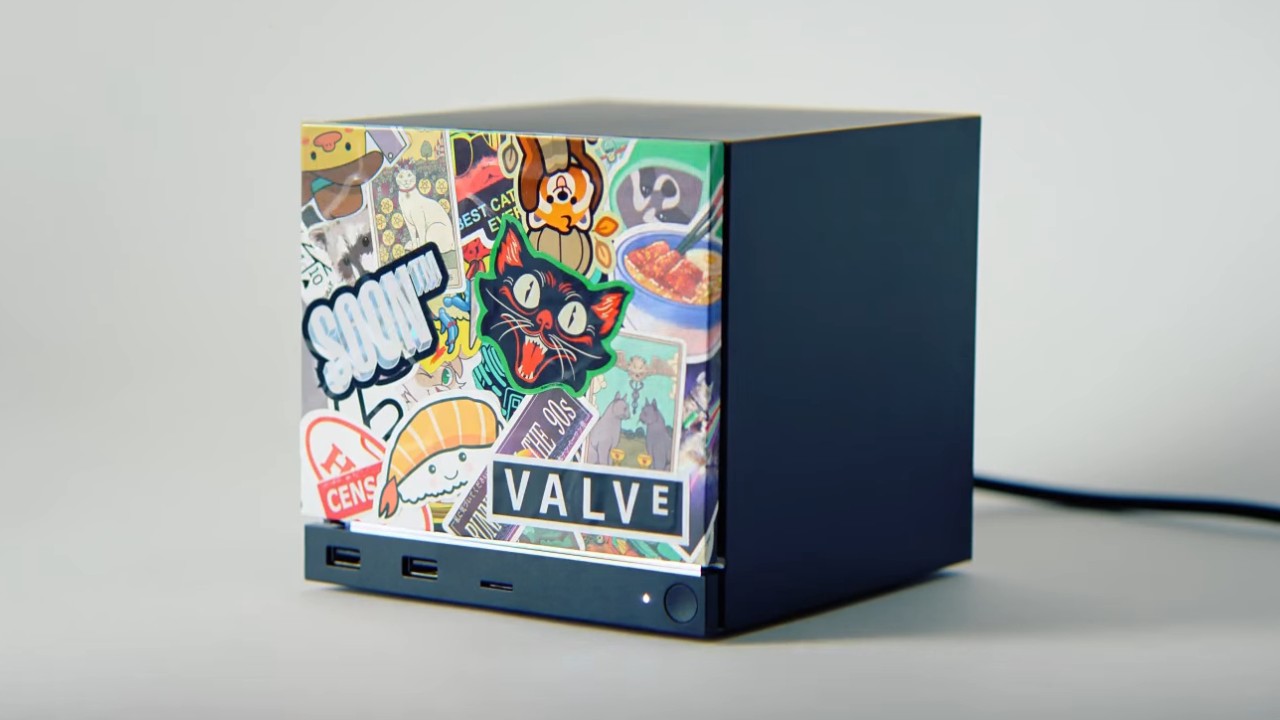
Valve has just revealed an official Steam Machine unboxing video with more details regarding the hardware and how closely the software and hardware will be integrated. Among the features that stand out is the customizable LED light bar under the faceplate and around the power button. It might seem like a style detail, but it has other purposes besides lighting.
An interesting application that has already been proven shows the progress of a game download or update. The light bar can provide a visual indication of the installation status, eliminating the need to constantly check the screen. As SteamOS is an open platform, developers and the community are expected to rapidly expand its capabilities by creating custom software or receiving new updates.
SteamOS has always been updated faster than other consoles; for example, if a new feature is added to Steam, it can generally be released within a few years, whereas other consoles may take a much longer time to release a new feature.
As the Steam Deck has matured, feature requests have been made throughout its history and are often implemented in the Steam Desktop shortly after the suggestion is posted in the Steam Deck announcement thread. Steam Machine is anticipated to maintain that quick development pace.
Hardware Customization Can Go A Long Way
In addition to software updates, Steam Machine offers plenty of space for hardware modifications that console gamers have long desired. There are many ways to customize the LED light bar, allowing for community-created tools and uses. Variable lighting is another welcome addition for many gamers who love RGB lighting in their setups.
Valve has also previously said it was bringing an e-ink display to the faceplate to display performance figures. Accessory manufacturers are already thinking about how to add more features, but there are many more things that can be added. The concept is to mount a smaller second screen, like the portable screen add-ons from older consoles.
The screen would be small and low-resolution, but could show performance data, Discord, Spotify/Apple Music, YouTube views, screenshots, wallpapers, or even Steam Friends data. Steam Machine could eventually support creative dual-screen setups for multitasking during gaming with enough community support.
That sort of experimentation is one of the greatest assets both PC gaming and Steam OS offer. As it is open, users and add-on equipment vendors will be able to keep adding capabilities to the platform after it goes live.
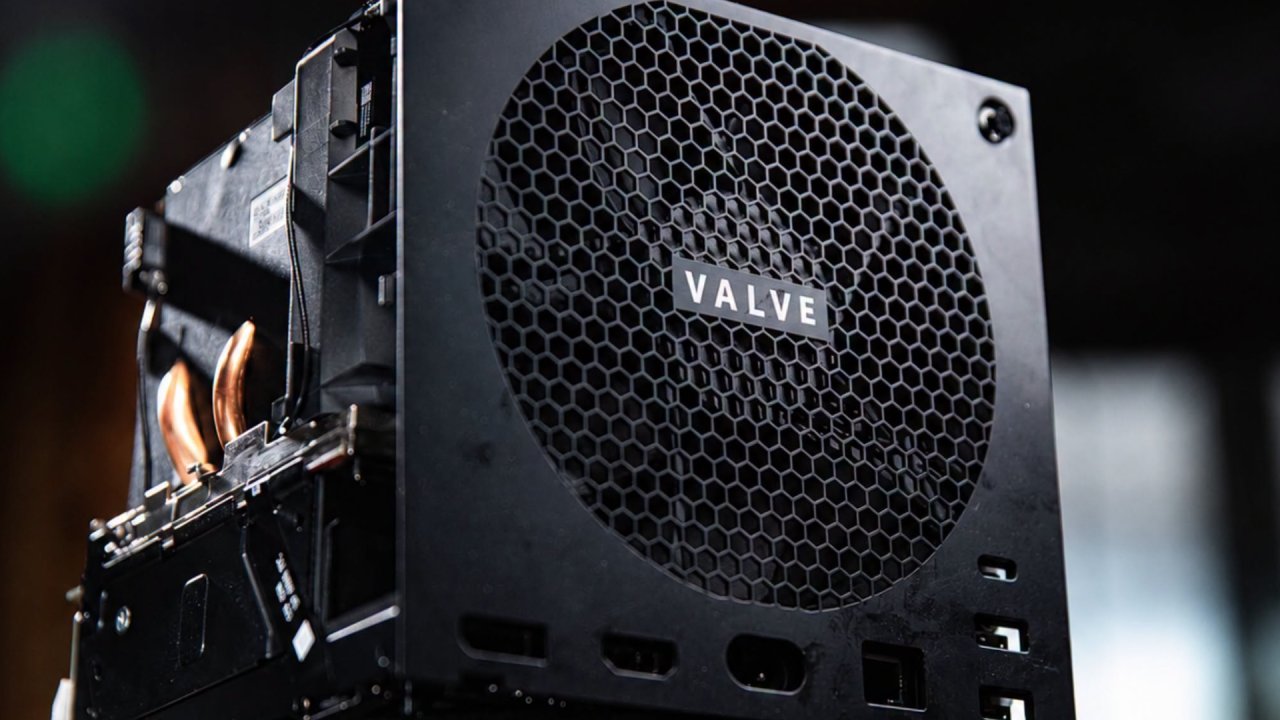
Valve is Addressing the RAM Issue
Valve has also given an insider's look at one of the most secret reasons for the high cost of modern hardware: memory procurement. A company stated that buying RAM is now much more difficult than in earlier years. Manufacturers are no longer negotiating prices and order sizes with suppliers but are receiving only limited offers at fixed prices.
When Valve calls a memory supplier to order RAM, the supplier may return with a smaller quantity at a much higher price than Valve had anticipated. In days gone by, businesses could strike deals for more orders or better rates, but that is no longer the case. The supplier can then turn to the next customer in line if their company refuses.
With demand coming from companies across the technology industry, manufacturers no longer have much leverage during negotiations. But rejecting such offers could even lead to the loss of future opportunities for hardware makers to buy at low cost, because they will have to pay more to access many components, Valve explained.
Many people wanted the Steam Machine to be released at a lower price point, but Valve has given a bit more background on today's gaming hardware pricing. The company hasn't hidden its intentions to eliminate hardware subsidies through low pricing, either. Rather, the price of the components used determines the retail price.
The situation with RAM is not just about Valve. All the big hardware vendors use the same suppliers for their memory, so the higher the cost of that memory, the greater the impact on consoles, gaming PCs, and handheld gaming devices. While the price for buyers isn't great, understanding the supply chain issues helps explain why newer gaming devices are significantly more expensive than previous-generation ones.
Anticipating Optimization May Become a New Focus
A good side effect of rising hardware prices is that game developers can invest more time optimizing their games on current hardware rather than just on expensive high-end PCs. Since consumers do not necessarily upgrade their devices, developers are more motivated to make their new releases work on a wider variety of devices.
There have already been several large releases that have demonstrated strong optimization at launch, proving there is still potential for efficient development even with the hardware's higher demands. Supporting the current hardware is a more sustainable approach for players and developers, particularly given the high prices.
SteamOS might be the actual long-term selling point.
The launch price of the Steam Machine is still up for debate, but SteamOS seems poised to be Steam's most important aspect. They have the opportunity to offer constant software updates, a high level of customization, support for open hardware, and community enhancements that traditional consoles can't match.
Meanwhile, Valve's description of today's RAM market offers a glimpse into how the company has made it more challenging to build a low-cost gaming machine. Product availability and pricing are problems the manufacturer has to deal with, which trickle down to the consumer. Despite that, SteamOS, a vibrant community, and ongoing hardware experimentation still outweigh the Steam Machine's specs.
Editor, NoobFeed
Latest Articles
No Data.