

Intel and NVIDIA Collaboration Could Change the Future of Arc GPUs
Intel and NVIDIA partnership introduces a new approach to gaming handhelds and compact performance-focused systems.
Hardware by Godrics01 on Jun 27, 2026
One of the most talked-about trends in PC hardware is the idea that Intel and NVIDIA might work together. Instead of completely replacing current graphics technologies, the partnership seems to be focusing on building future devices that leverage both Intel's CPU expertise and Nvidia's graphics technology.
There are still some unknowns about what this means for Intel Arc, but based on what we know so far, it looks like both technologies could continue to be used for different things. The reported Intel-NVIDIA collaboration is not mere speculation. The two companies are already working together, with NVIDIA reportedly holding a significant stake in Intel as part of that relationship.
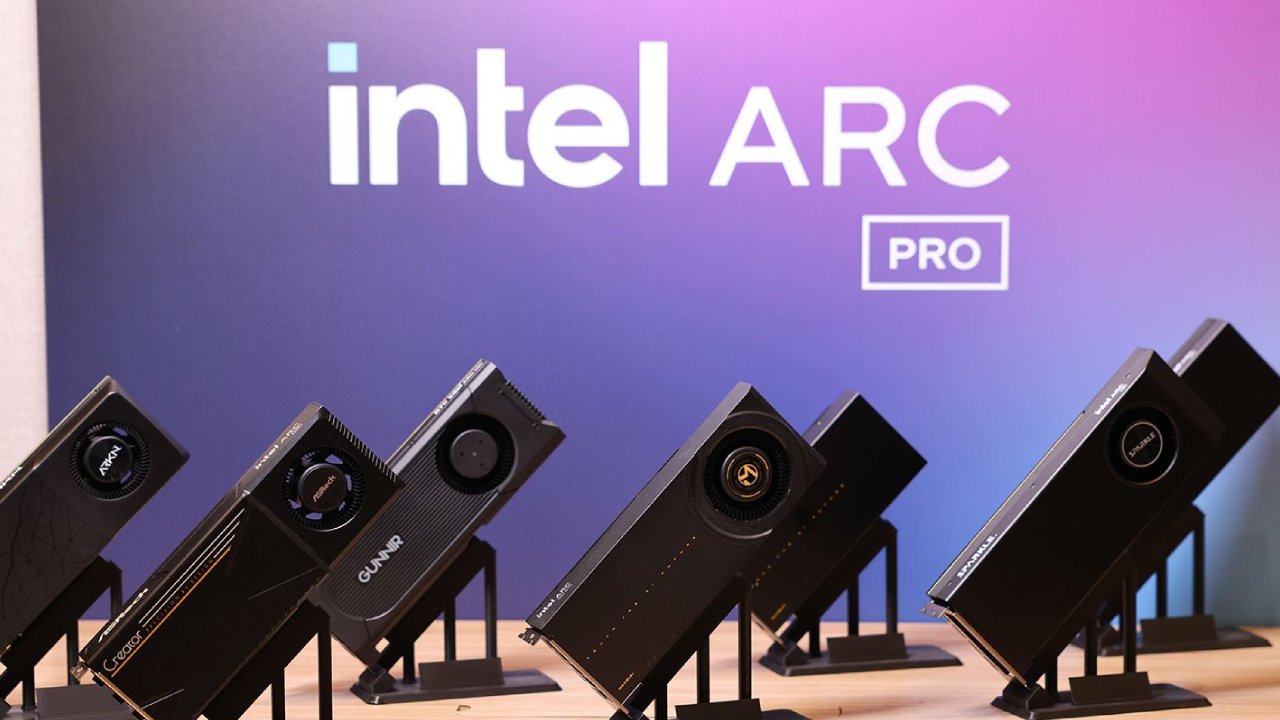
Intel and NVIDIA Working Together on Future SoCs
The main idea behind the collaboration is straightforward. Instead of pairing an Intel SoC with Arc graphics, future laptops or gaming handhelds could feature an Intel processor with integrated NVIDIA RTX graphics. Rather than functioning as separate components, as in traditional laptop CPUs and GPUs, both technologies would be integrated into a single package.
One of the biggest advantages of such a design would be access to Nvidia's DLSS technology. Based on current PC gaming performance and what has been demonstrated on newer handheld hardware, DLSS remains one of the strongest upscaling solutions available. If Intel ships handhelds or laptops using RTX graphics instead of Arc, you could see better gaming performance while also benefiting from more advanced image reconstruction.
That combination could allow these devices to reach higher performance targets without relying solely on raw GPU power. Intel has already released gaming handhelds powered by Arc graphics, and those products will continue to demonstrate what Intel's own graphics architecture can achieve. However, a co-branded Intel and NVIDIA device would offer another option for systems aimed at delivering stronger gaming performance and improved upscaling.
Arc Still Has an Uncertain Future
The future of Intel Arc continues to generate discussion. Every few months, new rumors suggest that Intel may step away from discrete graphics cards. At the same time, integrated graphics found in products like Panther Lake continue to show meaningful progress, making the overall picture less clear.
Internally, Intel appears to have multiple groups with different priorities. Some teams remain committed to Arc and continue investing in discrete graphics, mobile GPUs, and integrated graphics solutions. The engineering work behind Arc has steadily improved its capabilities across multiple product categories.
At the same time, another perspective could see Nvidia's involvement as a practical alternative. If NVIDIA already offers mature graphics technology, some within Intel may view the partnership as an opportunity to reduce investment in developing competing high-end graphics hardware.
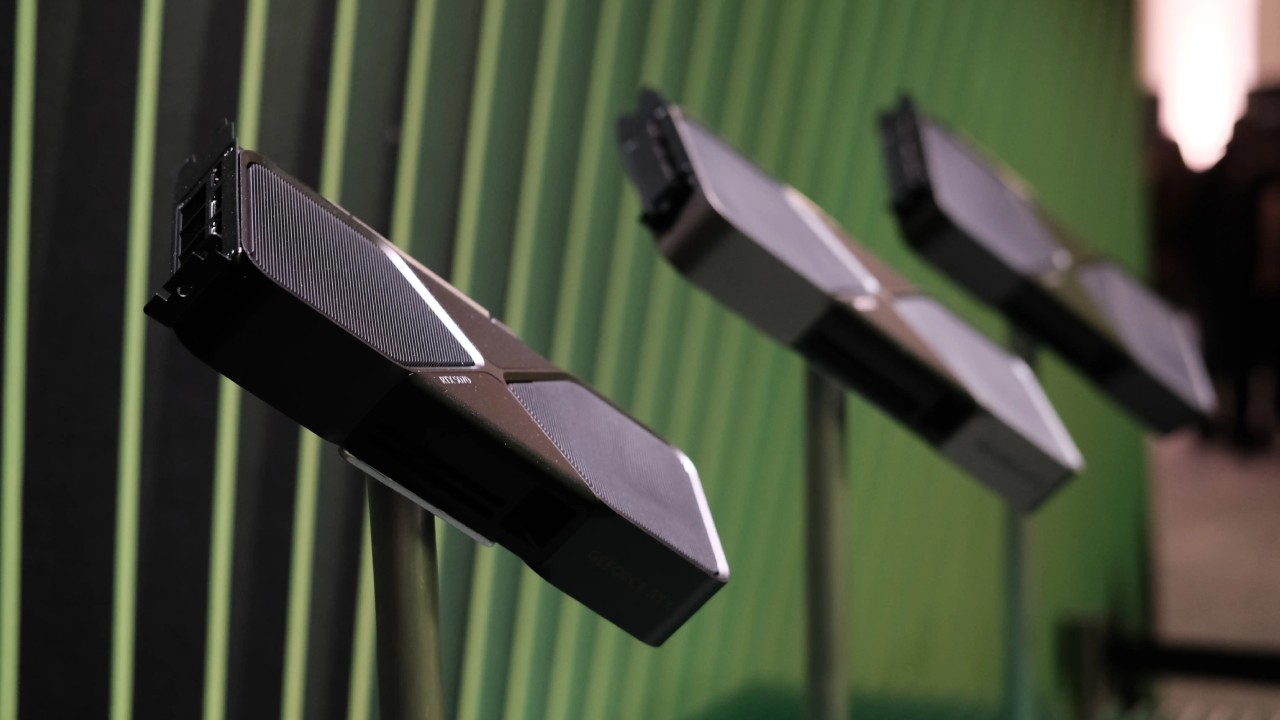
Introducing Nvidia-powered products does not necessarily signal the end of Arc.
Using NVIDIA GPUs does not automatically give Intel ownership of NVIDIA's graphics technology or intellectual property. If Intel wants to remain competitive in graphics and AI acceleration, developing its own GPU technology still serves an important purpose. Arc could continue evolving, although its role within Intel's consumer gaming portfolio may change over time.
Instead of replacing Arc entirely, Nvidia-powered products could simply expand Intel's hardware lineup. NVIDIA could handle high-end graphics, while Arc Covers Other Segments. From another perspective, the collaboration resembles what already exists in many gaming laptops that pair Intel processors with NVIDIA graphics cards.
The primary difference is that the CPU and GPU would be integrated more closely into a single package. Since Arc does not currently compete in the highest-end GPU segment, Nvidia technology could provide Intel with a solution for premium gaming devices while Arc continues to serve the mid-range and entry-level markets.
Editor, NoobFeed
Latest Articles
No Data.