
Valve Expands Steam Ecosystem With Proton 11 ARM 64 and FEX Integration
SteamOS ARM expansion supports next generation handheld VR and portable gaming hardware through efficient low power computing architecture.
Hardware by Tanvir Kabbo on Apr 19, 2026
PC gaming has long been associated with particular hardware and software needs, especially x86 processors and the Windows operating system. Nevertheless, recent innovations are starting to break these traditional constraints, and new architectures and more adaptable gaming experiences are now available on a broader set of devices.
Breaking the Traditional PC Gaming Barrier
Years ago, to play real PC games, you were confined to a very narrow box. You required an Intel or AMD processor and Windows was the gatekeeper. Then Valve launched the Steam Deck and demonstrated that Linux was fit to play in the big leagues.
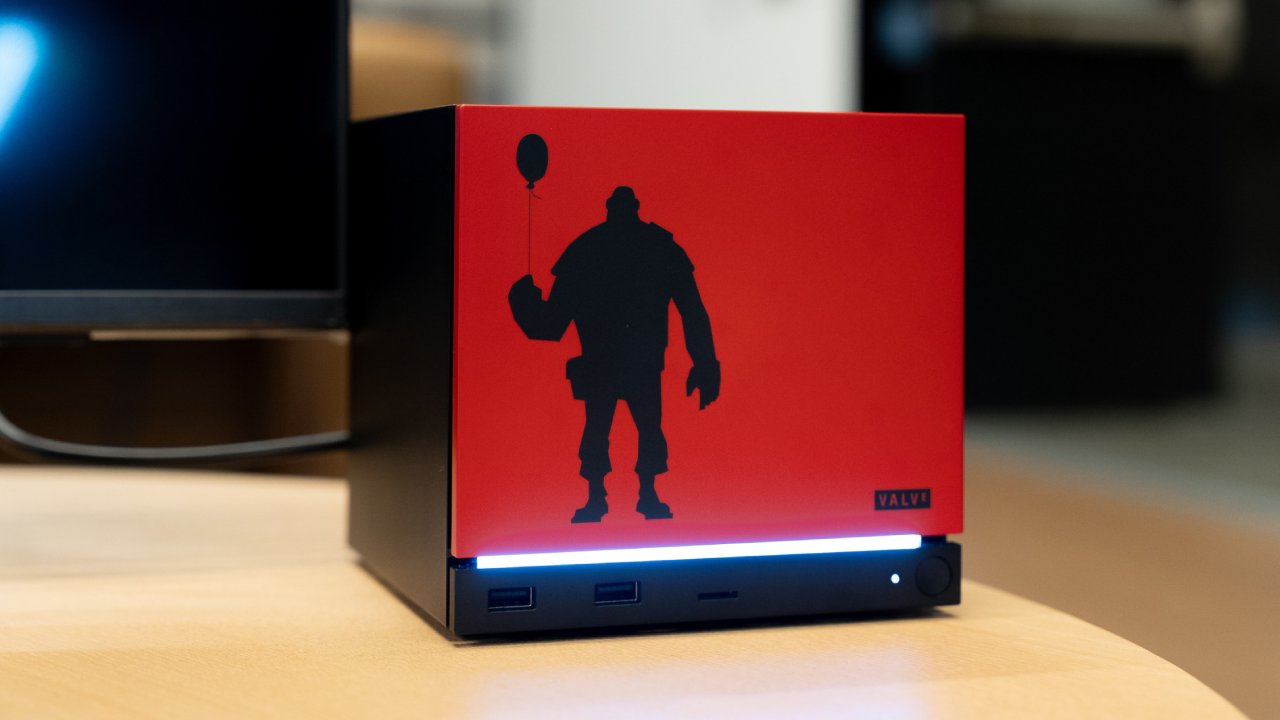
However, in the recent past, Valve has done something even more game-changing. They did not only update Proton, but they published the first official ARM64 build. They have opened the most visited library in the world to an entirely new architecture.
Now we are considering SteamOS on standalone VR headsets such as the Steam Frame and a new generation of ultra-efficient handhelds. Today we are going to dive into Proton 11 beta, the NT sync change that is providing up to 600% performance improvements in certain scenarios, the introduction of FEX emulation, and why this is an indication that Valve may have its next hardware sooner than we thought.
The NTYNC Breakthrough and Proton 11
The core change is worth considering before delving into ARM. Proton 11 is a huge rebase of Wine11. The most notable one here is NTYNC. ESYNC and F-Sync are probably familiar to you, should you have been following Linux gaming. These were workarounds to decode the communication of Windows games with the CPU.
Windows games are based on NT synchronization primitives, which Linux historically did not have a native means of dealing with. This forced Proton to translate them on the fly, which posed a major performance bottleneck. NTYNC is now natively implemented in the Linux kernel, starting with kernel 6.14 and later, with Wine11 and Proton 11.
The initial benchmark scores are impressive. Dirt3 went up to 860fps, which is a 678 percent improvement over 110fps. Resident Evil2 was boosted to 77fps, which was a significant improvement over the 26fps, which was barely playable. Wonderlands of Tiny Tina experienced 130fps to 360fps gains. These dramatic gains are mostly seen in CPU-bound situations, but to all players, the gains are reduced latency, reduced micro-stutters, and more predictable frame times.
Broadening Compatibility Throughout PC Gaming History
In addition to performance, Proton 11 brings significant compatibility enhancements. Games that were once experimental or not supported at all can now be played officially. These are the original Resident Evil, Dino Crisis, and Shogun: Total War.
Valve is making sure that the entire history of PC gaming is being carried into this new era, not only modern releases. This initiative supports the notion that compatibility is equally significant as raw performance.
ARM64 Proton 11 and FEX Emulation
Proton11 ARM64 is the most important development. ARM processors, which are common in mobile devices and standalone VR headsets, have an entirely different instruction set than x86-64 CPUs. In order to fill this gap, Valve has been sponsoring a project known as FEX.
FEX is a high-performance user-space emulator that translates x86 instructions into ARM instructions on-the-fly. Valve has added FEX2604 to the compatibility layer with Proton11, the first time it has done so.
The FEX2604 update is aimed at minimizing memory consumption and enhancing x87 transcendental functions. Most ARM handhelds, including the Odin 2 or Retroid Pocket, have a maximum RAM of 8GB or 12GB.
These optimizations allow more demanding x86 games to run without hitting memory limits. FEX can provide up to 3.7x performance improvements in certain operations in titles such as Fallout: New Vegas, which are heavily dependent on older x87 instructions.
This is similar to what Apple did with Rosetta 2 when it switched to ARM-based processors, but to the whole Steam library. The hardware architecture barrier is eliminated.
Strategic Advantage of Valve over Windows on ARM
This change is not occurring in a vacuum. Microsoft is also marketing Windows on ARM using Snapdragon X Elite and X Plus processors, and its own translation layer, Prism. Nevertheless, the strategy of Valve has a special benefit in the form of vertical integration.
Having control over SteamOS, Proton, and the FEX translation layer, Valve can make gaming-specific optimizations that are harder to achieve with a general-purpose operating system such as Windows 11. When SteamOS on ARM devices can provide superior performance, battery life, or ease of use, the decision becomes even more obvious to many users.
We can observe that Valve is setting itself to make Windows optional in the next generation of portable gaming devices.
Hardware Implications and the Road to Steam Deck 2
The long-term vision of Valve seems to be closely connected to future hardware like the Steam Frame and a possible Steam Deck 2. Lightweight VR headsets cannot use traditional x86 processors because of heat, weight, and battery limitations. ARM architecture provides a more efficient solution for wearable and portable devices.
With the creation of Proton ARM, Valve can no longer rely on Intel or AMD to provide low-power solutions. Rather, they are able to use sophisticated mobile silicon offered by firms such as Qualcomm or even custom ARM. This provides a clear hardware roadmap with a strong software base.
Community Response and Early Adoption
The community reaction has been swift. The owners of ARM-based handhelds such as the Odin 2 and Retroid Pocket are already enjoying the fruits of their labor. Official Steam support has been added to Rocknix by developers, further increasing accessibility.
Devices such as the Nintendo Switch, which use an Nvidia Tegra ARM chip, have also been reported to run Proton 11 on hacked systems soon after launch. This little testing shows how excited people are about this change.
.jpg)
Restrictions and Continuing Problems
Proton 11 is still in beta, even if it has improved. It probably has bugs and stability issues, therefore it's best for early adopters and fans. Updates will need to be made all the time to keep performance and compatibility up to date.
Anti-cheat support is another significant limitation. Although Valve has achieved some success in collaborating with anti-cheat vendors, kernel-based systems like Ricochet or Vanguard are challenging to implement using translation layers. But in the case of most single-player titles and most multiplayer games, the future is very bright.
A New Age of PC Gaming
Proton11 is a major breakthrough. PC gaming is no longer limited to desks or reliant on power-hungry hardware. The Steam Deck was a big step forward, but it was still based on x86 architecture. Proton 11 ARM is a sign of a bigger change: Steam is now an ecosystem, not just a platform.
One of the final things that kept people from playing PC games is going away. The new generation of gaming devices is ready today. They are more efficient, work with more games, and have more flexible technology.
Also, check our other hardware articles:
- AMD Ryzen 9 9950X3D Review: Setting The Standard For 2025 Gaming CPU
- Amazon Luna 2025 Review: Is Prime Gaming's Cloud Service Your Go-To For Casual Fun?
- AMD RX 9070 XT Review: AMD's RDNA 4 Champion for 1440p Gaming
- GeForce Now Ultimate: Ditching Your Gaming PC For Cloud RTX 4080 Power?
- NVIDIA GeForce RTX 5080 Review (2025): Still A 4K Gaming Powerhouse?
- Intel Core Ultra 9 285K Review And Performance Breakdown (2025)
- AMD Ryzen 7 9800X3D Review: 3D V-Cache Goes God Mode with Stunning Gaming Performance
- Intel Core Ultra 9 285K vs AMD Ryzen 7 9800X3D: In-Depth Gaming Performance and Benchmark Comparison
- NVIDIA GeForce RTX 5080 Super Performance In Cyberpunk 2077: Path Tracing & DLSS 4.0 Tested
- AMD Radeon RX 9070 XT In Cyberpunk 2077: Ray Tracing & FSR 4.0 Tested
- Intel Arc B580 Review: The $250 GPU Revolutionizing 1440p Gaming
- Intel Arc B570 Vs. B580: Value, Specs, And Real-World Gaming Performance
- RTX 5090 Laptop Vs. M4 Max MacBook Pro: Ultimate Raw Performance Vs. Battery Endurance
- Intel Arc b580 Vs. RTX 4060: Game Performance And Value Analysis
- RTX5090 Hell Is Us Demo 4K Ultra Benchmark: DLSS Vs. Native Performance Guide
- NVIDIA RTX 5070 Review: Mid-Range Muscle or Marketing Hype?
- Nintendo Switch 2 Review: Handheld Performance, Features & Value Breakdown
- RTX 5070 Ti Review: Performance, Thermals & Power Efficiency Tested
- Samsung Odyssey OLED G81SF Review 2025: Ultimate 32-Inch QD-OLED Gaming Monitor
- AMD RX 9070 Performance Review: Thermals, Clocks, and Real-World FPS
- AMD Ryzen 5 7600 Review: Best Budget Gaming CPU of 2025?
- AMD Radeon RX 7800 XT Review: RDNA 3 Power For Midrange Gaming
- Asus ROG RTX 5090 Astral OC Vs. Founders Edition: The 4K Gaming Benchmark
Senior Editor, NoobFeed
Gaming Hardware Updates
No Data.