
Asha Sharma Reveals Thin Three Percent Margin Behind XBOX Cuts
The company's leadership is taking a long-term approach, with studio changes, Halo's future, and the Kojima partnership showing how far the reset could go.
News by Adeela Tas on Oct 03, 2026
The question around an XBOX sale has become difficult to escape, especially as Microsoft continues reshaping its gaming division. But Asha Sharma's latest message is direct: XBOX is not for sale. In a recent executive profile, Sharma said the company is focused on doing whatever is necessary to put the business in a position to succeed.
That includes considering partnerships, changing how the organization operates, and making decisions with the long term in mind. She also pointed out that speculation about a possible sale has existed for years without ever turning into an actual transaction. That does not mean the business is staying exactly as it was.
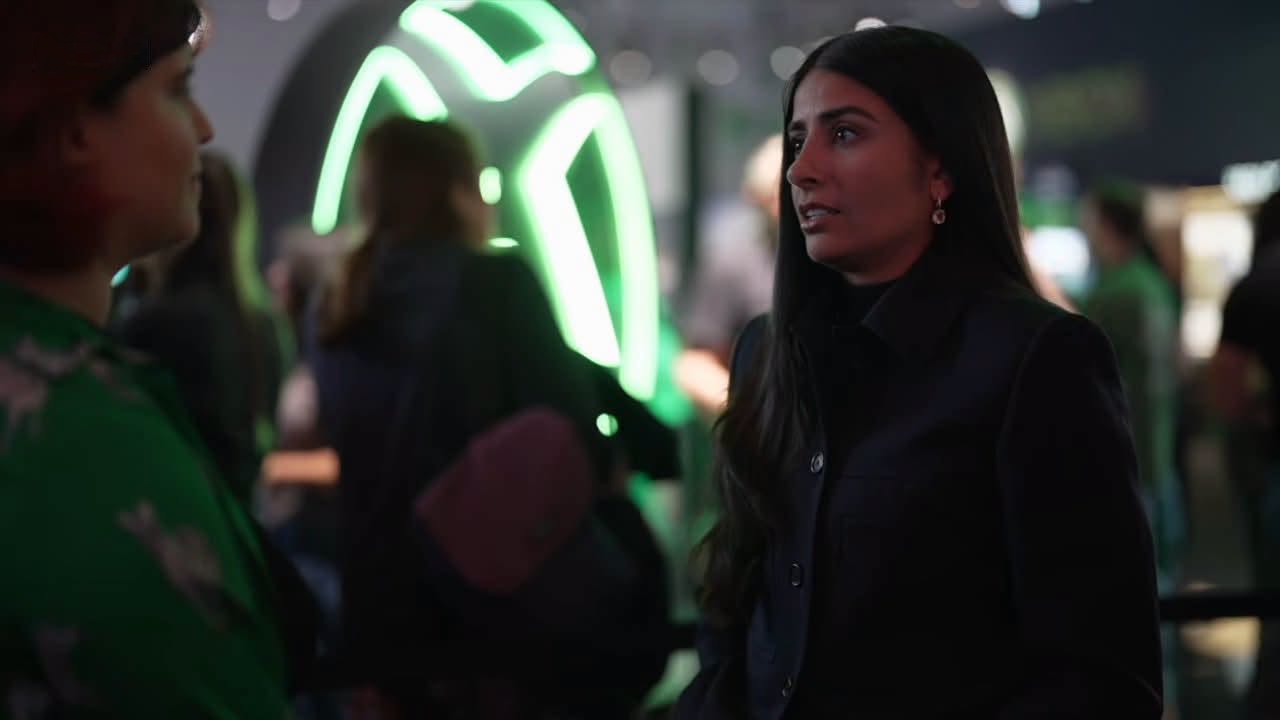
In fact, the changes already underway show how aggressively Sharma is approaching the restructuring.
Analysts have discussed the possibility of XBOX eventually becoming a separate company that could still maintain a strategic relationship with Microsoft, particularly around technology and infrastructure. For now, though, there is no indication that this is happening.
The current XBOX strategy centers on changing the business from the inside rather than treating a sale as the destination. For Asha Sharma, that means accepting that some decisions will be unpopular while still trying to preserve projects and teams with a workable path forward.
Sharma's comments suggest that the immediate priority is fixing the underlying business rather than preparing it for an exit. She has described the situation from a first-principles perspective, arguing that the gaming industry itself will require disruption. That approach helps explain why so many difficult decisions have arrived at the same time.
XBOX has not been operating at a 4% margin, as has previously been suggested. The figure is closer to 3%, which makes the pressure surrounding the restructuring easier to understand. Large-scale layoffs and studio changes are therefore not isolated moves. They appear to be part of a broader attempt to rebuild the division around a more sustainable model.
The treatment of Double Fine offers one example of what that can look like.
Rather than shutting the studio down and absorbing its intellectual property, the company reportedly gave the team a path to independence while retaining its IP. Financial support can make that transition less painful, but independence still means the studio has to operate on its own from then on.
For Double Fine, that is arguably a much different outcome from having the studio closed and its properties retained by its former parent company. The exact contractual details are not public, but the broader point is clear: restructuring does not always have to mean simply shutting a studio down.
Compulsion Games has followed a similar path toward independence. The Compulsion Games studio behind South of Midnight retained its intellectual property and continued making games rather than disappearing as part of the cuts. South of Midnight also went on to receive an award, giving the studio a notable result during a period of major uncertainty across the wider organization.
At the same time, the layoffs are not yet complete. Reports indicate that roughly three-quarters of the reductions are complete, leaving around 25% still to go. That means the restructuring remains an active process, and more employees and teams could still be affected before everything settles.
That reality gives more weight to Sharma's repeated comments about doing whatever is necessary.
She has also made it clear that she does not see the role as one built around maintaining a comfortable work-life balance. Her stated focus is the mission, and that means accepting difficult decisions when she believes they are required. The changes surrounding Halo show just how far that philosophy has reached.
Halo Studios, as it previously existed, has effectively been dismantled, with a smaller group remaining under Pierre Hintze. Those who stay are expected to continue the Halo: Combat Evolved project already in progress. Activision, meanwhile, is reportedly making a whole new Halo game from the ground up.
For one of Microsoft's most recognizable franchises, that's a huge shift, and it arrives after years of fans feeling let down by the series. Halo 4 tends to get more forgiveness from fans. Halo 5 is still a split decision, mostly because of where it took the story and the gameplay.
Halo Infinite had a stronger base, especially in how the core gameplay felt, but it stumbled at launch because the support afterward wasn't enough. Leaning on contractors, hiring people short-term, and watching veteran developers leave or get pushed out didn't help either. All of that made the franchise look badly managed.
Now, Activision has an opportunity to take the series in another direction.
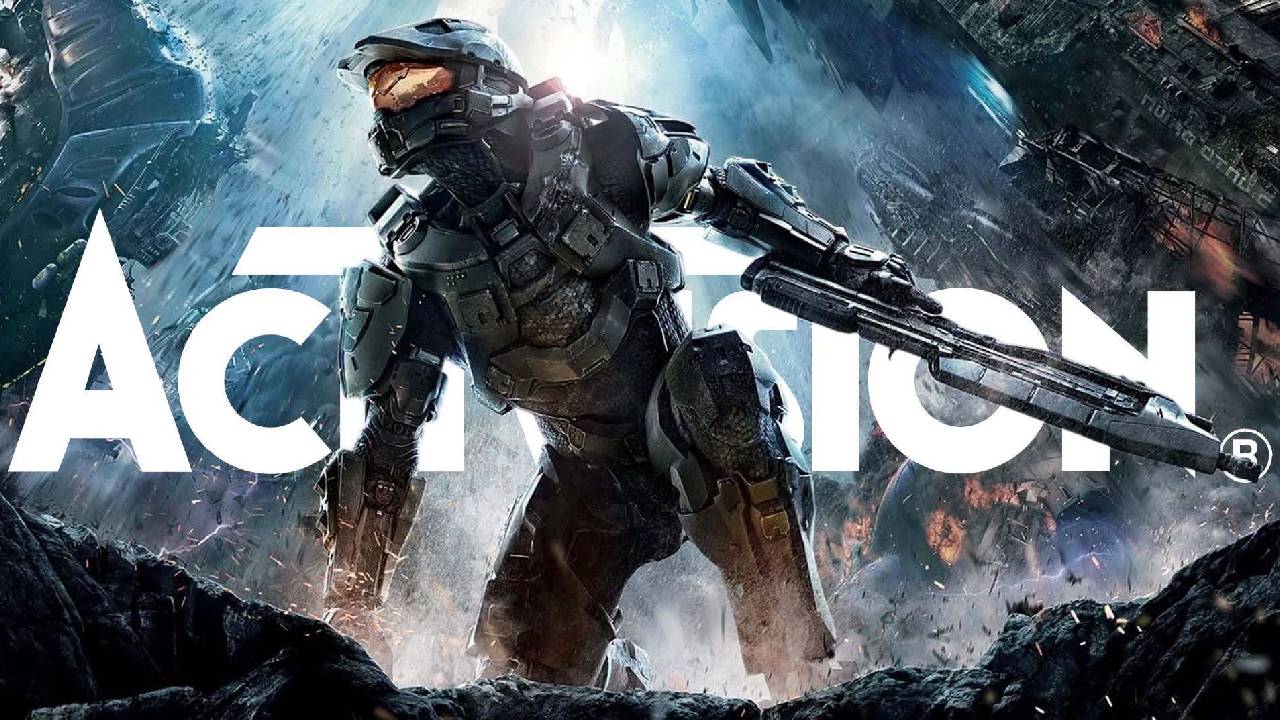
Early community reaction has reportedly been receptive to the change, although the outcome will depend on what the new team delivers. Sharma has also emphasized that Microsoft remains part of the long-term picture. She has described the relationship as having a long road ahead, suggesting that the current restructuring should not be interpreted as preparation for an immediate separation.
At the same time, the company is continuing to work with Sony where it makes business sense. She believes competition and collaboration can coexist. That philosophy is especially relevant to Hideo Kojima and Physint. Sharma was asked whether she owed Sony an apology after Microsoft stepped in to publish Kojima's project, and she essentially said the opposite. She said she was pleased that Kojima chose to work with XBOX.
The situation behind Physint makes that reaction easier to understand. PlayStation had reportedly stepped back from the project, creating a potentially serious financial problem for Kojima Productions. Development loans and other obligations could have remained in place even if the project itself disappeared, potentially forcing the studio to make severe staff reductions simply to survive.
Instead, Kojima Productions turned to Microsoft, and a publishing partnership allowed Physint to continue. That outcome also gives Physint room to develop without the immediate financial pressure that threatened the project earlier. Based on what has been revealed so far, the project is positioned as a spiritual successor to tactical espionage action.
And its survival has been one of the more unusual developments in the relationship between the major platform holders. Kojima working on the project outside the PlayStation ecosystem does not necessarily mean the relationship between the two sides has broken down. Sharma has stressed that collaboration with PlayStation remains possible even while each platform places greater emphasis on its own exclusive projects.
The project's eventual platform strategy can still change, and XBOX would ultimately have a say in how that publishing arrangement develops.
That leaves XBOX in a strange but important position. The company is cutting costs, changing studio structures, reconsidering how it develops major franchises, and still pursuing outside partnerships. Gears of War: E-Day is also approaching, while the remaining layoffs continue to work their way through the organization.

The executive profile offered fewer revelations than its framing suggested. It spent considerable space comparing Sharma with other high-profile leaders and included some oddly specific descriptions of clothing and appearances. Much of the rest revisited information that was already familiar to people following the company closely.
Still, two points came through clearly. XBOX is not currently being prepared for a sale, and Sharma does not appear interested in apologizing for stepping in to keep the project alive. Her comments instead point toward a long-term restructuring in which some studios remain under the company, others become independent, and major franchises can move to entirely different development teams.
For you, the bigger story is therefore not an imminent sale but a company being rebuilt while it is still operating. Sharma's first year in charge has already brought layoffs, studio independence deals, a new direction for Halo, and a major publishing partnership with Kojima Productions.
The final shape of that strategy is still developing, but the stated goal remains consistent. For Asha Sharma, the focus remains on building a structure that can survive changing market conditions rather than chasing a quick reset. For XBOX, that means the next phase will be defined as much by execution as by announcements.
Editor, NoobFeed
Related News
No Data.