

CD Projekt Red Targets 6-Year Trilogy Release With The Witcher 5 and 6
The studio remains committed to releasing The Witcher 4, 5, and 6 within six years, signaling a major shift in development strategy while leaving traditional expansions behind.
News by Sabi on May 30, 2026
CD Projekt Red has ignited one of the biggest long-term goal in the gaming business: developing a whole new Witcher trilogy in six years. It has sparked a new debate among fans and followers of the gaming industry. As the time to make a great hit game is getting longer and longer, many still doubt such a tight timeline can be done.
The conversation started with the company's plans for supporting the future Witcher games after release. While past expansions like The Witcher 3’s “Blood and Wine” are highly praised, CD Projekt Red suggests the trilogy’s entries may not get such major expansions, focusing instead on completing the trilogy within their projected timeline.

The choice came at an unusual time for the brand. The Witcher 3 is still running strong over ten years after its release, with new material and patches regularly coming to players. When you consider that such long-term support is becoming increasingly rare in games these days, CD Projekt Red’s statements become more significant.
The studio says the target remains clear and quite high.
The studio plans to release three major Witcher games over the next 6 years: The Witcher 4, The Witcher 5, and The Witcher 6. That means new games would have to come out every couple of years, which is a totally different model from the AAA gaming business where it takes a long time to produce games.
With this schedule, CD Projekt Red explains that developing big expansions like Blood and Wine or the upcoming “Songs of the Past” could delay the trilogy’s releases. Thus, typical large-scale expansions may be less feasible. The discourse mentioned the major distinction between expansions and downloadable material.
Previously, CD Projekt Red had distinct departments for these subjects. Expansions are typically large, story-driven additions that greatly expand a game's environment and story. DLC, on the other hand, usually consists of smaller updates, cosmetic items, bonus quests, and other light content. Still, the lack of major add-ons does not mean there will be no post-launch content.
Although huge expansion packs are unlikely for The Witcher 4 and its sequels, smaller DLC—like cosmetic items, equipment, or quality-of-life updates—could still be released without disrupting the trilogy’s schedule. Still, it would be a major departure from how things were done in The Witcher 3, one of the most famous role-playing games of all time, not to have standard add-ons.
Blood & Wine was a full RPG experience for many fans and not an add-on. It is generally hailed as one of the best additions in the history of video games. There have always been different reactions to moving away from that model. While some players are pleased to get new games more often, others worry that not receiving updates could mean each release isn't as deep or long-lasting.
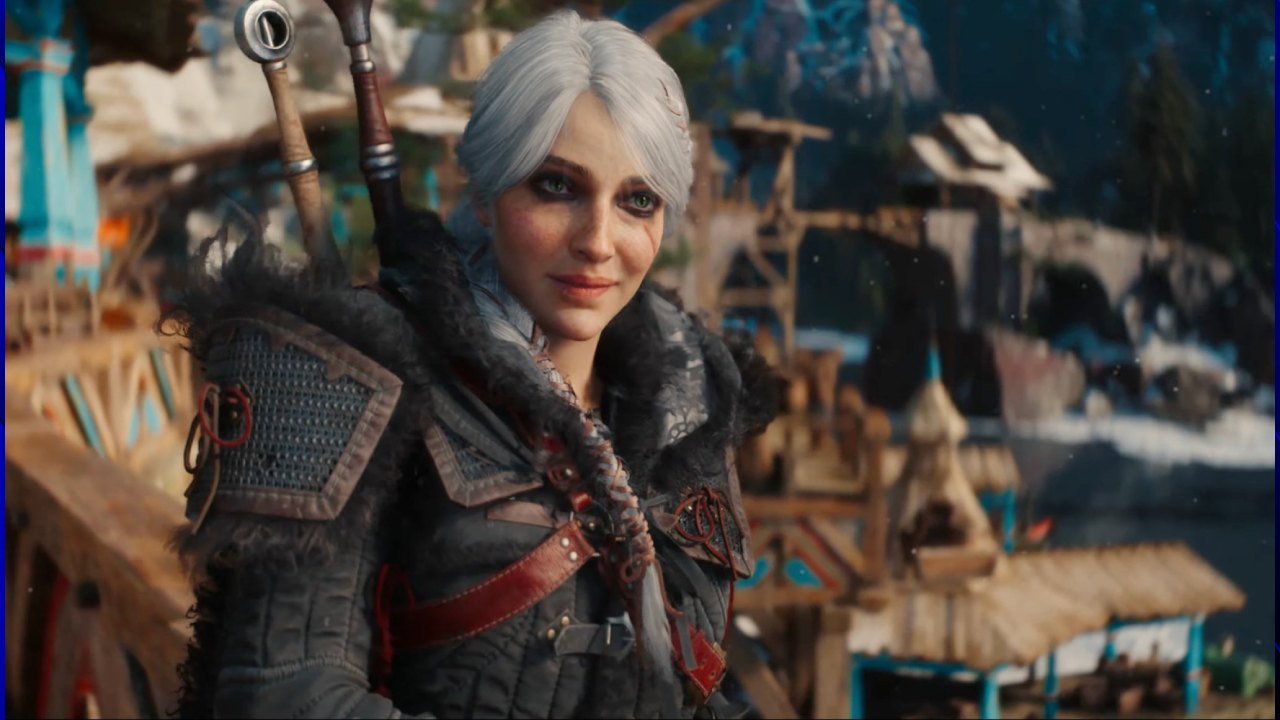
CD Projekt Red has spoken about the six-year trilogy plan before, but their latest statements have people looking at it again.
Many gamers worry whether a studio known for producing enormous open-world RPGs can maintain this pace. This skepticism is justified. Large game development now often takes 5–10 years, requiring big teams and evolving technology. Creating three expansive RPGs in six years is unprecedented. But advocates of the concept argue the plan makes more sense when you consider the ability to reuse assets and advances in technology.
Rather than begin anew with each game, CD Projekt Red intends to lay a solid foundation with The Witcher 4 and then build on that work for the remaining two titles in the series. Their plan is to invest heavily in the first game, then accelerate development by reusing tools, technology, and assets across sequels to improve efficiency.
Proponents of the approach will typically cite Square Enix’s ongoing work on the Final Fantasy VII Remake trilogy as an example of how it may be done right. In the first segment, the company had to spend many years building the systems, assets, and workflows from scratch. The transition from *Final Fantasy VII Remake to Final Fantasy VII Rebirth, nevertheless, was far more rapid, given the basis had already been laid.
The third and final game in the series is likewise planned to release sooner than many large AAA projects. CD Projekt Red appears to be going along a similar road. The fourth Witcher is rumored to be the most difficult to produce, as it will set the technological and artistic groundwork for the complete trilogy. And once that mechanism is in place, future parts can be created much more quickly.
The Witcher plan is grander still, of course. Final Fantasy typically releases a new game every four years, but CD Projekt Red intends to change that. That's where the doubt is a lot. Even proponents of the concept admit that such a short timetable would require extensive planning and hard work. Nevertheless, many in the sector believe that this sort of efficiency will only become more crucial as development costs continue to rise.
The conversation is not just about the Witcher franchise and reveals a wider problem confronting the game industry. AAA budgets have increased significantly over the last 10 years. Some projects reportedly cost hundreds of millions of dollars. If it takes longer to create, these prices go up even more, which adds a ton of financial burden on publishers and studios.
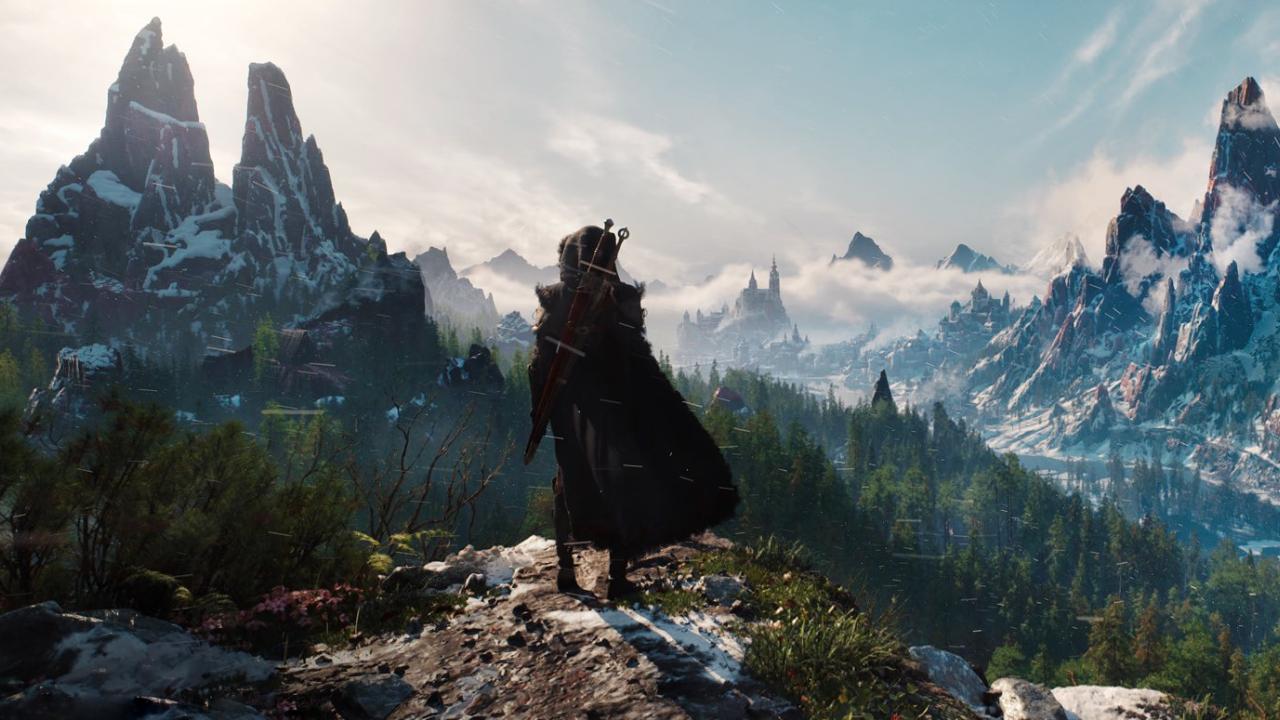
Under the old model, each new game had to sell a ton of copies to break even.
A trilogy can more effectively distribute the costs across numerous releases with shorter development cycles and shared technology. This means, in practice, that the first game might cost a lot to make, but subsequent games might be much cheaper. With smaller expenses, there is less financial risk, and fewer sales are needed to earn a profit.
The Witcher 4 is potentially the most expensive game in the series. The Witcher 5 and The Witcher 6 might cost much less to make while still giving gamers a similar experience, thanks to lower production costs. That’s why many experts see CD Projekt Red’s approach as more than just a franchise play. This is a template for how huge game creation will be in a few years.
Funds, business strategies and development pipelines are all crucial, but most gamers are still just interested in one thing: will the games be good? The six-year triple plan has obvious advantages for customers. It’s certainly intriguing to imagine we could get three great Witcher adventures in quick succession.
The new novels could mean that fans get a regular stream of fresh stories based in one of the most popular magical worlds in video games, rather than waiting six months or more between books. It remains to be seen whether CD Projekt Red can deliver on this vision. The studio has set a high standard that demands unusual efficiency for AAA development.
But if it works, it might transform the way the whole company thinks about making sequels. This might be the most interesting to fans because it could suggest that Geralt’s universe or whatever new portion of The Witcher plot is coming will be around for a long time. At this point, CD Projekt Red is sticking to its ambitions. While no major changes are expected soon, the commitment to three Witcher games over six years stands—a bold plan that could reshape the RPG landscape.
Staff Writer, NoobFeed
Related News
No Data.