
Cloud Chamber Job Listing Details BioShock 4 Combat & World
Hiring posts show how Cloud Chamber ties combat, AI, and the world together.
News by Adeela Tas on Sep 21, 2026
It has been more than six years since 2K officially confirmed a new entry in the series, and BioShock 4 remains one of the most mysterious major games in development. The team meant to bring the franchise back has not shared a single new detail on its own.
BioShock 4 is still in development and deep into production. Fresh details have now turned up, just not through an official announcement. A wave of new posts and job listings has given you a decent idea of what this project actually is. You still haven't seen real gameplay, you haven't seen the world, and after all this time there is still no final name, but the picture is a lot clearer than it was a few months ago.
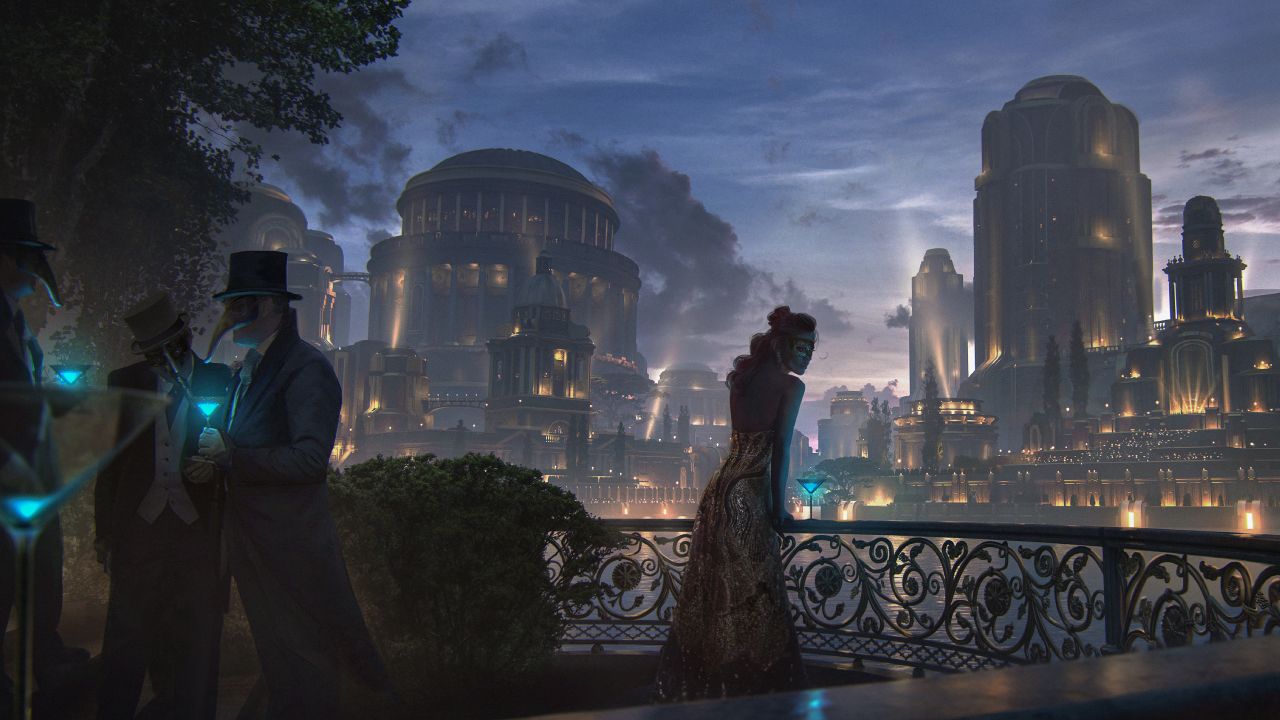
Neither the studio nor 2K has shown anything substantial yet.
Think about how the earlier games introduced themselves. Your first look at Rapture or Columbia told you almost everything you needed to know about what you were about to play. Given that, it says a lot that BioShock 4 has stayed hidden for this long.
The studio has started sharing more about what it is building, and some of the newest details are more interesting than yet another rumor about a trailer or a release date. The next chance for something official might be The Game Awards.
Underneath all that quiet, something ambitious is taking shape in BioShock 4. The developers are working on a new combat system meant to feel visceral and weighty. That combat isn't supposed to sit inside isolated shooting galleries, though.
It has to operate within what the studio calls a systems-driven world, filled with handcrafted situations, different AI archetypes, exploration, narrative events, progression, and chances to approach a situation in more than one way. That ties back to earlier descriptions of a world that feels populated and alive, where the people living in it stand for different beliefs and perspectives instead of all being enemies waiting for a bullet.
One of the newest job listings comes from the combat encounter team.
The studio wants its designers building encounters players won't forget, and those aren't described as rooms packed with enemies. The same people work on combat situations and narrative-driven events, scripting those moments while coordinating directly with the combat lead, the world lead, and the systems lead.
AI, progression, exploration, and narrative are all part of the mix, too. So the combat system has to work with everything else going on in the place. An encounter needs to account for the people there, the environment around them, what you can do at that stage of the game, and possibly a story situation already playing out before you step in and interfere.
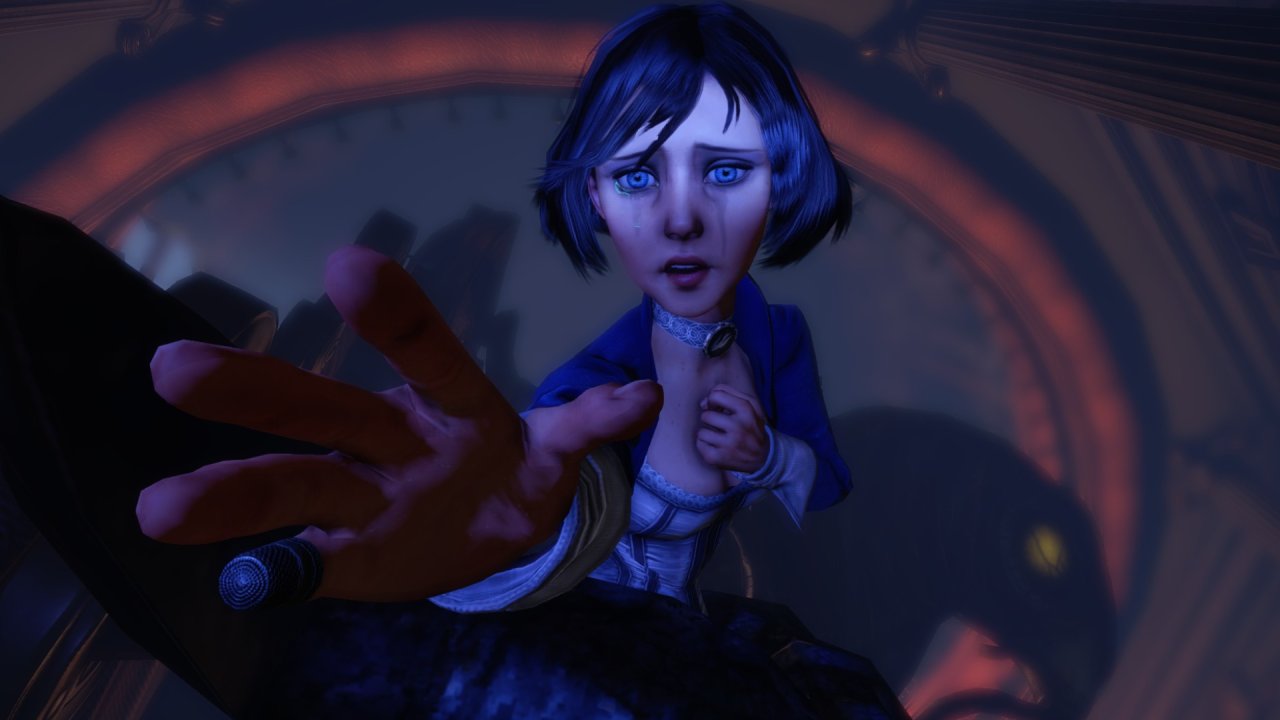
The listings also talk about filling the world with handcrafted moments, which paints a very different picture from a traditional shooter where you move from one predetermined firefight to the next. That is only one side of it. Another combat role focuses on building different AI archetypes and expanding what the studio calls player expression and emergent design.
The idea is to create AI types that take part in situations where you, the environment, and the game's other systems can lead to different outcomes. That fits neatly with the wider world-building language that has surrounded BioShock 4 throughout its development.
The studio has spoken about creating a world that feels alive, filled with characters who represent different perspectives and beliefs.
While the current team handles the opportunities and interactive situations spread throughout that world, the idea seems to be that you walk into a place where people are already going about their business, and where situations exist on their own instead of simply handing you another target. That is where this gets more interesting than saying BioShock 4 will have smarter enemies.
The series has always been about unstable people living in societies built on equally unstable ideas. Rapture wasn't memorable just because it sat underwater. Andrew Ryan believed in what he was building, and so did other people. Some rejected it completely, and some used the system to benefit themselves. By the time you arrived, you were walking through the aftermath of all those people and beliefs crashing into each other.
Columbia ran on a completely different ideology, but once again, what people believed was baked into everything, from the architecture and propaganda to the conversations you overheard and, eventually, the people you fought. Cloud Chamber seems interested in doing that again with BioShock 4, only this time with a much more systemic world underneath.
Different AI archetypes, beliefs and perspectives, handcrafted encounters, narrative events, and openings for you as a player. Since the designers are being asked to think about emergent situations and player expression, the exciting possibility is what happens once all of these start interacting.
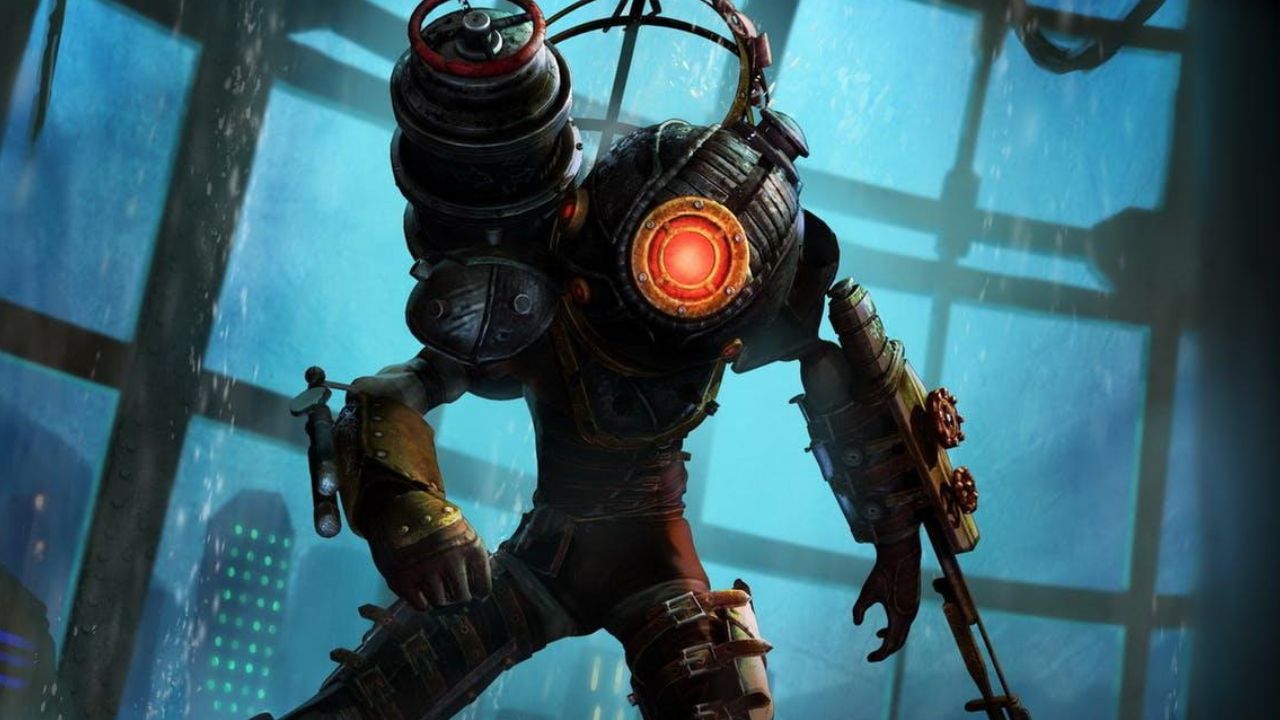
If someone in this world has their own beliefs, motivations, or role in whatever society the studio has built, they don't have to react the way anyone else would.
What is happening around them, which kind of madness they bought into, who they side with, and what you do when you enter the scene could all shape how an encounter plays out. Nobody has confirmed a giant system where every character permanently remembers everything you have done to them, and it isn't known how sophisticated these individual reactions are, but the basic design is clearly there.
Different beliefs and perspectives, AI archetypes, emergent experiences, narrative encounters, a systems-driven world, and room for you to express yourself are all ideas the studio is actively building around. You'll want to see how deeply those systems affect each other once gameplay is finally shown.
Then there is the combat itself. The studio is still making BioShock 4, and it is putting a lot of effort into how fighting feels. The combat has been described as visceral and weighty, and encounters are being built around player expression. If you hit someone at close range, you should feel the impact. That is what separates a heavy hit from a number simply dropping.
If one of the game's abilities throws an enemy across the environment, the animation, physics, and sound need to make that feel violent. Whatever replaces or evolves plasmids and vigors should feel like something you physically release into the world, not another ability icon with a cooldown attached.
In BioShock 4, the new combat system appears to take that philosophy and build encounters around it from the start.
The combat designers aren't just deciding how much damage a weapon does and passing everything else along to somebody else. They work next to the people building AI, progression, exploration, and the world itself. If you find something while exploring, develop your character differently, or head into a fight with another set of tools, the level has to make room for that.
The studio's repeated focus on player expression suggests it doesn't want everyone solving these situations the same way. That may be the biggest difference between BioShock 4 and a conventional shooter. The world isn't just a backdrop for combat; the combat has to function within it. Cloud Chamber openly calls the game a systems-driven world and says its designers are responsible for breathing life into this new fantastical place.

They block out the world geometry, script gameplay content, and solve sequences involving combat, AI, progression, exploration, and narrative all at once. Those pieces keep showing up together everywhere you look in this project. Then there are the environmental artists, and one more phrase the studio uses stands out: world logic.
They are building believable, detailed locations from scratch, with real architectural and world-construction rules behind them. That world logic has to serve combat and traversal, but the places also have to make sense within the fiction of wherever you happen to be. The architecture, composition, gameplay, and environmental storytelling all have to support the same place.
That world logic ties the art side back to everything above, since encounters, AI, and story events all play out inside those rules. Until 2K and the studio show something official, those job listings are all you have. A trailer at The Game Awards in December would be a good time to change that. Nothing confirms a slot at The Game Awards, so it is smart not to get your hopes up too high just yet.
Editor, NoobFeed
Related News
No Data.