
CXMT Expands DDR5 and HBM3E Production Ahead of 2027
CXMT expands HBM3E, DDR4, and DDR5 production as its DRAM manufacturing capacity approaches leading memory makers.
Hardware by Nahe Yan on Sep 20, 2026
CXMT has reportedly started risk production of its own HBM3E memory, marking a new development in the DRAM market. The company is also expanding its DDR4 and DDR5 production while increasing its manufacturing capacity. The developments could put CXMT closer to the three companies that currently dominate the global memory market.
CXMT has reportedly begun risk production of its own HBM3E memory. HBM is currently used for high-bandwidth computing and provides higher bandwidth performance with lower power requirements than standard DDR memory. For years, Samsung, Micron, and SK Hynix have produced HBM.
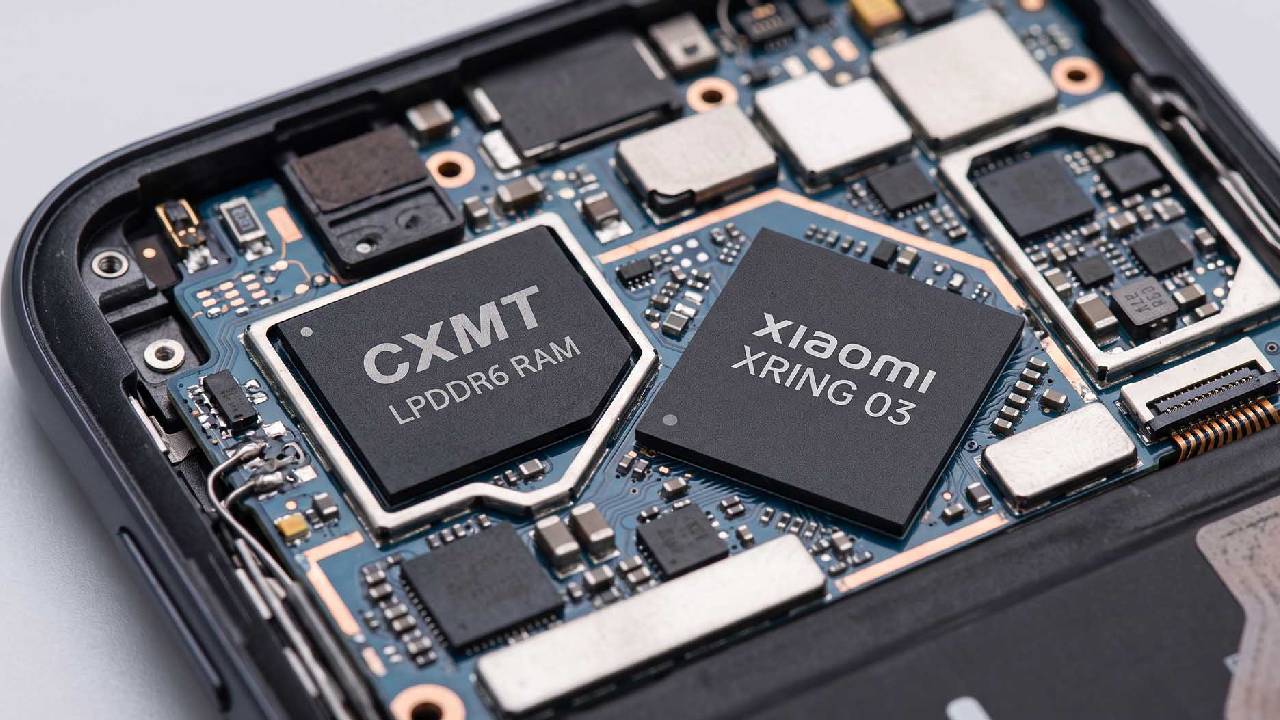
CXMT Reportedly Begins HBM3E Risk Production
According to the report, chip companies such as Alibaba's T-Head and Cambricon are already testing CXMT's memory. If those tests go well, CXMT could reportedly begin mass production in 2027. At the same time, CXMT is expanding its DDR4 and DDR5 production, bringing its manufacturing capacity closer to that of major memory makers.
According to estimates from SemiAnalysis, CXMT could produce around 350,000 DRAM wafers every month by the end of 2026. For comparison, Micron is estimated at around 385,000, SK Hynix at around 595,000, and Samsung at around 720,000. CXMT now has three factories, with two in Hefei and one in Beijing.
These factories reportedly produce around 100,000 wafers per month each, with a 90% yield rate in DDR5 memory. CXMT is not stopping there. According to Reuters, the company plans to build new factories in Hefei and Shanghai and a second factory in Beijing.
One question is why CXMT has received less attention than major memory companies. In January 2025, CXMT was added to a Pentagon list of companies the United States considers to be linked to China's military. The list was created under Section 1260H of the National Defense Authorization Act, which requires the Pentagon to identify companies it determines to be linked to China's military.
CXMT's growth shows how much the company has changed since its founding.
On August 28, 2026, CXMT sued the Pentagon over its placement on the list. According to the lawsuit, CXMT claims it is not affiliated with the military. CXMT says it designs, produces, and sells DRAM chips for civilian and commercial use, not military use.
Later, in July, Apple began testing CXMT's DRAM chips for devices sold in China. US lawmakers and officials raised concerns about Apple using memory from Chinese semiconductor companies, particularly because of national security concerns and the US government's broader effort to build domestic supply chains.
Ten years ago, CXMT was a new memory company. Today, it is the fourth-largest DRAM maker. CXMT is no longer only trying to catch up with the companies that currently dominate the memory industry. Its expansion into DDR4, DDR5, and HBM3E production means the company is becoming one of the companies shaping the future of the memory market.
Editor, NoobFeed
Gaming Hardware Updates
No Data.