
GPU Prices Could Rise Further as New Launches Face Delays
PC hardware prices continue rising as GPU shortages, AI demand, and delayed launches create uncertainty heading into 2027.
Hardware by Shinji Okazaki on Sep 20, 2026
The consumer PC hardware market is having another tough time as GPU prices keep rising, RAM and storage shortages persist, and several expected hardware launches have been delayed or canceled. Since consumer electronics didn't change much in 2026, people are already looking ahead to 2027 to see if it will finally bring new goods and lower prices.
It has been clear for some time that 2026 will be a wash for advances in consumer PC hardware. Anticipated launches have been canceled or delayed. The handful of products that have debuted have been stopgaps or relaunched versions of existing technology. GPU prices have now hit all-time highs as manufacturers like NVIDIA and AMD focus heavily on AI demand.
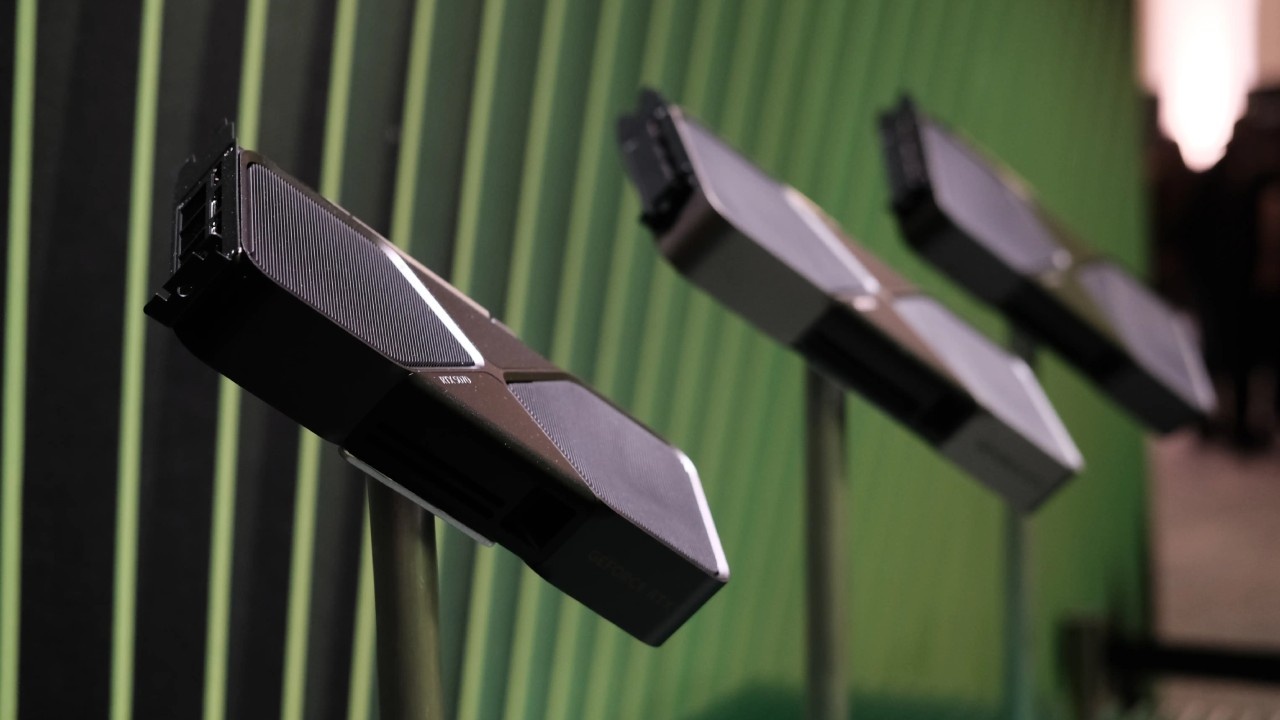
2026 Has Been a Difficult Year for PC Hardware
At the same time, RAM and storage shortages have continued to affect the PC market. Despite all this, PC gamers have still found ways to keep existing systems running. Extending the lifespan of existing parts or building older systems with DDR4 has become one way to deal with the current hardware market.
As 2026 moves toward its final months, there is at least some reason to look ahead. Even if new GPUs don't arrive in 2027, there is still hope the market can eventually improve. In light of recent market adjustments, I need to retract a fair amount of things I've said in the past 2 years or so about NVIDIA's GeForce RTX 5090. When this GPU launched in January 2025, I assumed that as part of the GeForce family, it was meant for PC gaming.
That's harder to argue now, as a PC gamer without a trust fund could hardly afford what these GPUs cost in late 2026. Prices have reached around $7,000 at minimum from third-party sellers, while buying directly from a retailer can mean paying $9,500 or more. Newegg is completely sold out, so third-party marketplace sellers are among the remaining options.
AI Demand Is Affecting GeForce GPU Supply
RTX 50 series, and the 5090 in particular, appears to have had a peculiar supply-and-demand relationship this year. With no new GPUs launching, NVIDIA's GeForce team may have been able to monitor sales rates and limit stock availability while AI demand kept rising.
5090 is also being used for AI workloads, as shown by images and video shared by HKPC of AI companies installing bulk-purchased pallets of 5090 GPUs into server frames. We have seen something similar before when crypto mining companies were able to purchase NVIDIA GPUs by the pallet even when stores were sold out.
The outlook for 2027 has become another concern. A rumor circulating this week suggests that there may be no new GPUs next year either. The rumor originated from a post by Kepler L2, who is generally considered a reliable leaker. The post stated that everything else in terms of GPU launches from both AMD and NVIDIA is expected in 2028.
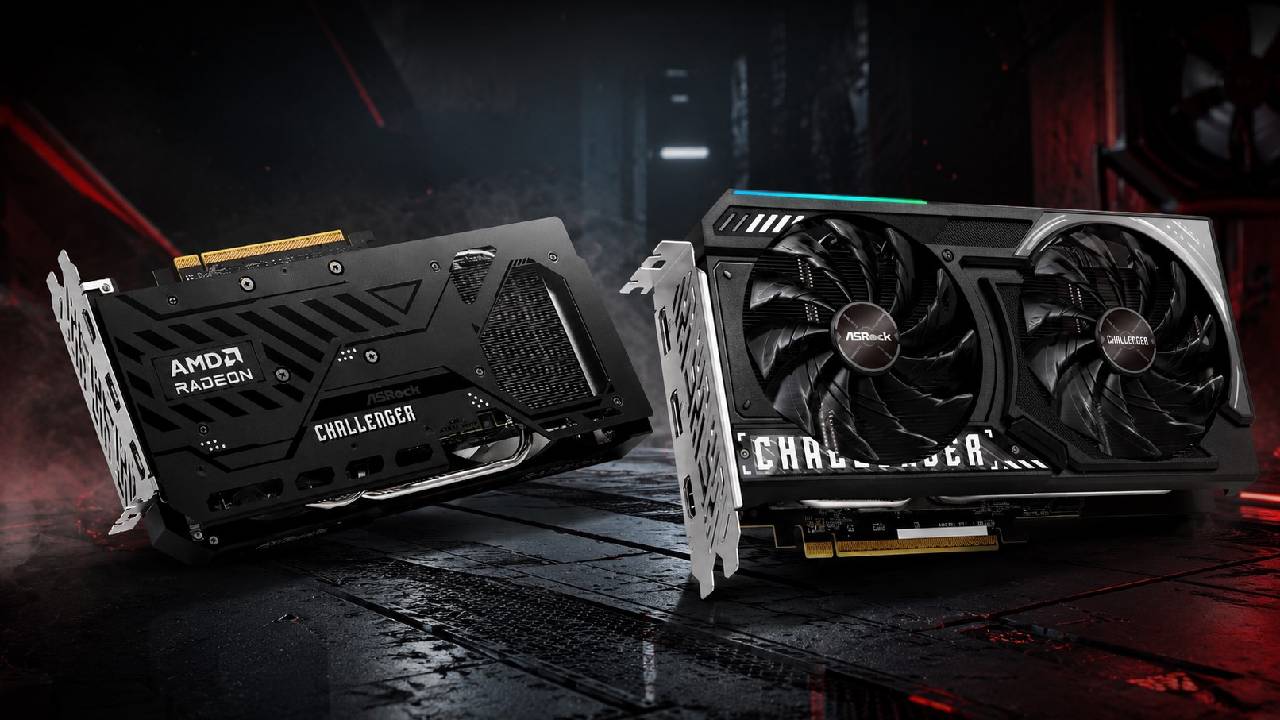
If this is true, we would have to wait even longer for a PC hardware recovery. PC hardware launches are already being met with skepticism because PC gamers have to deal with RAM, SSD, and GPU prices at their current levels. I would still like to think that NVIDIA might launch an RTX 50 Super series of graphics cards somewhere in the interim.
However, there has been zero recent news about the 50 Super series, and many still believe that lineup has been canceled. There would be little reason to launch a 50 Super series when a 5070 Ti can cost $1,200 or more, an RTX 5080 can cost around $1,600, and an RTX 5090 can cost $9,000 or more.
The current hardware market has also increased the value of older gaming systems.
AMD could still provide another option. The rumored 40-compute-unit variant of AMD's Navi 5X die is based on RDNA5, and GPUs based on it could, in theory, compete with the RTX 5080. It might still launch in 2027.
Blizzard's WoW Forever is based on a game engine from around 2005, making it an option for anyone still using an older gaming PC. Blizzard has increased the requirements slightly because of graphical improvements. The game requires support for RGB A16F UAV compute shaders, which includes most GTX 900 series NVIDIA cards and newer models.
With new GPU launches potentially pushed into 2028, rising component prices, and continued RAM and storage shortages, older hardware remains relevant. Extending the lifespan of existing systems and using older components can offer another way to navigate the current PC hardware market. At the same time, the industry waits for the next generation of products.
Editor, NoobFeed
Gaming Hardware Updates
No Data.