
Dead Space 4 Report Sparks Bigger Debate About Live-Service Games and the State of AAA Gaming
Players keep moving back toward single-player experiences while publishers continue chasing the next Fortnite-sized success story.
News by Mahi Araf on May 14, 2026
Gaming has started to feel exhausting for a lot of people lately. Nearly every major release seems tied to some kind of live service system, and most of the time that just means you are constantly being asked to spend more money after already paying full price for the game itself. At the same time, the cost of AAA games keeps climbing higher while players increasingly feel like the quality is dropping lower. Some games shut down within days of release, entire studios get closed after one failed launch, and publishers still continue pushing the same monetization-heavy formula.
That frustration has started pushing many players back toward single-player games and smaller indie projects. While there have still been a few standout AAA releases, the broader feeling across the gaming space is that many people would rather replay older classics or try new indie titles than invest in another massive live service game filled with battle passes and cash shops.
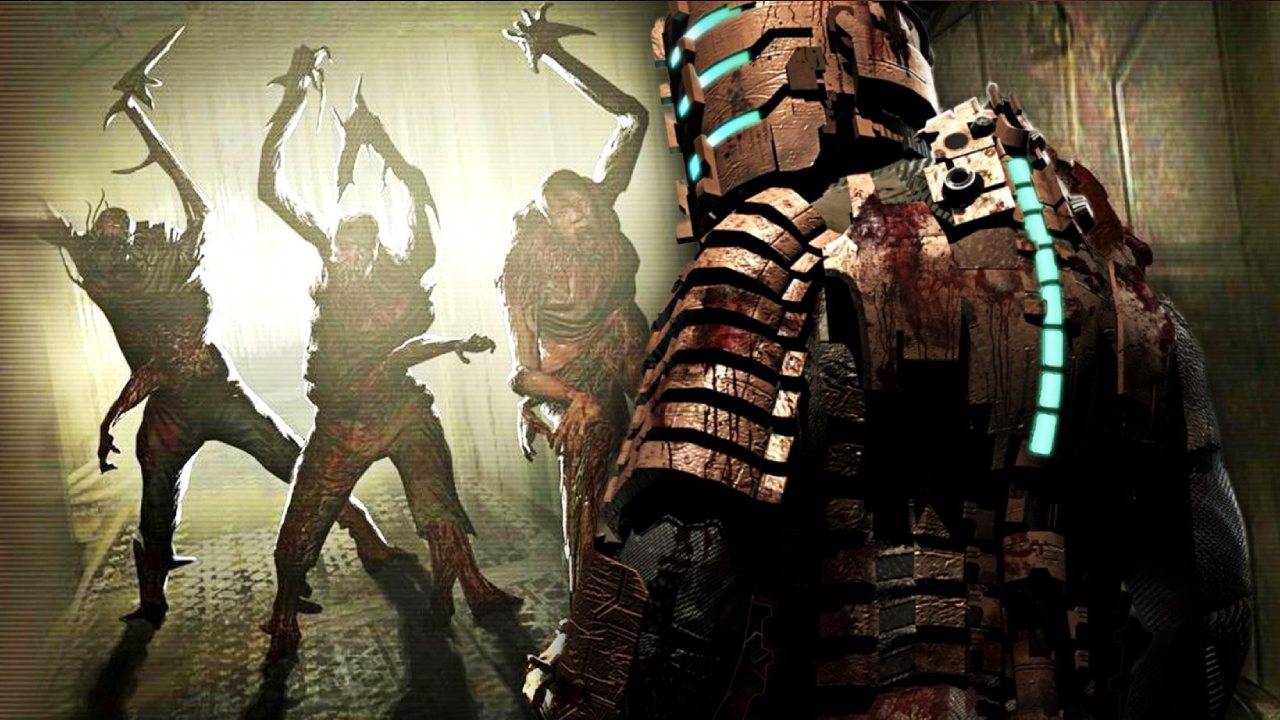
That discussion recently resurfaced after comments from former Dead Space writer and producer Chuck Beaver suggested that a fourth Dead Space game likely will not happen because the series is not built around a live service business model.
The comments came during an appearance on the FRVR podcast, where Beaver spoke about the current state of the industry and how companies now look for games that can generate ongoing revenue for years. According to him, publishers are focused on finding “the next Fortnite,” and traditional single-player releases without live service systems are increasingly seen as outdated from a business perspective.
That idea immediately clashes with what many players have been asking for over the last few years.
More and more gamers have grown tired of paying premium prices for games that immediately hit them with season passes, event passes, rotating stores, premium currencies, microtransactions, and cosmetic bundles the moment they launch the game.
You can see it almost everywhere now. Some premium editions cost another $50 or $60 on top of the base game, and that is before post-launch monetization even starts. Even sports games have begun inserting full advertisements directly into gameplay experiences while still charging for microtransactions on top of yearly releases.
A lot of players no longer see “live service” as a sign of quality or long-term support.
Instead, many associate it with endless monetization systems and slow updates that rarely address the biggest gameplay problems. Publishers market live-service games as evolving platforms with constant support, but critics say that most of the focus is on maintaining item shops and seasonal content cycles rather than improving the actual experience.
That shift is one reason older single-player franchises have become popular again. Many players are replaying series like The Elder Scrolls V: Skyrim, Mass Effect, and Assassin's Creed because they offer complete experiences without constantly interrupting immersion to ask for more money.
Dead Space has remained part of that conversation for years.
The franchise received new attention after the 2023 remake developed by EA Motive, but since then the series has gone quiet again. For fans hoping the remake would eventually lead to Dead Space 4, Beaver's comments felt like another sign that publishers may not see enough financial upside in traditional horror games anymore.
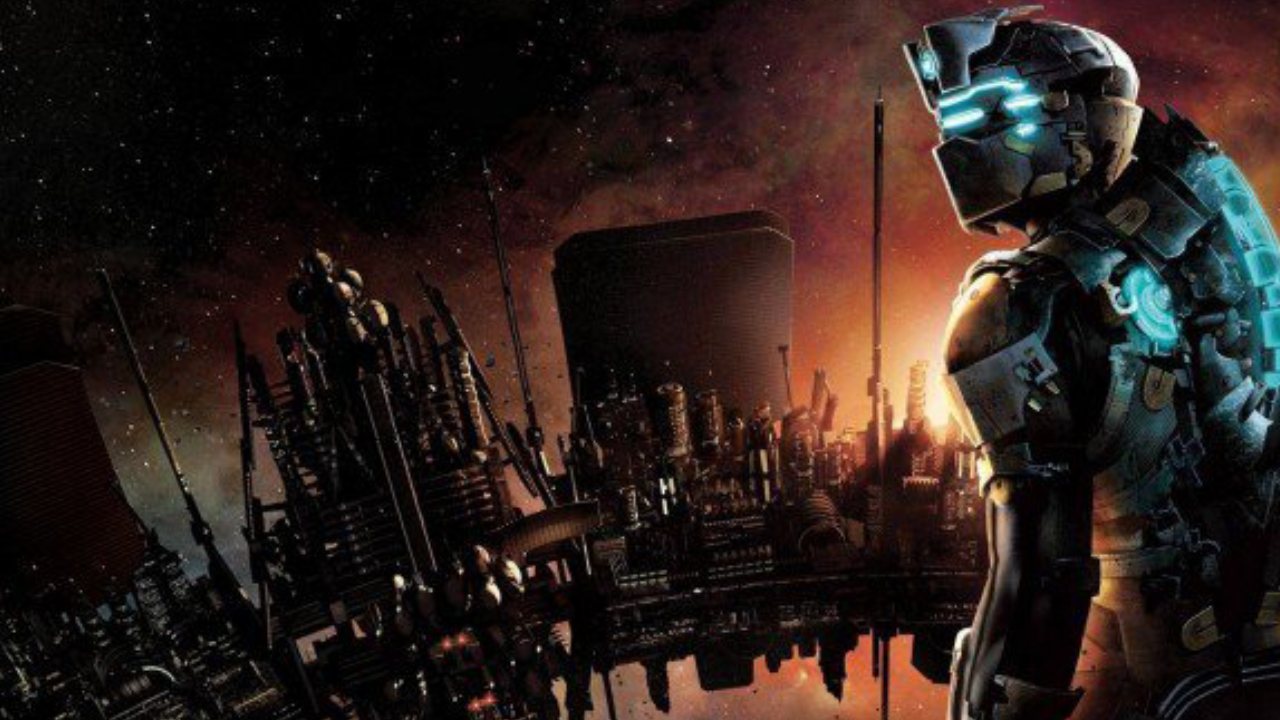
Beaver explained that development costs have increased to the point where a new Dead Space would likely need to sell well over 10 million copies to satisfy publisher expectations. He also pointed out that horror games traditionally have a sales ceiling compared to larger RPGs or multiplayer-focused games.
But many gamers don’t agree, believing that single player horror games can be successful. Games like Resident Evil 4 and the breakout success of Phasmophobia continue to show that there is still a strong audience for horror when games are polished and focused.
The bigger criticism aimed at the industry right now is not necessarily about developers wanting profits. It is about how heavily modern AAA development revolves around monetization first and gameplay second. A growing number of players believe publishers are approaching projects by asking how to maximize recurring revenue before figuring out how to make a memorable game.
That mindset has become especially noticeable with cosmetic pricing.
Years ago, small DLC packs and skins were usually inexpensive additions that expanded a game naturally. Now some multiplayer titles sell individual cosmetic bundles for prices higher than entire games used to cost. Games like Call of Duty: Black Ops 6 continue facing criticism over expensive operator skins and premium stores despite already charging full retail prices.
Meanwhile, indie games continue gaining momentum because players feel those projects are being built around creativity instead of monetization targets. Smaller studios with far lower budgets regularly release games that generate stronger word-of-mouth than many massive AAA launches.
Single-player titles also continue proving they can dominate the market when done properly.
Games like Kingdom Come: Deliverance II have generated major buzz, and even if they’re not based completely on live service systems, there are upcoming titles like GTA 6, The Witcher 4, and The Elder Scrolls VI that are some of the most anticipated projects in the industry.
One proposed compromise for a future Dead Space release would involve separating the single-player experience from the live service component entirely. Instead of forcing monetization into the campaign itself, a new Dead Space could deliver a traditional story-driven horror experience while also launching a separate multiplayer extraction-style mode.
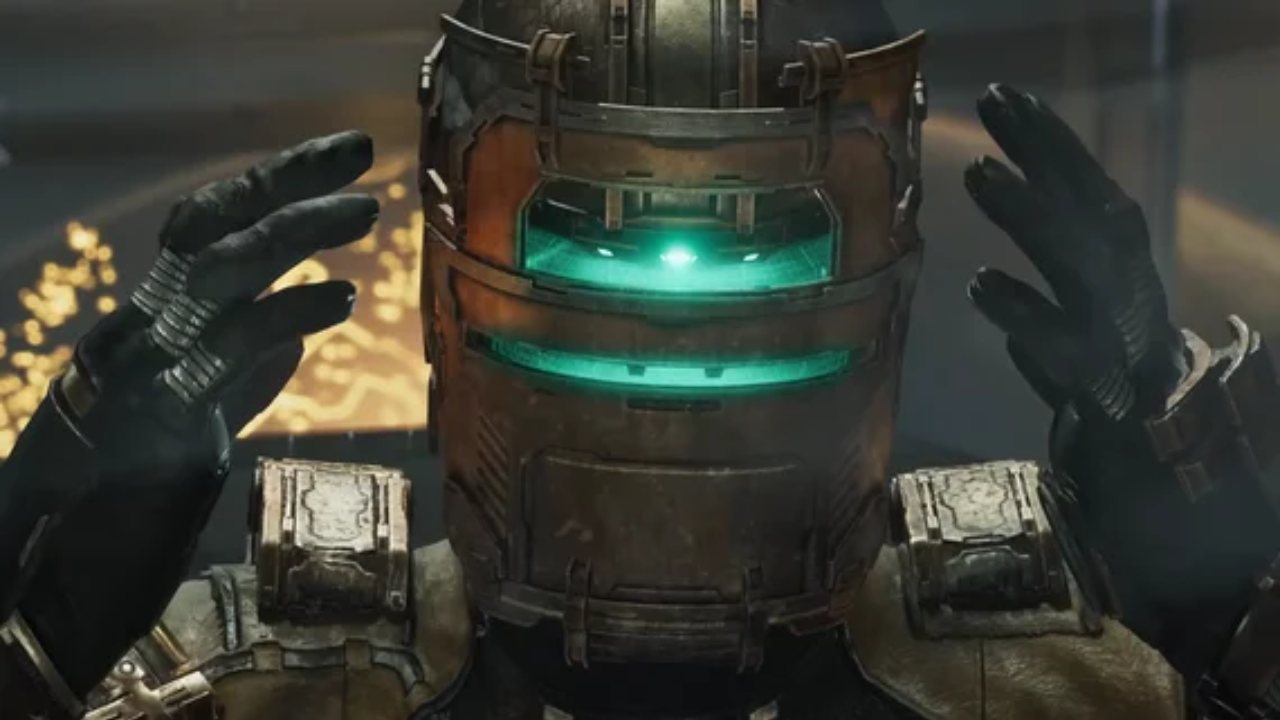
The idea would allow players to explore abandoned ships, gather resources, survive encounters with Necromorphs and other players, and slowly build their own spacecraft between missions. Additional updates may add more locations, new classes of ships, and the ability to level up more, while still maintaining the core single-player campaign.
Conceptually, it would give publishers the recurring monetization opportunities they want while still preserving the identity that made Dead Space popular in the first place. Whether that kind of hybrid approach would actually happen is another story entirely.
Right now, the conversation around Dead Space 4 feels less like a discussion about one franchise and more like a reflection of where the gaming industry currently stands. Publishers continue chasing massive live service hits, while many players increasingly just want complete games that respect their time, immersion, and wallets.
Senior Editor, NoobFeed
Related News
No Data.