
Why In-Game Microtransactions Keep Getting More Expensive
Other by Aisaka Taiga on Jul 21, 2026
Anyone who's bought a season pass or a currency bundle lately has probably noticed the numbers creeping upward. What used to be a $60 box price has splintered into dozens of smaller purchases, each one seemingly reasonable on its own but adding up fast over a game's lifespan. This isn't accidental. It’s a function of a conscious change in the way that publishers think about revenue.
Understanding the forces behind this can make sense of why prices keep climbing despite the fierce competition in gaming.

The Shift from One-Time Purchases to Live Services
Games used to be finished products. You bought them, played them, and that was largely the transaction. Live-service titles flipped that model entirely, turning games into ongoing platforms that generate revenue for years after launch.
That’s important because it changes the incentives entirely. Publishers aren’t optimizing for a single sale anymore, but for lifetime value – designing systems that incentivize recurring purchasing via cosmetics, currency packs and limited-time deals. A game that never officially “ends” can be monetized forever.
How Fast Payment Expectations Crossed Over into Other Digital Sectors
Digital gaming trained players to expect instant gratification from every transaction. That conditioning spread well beyond game launchers into how people expect all digital payments to feel. Digital game marketplaces like Steam complete purchases and deliver licenses instantly. Streaming platforms activate subscriptions the moment payment clears.
Esports betting platforms process wagers and confirm outcomes in real time. In online gambling, that same standard applies — platforms known for instant withdrawals process crypto payouts in seconds with no manual approval step. Every sector handling online payments is now building around that expectation.
Digital Currency Systems and Why They Obscure Real Costs
Virtual currencies exist for a reason beyond convenience. When a skin costs "1200 coins" instead of a clear dollar amount, the real cost becomes harder to track mentally. Buying currency in bundles that don't align neatly with item prices also nudges people toward spending slightly more than intended, just to avoid leftover balances.
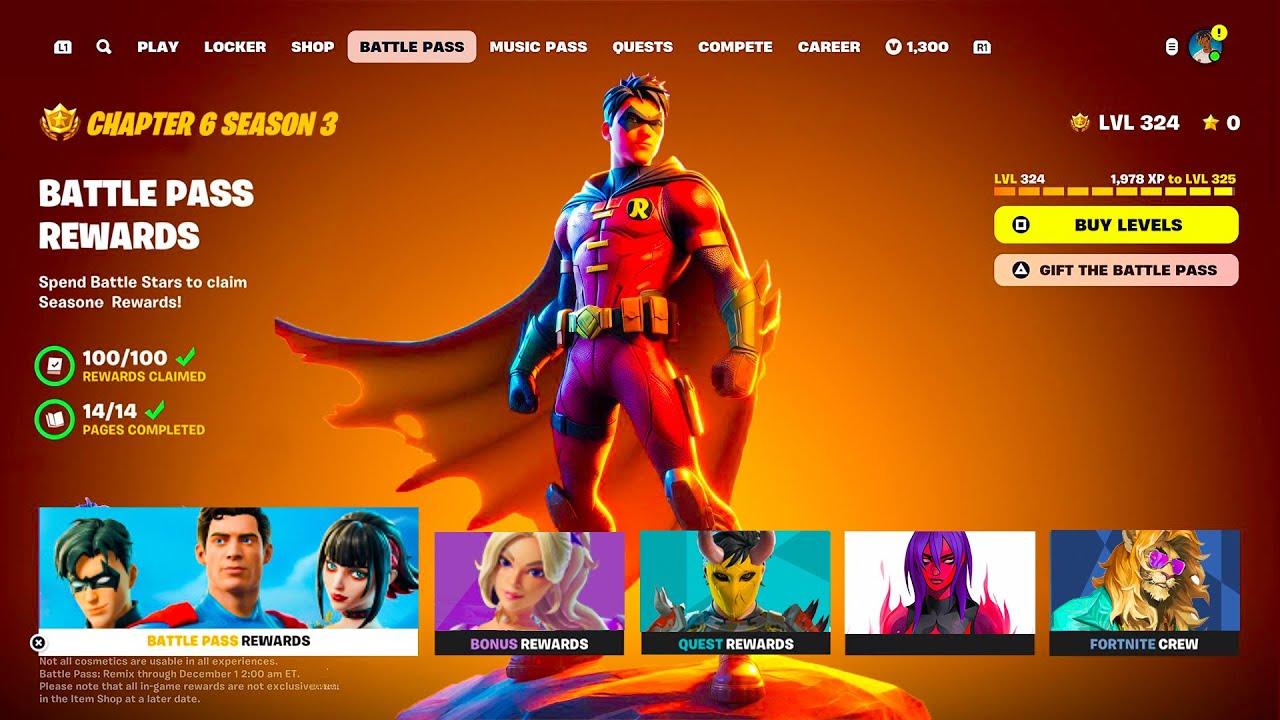
This isn't just anecdotal design theory anymore. Regulators have started paying closer attention to how these systems function. In 2024, the FTC said Epic Games will pay $245 million to settle allegations of misleading billing practices and unauthorized charges in Fortnite. That decision sent a clear indication that dark patterns in purchase flows are now fully on regulators’ radar, not just a design footnote developers can disregard.
What this Means for Gamers in the Future
The financial incentives driving this trend are not disappearing any time soon. Development expenses for large titles continue to rise, and revenue from live service has become crucial for financing years of content after launch, seasonal events, and ongoing support teams.
The market is still big enough to support this, with Newzoo estimating the global games market will hit $197 billion in 2025, underscoring how much publishers are chasing through recurring in-game spending rather than simply launch-day revenues.
The practical takeaway for players is awareness. When you understand why prices go up, and you know about design decisions that make spending feel less than it is, you are better equipped to make intentional decisions, rather than reactive ones. Battle passes, currency bundles, and cosmetic shops aren’t going away, but understanding the mechanics behind them at least makes it a little more even playing field.
The more transparent players become about how these systems work, the more pressure publishers may eventually feel to design them with a bit more honesty built in.
Moderator, NoobFeed
Latest Articles
No Data.