
PS6 Patent Reveals Sony's Possible New Cooling System
Sony's latest PlayStation 6 patent outlines a redesigned cooling approach that may replace the PlayStation 5 thermal solution.
PlayStation by Masaru Hoshino on Jul 21, 2026
Sony's next-gen PS6 is still a few years away from release, but new patent filings are offering an early glimpse into what the company has planned for its hardware. Patents should never be taken as assurance that a finished product is on its way, but they often provide clues about the technologies manufacturers are actively studying.
A recently unearthed Sony patent suggests a new cooling system design, possibly moving away from the liquid metal approach used in the PS5 to a more traditional thermal design.
.jpg)
Sony Appears to Be Exploring a New Cooling Design
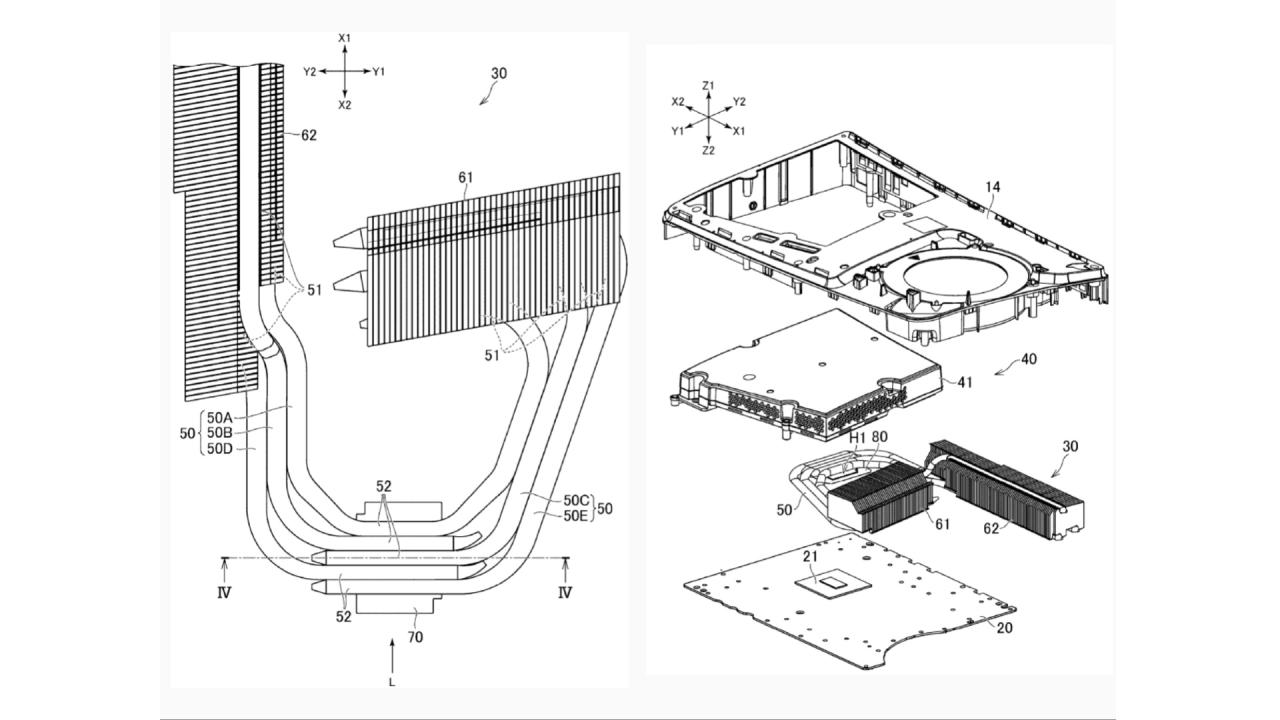
A recently discovered Sony patent has drawn attention for seemingly outlining a different cooling solution for the PS6. The patent, filed in the US, includes several technical drawings resembling a PlayStation console. While the illustrations look somewhat similar to the PlayStation 5, that does not necessarily indicate the final appearance of the next-generation system.
Instead, the more interesting aspect of the patent is the internal cooling layout. The documentation describes a heat pipe housing that extends above the motherboard and is connected to a heat dissipation structure. It also references heat pipes with a centered body layer formed by laminating powdered metal onto the inner wall of the tubing.
According to the patent, the working fluid inside these heat pipes could be something as simple as water. Taken together, the design appears far more traditional than the cooling approach currently used inside the PlayStation 5.
The PlayStation 5 Took a Different Approach
When Sony launched the PlayStation 5, one of its standout engineering features was the use of liquid metal as the thermal interface material between the custom AMD APU and the cooling system. Overall, the console has not developed a reputation for unusually high failure rates. While some owners have reported hardware issues over the years, widespread reliability problems have not become the norm.
Some reports have suggested that HDMI ports can occasionally become problematic, although accidental damage is always difficult to separate from genuine hardware defects. There have also been occasional reports involving the liquid metal itself. Many long-term PS5 owners, however, have experienced no issues at all, even after using their consoles for years.
The Patent Does Not Confirm Sony's Final Plans
Although the newly discovered patent has led to headlines claiming that Sony is abandoning liquid metal cooling, that conclusion should be treated with caution. A patent is simply the record of an idea or engineering concept that a company wishes to protect. It doesn't ensure the technology will find its way into a commercial product.
Even when a patented design eventually reaches consumers, it often changes during development. The features could be altered, simplified, or abandoned before mass production starts. So it would be wrong to say this patent is conclusive evidence that the PS6 would ditch liquid metal cooling entirely. Instead, the patent is just evidence that Sony is actively pursuing other thermal solutions.
Manufacturing Costs Could Play an Important Role
One reason could be manufacturing expense, and the revised cooling system may be the answer. Every console manufacturer's primary goal is to reduce the bill of materials.
Even relatively small savings add up when multiplied across millions of units. That doesn't sound like much for a single console, but when production volume approaches 10 million, 30 million, or even 80 million units, a part that costs only a few dollars less can add up.
Sony could also be considering the long-term dependability and repair costs, not just production costs. A new cooling technology, if it can reduce production complexity while preserving thermal performance, could be an attractive choice for the next console generation.
Reliability May Also Influence Future Designs
Thermal design is about more than simply keeping a processor cool. A cooling system must remain effective over many years of operation while surviving transportation, storage, and everyday use in a wide range of environments.
If Sony believes an alternative heat pipe solution can provide similar or better performance with fewer manufacturing challenges, it would make sense for the company to investigate those possibilities well before the PS6 enters production.
That does not necessarily mean liquid metal has failed. Rather, it represents the ongoing drive to streamline production, decrease expenses, and boost efficiency at every turn.
PlayStation 6 Expected to Benefit from AMD Zen 6
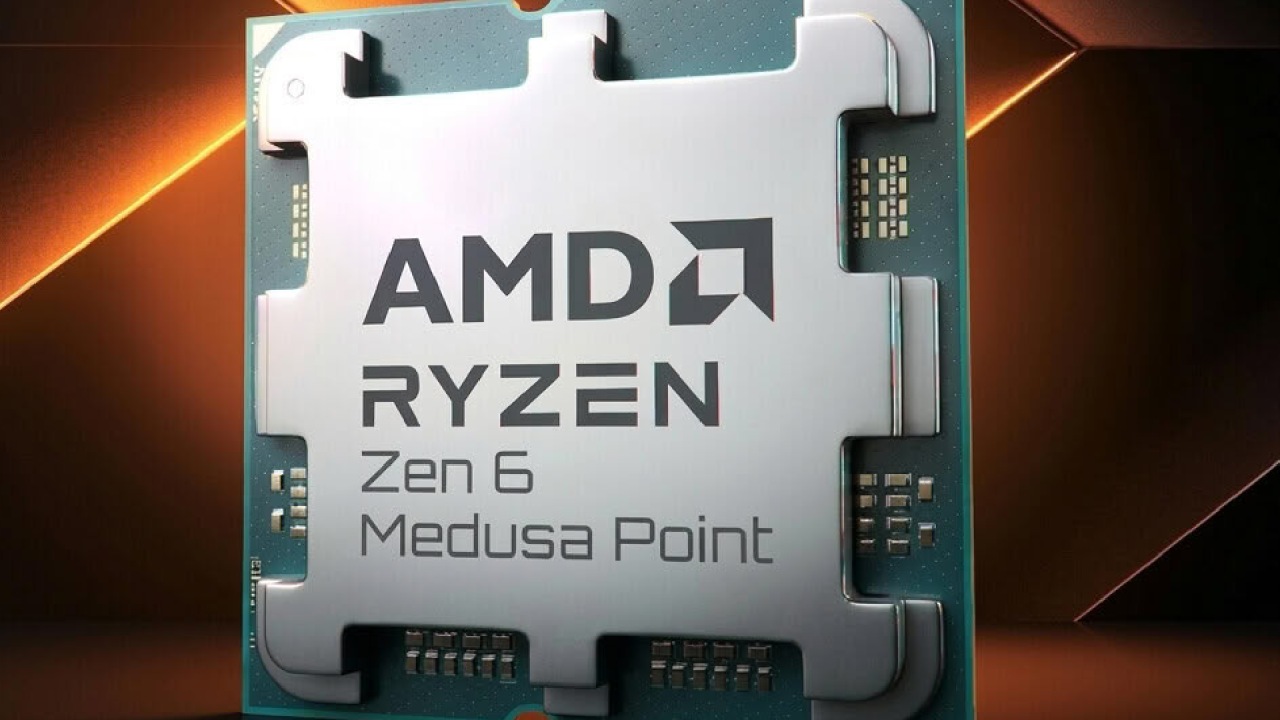
The cooling patent is especially noteworthy given we expect the PlayStation 6 to be powered by AMD's next-gen Zen 6 CPU architecture in its bespoke APU. If the next-gen processor delivers the performance gains hinted at by early Zen 6 benchmarks, Sony will also need an effective cooling system to handle the extra processing power while keeping noise down.
Whether that ultimately means liquid metal, traditional heat pipes, or a combination of the two is unclear.
More Questions Than Answers Remain
There are still far more questions than answers about the PlayStation 6 at this stage. The new patent offers an interesting glimpse into one possible direction Sony is considering, but shouldn't be taken as the final hardware design for the console.
Companies often patent ideas that never become products, and others get changed a lot before they reach consumers. For now, the filing only shows that Sony is still looking at ways to cool its next-generation platform. As work progresses and more information is revealed, a clearer picture of the PlayStation 6's final design will emerge.
Editor, NoobFeed
Latest Articles
No Data.