
Death Stranding 2 Redefines Visual Realism While ARC Raiders Shakes the Shooter Landscape
One game uses quiet, size, and unsettling realism, while another becomes an instant hit in the industry thanks to polish, performance, and surprise victory.
News by Nusrat Choity on Dec 31, 2025
Death Stranding 2 has a big jump in video game effects. It shows what can be done when reality is used as an artistic tool instead of a marketing checkbox. According to the sources, Kojima Productions has used the Decima engine to make images that look more like a simulation of real life than a video game.
The world doesn't want to be normally pretty. Rather, it feels real. The weather, people, and movement all affect the terrain, making it look and feel like it really does exist. Rain changes the structure of the ground, mud changes shape when it's pushed on, and lighting changes in small ways as conditions change, which changes how visible something is and how the scene feels overall.
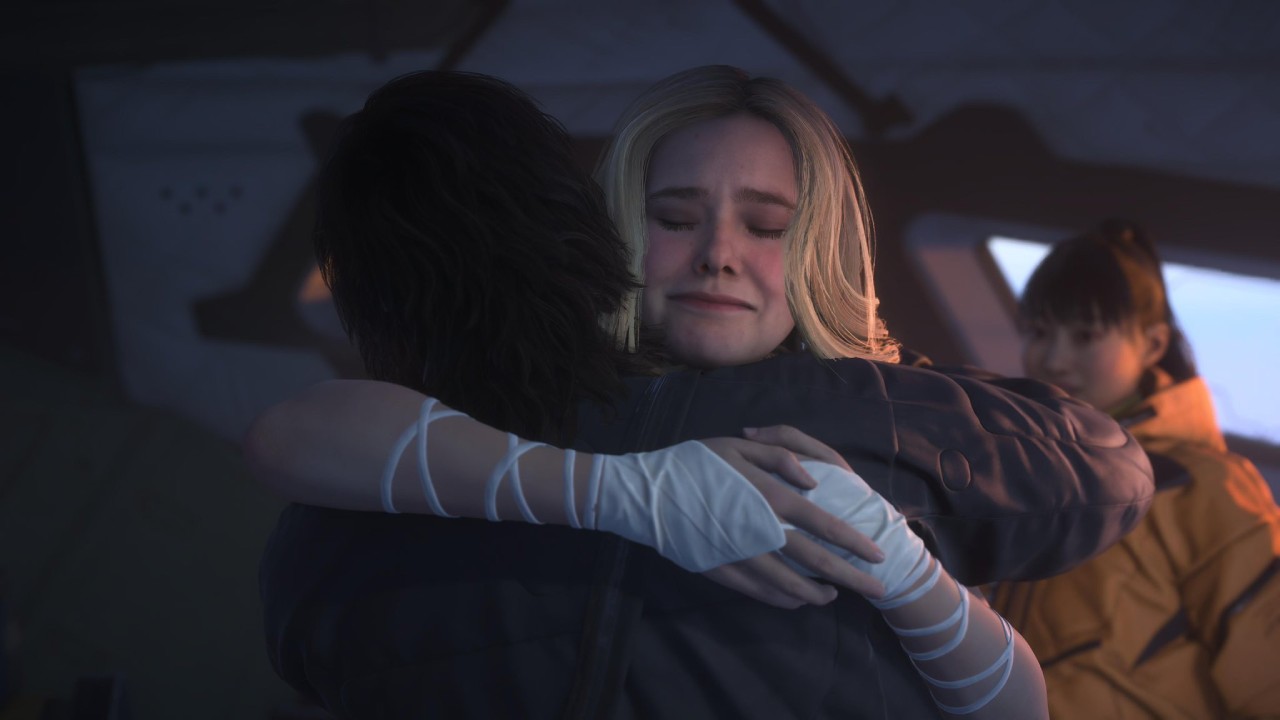
One of the most noticeable changes in the graphics of Death Stranding 2 is the amount of detail in the characters. According to the sources, the realism of face animations has become a bit creepy. In close-up shots in movies, micro-expressions, eye movements, and small amounts of muscle strain can be seen.
This makes characters seem more like real actors than computer-generated models. The game's heavy use of close-up shots makes this effect even stronger because it doesn't give players the chance to hide their flaws. Clothes, skin, and the surroundings all have an effect on each other. This gives a stronger impression that all of these things follow the same physical rules.
Instead of using unrealistic, stylized exaggeration, the game focuses on realism, even when it makes things feel uncomfortable.
Lighting design sets Death Stranding 2 even more apart from similar games. The game doesn't use flashy visual tricks that are only meant to look cool, according to the reports. It is based on natural lighting concepts instead. When the sky is cloudy, it makes the colors in the scenery less bright. Fog that is heavy and thick rolls through the valleys, and when the sun is out, it shines brightly off wet surfaces.
In real night scenes, it's really dark and quiet, and they look spooky. Instead of brightening the whole scene for the player, they let shadows appear. This careful method makes a grounded mood that fits with the game's themes of isolation and weakness, as well as making connections with others in a harsh world.
Scale and nothingness are still important to what Death Stranding 2 is. According to the sources, vast landscapes are deliberately empty and have long stretches where nothing happens. But these empty places aren't being wasted. They make players feel small, alone, and weak, using empty space to tell strong stories.
It becomes even more noticeable when surreal things show up all of a sudden, like weird tech, creatures that don't make sense, or scenes that look like they're from a dream. When grounded reality and abstract insanity clash, it creates moments that are uniquely unsettling.
Along with weighted character animations that focus on balance, battle, and physical consequence, Death Stranding 2 presents itself as a sure, planned experience that doesn't follow trends. The game clearly doesn't care what others are doing in the gaming world. In a field that loves steady stimulation, could this calm intensity change how deeply involved we are?
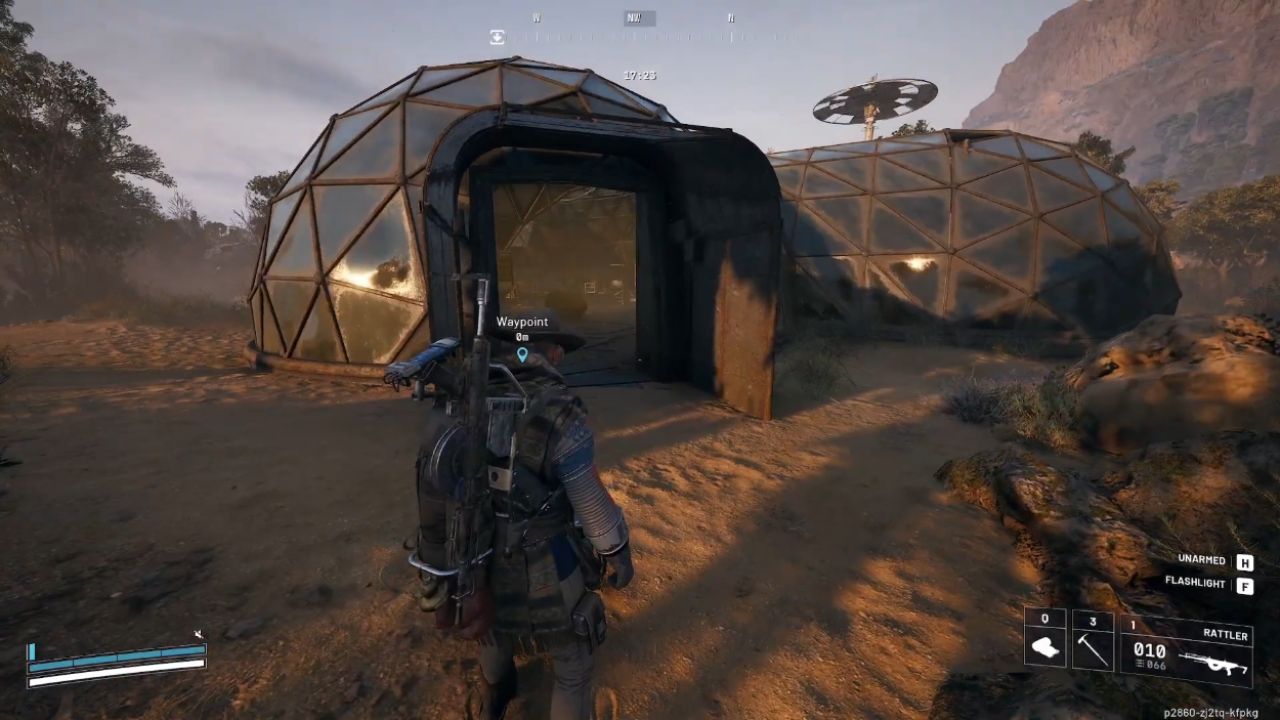
Death Stranding 2 moves forward slowly and carefully, but Arc Raiders came out of nowhere, like a lightning hit. According to reports, many people in the industry were surprised when it launched because it gave live-service extraction shooters a level of visual polish and technical steadiness that is not common.
Arc Raiders is based on Unreal Engine 5 and has settings that are industrial, sad, and broken, but also kind of pretty.
The lighting is clear and easy to read, fog and dust move through places naturally, and the skyboxes are so detailed that they get noticed even during high-stakes situations. It's a game where players apparently stop a raid in the middle to take in the scenery, which is an unusual reaction for this type of game that is based on constant tension.
Arc Raiders' technical success has been one of the game's most unexpected features. According to reports, the game had a lot of frames, stable speed, and little stutter when it first came out on PC and consoles. In a time when a lot of multiplayer games come out with claims of future fixes, Arc Raiders supposedly gave players a good experience from the very beginning.
This can be relied on, which has helped it become popular so quickly, and players can focus on gaming instead of fixing problems. As a result, there is a feeling of trust, which is becoming less common in new live services.
Arc Raiders has also gotten a lot of attention for its sound design. According to the experts, audio is not just immersive; it's also very important to gameplay. Gunshots show where they came from and where they're going. Echoes can tell you how far away they are. The scary, mechanical noises of enemy machines mean danger long before you can see them.
Players can apparently use sound alone to keep track of firefights and threats, making audio cues very important for staying alive. With this level of audio clarity and purpose, the game has become a possible reference point for future shooters.
The reaction from the community has made Arc Raiders' momentum even greater. According to the sources, people didn't just try out the game and then leave; they stayed. People quickly spread the news, and social media sites were soon filled with clips, stories, and shared experiences. Arc Raiders built its audience naturally, without using fake hype or influencer efforts.
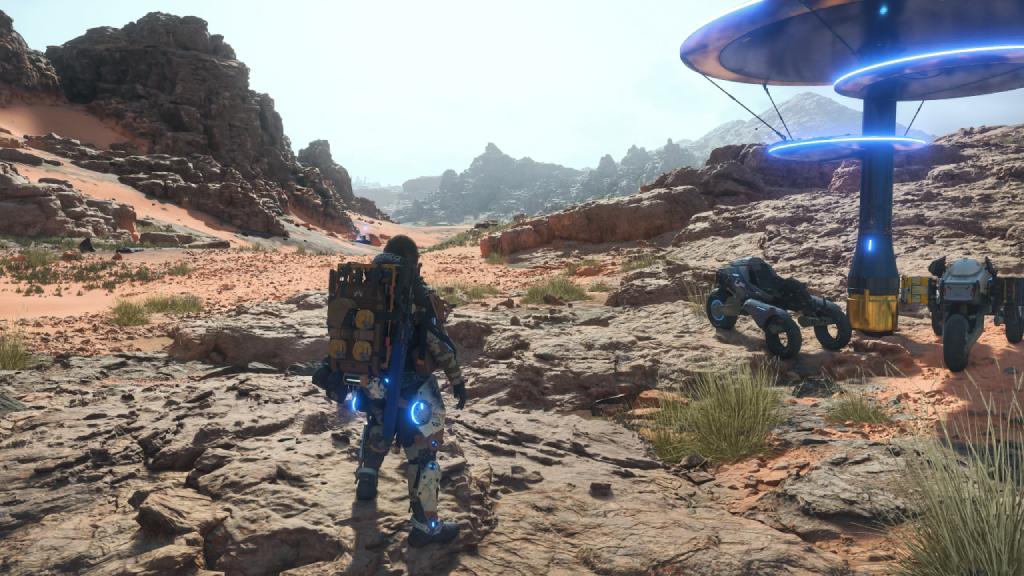
Sales were higher than the company expected, even higher than predictions, and player engagement stayed high long after the start.
It was a big deal when Arc Raiders allegedly had more players than Battlefield 6, which was a surprise to many. According to these sources, this achievement caused a lot of shock in the business. A new IP from a little team did better than one of the biggest shooter names in the world, and they didn't have to worry about a long-running franchise.
This success has been linked to fair monetization methods, useful progression systems, and a focus on skill-based tension instead of too much chaos. Players are paid for getting better and staying alive instead of being forced to pay a lot of money or grind for a long time.
In modern game creation, there have been two big changes, one shown by Death Stranding 2 and the other by Arc Raiders. The first is a big change in story and gameplay, and the second is a big change in how games are made and played. One emphasizes mood, reality, and emotional impact by using calmness and assurance as tools.
The other shows that live-service games can still come out looking good, with respect, and be finished. According to the sources, both titles show that players are increasingly looking for authenticity, whether it comes from scary solitude or carefully created tension in multiplayer mode. As these games keep shaping talk and expectations, are they signaling a bigger change in the industry toward quality, vision, and trust instead of noise and spectacle?
Contributor, NoobFeed
Related News
No Data.