
DLSS 5 Demos Show AI Reshaping Game Art Styles
NVIDIA’s latest push into AI-powered game visuals is drawing criticism as leaked demonstrations appear to show characters and environments losing their original artistic identity.
News by Adeela Tas on Aug 29, 2026
NVIDIA’s latest attempt to push AI deeper into game graphics is quickly becoming one of the more controversial developments in PC gaming. DLSS 5 was originally presented as another step forward for improving the visual quality of games, but leaked demonstrations have given players a very different impression of what the technology actually does.
Earlier versions of DLSS had a fairly easy-to-understand purpose. They were designed to help less powerful hardware run demanding games by reconstructing images from lower resolutions and, later, generating additional frames. Those features could improve performance while largely leaving the developer’s original visuals alone.
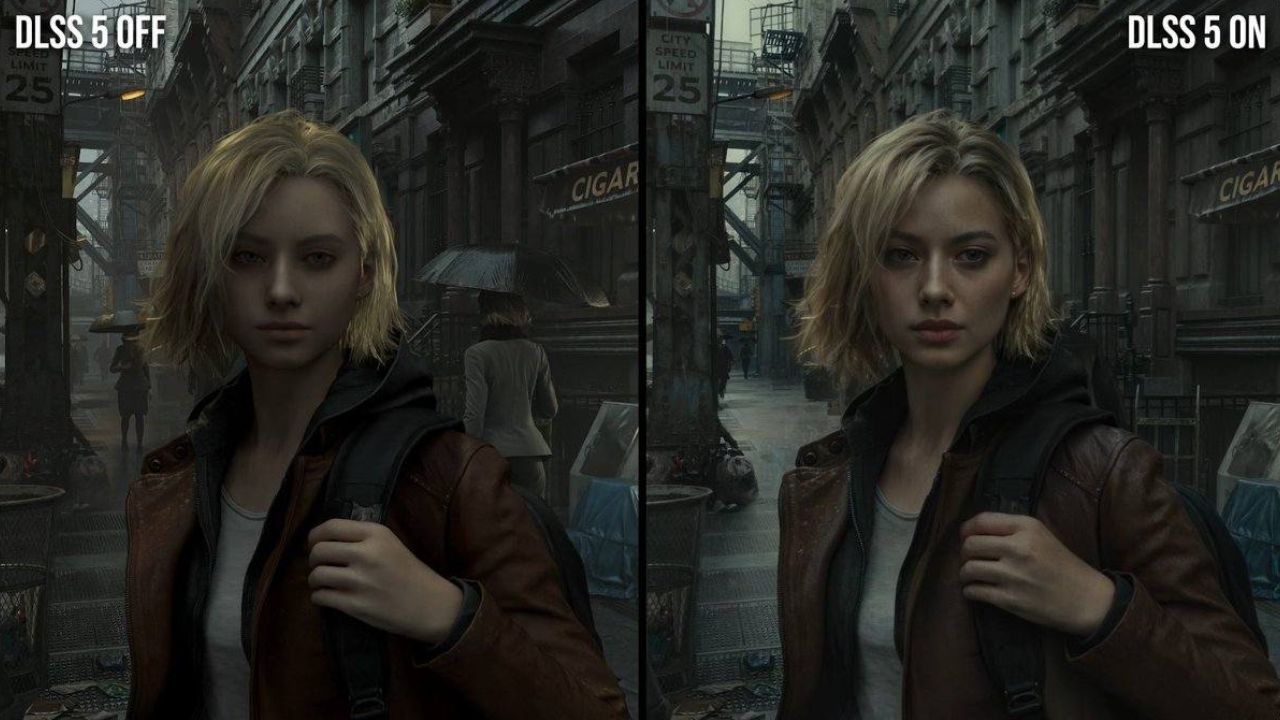
With DLSS 5, however, the technology appears to go much further.
Rather than simply reconstructing what is already on screen, it introduces an AI-driven visual treatment that can change characters, lighting, and other aspects of a game's presentation. You can see the issue immediately with Grace Ashcroft from Resident Evil Requiem.
NVIDIA's original demonstration compared the character without the technology against the version with it enabled. Instead of simply making Grace sharper or clearer, the AI changes her appearance enough to make her feel like a different interpretation of the same character.
Her facial features become more polished and conventionally glamorous, creating what many people have described as a "yassified" version of the character. The same kind of change can be seen elsewhere in the demonstration, making the criticism difficult to dismiss as a single unusual result.
The controversy became even more interesting after an early-access release of NBA 2K27 reportedly included a DLL containing the relevant technology. That file subsequently allowed modders to experiment with the system in other games.
Among the earliest widely published examples was Control, but there have since been many more experiments carried out with various other games.
No longer were people solely interested in NVIDIA's own examples; now, they could observe what had occurred when the technology was used on games not created for that purpose. Those experiments reinforced the impression that DLSS 5 functions much like an AI filter. The Control comparison is particularly revealing. With the technology disabled, the game retains its original visual presentation.
With it enabled, highlights become more pronounced, shadows become heavier, and surfaces take on a smoother, more artificial appearance. The image can initially look more detailed, but there is also something strangely familiar about it. The same combination of intense lighting, darker shadows, and overly polished surfaces appears across different games.
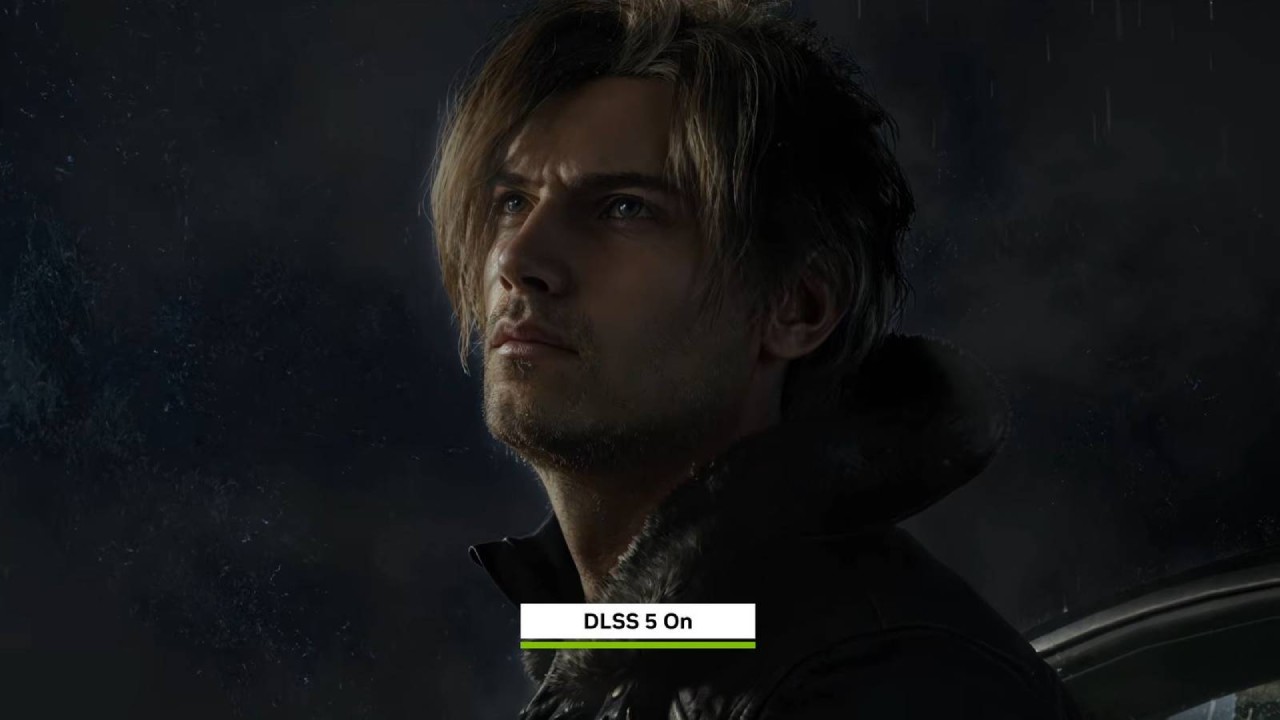
That creates one of the biggest complaints surrounding the technology: everything starts looking as though it has been processed through the same visual pipeline. You can see a similar problem in Cyberpunk 2077. There are certainly elements that appear more photorealistic, but increasing realism doesn't automatically make an image more attractive or coherent.
A game has an existing visual language, and changing individual elements can disrupt the relationship between its characters, environments, lighting, and animation. The problem becomes even more obvious with Final Fantasy VII and Cloud.
Cloud is one of gaming's most recognizable characters, with a deliberately stylized appearance.
Turning his model into something resembling a real person doesn't necessarily make him look better. Instead, the result can resemble somebody dressed as Cloud rather than the actual character. That is where the argument over DLSS 5 becomes bigger than simply whether the technology produces technically impressive images.
Visual quality isn't determined entirely by realism. Artists make deliberate choices about character proportions, materials, lighting, colors, and animation, and those decisions are supposed to work together. An AI system that pushes everything toward the same definition of realism can interfere with those choices.
Older games make the problem even easier to spot. Grand Theft Auto: San Andreas was designed around hardware limitations and a very different graphical style. Its character models and environments were never created with modern photorealistic lighting in mind.
When the technology is applied to the game, the lighting and surfaces can become more realistic, but the underlying geometry hasn't suddenly become a modern asset. You therefore get a strange combination of old-fashioned character models and modern-looking lighting.

The result doesn't necessarily look like a properly remastered San Andreas.
Instead, it can look as though a realistic visual treatment has simply been placed over the original game. That demonstrates why art direction matters so much. A game's visual fidelity isn't just about adding more detail. The animation, character design, lighting, and environments all have to remain cohesive.
The same criticism applies to Grand Theft Auto V. Turning on the technology can make certain parts of the image appear more realistic, but the overall presentation can take on that same homogenized appearance found in other demonstrations.
Place images from several different games next to each other, and you can begin to see the similarities. Despite coming from completely different developers and artistic directions, they can share the same polished skin, intense highlights, deep shadows, and synthetic-looking lighting.
This is where the criticism of the AI filter becomes especially important. The problem isn't merely that the system changes an image. It's that it appears to have a preferred visual style that it repeatedly applies regardless of what the original game was trying to achieve.
In the case of AI-generated pictures and movies, the same observation can be made.
Two very different subjects may have the exact same lighting, facial features, and artificial quality. The subject has changed, but the underlying aesthetic is easily recognized. Critics believe that DLSS 5 is running into that same limitation. The technology can make an image more realistic, but it doesn't necessarily understand why a developer chose a particular art style in the first place.
That distinction is important because photorealism isn't automatically the highest possible form of visual quality. A stylized game can look better precisely because it isn't realistic. Exaggerated character proportions, unusual lighting, and simplified materials can all be intentional parts of a game's identity.
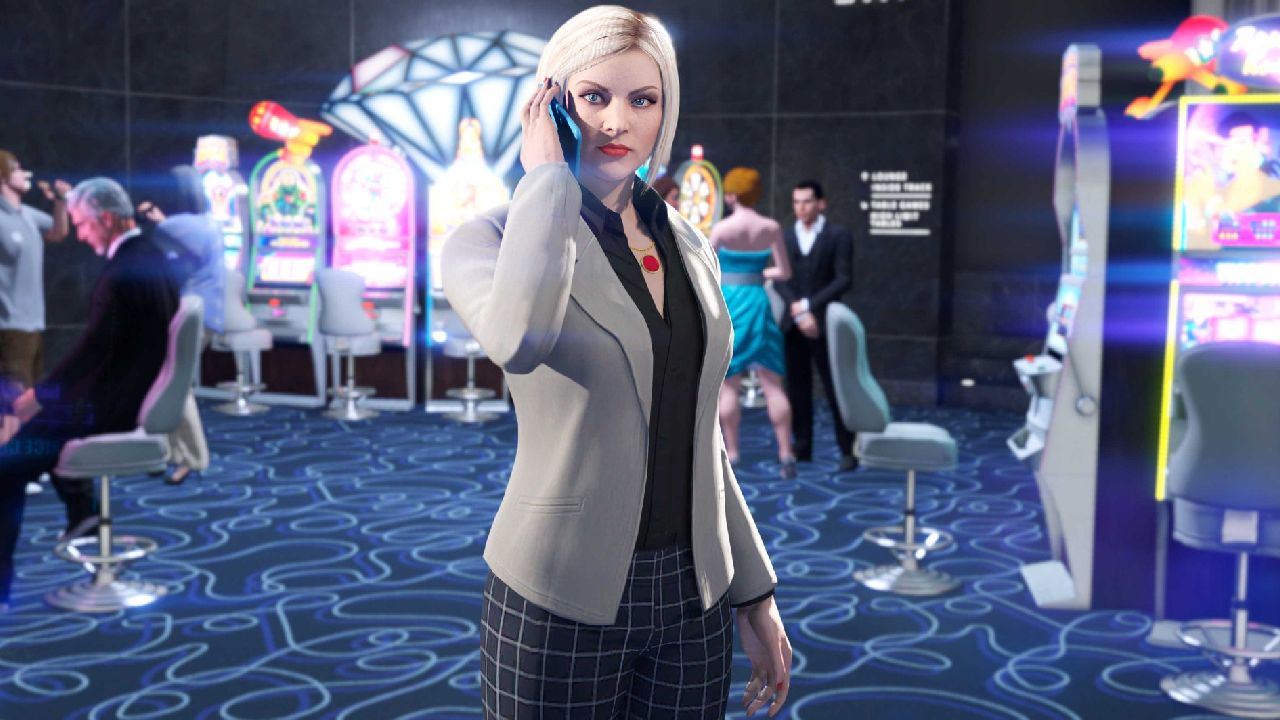
If those choices are replaced with a standardized AI interpretation, you can technically get more realistic visuals while ending up with a less interesting game. There is also the question of performance. Reports surrounding the leaked experiments have claimed that some games experience substantial performance losses when DLSS 5 is enabled.
One example reportedly dropped from around 71 frames per second to roughly 35 frames per second.
That's approximately a 50 percent reduction. For a technology designed to improve the visual experience, that creates an unusual trade-off. You could potentially lose a significant amount of performance while receiving a visual treatment that changes the game's appearance in ways you may not actually want.
Previous iterations of DLSS had an easier sell. With upscaling or frame generation, you could enhance performance and visual experience without altering the fundamental aesthetics of the game. The new approach is much harder to separate from what you're actually looking at.
The leaked demonstrations have also complicated NVIDIA's argument that the technology shouldn't simply be considered an AI filter. NVIDIA has described the system as something more sophisticated, but once people began experimenting with the leaked version in different games, they could compare the results outside of an official showcase.
And those results have not done much to quiet the criticism. Instead, they appear to strengthen the argument that the technology has a specific idea of what a "better" image should look like: more realistic lighting, stronger highlights, darker shadows, smoother surfaces and more conventionally realistic characters.
The problem is that games aren't all supposed to look like that.
A major part of gaming's visual appeal comes from the fact that different developers create different worlds. One game can be colorful and stylized, another can be gritty and realistic, while another can intentionally look like an animated film.
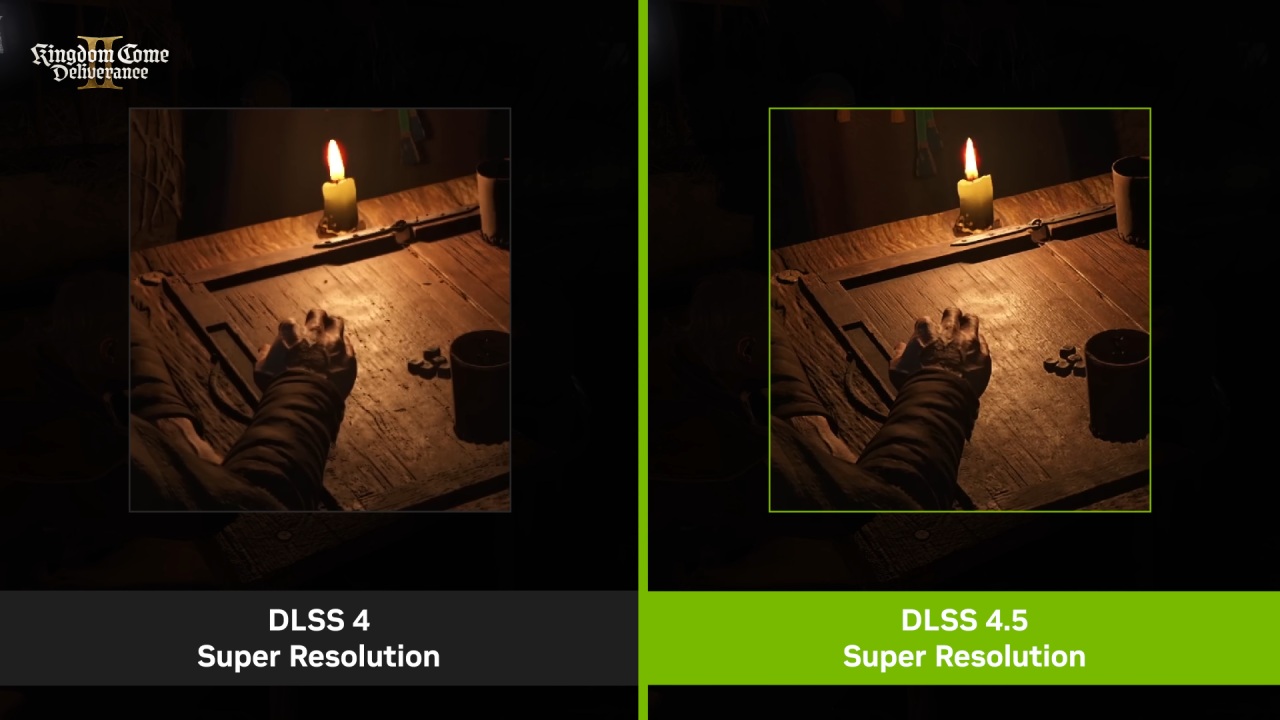
When the same AI treatment is applied to all of them, some of that individuality can disappear. That is ultimately why DLSS 5 has generated such a strong reaction. The technology may demonstrate impressive AI capabilities, but technical sophistication doesn't automatically translate into better artistic results.
You can increase lighting complexity and perceived realism while simultaneously making a game feel less cohesive. You can make a character's face look more realistic while making the character itself less recognizable. You can add detail while taking away some of the visual decisions that made the original game distinctive.
And that is the core problem with DLSS 5. It is not about making every game as photorealistic as it can possibly be. It is about improving the image while keeping in mind what the developers have made. If the leaked results are representative of the final technology, then the biggest challenge won't be convincing people that AI can change game visuals. It will be convincing them that those changes actually make the games better.
For now, the experiments have created the opposite impression. Rather than preserving the individuality of different games, the technology can make them feel like variations of the same AI-generated aesthetic. That may represent an impressive technical achievement, but gaming has never been about realism alone. The best visuals are the ones where technology and artistry work together, rather than one overwhelming the other.
Editor, NoobFeed
Related News
No Data.