
LEGO Batman: Legacy of the Dark Knight Might Be the Perfect Size for a Modern LEGO Game
The latest launch trailer has fans looking closely at the game’s length, co-op gameplay, and its approach to Batman’s long history across movies and games.
News by Tahmid Mahi on May 08, 2026
The final launch trailer for LEGO Batman: Legacy of the Dark Knight has arrived, offering players a clearer idea of what TT Games aims to accomplish with its next major LEGO title. The footage does not just focus on action or quick comedy moments. Instead, it leans heavily into Batman’s history, pulling from multiple eras and recreating scenes that longtime fans instantly recognize.
This includes classic versions of Gotham City as well as moments inspired by modern Batman films. The trailer makes it clear that the developers designed this game as a celebration of the character rather than a simple adaptation of a single storyline. The trailer represents many Batman eras throughout the campaign, making it one of the biggest talking points.
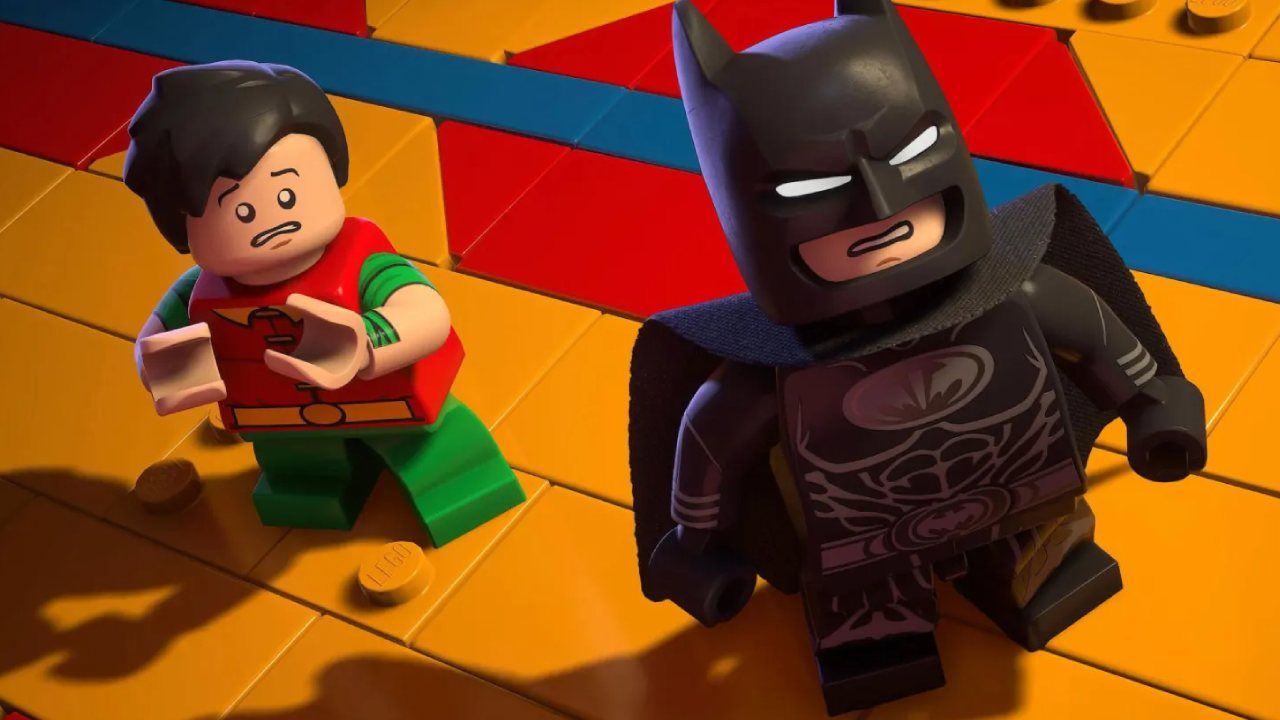
You can spot familiar visual references tied to different actors, movies, and interpretations of Gotham, and that wider approach immediately gives the game a larger sense of scale. A scene inspired by Heath Ledger’s Joker walking away from the hospital explosion quickly became one of the most talked-about moments online.
Even in LEGO form, the developers appear to be putting real effort into recreating iconic Batman scenes while still keeping the series’ lighter tone intact.
That combination of nostalgia and humor has always been a major reason LEGO games continue to work, but Legacy of the Dark Knight looks like it is trying to go further than previous Batman entries. Instead of focusing on one version of Batman or a single timeline, the game seems interested in bringing together multiple generations of the franchise.
That gives the story a crossover feel, similar to what fans saw in movies like Spider-Man: No Way Home or The Flash, where different eras and versions of characters coexist. For Batman fans who grew up with different films, cartoons, and games, that idea alone is already making the project feel bigger than a normal LEGO release.
The trailer also gave players a better look at the game’s co-op features, particularly the split-screen gameplay. While earlier previews focused more on combat, exploration, and cinematic scenes, this latest footage finally spent more time showing how two players can move through levels together. Co-op has always been a defining feature of LEGO games, so seeing it featured more prominently was important.
It also reassures long-time fans that, despite the bigger scale and more cinematic presentation, the core LEGO experience is still there. Outside the trailer itself, one older detail about the game has suddenly resurfaced. Reports that originally surfaced months ago claimed that LEGO Batman: Legacy of the Dark Knight would feature a main story lasting around 15 hours.
The information came from LEGO Games News back in December, although many people either missed the report at the time or simply forgot about it until now. As excitement around the launch grows, the story length has become part of a larger discussion surrounding what players expect from modern single-player games.
The reported campaign length has already sparked debate online.
Some players feel that 15 hours is short for a major release in 2026, especially as games continue to grow larger and pricier. Others believe it is actually the perfect size for a LEGO game, especially when compared to projects that become bloated with repetitive side content.
.jpg)
That same conversation recently surrounded 007 First Light, where parts of the gaming community argued over whether a 20-hour action-adventure campaign should still be considered enough. The reality is that LEGO games have never relied on lengthy campaigns. If you look back at earlier entries in the Batman series, the original LEGO Batman averaged around 10 hours for the main story.
LEGO Batman 2 landed closer to nine hours, while LEGO Batman 3 pushed back toward 10 again. From that perspective, a 15-hour story for Legacy of the Dark Knight would actually make it the longest LEGO Batman campaign TT Games has produced so far. That context matters because expectations around game length have changed dramatically over the last decade.
Many players now associate value with the number of hours listed on the back of the box, even if a large portion of those hours comes from repetitive objectives or unnecessary filler. Open-world games, especially, have contributed to that mindset, with some modern releases demanding 80 to 100 hours of completionist playtime.
While there is certainly an audience for those giant experiences, not every game benefits from stretching itself that far. In many ways, LEGO Star Wars: The Skywalker Saga became the perfect example of both the strengths and weaknesses of oversized LEGO games. When TT Games released that project, critics praised it for its scale, the number of playable planets, and the sheer amount of content available.
The main story alone lasted around 18 and a half hours, which was already longer than most previous LEGO games. Once you add side content, collectibles, and optional activities, the experience expands to roughly 34 hours for players tackling extra content and nearly 90 hours for completionists.
At first, that massive amount of content sounded exciting.
Players were getting what looked like the ultimate LEGO Star Wars experience with hundreds of characters, endless unlockables, and dozens of hours of exploration. Over time, though, many players began to feel the weight of that enormous structure. That does not mean The Skywalker Saga was a failure. In many ways, it was one of the most ambitious LEGO games ever made.
But it also showed how challenging it is to balance quality and quantity. The larger the game became, the harder it was to make every activity feel meaningful. Some players loved spending dozens upon dozens of hours exploring every corner of the galaxy, while others felt burned out long before reaching full completion.
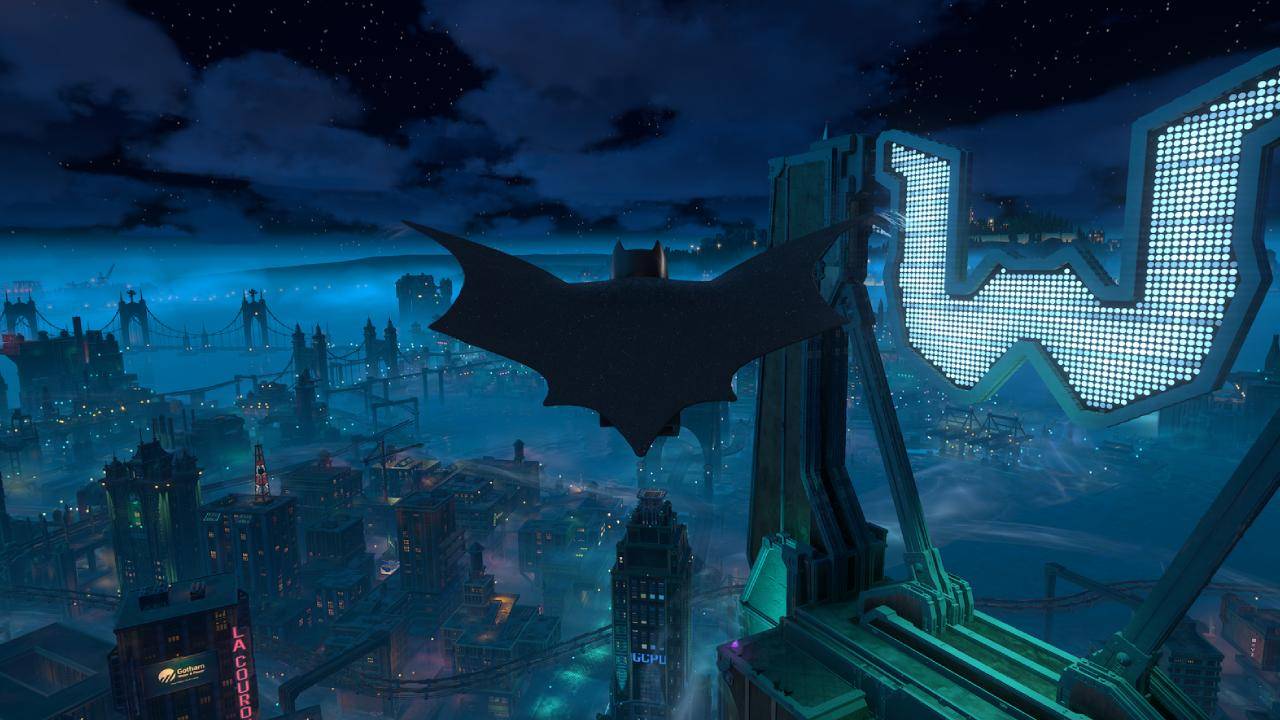
That is precisely why the reported 15-hour length for Legacy of the Dark Knight feels more promising to many fans. A campaign of that size suggests a more focused experience with less filler, slowing things down. It sounds long enough to tell a substantial story while still leaving players wanting more by the end rather than simply feeling relieved that the grind is over.
For a series like LEGO Batman, that may ultimately be the smarter direction. The estimated completion time will likely be when things become more compelling. If the main story really lasts around 15 hours, many players expect a casual playthrough with side activities to reach somewhere between 20 and 25 hours.
That would include exploring Gotham more thoroughly, unlocking additional characters, and tackling optional content without fully committing to a completionist run. For players who want to earn every trophy, collect every item, and fully clear the game, estimates currently place the total somewhere around 40 to 50 hours.
That range feels far more manageable than the nearly 90-hour commitment required by The Skywalker Saga. It also lines up more closely with the history of LEGO games overall. Most entries in the franchise traditionally stay within the 20-to-40-hour range for completionists, with only a handful pushing far beyond that.
The focus on chapters within the story could also significantly improve pacing.
The game appears to jump between different eras of Batman, so the story could be split into distinct sections to avoid the campaign becoming stale. Each chapter would also provide new settings, villains, visual styles, and gameplay mechanics to keep the overall experience fresh.
Another factor helping the game stand out is timing. Right now, there is already growing excitement around several upcoming single-player releases, including 007 First Light. Players are starting to show renewed interest in story-driven games that deliver strong pacing instead of endless live-service structures.
In that environment, a focused LEGO Batman game that respects players’ time could be more appealing than an oversized project filled with repetitive tasks. There is also something refreshing about a game that seems comfortable with its identity. Legacy of the Dark Knight doesn’t seem to be chasing trends like huge open worlds or endless seasonal content.
Instead, it seems like TT Games is doubling down on what has always worked for the LEGO formula: co-op gameplay, recognizable characters, replayable levels, collectibles, and accessible humor blended with genuine fan service. The series needs to broaden the story but still stick to those core elements.
.jpg)
The launch trailer reinforces that feeling throughout nearly every scene. Gotham looks larger and more detailed, the action sequences appear more cinematic than previous LEGO Batman games, and the variety of characters already shown hints at a very ambitious roster. At the same time, the game still carries the charm and simplicity that made earlier LEGO titles successful in the first place.
It does not feel like TT Games is trying to reinvent the formula entirely. Instead, the studio seems focused on refining it. Ultimately, the growing conversation around LEGO Batman: Legacy of the Dark Knight is not really about whether 15 hours is enough. It is about whether TT Games can finally deliver a LEGO game that balances meaningful content with replay value in a smarter way.
Players clearly want enough content to justify the purchase, but they also want that content to remain engaging from beginning to end. If Legacy of the Dark Knight can avoid the repetitive grind that hurt parts of The Skywalker Saga while still offering plenty to explore, it will be a success. Right now, everything shown so far points toward that possibility.
The game has the nostalgia factor, the co-op gameplay, the large-scale Batman crossover concept, and a campaign length that sounds substantial without becoming overwhelming. If TT Games can successfully tie all those pieces together, LEGO Batman: Legacy of the Dark Knight could end up finding the exact middle ground that many modern games continue to struggle to reach.
Editor, NoobFeed
Related News
No Data.