
Nintendo Reveals Switch 2 Plans for 2026: Pricing, Supply, Software, and Market Outlook
Software strategy focuses on franchise updates and new releases with limited emphasis on innovation beyond established titles.
News by Nahe Yan on Jan 14, 2026
It's 2026, and many people are watching to see how Nintendo will handle the coming year. A financial report will eventually show how well the system sold, how well it did during the holidays, and how software sales are changing. Shareholders should likewise ask questions about more important matters. Furukara, the president of Nintendo, doesn't do many interviews, so a recent newspaper article about him is very interesting.
Furukara rarely participates in interviews or public discussions outside shareholder meetings. Because of this, the current interview is interesting for discussing software pricing, future ambitions, and manufacturing problems. Some answers were unclear, but a few things stood out when I looked at them attentively.
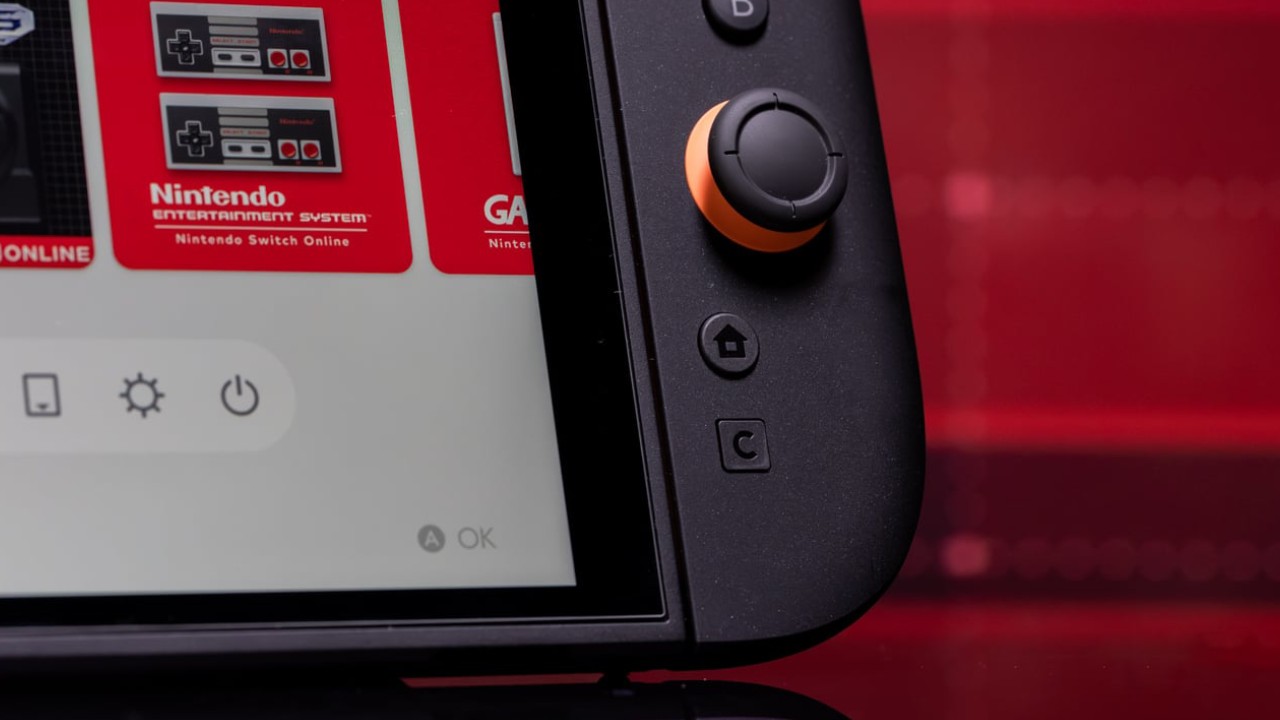
The system's global supply has stabilized, except in some areas where demand is still higher than supply. In the US, it's still simple to find systems in stores, which means that production and sales are still going strong. Various reports say that holiday sales are lower in various markets than they were for the first Switch. This could be due to the economy or rising prices. But overall, demand is still high.
Starting in 2026, Nintendo will improve its software offerings.
This includes both new games in old franchises and brand-new games. Some people think of "enhancement" as improving existing games for new hardware. There haven't been any changes yet, though games like Xenoblade Chronicles X Definitive Edition might run at higher frame rates.
Animal Crossing and Super Mario Bros. Wonder are two upcoming games that will have new content and graphics. These updates might attract new customers, but longtime players have already seen most of the content. Instead of major rereleases, online expansions may have included more features.
Nintendo also wants to develop new games alongside its most successful titles. Welcome Tour and Drag X Drive are two of the new titles released so far. There hasn't been much excitement about these releases. People want to see Nintendo try out new genres and creative paths without relying on well-known properties.
Older platforms offered a wider selection of games, from family-friendly to darker or more experimental. The system's library could be more varied if it added new ideas.
There has been more talk about raising the price of the Nintendo Switch 2. The base system may cost $500, and the options that come with it cost $550. Furukara said that current memory costs don't affect Nintendo's finances when asked about it. He also refused to say anything about future prices.
But the prices of memory have gone up a lot. The price of 16GB of DDR4 RAM has risen from about $50 to $150 over the last 18 months. This trend is connected to higher demand caused by AI development and a lack of production capacity.
.jpg)
It has 12GB of RAM. Existing stock was produced before the big price hikes, but future production will likely cost more. Contracts might provide short-term stability, but prices will still be under pressure in the long term.
The whole industry is being hurt by rising hardware costs. We've already talked about how other companies' future consoles will be late.
Switch 2 is a new flagship product, unlike prior systems that are nearing the end of their lifespans.
To keep production at a high level, these cost increases must be dealt with. The interview raised several important issues, including supply issues, software direction, and costs. Some answers remain uncertain, but the rising cost of parts suggests things are about to change. These changes are likely to be talked about directly at future investor meetings.
Next year will demonstrate how Nintendo keeps up with demand while balancing production costs, software strategy, and system prices.
Editor, NoobFeed
Related News
No Data.