
Switch 2’s Surprising Rise: Can Sony Hold Its Ground in Japan’s Gaming Market?
With the Switch 2 outselling the PlayStation 5 and Capcom backing Nintendo’s platform, the battle for Japan’s gaming dominance is heating up, will Sony adapt, or is this the end of its AAA reign?
News by Zahra Morshed on Dec 14, 2025
The Japanese gaming market has been changing a lot recently, and Nintendo's Switch 2 has helped it grow even more and get more popular in the area. This change is not only an example of Nintendo's creative method, but it is also a direct threat to Sony, which has had almost complete control over the AAA game market in Japan for a long time.
As Sony thinks about its place in the world, new factors are coming into play. These are partly due to Capcom's brave choices and the Nintendo Switch 2's rising fame. The game world was shocked when the Switch 2 became popular in Japan. The Switch 2 has sold over 3.1 million units in just six months, which is a lot more than the original Switch.
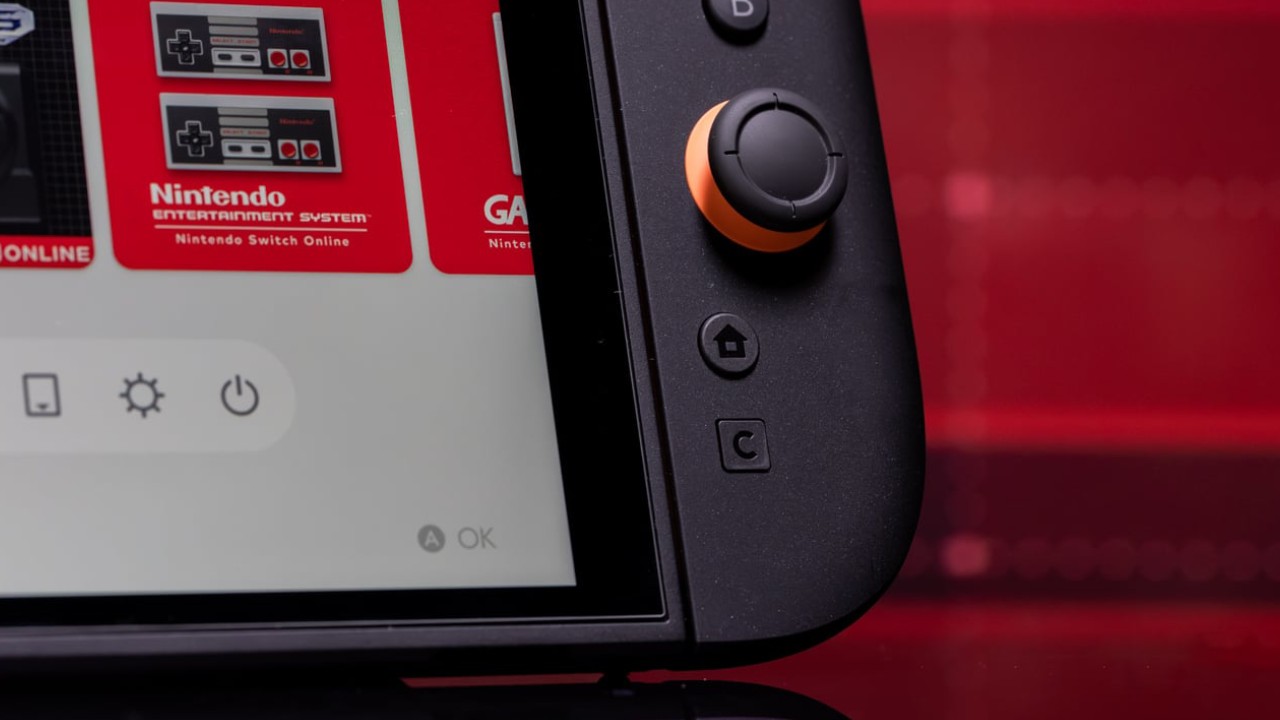
It's even sold more units than other record-holders, like the Game Boy Advance and PlayStation 2. Many things have led to this amazing growth, such as the new console's cool features and Nintendo's strong first-party games, like Metroid Prime 4. But this rise is especially interesting because it gives a lot of new competition to Sony's stronghold in Japan, mostly in the AAA game sector.
Sony has long been in charge of gaming in Japan. Many AAA games have been exclusive to the PlayStation platform, which is Sony's most important product. The Xbox hasn't had much of an effect in this market, so Sony's total control over popular games made for multiple systems seemed impossible to change.
But Capcom's change in strategy is now testing this domination.
The publisher used to always back Sony's platforms, but now they're releasing their big AAA titles on the Nintendo Switch 2 in Japan on the same day as on other platforms, like Resident Evil Requiem and Pragmata. This move has had a big impact on the industry, marking the start of a new era in which Nintendo is no longer stuck with lesser versions of games that are usually released on PlayStation first.
For a long time, third-party games from big companies like Capcom would come late or in a worse form on Nintendo. They were often much worse than the PlayStation versions. The Switch had games like Doom and Skyrim, but they weren't as well-designed for the system and came out long after the games' PlayStation and Xbox versions had already become popular.
But things are different now with the Switch 2. At the same time that Sony did, Capcom chose to release its hit games on Nintendo's platform. As the Switch 2 gets more popular, this could change the balance of power in the Japanese gaming market.
This new competitor is important for Sony because it has had almost sole control over Japan's AAA game sector. With Resident Evil Requiem and Pragmata on the Switch 2, gamers in Japan can now play high-quality games on a less expensive system, which makes the Switch 2 even more appealing.
For Nintendo, this is a huge chance to get more hardcore gamers, who have generally been loyal to PlayStation, on their side. Before, when it came to big, immersive game experiences, Nintendo's consoles were mostly seen as less important than Sony's PlayStation.
Now that high-quality third-party games are available, that feeling is starting to change.
The change had a big effect on sales of the Switch 2 in Japan. It sold more units than the PlayStation 5 in the same amount of time. This is a first for Nintendo, and it's especially surprising because Sony has been the most popular company in the area for a long time.
The quick popularity of the Switch 2 can be credited to its low price, its ability to work as both a home console and a handheld, and the availability of many great third-party games. This has been especially true in Japan, where people have strong cultural ties to Japanese businesses like Nintendo.
But Sony isn't just going to sit back and do nothing about this growing problem. Sony offered a Japanese-language-only form of the PlayStation 5 and a big discount to Japan as a planned move. This deal was quickly put in place in response to the Nintendo Switch 2's success and a change in support from Capcom.
The price drop was needed to stay competitive, but it also shows the stress Sony is under in the Japanese market. In the country, the PlayStation 5 is still the best platform for AAA games, but now it is having a harder time with its prices, especially as the cost of important parts like RAM and storage keeps going up.
Even with these steps, it's still not clear how well Sony's long-term price drop will work.
With the rise in interest in Capcom games on Nintendo's platform and the release of the Switch 2, Sony's former surety of control in Japan may no longer be true.
When more third-party makers release their games on the Switch 2 at the same time as PlayStation, just like Capcom did, that will be the real test. If this trend continues, it could mean a big change in the Japanese game market. Nintendo will have a bigger impact, and Sony will have to change with the times.
It's good for the gaming business that the PlayStation and the Switch 2 are now in competition with each other. It protects the market from being controlled by a single company, which helps customers by encouraging new products and keeping prices low.
For a long time, Sony has had almost total control over AAA games in Japan, but the increasing popularity of the Switch 2 could change that. In the coming months, both Sony and Nintendo will have to make important decisions as they each try to secure their positions in a market that is changing quickly.
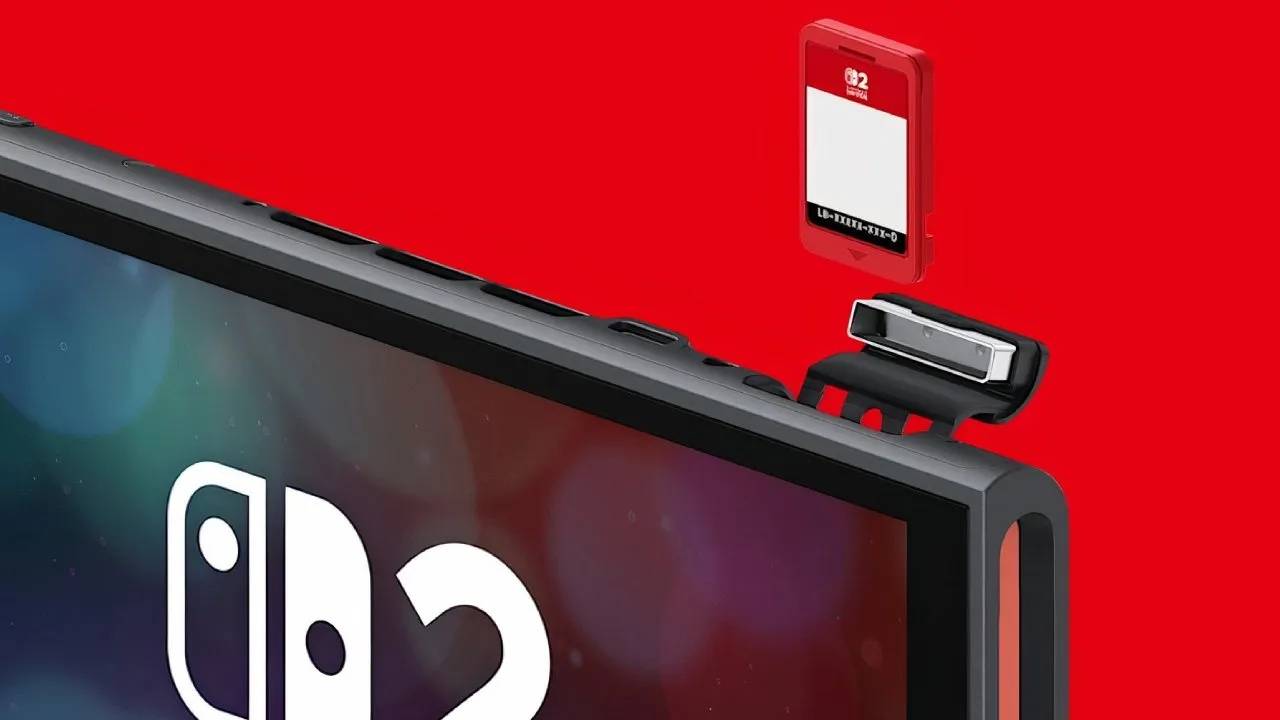
In the end, the competition between the PlayStation 5 and the Switch 2 is a small-scale version of the bigger problems in the gaming business. Businesses must find new ways to do things and make new products if they want to stay competitive as costs for important parts go up and new technologies like AI come out.
For Nintendo, this means taking advantage of the popularity of the Switch 2 and continuing to push for more support from third parties. For Sony, it means finding new ways to keep its grip on the AAA market while meeting the needs of people who want to save money and get more value for their money.
As Japanese gaming changes, it is clear that the fight between Sony and Nintendo will get even stronger. Capcom and other game makers have a big impact on the future of gaming in Japan. What used to be a simple competition is now more complex than ever.
Now that Sony's dominance isn't being questioned, the global game market is becoming more competitive. How will both companies adapt to these changes? The fight over what will happen to games in Japan is just starting.
Contributor, NoobFeed
Related News
No Data.