
Nintendo Switch Price Hike Meets Retailer Rebellion as Switch 2 Looms
From Walmart's deep discounts to Target's full compliance, the Switch faces a split market while the Switch 2 quietly builds momentum.
News by Asura Kagawa on Aug 11, 2025
The market should have moved in one direction. Instead, it turned. For years, the cycle was predictable. Hardware ages, demand cools, prices fall. The Nintendo Switch had followed that rhythm for most of its life—until now. As the world's attention shifted to the newly arrived Switch 2, Nintendo made an unexpected move: raising the price of its outgoing system.
The OLED model climbed to $400. The Switch Lite rose to 230. Even the standard Red Box edition crept toward 340. It was meant to be a quiet adjustment, a final recalibration before the old guard stepped aside. But something unusual happened. Not every retailer obeyed.
.jpg)
Walmart kept the old numbers. Then went lower. Shelves that once displayed a $350 OLED now bore a tag reading $300. Standard models fell just as sharply in some places. Best Buy didn't change its mind about the new stated price. A Target too? Target immediately followed Nintendo's instructions, which caused prices to go up overnight.
It is not clear if these differences are an act of rebellion or a matter of strategic pragmatism. Due to the Switch 2, the first version is running out of time. Nintendo's own sales numbers show what's going on: less than a million units were sold in the last quarter, which is a big drop for a system that used to be number one. The sequel has more power, better graphics, and a longer future than the first one. It can play all of the first one's games. It looks like customers have an easy choice.
For stores that have too much product, the reasoning gets stronger. Selling a Switch 1 at a premium now could mean sitting on stock when holiday demand turns entirely toward the successor. A discounted price can clear space, move product, and refocus shelves for the next cycle. The holiday season is coming up quickly, and this year's sales curve has already broken expectations. Even in the quieter summer months, Switch 2 systems have moved at a steady clip, spotted in display cases one week and replaced the next.
Behind the scenes, suppliers are raising forecasts. Components like optical sensors for Joy-Con accessories are being ordered in greater numbers, hinting at Nintendo's quiet production surge. Manufacturing lines hum with preparation, anticipating the wave of demand when Pokémon bundles hit later this year. The coming season will test supply chains and sales floors alike.
Yet the current split between retailers tells its own story. Walmart and Best Buy appear to be reading the market differently, favoring sell-through speed over adherence to the official increase. Target's approach, by contrast, suggests a willingness to let the higher price stand, perhaps banking on the last wave of buyers who will accept paying more for a system they recognize.
The effect is almost cinematic. Two generations stand side by side on the shelf. One, a proven veteran, is nearing the end of its journey. The other, a new heir, is already claiming its place in the years ahead. Consumers hover in the aisle, faced with a choice: save a hundred dollars now on a console whose twilight has begun, or invest in the future, where the entire past library remains and the next chapter is only beginning.
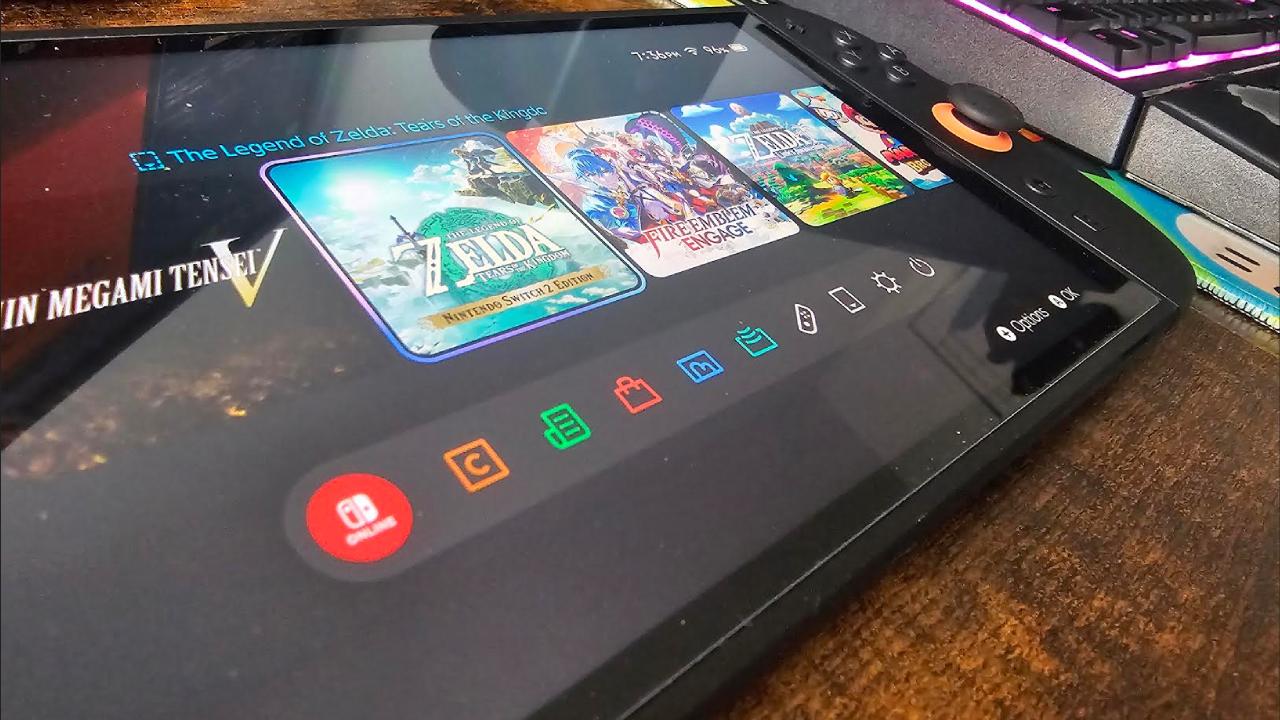
The market has shifted, but not in unison. Prices rise and fall in different corners of the retail map, creating pockets of opportunity for those who look closely. For now, the first Switch is both more expensive and more affordable than ever—depending on where you stand.
And somewhere, in storerooms and loading docks, the Switch 2 waits, its numbers growing quietly. Its moment is coming.
Staff Writer, NoobFeed
Related News
No Data.