
AMD Zen 6 EPYC Venice Launch Confirmed for July 22 With 256 Cores on TSMC 2nm
AMD positions Zen 6 EPYC Venice as the foundation for next-generation AI infrastructure and enterprise computing platforms.
Hardware by Masaru Hoshino on Jul 14, 2026
AMD has officially removed any remaining uncertainty surrounding its next-generation server roadmap. During a recent interview, AMD Chief Technology Officer Mark Papermaster confirmed that the company's long-awaited 6th Generation EPYC "Venice" processors will officially debut at the Advancing AI event on July 22nd-23rd, 2026.
The announcement represents far more than another enterprise CPU launch—it signals the beginning of AMD's next architectural leap. It reinforces the company's strategy of building AI-ready infrastructure from the processor outward.
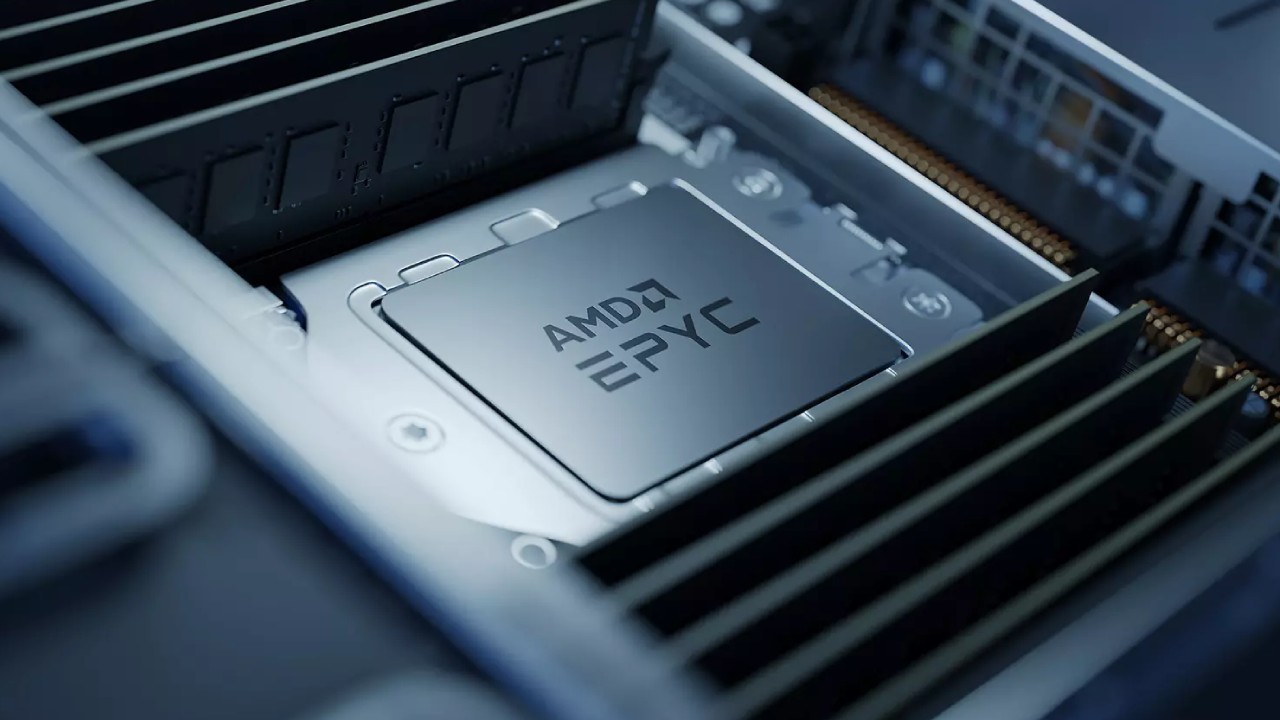
For enterprise customers, cloud providers, and hyperscale data centers, Venice is shaping up to be one of the most significant x86 releases in years. From an industry-first TSMC 2nm manufacturing process to an astonishing 256 Zen 6 cores, AMD is targeting every major bottleneck that modern AI computing continues to expose.
Official Zen 6 Reveal Set for AMD's Advancing AI Event
AMD's Advancing AI event has increasingly become the company's premier platform for unveiling technologies that define its long-term data center strategy. By confirming Venice for the July 22nd-23rd presentation, Mark Papermaster has made it clear that the processor will be part of AMD's expanding AI accelerator ecosystem rather than a standalone CPU announcement.
That positioning is significant. Enterprise infrastructure has shifted beyond simply adding more CPU cores. Today's hyperscale deployments demand processors capable of feeding increasingly powerful AI accelerators without creating memory or I/O bottlenecks. Venice appears to have been designed specifically with that objective in mind.
Rather than treating CPUs and AI accelerators as separate products, AMD continues to build an integrated platform in which processors, networking, memory, and accelerator hardware operate as a unified ecosystem.
First High-Performance CPU Built on TSMC's 2nm Process
Perhaps the most important milestone isn't the core count—it's the manufacturing technology behind it. Venice is the first high-performance computing processor to enter mass production on TSMC's leading-edge 2nm process node, marking another key manufacturing milestone for AMD and its foundry partner.
The shrinking process technology becomes harder with each successive generation; hence, successful mass production on TSMC's 2nm node is far more relevant than prior node transitions. The higher transistor density, superior efficiency, and power characteristics enable AMD to increase performance and core counts simultaneously.
Moving to 2nm allows AMD to offer more compute resources, not only higher speeds but also improved overall energy efficiency. This metric is increasingly important as data centers face rising power consumption and cooling costs.
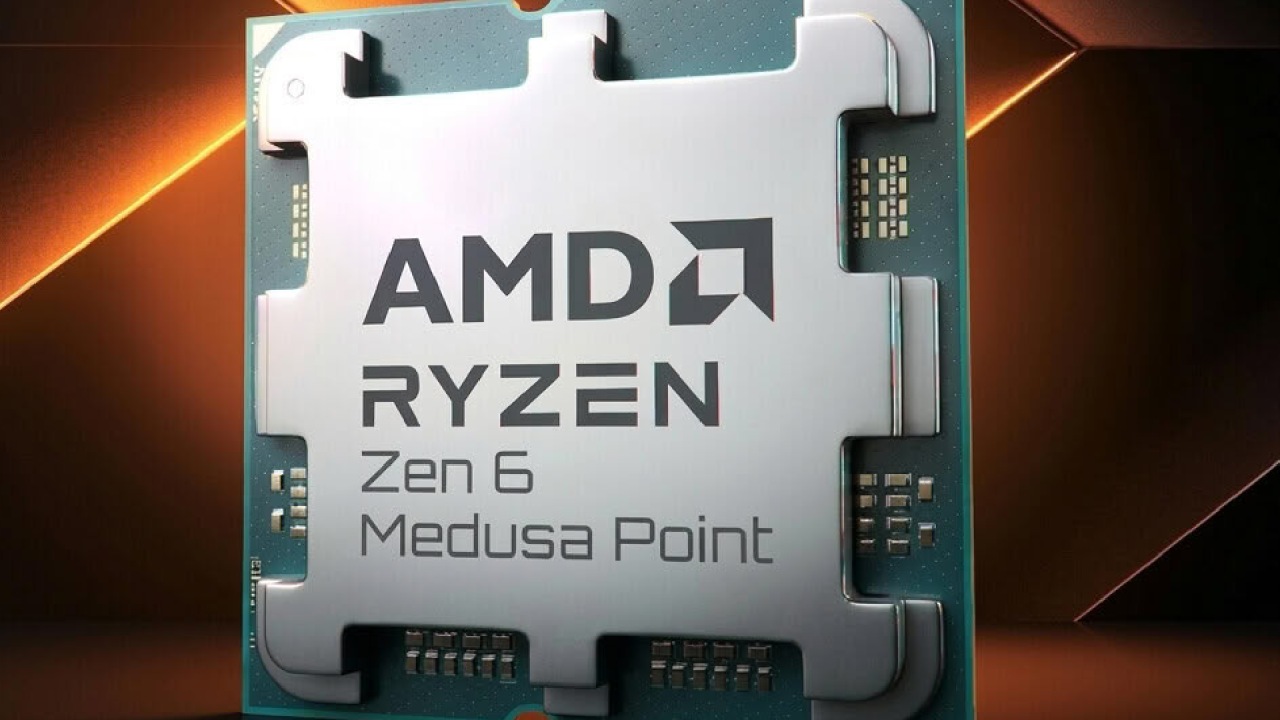
EPYC Enters New Territory With 256 Zen 6 Cores
The flagship Venice CPU is said to have an insane 256 Zen 6 cores, an increase of over 33% over the existing 192-core Turin flagship. Already on paper, an increase in the raw core is impressive. But AMD's performance aspirations go far beyond just stacking additional cores.
AMD says the Zen 6 architecture is projected to give more than 70% better performance and efficiency than Zen 5. The improvement is likely due to several architectural factors working together, including IPC improvements, process node advantages, cache improvements, memory subsystem improvements, and increased platform bandwidth.
These advancements could bring considerable benefits to hyperscale customers running virtualization, cloud-native workloads, scientific simulations, and AI inference clusters, in terms of compute density and operational expenses per workload.
If AMD's performance projections translate into real-world deployments, Venice could become one of the company's largest architectural jumps since the original EPYC platform disrupted Intel's long-standing dominance in enterprise computing.
SP7 Platform Brings the Bandwidth Modern AI Demands
Raw CPU performance is no longer enough for modern data centers. Venice introduces the entirely new SP7 socket, bringing substantial platform-level upgrades that extend well beyond the processor itself. The new platform supports 16-channel memory, delivering up to 1.6 TB/s of bandwidth. That enormous increase is specifically engineered to keep increasingly massive AI datasets flowing efficiently between processors and attached accelerators.
Equally important is support for PCIe Gen 6.0, which effectively doubles the available bandwidth compared to PCIe Gen 5. Modern AI clusters frequently connect multiple GPUs, networking adapters, storage arrays, and specialized accelerators to a single server. Without sufficient PCIe bandwidth, even the fastest processors spend valuable time waiting for data.
By combining PCIe Gen 6.0, 16-channel memory, and significantly higher compute density, AMD is addressing one of the biggest challenges facing AI infrastructure: moving data quickly enough to keep every accelerator fully utilized. In today's AI era, balanced platform bandwidth often matters just as much as CPU horsepower.
Enterprise Gets Zen 6 First While Desktop Users Continue Waiting
As exciting as Venice is, mainstream PC enthusiasts will need considerably more patience. AMD's immediate Zen 6 focus remains firmly centered on enterprise infrastructure, cloud providers, and AI deployments. Consumer desktop CPUs based on the Zen 6 architecture are still expected to debut considerably later, with industry forecasts pointing to late 2026 or possibly an official unveiling during CES 2027.
This staggered rollout follows AMD's increasingly familiar product strategy. Enterprise processors typically introduce new architectures, manufacturing nodes, and platform technologies before those innovations eventually filter into Ryzen desktop processors.
Although desktop builders may not see Zen 6 immediately, Venice will provide the industry's first real glimpse into the architectural improvements that future Ryzen chips are likely to inherit.
Editor, NoobFeed
Latest Articles
No Data.