
PlayStation is Saving Xbox Games—The Plot Twist Nobody Saw Coming
Studios inside Microsoft say multiplatform releases boost morale, profits, and creative ambition like never before.
News by Asura Kagawa on Dec 01, 2025
There is a quiet change happening in the game world that isn't caused by hardware or market share, but by how developers feel about it. Moving Xbox Game Studios' games to PlayStation 5 has sparked a surprising amount of excitement in the companies that make them. A reporter recently talked to 404 Media about how Microsoft's development teams are feeling a mood that is both subtle and clear.
For many of these companies, going beyond the Xbox ecosystem has not only been good for business, but it's also been a relief. There is only one simple truth that the answer leads to. When a first-party game goes straight into Game Pass, it changes a lot about how it sells. With membership access, you don't have to make as many single sales.
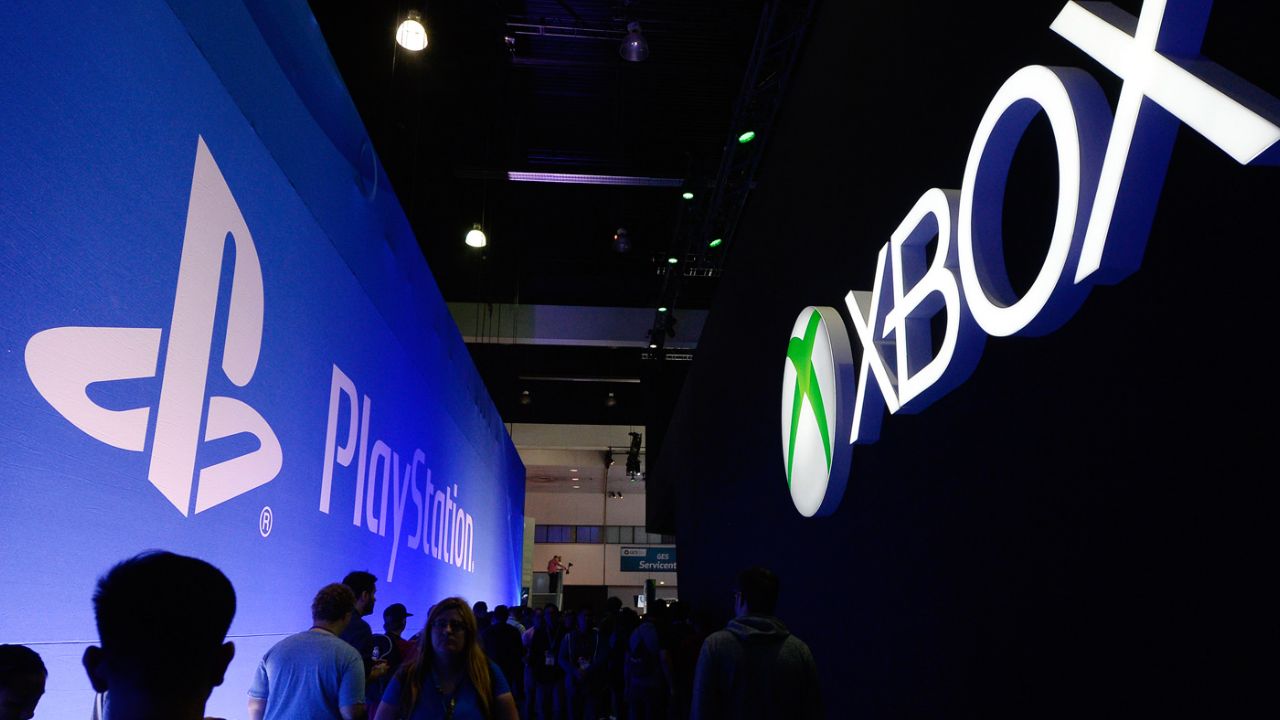
This business plan keeps customers interested, but it can be hard for studios to meet their financial goals. Schreier said that many Xbox games don't sell as well as they used to because people can get them for a lot less money now. That mismatch makes it harder for teams to make financial plans when they are already under a lot of budget pressure.
Expanding to PlayStation 5 is making that world feel more open to new possibilities. A lot of companies now see multiplatform releases as a way to keep their profit and loss margins stable, especially since the costs of making games keep going up every year. Teams working under Microsoft's sometimes strict company goals can take a breather with the help of extra revenue streams. Schreier said that makers were "thrilled" about the possibility of their games coming out on PlayStation hardware.
This is a big change from the past few decades, when different platforms competed with each other.
There is a deeper truth about artistic work that this newfound enthusiasm shows. Developers don't usually only judge success by how much money they make. A lot of people are very proud when their works get viewed by a lot of people, no matter what site they're on. Let as many players as possible experience the craft behind the game. This is the dream of every artist working on a character model, every writer planning a story arc, and every combat creator honing a single ability. The chance to share that work with millions of PlayStation users is seen as a way to make a bigger effect, not a way to lose who they are.
At the same time, the change shows how complicated Microsoft's internal organization is getting. Xbox's business plan is still based on Game Pass, which provides value by being easy to access and always interesting. But from the studio's point of view, each game added to a subscription catalog is a fine mix between getting more people to play it and making money.
For subscription-first releases, the parent company looks at metrics in a different way, taking into account retention data, recurring usage, and engagement trends. When opportunity costs get mixed up with financial standards, it's hard for developers to define success in the simple terms of unit sales.
This puts pressure that isn't normal. All of Microsoft's businesses are still pushing for high profit margins, and this trend has gotten stronger since the company made big acquisitions. Developers now work in a space where artistic goals and business expectations meet. When that happens, expanding to multiple platforms isn't just a smart choice; it's a necessary force for keeping things stable.
More sales on PlayStation make games perform more like regular premium releases, which evens out the sometimes uneven financial picture that subscription environments can create. The fact that people are behind the numbers makes the move even more interesting. Developers have long told players on all platforms how much they appreciate them.
A lot of studios are based on the idea that games serve their best purpose when they are played by as many people as possible.
People don't see a PlayStation release as betraying their platform loyalty. Instead, they see it as an acceptance that great work should be enjoyed by people who don't use a single ecosystem. I really believe that many of these people are excited, and it's not just about making money.
There is also a shift happening across the whole business. After years of platform exclusivity shaping how people thought about games, Microsoft's multiplatform approach has started to change how people think about games made for Xbox. Games like Hi-Fi Rush, Grounded, and Sea of Thieves have done fairly well on hardware that isn't an Xbox.
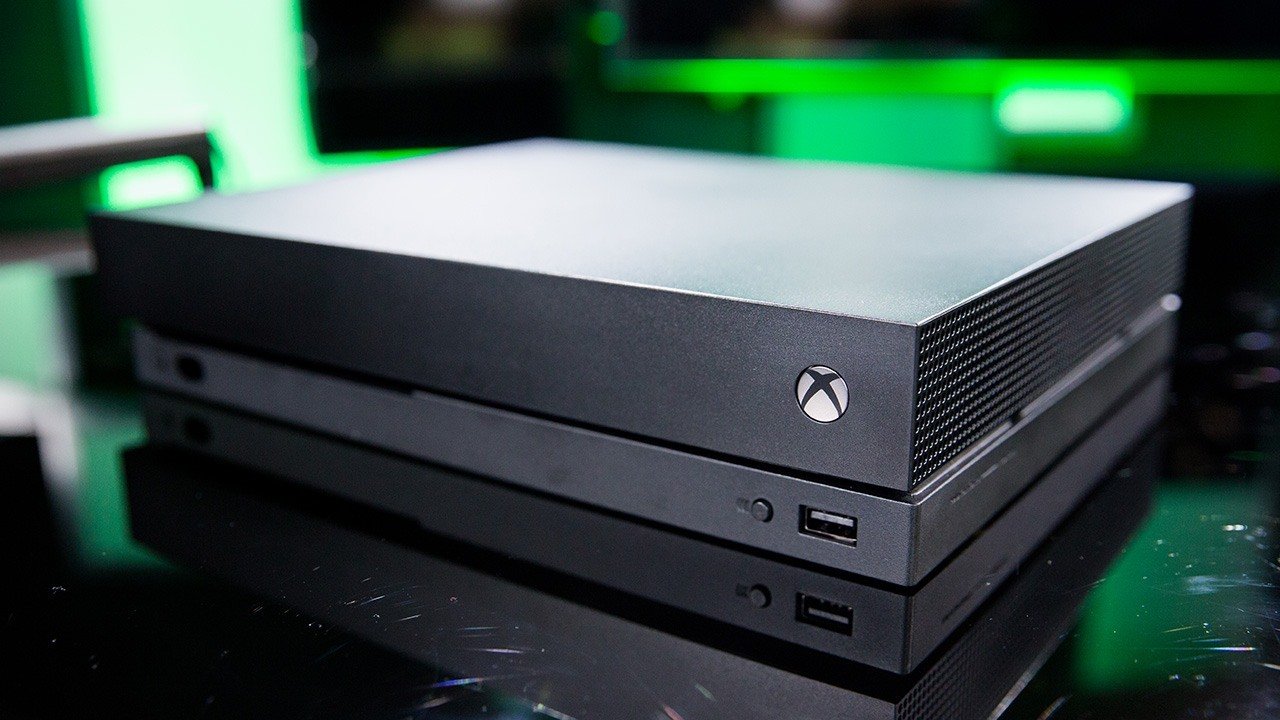
This disproves the long-held belief that Xbox's own games weren't appealing to most people. By putting these games in front of PlayStation users, Microsoft is changing a storyline that has been going around for more than ten years: the storyline that the Xbox company couldn't be as creative as its competitors.
As more companies see their work appear on platforms that weren't available before, morale goes up. The hope of reaching more people gets creative teams going in a way that financial numbers alone can't. The pride that comes with being well-known inspires creative ambition and drives teams to create experiences that speak to more people. Knowing that their work will be seen, played, and talked about by more people around the world becomes a strong internal motivator.
The whole industry is paying close attention to this change. A year ago, the idea of Xbox first-party games coming out on PlayStation would have been laughed off as impossible. However, it has now become a key part of Microsoft's strategy to become known as a world publisher. The company is positioning itself as a cross-platform distributor that can reach every part of the market, rather than limiting talent to a single device. In that context, developer excitement isn't just a bonus; it's a sign that the shift went well.
The effects will last for a long time. If developers keep reacting well to releases that work on multiple platforms, Microsoft may start to see cross-console accessibility not as a compromise, but as the norm. The huge number of PlayStations that have been installed gives creative teams a chance to quickly reach more people. Expectations inside Xbox Game Studios are likely to change as more studios see the boost that comes from PlayStation sales. This will lead to a less rigid approach to platform limits.
Ultimately, the excitement that's growing in these teams is a sign of a bigger change in how games are made today. Creative pride, financial security, and growing audiences are all coming together at the same time, and being exclusive to one platform is no longer the only way to be successful. It has been replaced by a landscape that is more open and fluid. Games that were made under one banner can do well on many platforms, thanks to developers who want their work to reach more people than ever before.
Staff Writer, NoobFeed
Related News
No Data.