
PS5 Price Increase Explained—Full Breakdown and Market Impact
PlayStation 5 pricing increases redefine console value trends and challenge traditional expectations of hardware depreciation across generations.
News by Nahe Yan on Mar 28, 2026
Sony has said the prices of the PS5, PS5 Pro, and PlayStation Portal will increase worldwide. On April 2, 2026, the modification will take effect. The change has sparked conversations about patterns in console pricing, the business's long-term prospects, and what people expect from the next generation of hardware.
The first PlayStation 5 came out in 2020. The disc version costs $500, and the digital version costs $400. PlayStation 5 Pro launched later for $700, and the PlayStation Portal launched for $200.
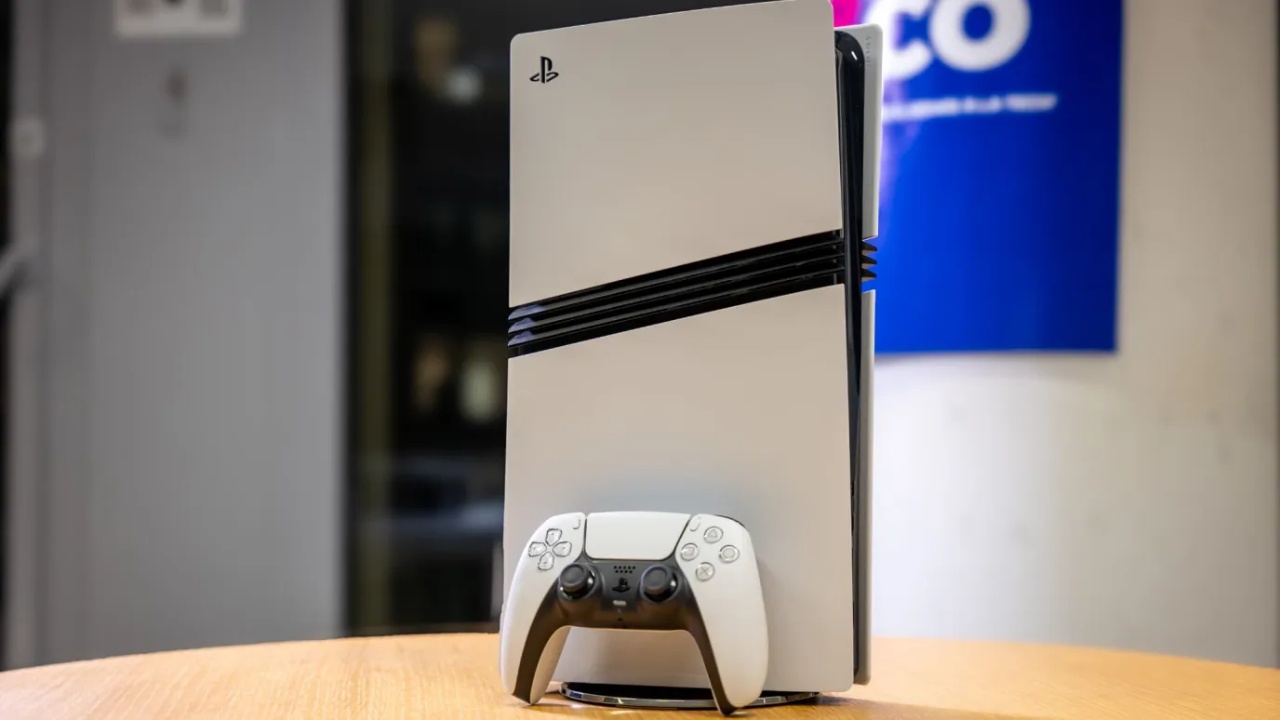
The revised prices are $650 for the PS5 slim with a disc drive and $600 for the digital variant.
PS5 Pro costs $900, and an extra $80 is needed for a disc drive adapter. In places with taxes, the total cost can exceed $1000 at the register.
Sony said the price hikes are due to the global economy still under significant pressure. Expenses are rising due to factors such as DRAM supply constraints, demand for AI-related infrastructure like data centers, and logistics issues such as shipping and gasoline costs. The corporation also wants to avoid selling hardware at a loss, especially a few years into the console's life.
These theories don't change the fact that console pricing has generally gone down over time rather than up. We have seen that the costs of older consoles decreased over time, making the hardware easier to obtain. Usually, costs went down by $100 or more when you waited until year six of a console generation.
Now, the opposite is happening. The price of the PS5 digital version has increased from $400 to $600, a 50% increase. The hardware has increased in value over time rather than decreased, which affects customers' expectations. According to prior data, hardware sales peaked in 2008 at $7.6 billion. At that time, consoles like the Xbox 360 and PlayStation 3 cost between $400 and $500. Later versions cost $300 or less.
At the same time, the Wii and other handheld systems, which cost $250, helped the market do well because they were cheaper to get into. As the average price of hardware rises, it becomes harder to obtain. Analysts say that rising pricing could make middle-income households less likely to participate and keep lower-income consumers out of the market altogether.
Players will likely move toward cheaper options, such as older consoles, mobile games, or PCs that can run less demanding games.
It gets harder to suggest buying a new PS5 at these prices. There is still talk of a possible PlayStation 6 release around the holidays in 2027. Based on recent patterns, the launch pricing is likely between $800 and $ 1,000.
Before, we thought that $700 was a good price for an enthusiast. If the baseline for the following generation is in that range or above, it makes people worry about how many people will use it. It might be better for you to save for the next generation rather than buy new technology at high prices right now.
The rise in prices indicates a change that goes beyond normal inflation adjustments. There are external factors at play, such as limited supply and high manufacturing costs. Still, there is also a general trend of rising prices.
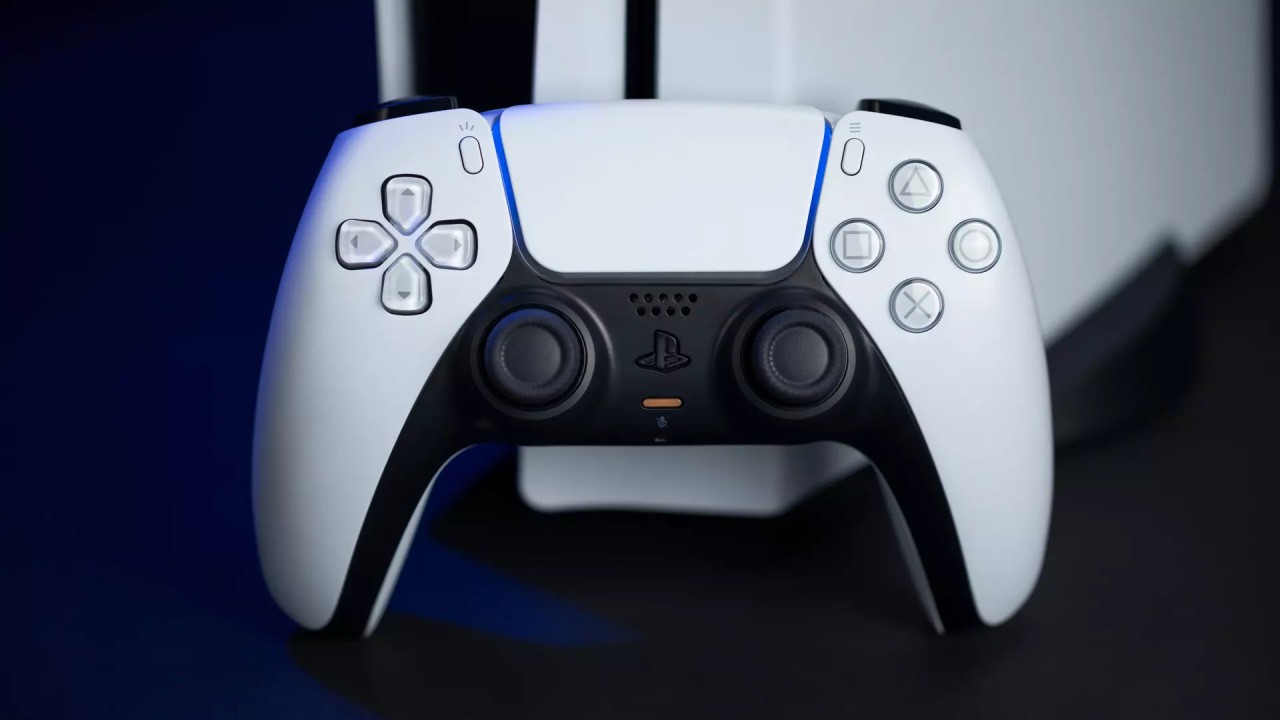
PS5 is still one of the best-selling consoles, even if costs have gone up. This shows that there is still a desire for it among some groups. But this could create a market where only higher-income households buy consoles, leading people to be less interested in software ecosystems and microtransactions.
The introduction of the PlayStation 6 could encounter many problems in the future. Higher entry costs may slow uptake, and players may need longer cross-generation support as they keep their current gear longer.
We can see that price was a major factor in driving both sales volume and total sales.
We might still see support for the PS5 until the 2030s, since people are putting off upgrades due to the cost. People will probably be skeptical when Sony starts talking about the next generation, especially if things keep going the way they are now. It will be easier to see where the market is going when these price hikes affect PS5 sales in 2026 and 2027.
We will be keeping an eye on how people react and whether demand remains steady even as prices rise. You are now looking at a console market where prices have been rising over time. This change will probably affect how new hardware is released and how people use it.
Editor, NoobFeed
Related News
No Data.