
PS6’s Biggest Bottleneck isn’t Power—It’s Memory
While teraflops grab headlines, hidden battles over RAM, NAND, and geopolitics may quietly decide when the next PlayStation launches and how much it costs.
News by Zahra Morshed on Jan 28, 2026
There are no limits on the next generation of PlayStations when it comes to graphics or processing speed. Ray tracing systems are getting better. You can guess what CPU designs will be. Even the performance of silicon keeps getting better at a steady rate.
The real point of pressure that is shaping the PS6 plan is much less noisy and more likely to change. Remember. Everything that matters behind the scenes is based on memory. How costs work. Manufacturing amount. Launch time.
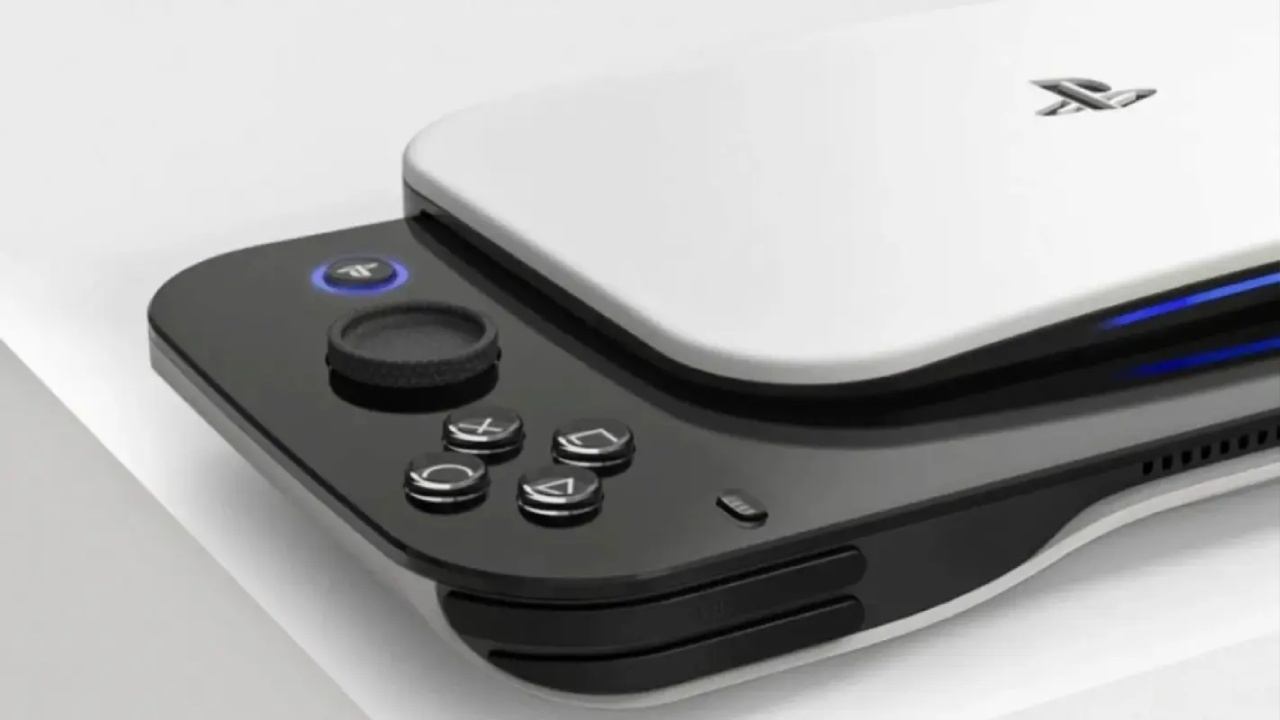
Memory prices don't go down as fast as GPU or CPU prices. In the past two years, the cost of DDR5 has gone up, the supply of NAND has shrunk, and the world's capacity has been pulled toward AI data centers that need crazy amounts of RAM and storage. The whole market has changed because of that desire.
This makes things very hard for Sony. A system may look great on paper, but when the price of memory changes, it has to be built with trade-offs in mind. The launch must either be pushed back until the markets are more stable, the hardware must be scaled back to keep costs down, or the selling price must go up too much for people to handle.
All of those results don't fit with a smooth change in the generations.
This is where the new variable comes in. Over the past ten years, China has been aggressively building up its own memory stars. ChangXin Memory Technologies, or CXMT, has been working on DRAM since 2016 and has shown off DDR5 class memory to the public, but production levels are still low. Yangtze Memory Technologies (YMTC) has already sent NAND flash into SSD supply chains around the world.
That is important because three people have mostly been in charge of remembering in the past.
Price-wise, Samsung, SK Hynix, and Micron have been the best for decades. If there is a reliable fourth or fifth supplier, the leverage changes, even if the numbers are low. There are changes in how contracts work when production goes up. It helps people talk. It makes choices available where none existed before.
In theory, more people working on memory would be good for everyone afterward. With more providers, there is more competition. As there is more competition, prices go down. Platform owners can get long-term contracts with less risk when prices are lower.
Being able to change things quickly could mean the difference between a smooth PS6 start and one that isn't as good.
The problem is the fact of geopolitics. The same Chinese memory companies that could lower prices are being closely watched. Fewer people can buy, sell, or even make large amounts of advanced memory because of controls on exports, lists of entities, and limits on equipment. Memory is not seen as a good by governments; it is seen as critical infrastructure.
This makes a strange paradox. There may be a lot of Chinese memory creation, but access is not guaranteed. Even taking part indirectly through supply lines run by third parties comes with risk. If limits get even tighter, that supply will never really get to companies like Sony. If they loosen even a little, the way people think about prices could change on its own.
The PS6 is right in the middle of all of this stress. The time it takes to make a console is years away, but memory contracts have to be signed much sooner. If you don't believe that prices will stay stable, the risk goes up. Then conservative choices are made. The specifications are cut down.
Storage space gets smaller. Launch windows don't make noise.
The time of this moment makes it extra dangerous. When the next version comes out, the market will likely be much more price conscious than it was during the PS5 era. There is real inflation tiredness. The highest price for hardware is lower. If something goes wrong at launch, it will be felt for years to come, especially since PC hardware and cloud platforms are becoming more competitive.
This is why memory is more important than teraflops. It can't be seen on marketing slides but is effective in action. It's still not clear if Chinese providers will really change the global memory market. But the fact that they exist adds a variable that wasn't there before. For Sony, this variable may quietly determine whether the PS6 comes out on time, fully realized, and at a price that players are willing to pay.
Finally, the future of PlayStation hardware might depend on things like supply lines, sanctions, and contracts that are signed out of the public eye, rather than big steps forward in rendering. That's where the next generation will really be chosen.
Contributor, NoobFeed
Related News
No Data.