
Memory Market Chaos is Impacting PS6, Xbox, Switch 2, and PC Hardware in 2026
Next-Generation Consoles Face Potential 2030 Release Due to Industry-Wide Memory Shortages and Supply Chain Issues.
News by Tanisha Aria on Jan 02, 2026
The PlayStation 6 and the next version of Xbox are now much behind schedule compared to when they were supposed to come out. A lot of people thought these next-generation game systems would launch in the late 2020s, but it's becoming more likely they won't debut until 2030.
But this problem is more than just scheduling issues. Right now, the memory market is in chaos, and the tech industry is in turmoil. These problems are affecting current game consoles, future hardware like the Switch 2, and even the PC market.
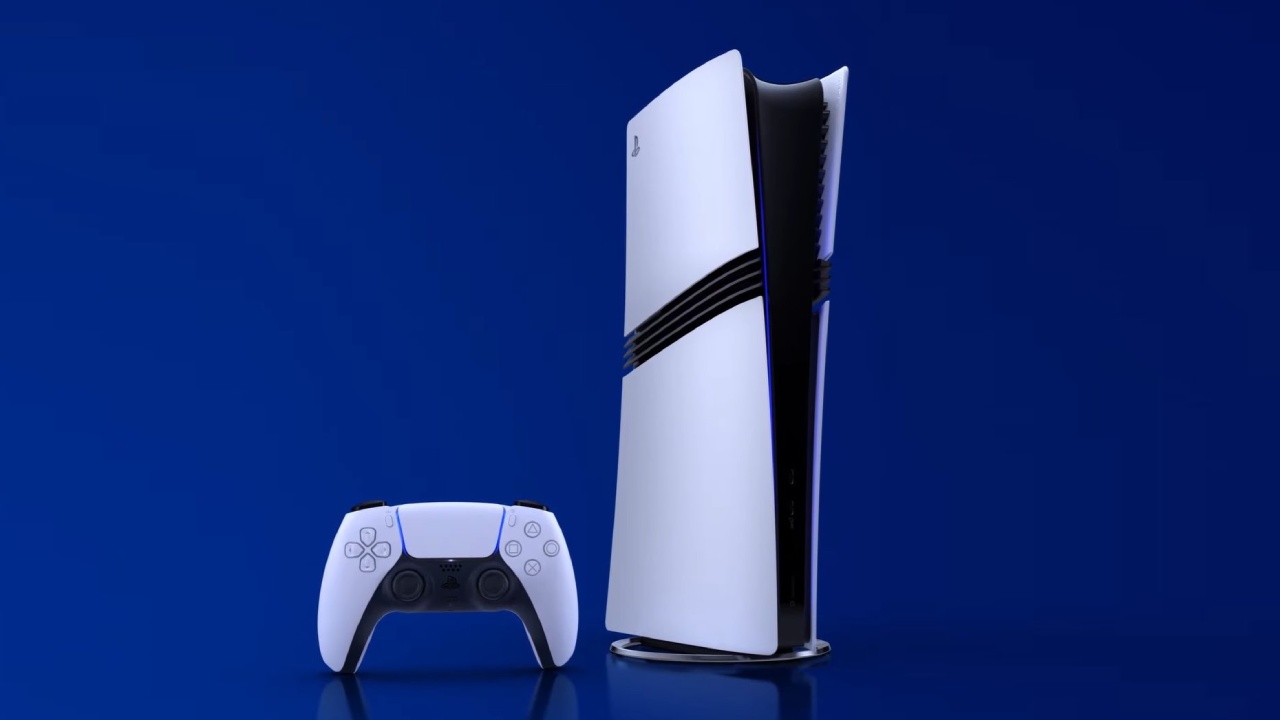
A lot of misunderstanding has been caused by recent reports about a PlayStation 6 delay. It's important to note that nothing is final, and things can change quickly as the market evolves over the next few months.
Insider Gaming says that system makers are having a harder and harder time. Console makers have historically sold the gear for less than it costs them, so they can lower the launch price and attract buyers. In the past, businesses like Sony and Microsoft have recovered from losses over time by selling software, devices, and online services.
But the old way of doing things is in danger due to limited RAM supply and rapidly rising memory prices. It's already assumed that next-generation consoles will cost more than the last generation.
As parts become more expensive, prices could rise to levels many people consider unreasonably high.
It's not uncommon to lose hardware, but there is always a real limit to how much loss makers can take per unit.
Insider Gaming says these issues have led to discussions about delaying next-generation consoles beyond their planned 2027–2028 release window. RAM producers might be able to grow their production capacity and lower or stabilize prices if they have more time.
KeplerL2 and other reliable leakers have said that Microsoft might delay its next Xbox. At the same time, Sony is more likely to delay the PlayStation 6. Early specs from multiple sources point to a PlayStation 6 with a 160-bit memory bus, 7 to 8 cores of Zen6 plus 2 LP cores of Zen6, and a GPU with 52 to 54 RDNA5 processing units.
More guesses say that a possible PlayStation handheld might have 24GB of memory. At the same time, the regular PlayStation 6 system might come with 30GB. On the other hand, Microsoft's next Xbox is said to have as much as 36GB of memory, which will make it even more expensive to make.
Before the latest rise in memory prices, estimates suggested the PlayStation 6 might cost about $600 at launch, and the next-generation Xbox as much as $1200. The more expensive Xbox has a larger and more powerful APU, more memory, and more complex cooling requirements. It also costs more to produce, which is why it's more expensive.
If we set the PlayStation 6's starting price at $600, it could go up by $50 to $100 depending on the cost of the parts. Some people say that game systems can just come out at higher prices and gradually get cheaper over time, but that idea ignores important supply issues.
Even if people are ready to pay $700 or $800 for a next-generation console, makers still need enough CPUs, memory, and other components to meet demand. Right now, memory shortages are severe, and supply issues are affecting many businesses.
As the focus shifts to data centers for AI, it has been reported that major electronics companies are having a hard time securing enough memory, even within their own product divisions. This diversion of resources has caused bottlenecks that directly affect the making of consumer electronics.
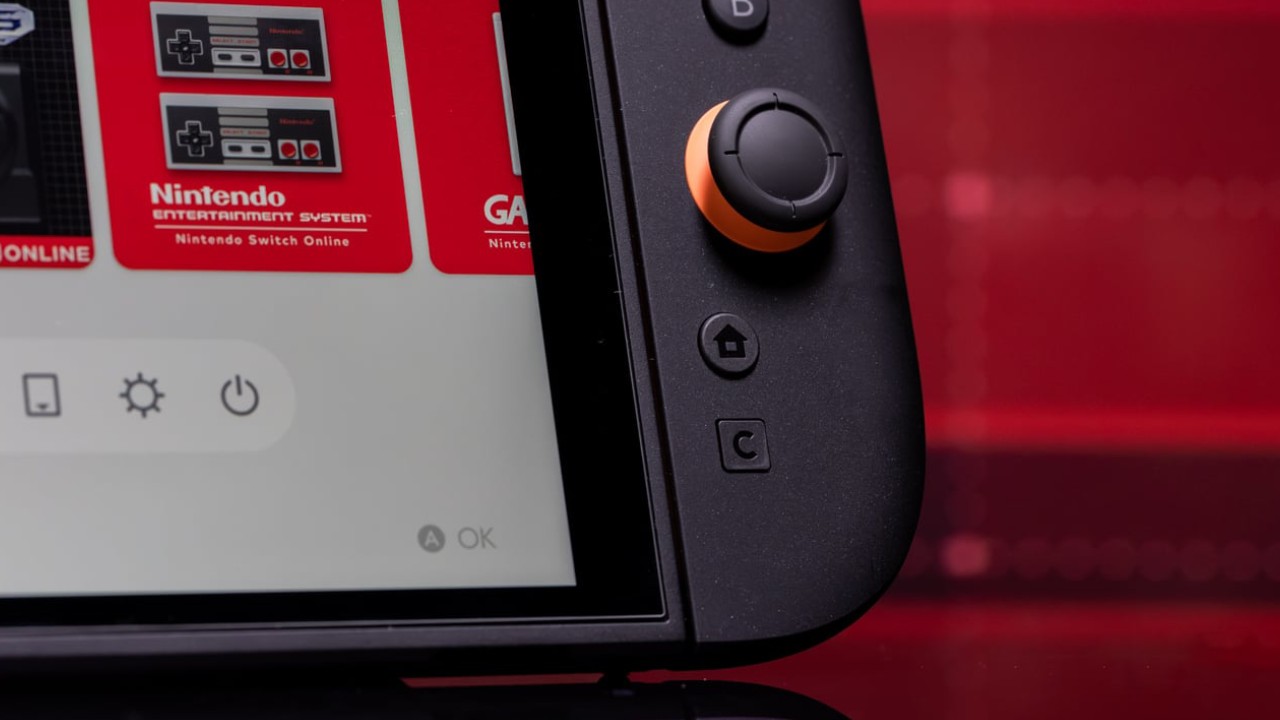
It's not just Sony and Microsoft that are feeling the effects of rising memory prices.
Reports using Bloomberg data say that in just three months, the price of memory units for the upcoming Switch 2 rose by about 41%, and the price of NAND rose by almost 8%.
Even though it doesn't mean a 41% higher total system cost, it shows how one part can have a big impact on the price and profit of something overall.
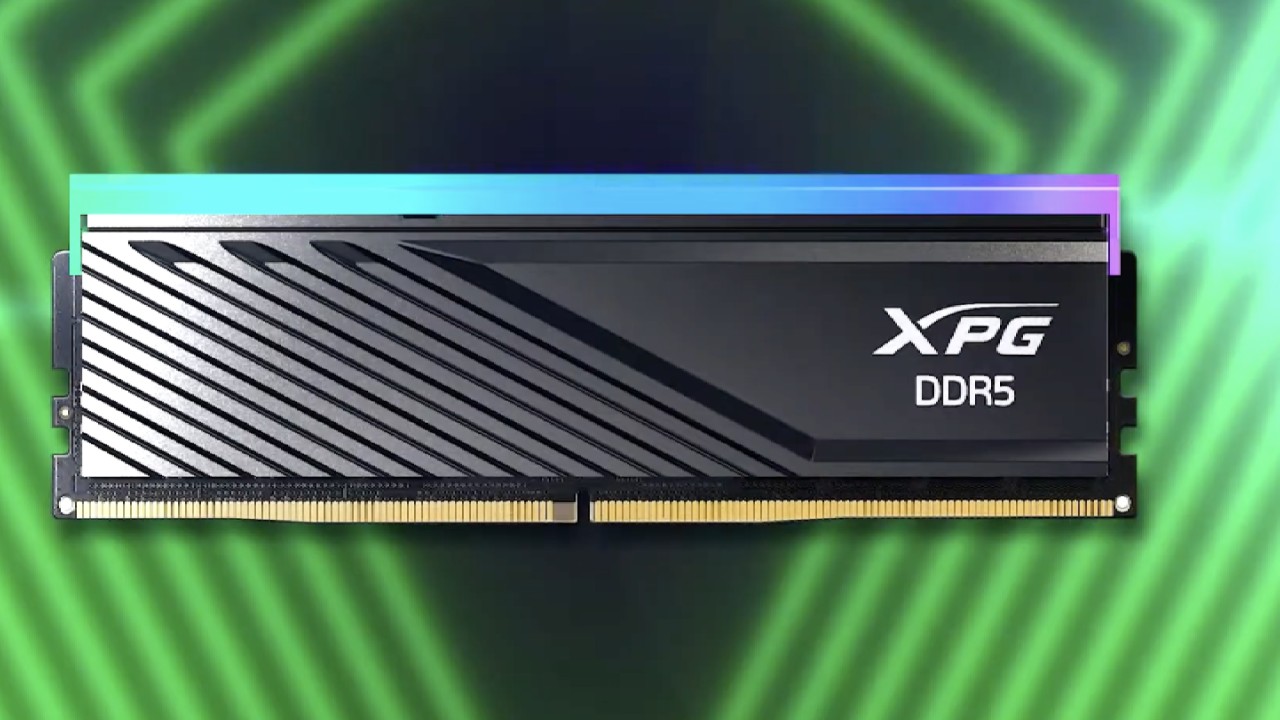
The PC market is also feeling these increasing pressures. DDR5 costs have risen significantly, and because DDR4 is cheaper, there are more rumors that it could make a comeback. Even though DDR4 isn't as good as DDR5, there is a significant gap between the best and the most affordable performance, especially for gaming systems.
Feedback from developers has also left people unsure about the start of the next generation. Many studios think the current age still has a lot more to offer in terms of technology and business. It has become very expensive to build new systems, and adoption rates haven't always been as high as expected.
People are worried that releasing very expensive new platforms too soon might lead to slow adoption, limiting the audience for game projects that are already too expensive. From a developer's point of view, pushing back the next generation by at least a year could give them more time to make the most of current hardware and make sure the shift goes more smoothly.
Even though this is annoying, there are some signs that things may get better.
Memory problems may stabilize over the next 6 to 8 months, according to experts in the field.
There are also rumors of new memory vendors emerging, which could help address supply issues in the long run. It's also possible that the people who make game consoles adjust the system specs to better reflect how the market really is. I
t's still possible to reduce memory capacity or release hardware in stages, including for systems focused on portability. But even LP memory used in portable gadgets is still pretty pricey these days.
In the end, it looks like no final choices were made. A lot depends on how demand for AI changes and whether the supply of memory can improve significantly. Making big deals with memory suppliers and chipmakers can be both risky and helpful. These deals could keep prices high or ensure long-term security.
For newer gaming systems like the PlayStation 5, using GDDR6 memory helps a little because data centers don't use it as much. Even so, the general lack of clarity impacts all kinds of devices, from gaming consoles to laptops, tablets, and cellphones.
The situation is still changing, frustrating, and heavily influenced by things outside of the gaming business. In the next few months, market changes could significantly affect the timelines, prices, and expectations for the next generation of game hardware.
Contributor, NoobFeed
Related News
No Data.