
RDNA 5 Release Timeline, Specs, and Console Impact: Latest Leaks
RDNA 5 architecture introduces significant improvements in compute unit efficiency, ray tracing performance, and memory management for next-generation GPUs.
News by Masaru Hoshino on Jan 17, 2026
Recent leaks, patents, and early architectural disclosures are making AMD's plans for the next few years obvious. RDNA 4 looks like a minor update focused on efficiency, but RDNA 5 and Zen 6 look like they have far bigger plans.
Together, they show important progress in the architecture of GPUs and CPUs, which could put AMD in its best position to compete in a decade.
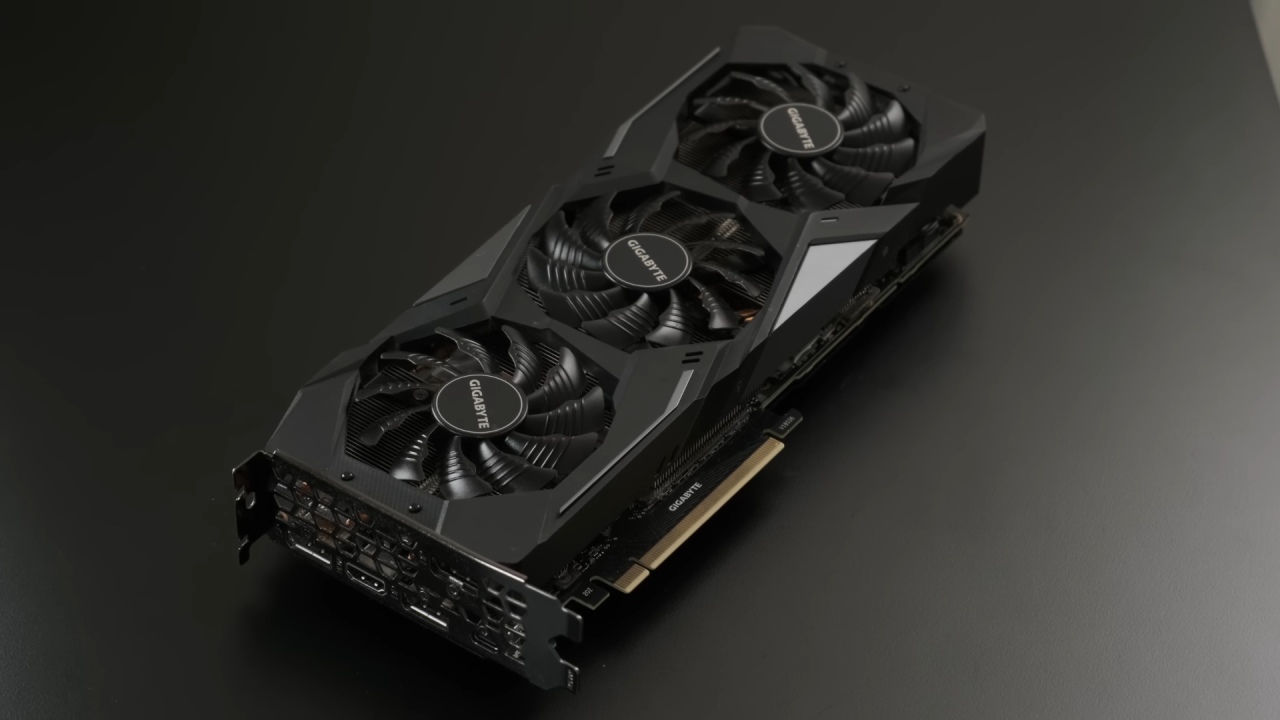
According to several sources and industry leaks, RDNA 5 is set to be a game-changing generation for AMD GPUs.
It makes three big changes to the architecture: a new neural array, new Radiance ray-tracing cores, and better universal compression. These improvements show that AMD is trying to fix its past problems while still doubling down on performance per watt.
The neural array is meant to make it easier for compute units and shader arrays to communicate. AMD hasn't given all the details, but it's clear what they want to do: improve throughput, reduce overhead, and boost ray tracing and upscaling performance, both of which are very important for modern gaming engines.
The Radiance cores may make the most difference. They seem to be AMD's biggest ray tracing revamp since RDNA 2. Some people who leak information think that RDNA 5's ray-tracing units might be able to do things that NVIDIA's current-generation implementations can do, and in some situations, even more.
Even the most cautious forecasts say that there will be at least a 30% increase every CU. With more processing units and higher clocks, RDNA 5 might finally deliver AMD ray-tracing performance that is competitive with, or better than, its competitors in flagship-level titles.
The third improvement, universal compression, reduces wasted bandwidth by compressing more data as it moves through the GPU and into VRAM. AMD might not need a very wide bus if GDDR7 is widely adopted. There are rumors that it will feature a 384-bit configuration with 24 GB of VRAM and more than 1300 GB/s of bandwidth, which is more than twice that of the RX 7900 XT.
Flagship gaming chip may feature 96 compute units, 50% more than AMD's RX 7900 XT. When you add in predicted IPC increases and mid-3 GHz clock speeds, the performance predictions are amazing: some analysts think the rasterization performance might be up to 1.8 times better than the 7900 XT. That puts the reported RX 1080 XT in direct competition with NVIDIA's RTX 5090, which could cost around $999.
These estimates increase significantly due to improvements in ray tracing. Adding CU gains and the predicted 1.3× ray-tracing efficiency per unit might make the total boost in ray-traced workloads compared to RDNA 3 close to 2.3×. This could be AMD's biggest architectural jump since RDNA 2 or possibly the famous Polaris → RDNA move.
The timing for RDNA 5 is still unclear. Some reports say AMD will showcase its portfolio at Computex 2026, with products launching in late 2026 or early 2027. Some people say AMD might wait until after NVIDIA's RTX 60-series launches, which is currently planned for the second half of 2027, because there aren't enough memory chips.
Memory availability is a major issue across the industry. There is strong demand for GDDR7 in AI accelerators, and board partners are worried about how to keep costs and supply in check. AMD is still keeping a close eye on the ecosystem, and Nvidia has already pulled certain devices due to memory issues.
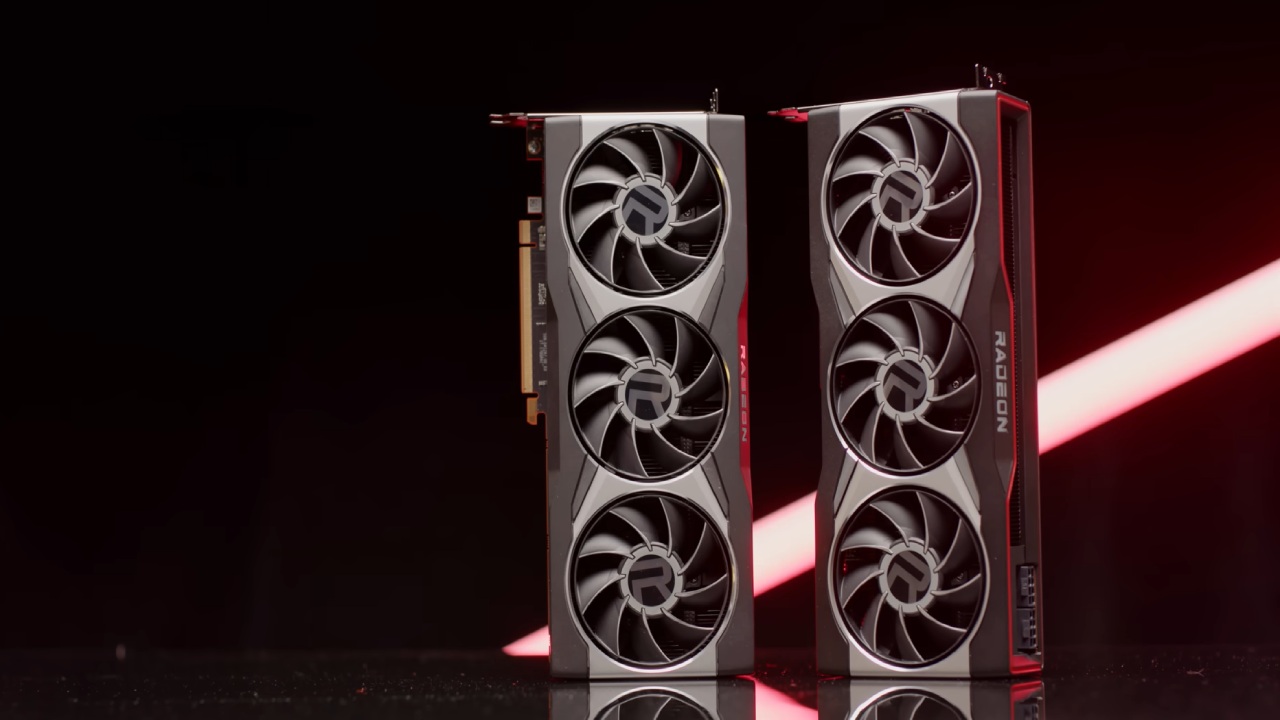
People think RDNA 5 will not only be used in PCs but also in the PlayStation 6 and future Xboxes.
There are rumors of three different RDNA 5 GPU silicon variants, codenamed 80, 81, and 82. The high-end 80 version is meant for cloud gaming devices, while the 82 version, which has been reduced down to about 64 CUs, is probably the basis for next-gen consoles.
Next-gen consoles need to be able to do ray tracing well and use power wisely. The Radiance cores and architectural improvements in RDNA 5 are exactly what these needs call for. The fact that Sony and Microsoft are working closely with AMD on this generation shows why they are doing so.
Zen 6 architecture is advancing AMD's chiplet innovation, alongside RDNA 5. Zen 6 doesn't completely change things, but it does provide a fan-out interconnect technology that replaces the old SerDes-based CCD interconnects. Zen 6 reduces latency and power consumption by relying less on serial data transmission.
The new method combines TSMC's superior packaging and redistribution layers, enabling many short parallel lines to connect chiplets. This gives the hardware extra bandwidth between dies, which is crucial because APUs include bigger GPUs and NPUs.
The initial Strix Halo APUs show some of the benefits of Zen 6, such as decreased latency, less power use, and chiplet architectures that can be used for both integrated graphics and complicated accelerators.
AMD seems to be in an intensive architectural development phase between RDNA 5 and Zen 6. RDNA 5 could provide the business with its best high-end GPUs in years, with performance that rivals Nvidia's top-of-the-line models but at much lower pricing. At the same time, Zen 6 improves AMD's CPU efficiency and scalability, particularly in APU designs.
If the leaks are true, 2026–2027 could be AMD's best chance to change the way things are done in the desktop, laptop, cloud hardware, and next-generation console markets.
Editor, NoobFeed
Related News
No Data.