
Square Enix Just Skipped the Line; Why Remake Dragon Quest VII Now?
Cut chapters, new episodes, revamped pacing, and handcrafted diorama visuals hint at a series-wide reawakening.
News by Zahra Morshed on Nov 29, 2025
In the world of Dragon Quest, a long-awaited return is starting to take shape. Dragon Quest VII, which came out in 2000 for the PlayStation, is getting close to its 25th anniversary. Its reimagining marks a deliberate change in how the series revisits important moments in its history. Since earlier remakes focused on the first trilogy, the decision to go straight to the seventh entry makes people wonder, be curious, and feel a little tense about where Square Enix wants to go with this.
Takeshi Uchikawa, the producer, says the choice was made because Dragon Quest VII is so special. Unlike most stories in the long-running series, this one is told from the point of view of an everyday main character. It doesn't have a royal family, a prophesied future, or inherited power. Just a boy from a fishing village whose trip changes him over time. This grounded view, which isn't common in the series, makes the story appealing to a new group of modern players.
.jpg)
The first title was known for being long, hard to understand, and starting very slowly. A lot of players remember how long it took them to get to the first fight. Uchikawa, who played the game as a child, knew how easy it was for new players to give up before they could fully enjoy it. The goal of the reboot is to keep the original's spirit while making it easier to get started. The goal is to honor the past while getting rid of the things that kept some fans from appreciating its depth.
In order to do this, the developers paid close attention to how the game was put together. Dragon Quest VII is made up of many shorter stories that are all connected to islands in different times. The remake changes the pace by moving stories around and making them less annoying. Seven curves were looked at in detail. Four stays the same, but it's now available so that players don't feel too overwhelmed.
Three scenarios are taken out completely so that the development is more focused. This method cuts down on the main road while keeping the world's size the same.
The changes don't end with cuts. New episodes have been made to strengthen the emotional connections between characters and make the story more interesting. The development team wanted to make the connection between players and the lead cast stronger. Some new content adds to the links between the main characters from their childhood. The other additions give us a look at companions at different times of their lives. These improvements are part of a larger plan to improve stories rather than just cut them down.
Uchikawa stressed how important it was to focus on the characters in the stories. Dragon Quest games are all about connecting people who are going on long trips together. The remake adds more story density by going into more detail about characters' pasts and giving important friends new scenes. Fans who already know the story can see it from a different point of view, and it makes the characters easier for people who are finding them for the first time to get to know.
Also, the art style is a big change. Dragon Quest VII's characters were first made in a chibi style, which means they were shorter and rounder than characters in most other games. To stay true to that look, the team tried out a few different styles before deciding on one that looks like it was made by hand and is reminiscent of detailed dioramas. The characters look like articulated dolls that have been put in small settings. I got ideas for the look from stop-motion animation and puppet shows, which make for a striking new take on the game's world.
This artistic choice led to the choice of a top-down view that looks a lot like the original. The people who worked on it found that the handcrafted settings looked best when looked at from a distance. Even though zoomed-in views were more dramatic, they slowed down exploration and made it harder to see important visual layout features. The wider view makes things clearer and goes well with the tiny world style, which adds to the idea that the world is like a storybook come to life.
Changes to the gameplay are also very important. When players switched vocations in the original class system, they had to start over with their success. In the remake, there is a system called "moonlighting" that lets people keep up a second job while they learn how to do their main job. This design lowers the difficulty spike that comes with switching jobs while still encouraging people to try new things. It lets players change how their characters are built, try out hybrid archetypes, and find combos that work for them.
The choice fits with a larger effort to make things more accessible. While Dragon Quest is still very popular in Japan, it has not been as popular in Western areas in the past. The team and Uchikawa are well aware of this difference. They think of modern remakes as bridges that are meant to bring in younger players, PC users, and fans who are new to the series. By changing the menu system to a tab-based interface, this goal was met by making the layout more familiar to modern players.
Square Enix knows how important it is to show Dragon Quest as a series that is always changing. Beginning with the Erdrick trilogy and now this big reimagining, the remake strategy points to a long-term plan to bring new audiences to each generation of classics. This change was clear in how people responded to the news during the Nintendo Direct. The title was very popular in Japan and sparked a lot of talk in the West, which shows that more people are interested in what will happen next in the series.
Uchikawa said that the team wants longtime fans to find changes that are important. Story beats have been moved around, remade, or added to in ways that make it easier for returning players to see familiar scenes in a fresh way. The original story is still there, but the flow has been improved. The end result is a building that honors the past while also feeling fresh and up-to-date.
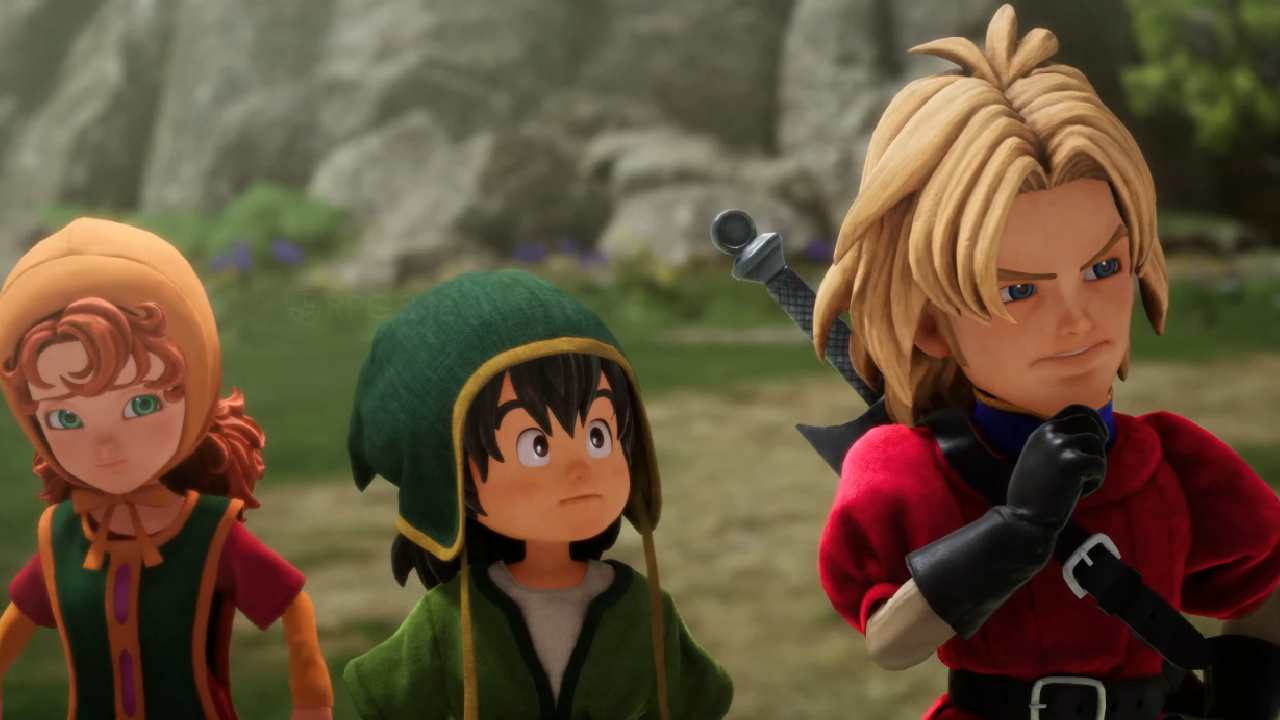
People have long said that the first episode was too slow, but now the producer sees it as a highlight. He thinks that the new opening takes players more quickly to the heart of the game by giving them a more interesting way to enter the world. This change shows how much thought was put into fixing the things that needed fixing without changing what people loved about the story.
As people get more excited for the remake's release, it stands as an interesting mix of history and innovation. Dragon Quest VII keeps its huge size and mysterious island-hopping, but it gets rid of the stiffness that used to limit its reach. It keeps the emotional core of the game while adding more complexity to the characters and making the story clearer. It honors Akira Toriyama's work while using a completely different visual style.
It's a great way for new fans to start reading one of the biggest stories in the series. For veterans, it offers new parts of a journey they've already been on. It also marks a sure step for the series as a whole into a new era of world importance.
Contributor, NoobFeed
Related News
No Data.