
Steam Deck 2 Wishlist Features and Expected Upgrades Explained
Steam Deck 2 expectations focus on stronger performance, improved efficiency, refined design, and a more advanced display experience.
News by Shinji Okazaki on Mar 27, 2026
Steam Deck helped shape how people play PC games on the go today. The category already existed, but the device received more attention because it was a simple, effective way to play enormous Steam libraries on the go. People are still talking about what they want from a new version of the device, four years after the last one.
We want a form factor that is cleaner and more polished. The existing item feels heavy, and even though it works, a thinner and smaller design would make it easier to carry. We know the overall layout may stay the same, even with changes to things like trackpads, even if some of us don't use them very often. In desktop mode, touch input may be easier to use most of the time, which makes you wonder how important those trackpads really are. We think the display quality will improve significantly.
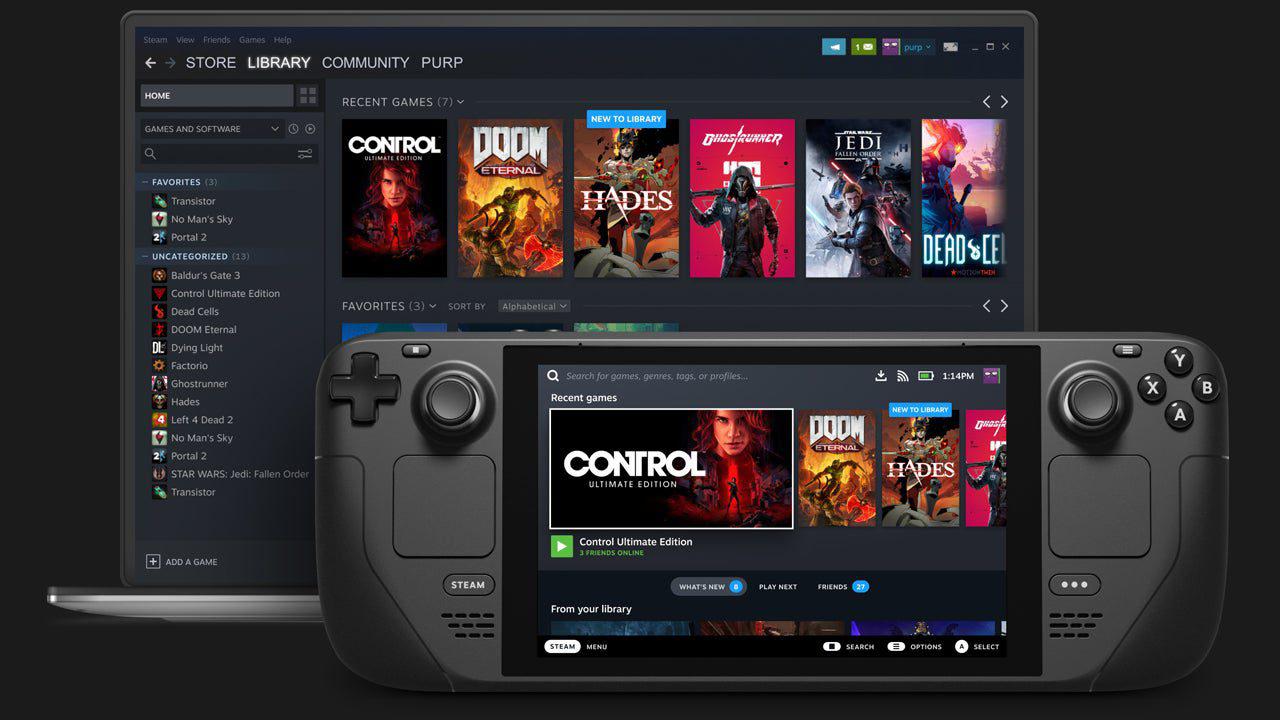
Moving to at least 1080p would make things clearer, even if resolution isn't the only thing that matters.
A 120Hz refresh rate and an OLED panel would provide a better experience by making everything run more smoothly. You might also prefer a bigger screen with fewer bezels to make the most of the space you have. For the future, a size of about 8 inches or more seems like a good starting point.
Some of us also want features like VRR to make frames move more smoothly. This would help eliminate irregularities in motion and make the game feel better overall.
We think performance will improve significantly. Zen6 and RDNA5 together would naturally give better outcomes than an older design, but we want more than just a little improvement. It is crucial to run demanding games, notably Unreal Engine 5 titles, at steady settings without making too many sacrifices. You might prefer medium settings at 30 fps to relying too much on upscaling techniques.
Also, efficiency is important. We want a system that uses only the electricity it needs and can adjust its performance based on the amount of work it has to do. A game that isn't too heavy should use less power, but a game that is too heavy should be able to push performance even farther.
People are also talking about ARM-based processors. They are more efficient, but they still have compatibility issues. We know this change may not happen right away, but it remains a possibility for the future.
We want better controls, but not big changes. The arrangement works; however, the D-pad and face buttons could be better. The triggers and back buttons are fine, but the general quality of the input should seem more accurate. You might not need more buttons, but they must work the same way every time.
We want more ways to connect. Adding another USB-C connector would make the device more useful, especially for desktop use. When attaching peripherals, you may find the single port restrictive. A connector for docking on the bottom might also make it easier to use by making the docking arrangement look nicer without cables sticking out.
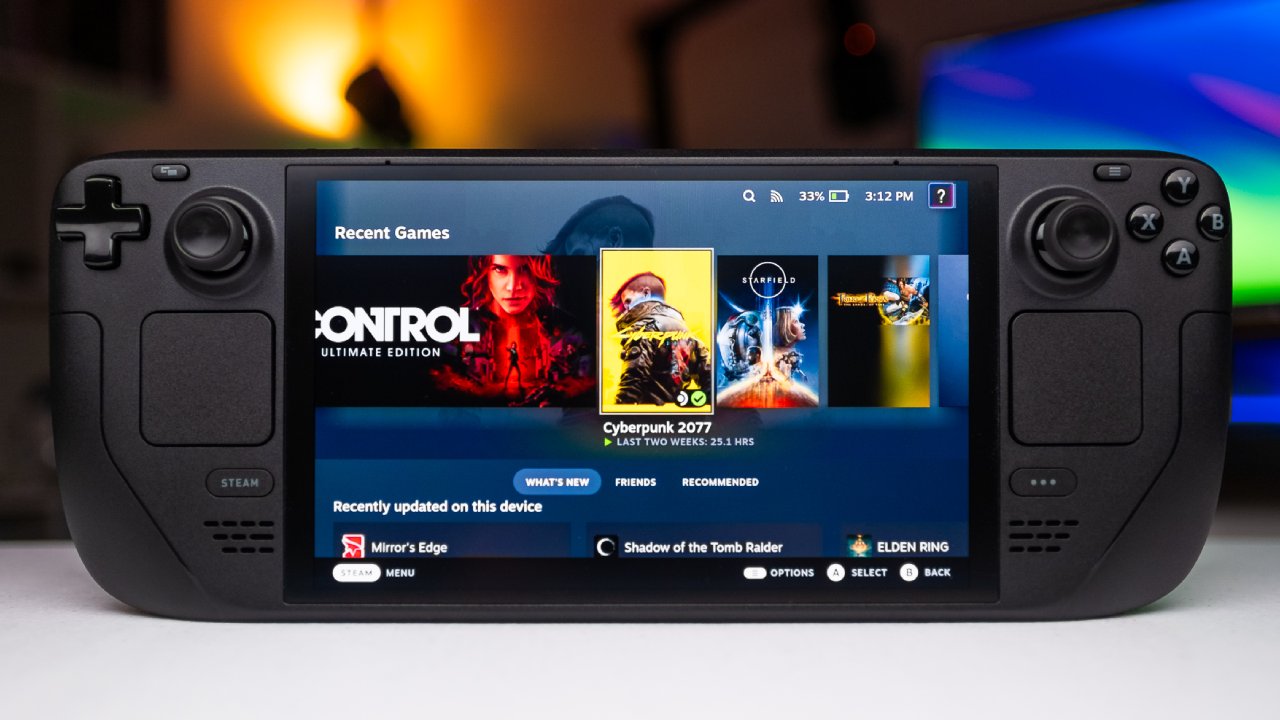
We want the software to change as the hardware does. The existing interface works, but it seems broken up. It can be hard to navigate menus and use functions.
A UI that is more uniform and streamlined, making it simpler.
We also want the system-level optimization to be improved. Automatic TDP modification based on the game being played is an example of a feature that would make the program easier to use. Community-driven performance profiles might also make the experience even better.
We want a display that is bigger and more comfortable. A larger screen makes the device easier to use, since many of us use it at home rather than on the go. A display that feels more like a larger mobile device might make long play sessions more comfortable. In this instance, you might prioritize comfort and visibility over portability.
We see two ways to do this. One is about promoting innovation by changing what people expect, while the other is about making what already works better. Both ways are good. We want changes that make sense and don't detract from what makes the current device great.
The gadget needs to work better, be more efficient, look better, and have a stronger screen. You could put different traits higher on your list. The main goal, on the other hand, stays the same: build on a strong base to make the mobile experience stronger and more balanced.
Editor, NoobFeed
Related News
No Data.