

SteamOS 3.8 Brings Massive Upgrades to Steam Deck, VRR Support, and Handheld Compatibility
Valve SteamOS 3.8 update enhances graphics drivers, desktop mode, and system stability for improved gaming and user experience.
News by Nakiro on Jun 19, 2026
Valve has pushed the SteamOS 3.8 upgrade to the stable branch, one of the biggest updates the Steam Deck has had in recent memory. This release includes many enhancements, bug fixes, component updates, and new hardware support to boost performance, stability, compatibility, and overall user experience. Beyond only the Steam Deck itself, the upgrade also lays the framework for more portable support and future SteamOS-powered devices.
A big part of SteamOS 3.8 is the extensive set of component changes accompanying the release. Valve has pushed out an update to the Arch system base, the Linux kernel, the Mesa graphics driver, and the KDE Plasma desktop environment.
Most of the Arch system's focus is on stability and security improvements that lead to a more robust SteamOS experience.
Meanwhile, the new Linux kernel adds wider support for developers and hardware, contributing toward a more reliable and secure environment across supported devices.
Valve also updated the Mesa graphics driver to version 25.3. This update is anticipated to improve the performance of a variety of games and may also enable support for technologies such as AMD Anti-Lag. The game-by-game performance adjustments haven't been completely recorded yet, but newer titles may potentially benefit from the improved graphics stack.
The KDE Plasma update delivers several important improvements for Steam Deck users who frequently utilize desktop mode. New support has been added for variable-refresh-rate and HDR displays, and support for rotated displays has also been improved.
Several scenarios where desktop mode performance lagged behind gaming mode have been addressed, resulting in a more responsive experience. Numerous KDE Plasma components have also received significant overhauls. These include improvements to the drawing tablet page, more accurate CPU and hardware monitoring, enhanced security within the Discover software store, and a major redesign of Spectacle, the built-in screenshot and screen recording utility.
These upgrades should prove especially useful when using desktop mode on a docked Steam Deck setup. Devices connected to external monitors will benefit in particular from improved HDR and variable refresh rate support.
SteamOS 3.8 also includes new BIOS updates for both the Steam Deck LCD and OLED models.
For Steam Deck LCD users, the BIOS update introduces a memory power-down setup option and preliminary hibernation support, alongside important security updates. Steam Deck OLED users receive security improvements and a quality-of-life enhancement that changes the charging LED color when a configured charge limit is reached, rather than only when the battery reaches 100%.
Several system-level improvements have been made to connectivity and audio functionality. Screencasting through applications such as OBS and Discord has been improved for greater stability. Valve has also enhanced support for games that attempt to open PDF files through external applications.
Wi-Fi issues that caused degraded performance until the Steam Deck entered sleep mode have been addressed. Steam Deck LCD users will also see the return of Bluetooth wake functionality.
Audio has also received multiple improvements. A new setting allows Bluetooth headset microphones to be used more effectively. At the same time, several bugs have been resolved, including an issue where audio could completely disappear after a reboot until the system was restarted again.
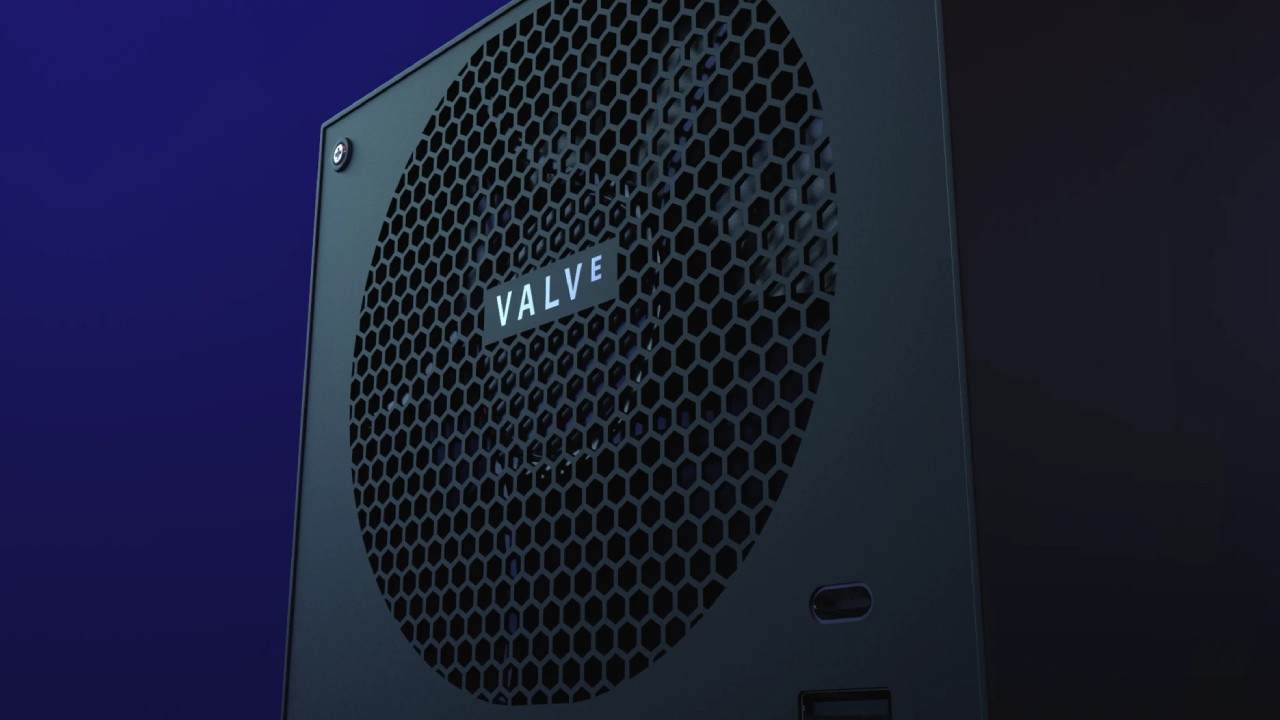
Users who frequently connect their Steam Deck to external displays will benefit from several notable upgrades.
SteamOS 3.8 introduces preliminary support for HDMI variable refresh rate on devices with native HDMI output. This enhancement is particularly important for future SteamOS-powered hardware featuring HDMI connectivity, though it may also benefit future desktop-oriented SteamOS releases.
Variable refresh rate pacing has also been improved. Variable refresh rate technology allows screens to adapt their refresh rates to match a game's frame rate, eliminating screen tearing and providing a more seamless gaming experience.
The Steam Deck does have manual refresh rate settings which work well for targets like 40fps and 45fps, but variable refresh rate support can make gameplay feel even smoother when your performance fluctuates.
SteamOS 3.8 also provides early support for future SteamOS hardware. The update brings preliminary compatibility for the Steam Machine, so Valve is still getting some of their next gear ready to go. It is an interesting time for this support, coming as anticipation rises for Valve's next hardware efforts.
Valve has continued expanding SteamOS compatibility with non-Steam Deck handheld gaming devices.
Initial firmware support has been added for upcoming Intel handhelds using Arc G3 APUs. Controller support is now available for the ONEXPlayer X1 and Legion Go 2. The Legion Go 2 also supports controller LED control, controller and system firmware, and improved SD card compatibility.
Additional SD card readability improvements affect multiple handhelds, including the Legion Go family, ROG Ally devices, and MSI Claw systems. ROG Xbox Ally series adds speaker audio, controller support, and TDP controls. The MSI Claw handhelds also support controllers.
The size of these additions suggests that Valve is still laying the groundwork for wider adoption of SteamOS on third-party portable hardware. Some of the support may come from community and developer contributions. Still, the fact that these modifications are included in the official changelog shows that preparations for wider SteamOS distribution on more gaming handhelds are becoming more serious.
SteamOS 3.8 is a major improvement to virtually every area of the operating system. It offers core component updates, desktop mode improvements, BIOS changes, audio corrections, display upgrades, and enhanced handheld compatibility, bringing substantial improvements for current Steam Deck owners while paving the way for a bigger future SteamOS environment.
The upgrade improves system reliability, improves compatibility with modern hardware, and adds support for new handheld platforms, making SteamOS 3.8 one of the most feature-packed releases to the platform thus far.
Editor, NoobFeed
Related News
No Data.