
The Adventures of Elliot: The Millennium Tales Review
PlayStation 5
Old-school charm and stellar combat clash with an over-written script.
Reviewed by Elme Dhee on Jun 18, 2026
Square Enix's Team Asano has quickly built a brilliant reputation for rewriting the rules of retro gaming. They’ve learned how to make the old feel brand new again through major franchises like Bravely Default and Octopath Traveler. Their design philosophy has always centered on a nostalgic look at classic 16-bit frameworks, injecting them with modern mechanics.
This specific creative identity has earned them a dedicated following among players who miss the golden age of Japanese role-playing games. With The Adventures of Elliot: The Millennium Tales, the studio bravely applies this exact same philosophy to an entirely new style of gameplay. Instead of building another turn-based system, they have crafted a real-time action adventure that honors top-down classics like The Legend of Zelda and the Mana series.
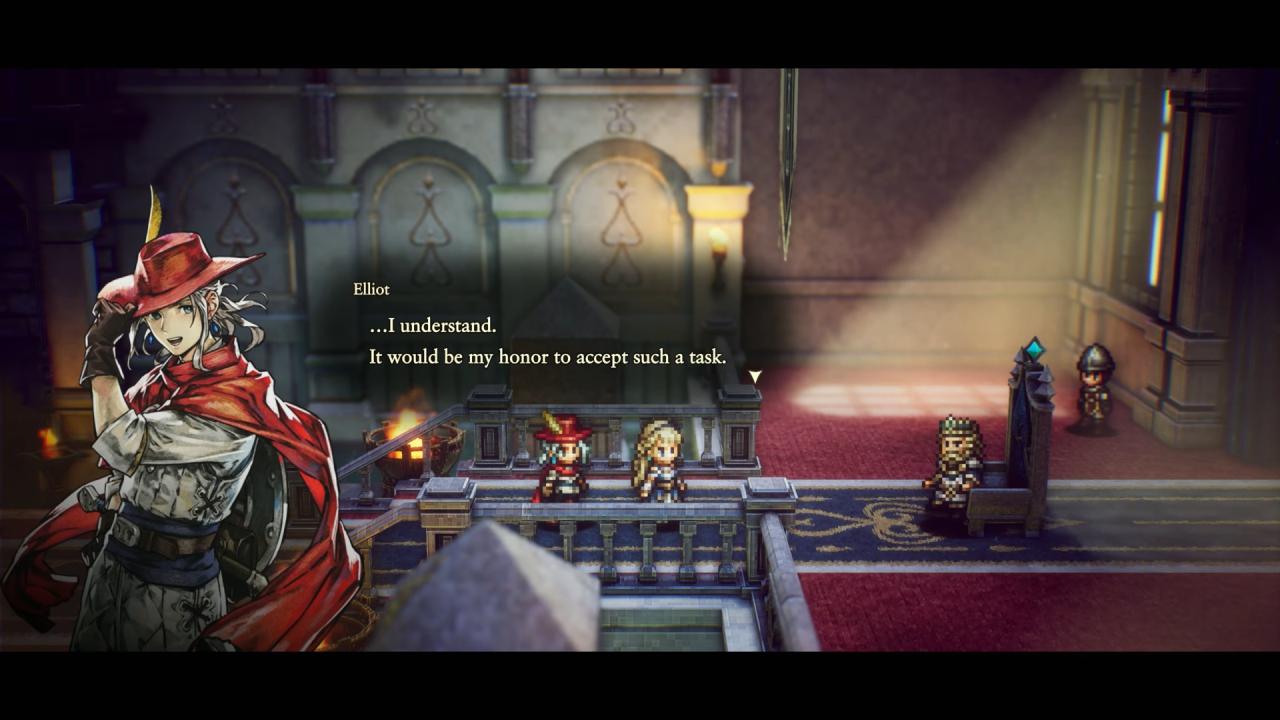
This bold transition represents a major evolutionary leap for a studio previously defined by menu-driven combat loops. They take their own very different design sensibilities into the fast-paced environment, and this change of genre is an incredible feat of creative courage. They aim to bridge the divide between disparate historical design philosophies through the lens of their signature visual style in real time.
The resulting project feels immediately familiar to anyone who grew up with a Super Nintendo controller in their hands. Yet, it introduces modern conveniences that keep the overall package from feeling archaic or dated. While the game succeeds wildly when you are actively fighting and exploring, it struggles slightly under the weight of its own script.
The transition into real-time combat is a massive mechanical success, but some text-heavy habits carried over from their traditional RPG roots occasionally drag down the pacing. The game breaks up its own great gameplay momentum too often with large amounts of text, interrupting the natural flow of exploration. That structural friction is the main problem with the experience, creating a constant tug-of-war between fluid combat and over-explained lore.
A hero journeys through obscure historical ages to save a kingdom.
The Adventures of Elliot: The Millennium Tales is set in the peaceful fantasy kingdom of Fila Beldia. The king is benevolent, and the princess’s protective barrier keeps the kingdom safe. The magical barrier is a passive spell that protects the immediate castle grounds from outside threats. Beyond those walls, however, lies an incredibly hostile wilderness that normal citizens simply cannot navigate safely.
Outside the castle walls lies a dangerous wilderness overrun by hostile, aggressive beastmen who threaten the peace. Because of this constant threat, the title of "Adventurer" is an actual, highly respected profession for wandering mercenaries who protect the people. These are the only ones permitted and trained to brave the elements and fight off the monstrous forces lurking in the shadows. Elliot is one of these adventurers, operating as a wandering freelancer who takes on odd jobs for the populace.
The plot officially begins when a corrupt duke discovers how to travel through time to steal a powerful relic. Elliot immediately gives chase, sparking a massive journey that sends him hopping back and forth across different eras of the kingdom's history. He finds himself traveling farther and farther back into Fila Beldia's ancient timeline to fix history. This setup opens the door to a grand narrative structure that, in theory, shows the rise and fall of a civilization.
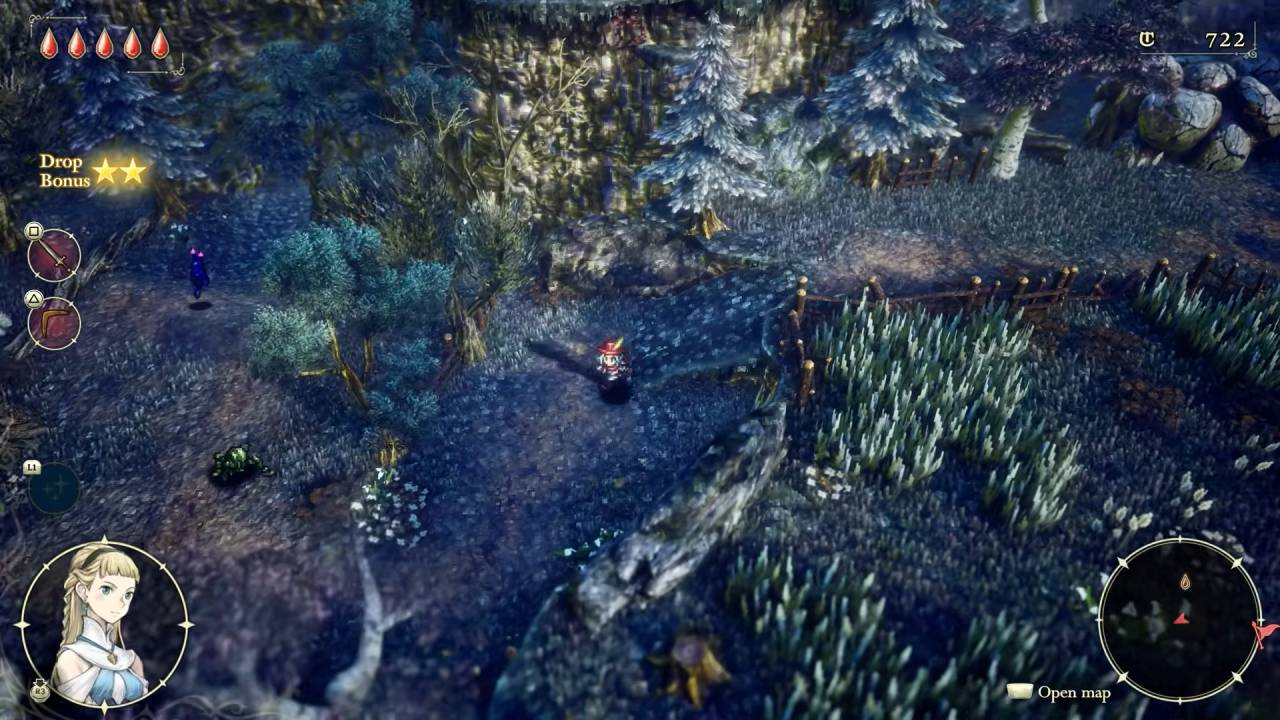
Unfortunately, the game fails to fully capitalize on this time-hopping setup because the eras feel a bit vague and identity-less. While the concept draws heavily on Chrono Trigger, it lacks the distinct historical shifts that made that classic so memorable. The time periods are not separated by clearly defined spans of centuries or distinct cultural revolutions. Instead, you explore four nebulous periods that blend together because the physical map layout barely changes over generations.
We learn about a great, advanced magical society that eventually collapsed into an era of total Ruination, but the visual differences remain minimal. The structural configuration of Fila Beldia remains almost untouched across eras, which is really useful for manual navigation but bad for the story.
There are small flashes of brilliance, such as a side quest involving a cruel bar owner whose ancestor you can teach about basic kindness in the past. Watching that single lesson echo through generations, changing the future, is fantastic, but these moments are rare exceptions.
Smart modernization and flexible customization frameworks drive the core loop.
On a purely mechanical level, The Adventures of Elliot: The Millennium Tales serves as a brilliant leap forward for modern top-down adventures. Navigation across separate timelines is kept incredibly fluid thanks to functional guideposts scattered across the world. These points act as instant landmarks, allowing you to quickly warp and orient yourself when jumping between different centuries.
The developers have clearly spent a lot of time analyzing the common frustrations of old-school adventure games to remove tedious friction. They've also added fantastic quality-of-life features, such as clear map markers and custom menus that make it easy to track your side objectives.
The game even gives you an automated warning if a main story quest will accidentally cancel an ongoing side quest. This transparent design ensures that you never feel cheated out of content by making a natural story choice. Winding pathways can still make physical navigation a bit confusing, but the consistent map design keeps you grounded.
Character progression is tied to an incredibly flexible socketing upgrade framework known as the Magicide system. Every weapon and piece of armor has dedicated slots where you can place found elements to completely customize your build. This system gives you a lot of tactical freedom, allowing you to tailor Elliot’s statistical strengths to your particular playstyle. It completely replaces traditional, linear level-ups with a highly dynamic, gear-focused loop.
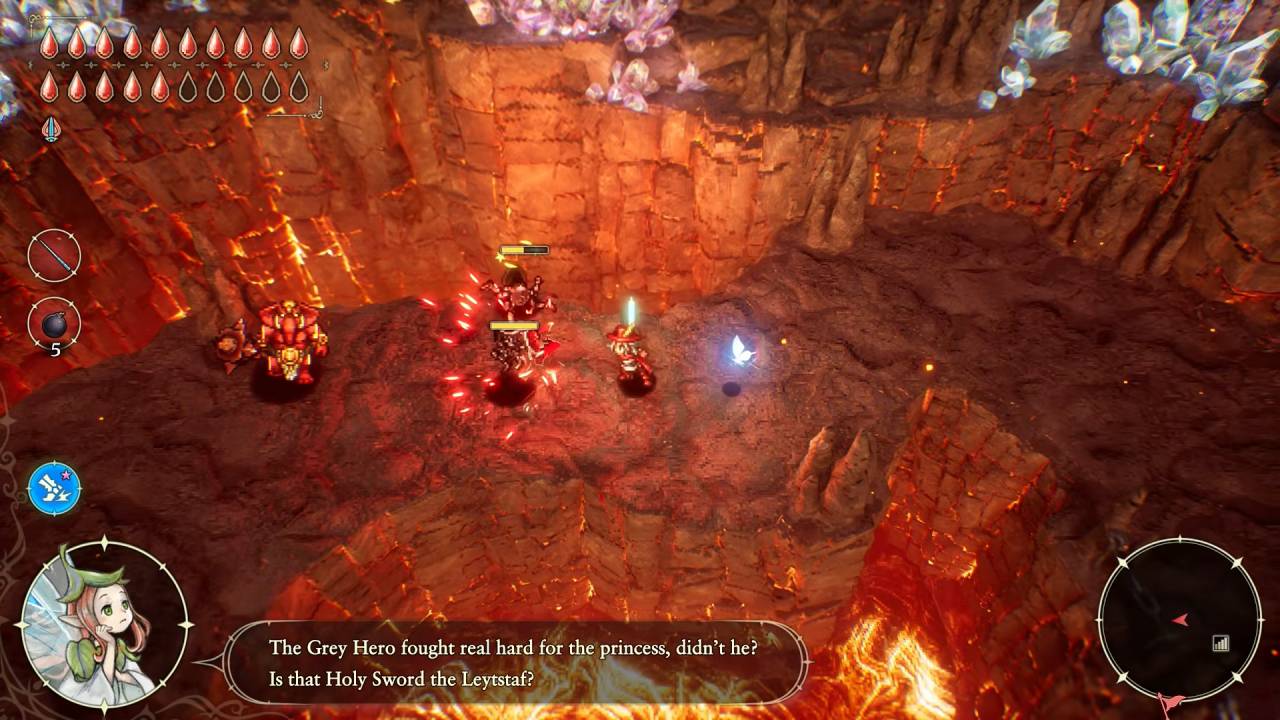
Magicide pieces can boost your raw physical damage, provide critical defensive bonuses, or attach elemental attributes to your favorite blades. You can hunt down these upgrades in the wild or turn in collected fragments to receive randomized drops, gacha-style. Finding fragments encourages you to explore every optional corner of the map and thoroughly clear out dungeon chests.
As you acquire more powerful pieces, your total upgrade level increases, granting access to even higher tiers of customization. If you love min-maxing stats, the system offers excellent depth, but there is also a quick-command feature that lets your companion automate a balanced build for you.
This automated option, handled by your companion Faye, does a surprisingly decent job of creating a viable loadout. It ensures that players who just want to experience the action can bypass the spreadsheet management entirely. There are also accessory slots that can add things like a hover-jump ability that changes the way you approach platforming sections entirely.
Fast-paced combat encounters balance weapon diversity with responsive defense.
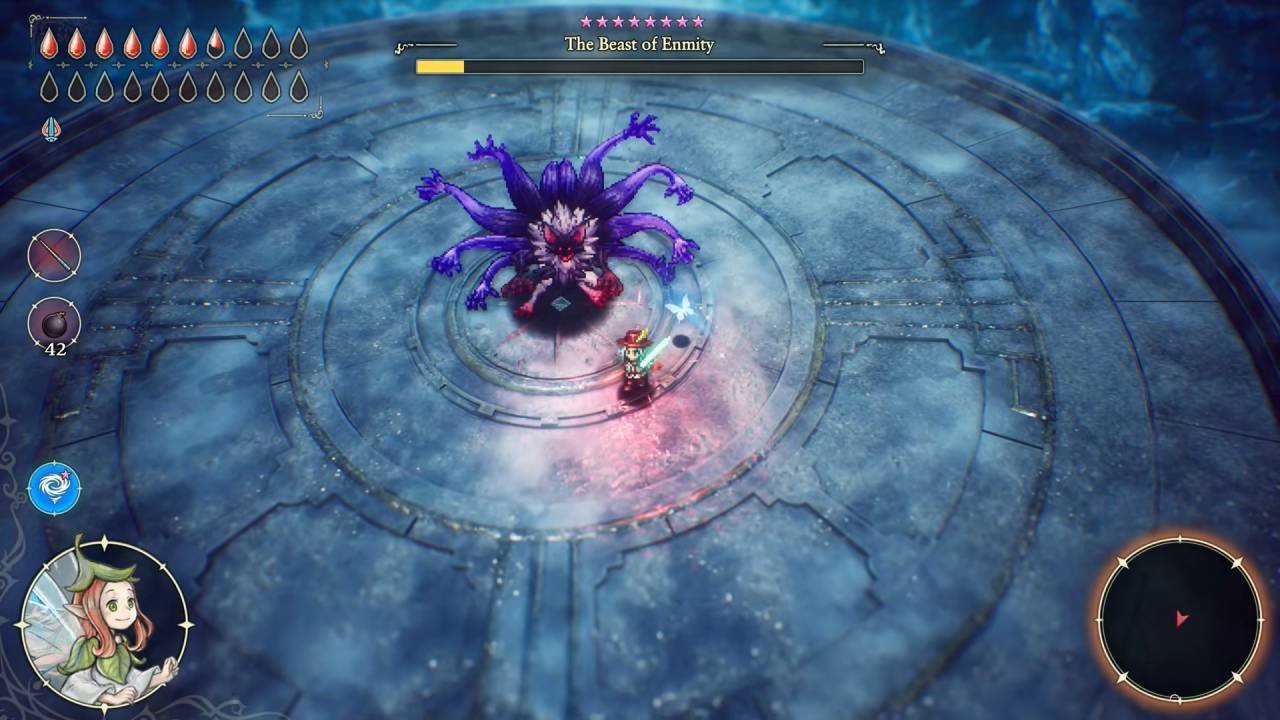
The absolute high point of The Adventures of Elliot: The Millennium Tales is real-time combat. You’ll find crisp controls and high-octane encounters. Elliot has a massive arsenal of unique weapons with well-defined mechanical trade-offs of speed, reach, and recovery. You will be able to switch between these weapons on the fly to deal with different types of enemy threats.
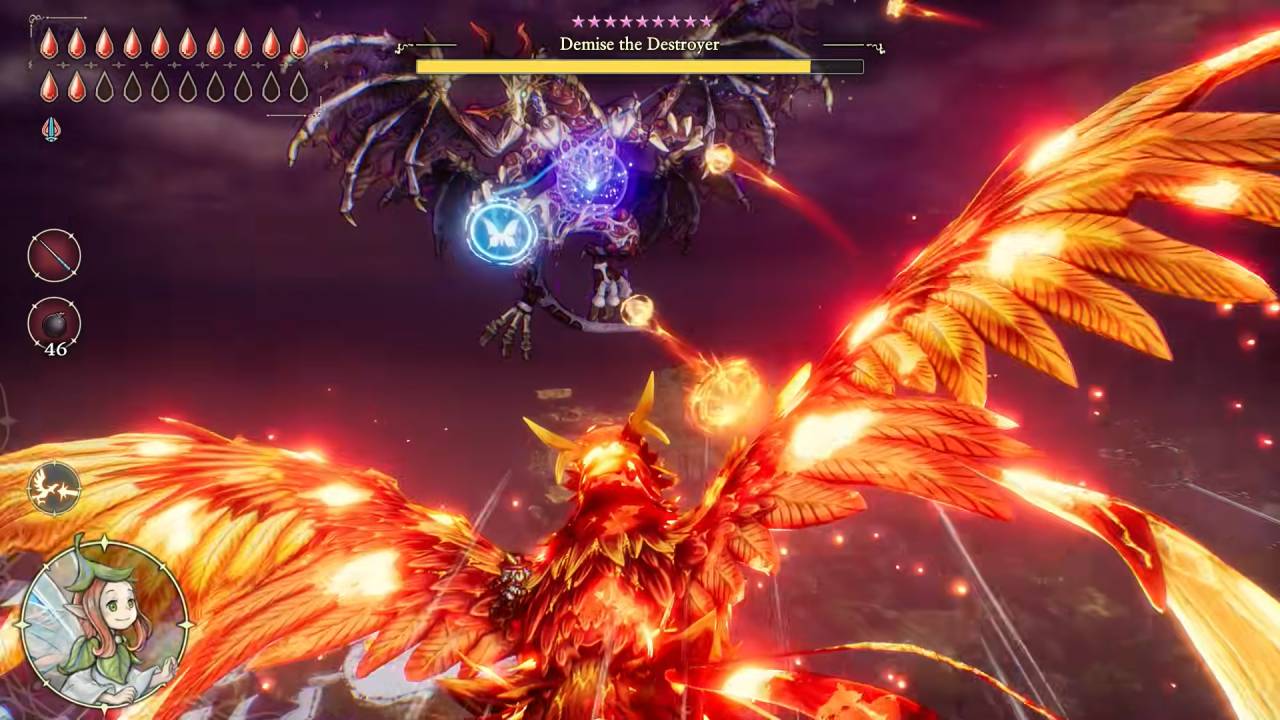
The abundance of weapons keeps the core gameplay loop fresh and fun for extended periods of gameplay, and weapon upgrades unlock powerful charged abilities with spectacular visual effects that let you dominate the table. When timed well, charged strikes can obliterate entire groups of lesser monsters or stagger huge bosses.
Defense is equally fun with a dedicated shield button that provides standard blocking and a fun, precise parry mechanic. A successful parry opens enemies up for attack, making defense an important tactical weapon in its own right. The game also has a dedicated jump button, letting you leap over ground shockwaves or skip light platforming sections in dungeons.
This verticality lends a wonderful sense of athleticism to the combat, letting you dodge attacks that shields can’t block. Your combat capabilities can be further customized by your accessory choices, allowing you to specialize in evasive maneuvers or heavy counter-attacks. The resulting combat system feels incredibly expressive and mechanically deep.
The enemy variety is a matter of classic retro palette swaps, but the combat encounters remain fresh by combining different monster archetypes. Stronger variants of early-game beastmen come back later with entirely new elemental spells and aggressive attack patterns. The game beautifully balances these groups, forcing you to prioritize ranged casters while managing front-line brawlers. This constant tactical reshuffling ensures that no two combat arenas feel exactly the same.
The skirmishes are intentionally designed to be fast, snappy, and deeply satisfying to execute from start to finish. Even when you are in a rush and can easily run past enemies, the core loop is so fun you will stop just to fight. The immediate mechanical reward of executing a perfect parry or landing a fully charged weapon strike is incredibly high. That intrinsic fun factor is the ultimate sign of a brilliantly realized action-adventure combat system.
Over-explained dialogue and uneven mechanics slightly hinder the overall pacing.
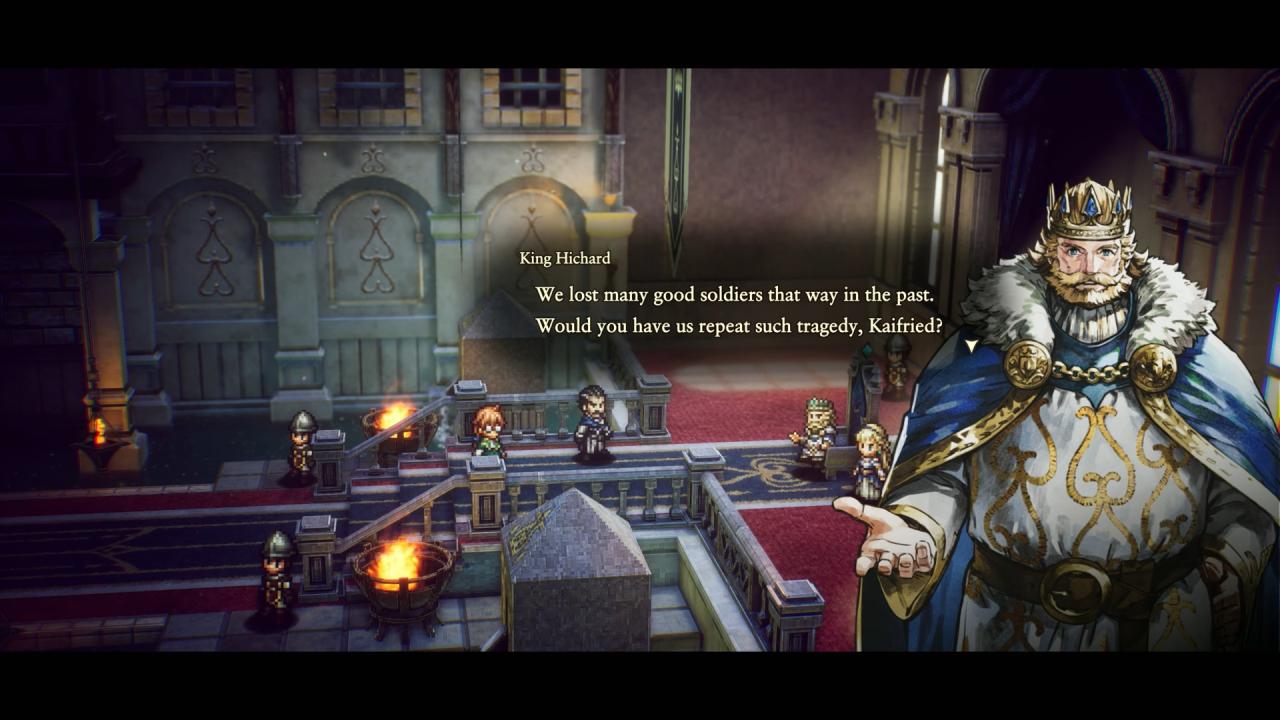
The game's excellent momentum hits a sudden wall whenever the characters stop fighting and start talking. Where the writers struggle is with character execution, resulting in long, drawn-out dialogues that often take you out of the experience. Dungeons give way to long narrative sequences that explain plot points with far too many words. This verbosity creates a frustrating pacing issue, turning a snappy action game into a slow-moving visual novel during key transitions.
Traditional top-down games used silent protagonists so players could project themselves onto the hero, but Elliot is given an incredibly talkative voice. He is written as a remarkably earnest, almost hokey do-gooder who constantly receives endless praise from every single NPC he meets. Instead of a hero who accepts his fated quest with quiet dignity, Elliot must talk through every motivation. This lack of narrative restraint leaves very little room for subtext or personal interpretation.
Because his only defining trait is wanting to be a helpful guy, his sugary personality can start to feel a bit cloying over time. The game rarely complicates his worldview, leaving him as a flat, one-dimensional cipher for pure goodness. Characters frequently mention that he is a mercenary who takes payments, but he ultimately works pro bono for almost everyone. This lack of character shading makes it difficult to stay invested in his personal journey.
This issue is exacerbated by his fairy companion, Faye, who talks constantly in a sickly-sweet tone throughout your journey. She acts as a visual sounding board for Elliot, offering constant commentary on your surroundings and objectives. While she is mechanically useful, allowing you to physically move her around with the right stick to find items, her voice lines quickly grate on your nerves. She represents the worst tendencies of the game's over-written script.
Thankfully, the menu includes a toggle that lets you significantly reduce her chatty exploration comments. This feature is a literal lifesaver for the overall pacing, letting you explore the beautiful world in relative peace.
The pacing slows further because every minor quest-giver insists on explaining their entire backstory in agonizing, exhaustive detail. The retro classics thrived on an economy of language, but The Adventures of Elliot: The Millennium Tales suffers from severe over-explanation between major dungeons.
Beautiful diorama presentation proves the brilliant versatility of the HD2D aesthetic.
Visually, The Adventures of Elliot: The Millennium Tales is a spectacular showcase for Team Asano's signature HD2D art style. While this specific look was originally made for turn-based combat screens, it translates perfectly to a top-down action template. It proves that the studio's proprietary aesthetic is incredibly versatile, capable of enhancing genres beyond traditional RPGs. The visual presentation is easily one of the most compelling reasons to pick up the game.
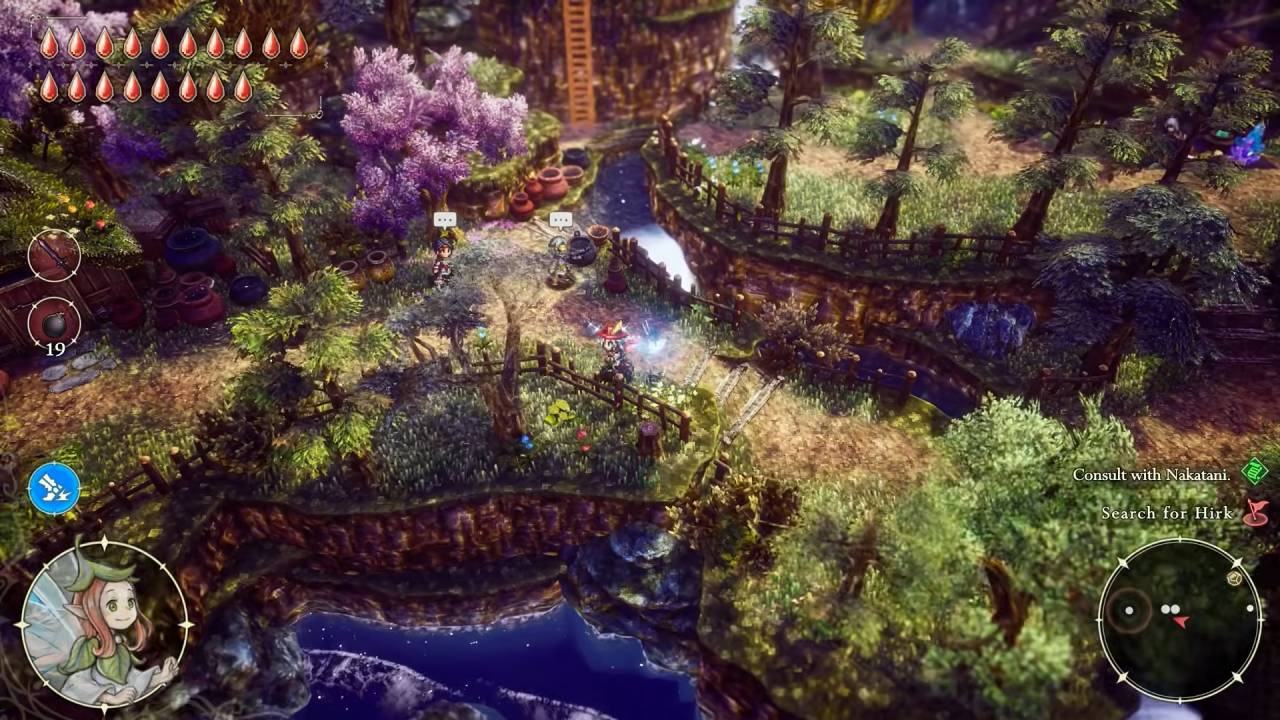
The game creates a stunning, diorama-like world where highly detailed 2D pixel art sprites move through gorgeous 3D environments. This different perspective provides an uncluttered battlefield, allowing you to read the enemy’s movements and dodge incoming projectiles with ease.
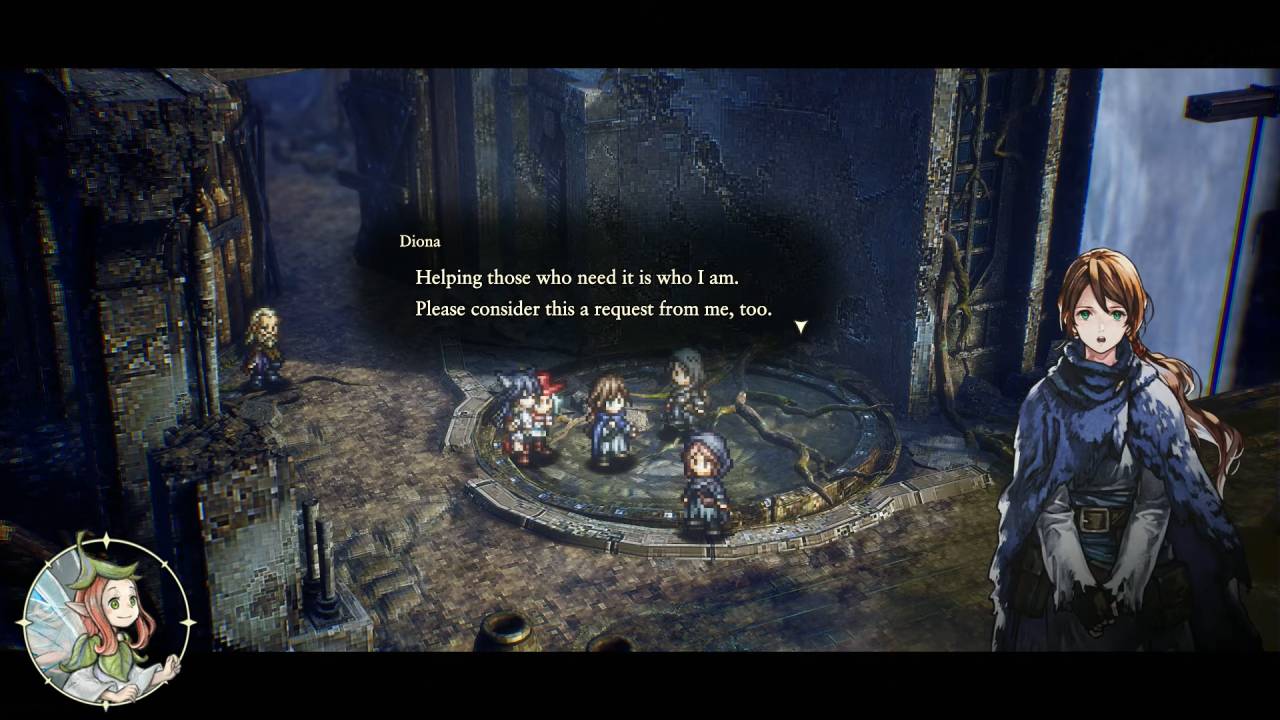
The camera angle perfectly replicates the classic 16-bit perspective while making full use of modern depth-of-field effects. It lends the physical environment a palpable, unique sense of life.
The fantastic tilt-shift camera lens and dynamic lighting models give the whole kingdom a beautiful, miniature toy-box aesthetic. Sunlight filtering through the forest canopies casts real-time shadows that dynamically interact with the 2D sprites. Dungeons look amazing, using atmospheric shadows, shimmering water textures, and complex architectural layouts that pay tribute to 16-bit classics. The visual fidelity turns every new room into a small artistic triumph.
Character sprites are packed with expressive animations, and your equipped weapons change visually on Elliot’s model whenever you swap gear. This is an incredibly rare level of attention to detail in sprite-based games, providing great visual feedback for your progress. The monsters are just as well animated, telegraphing their heavy attacks with clear physical movements. The artistic cohesion creates a beautiful, immersive world that pays homage to the past with modern power.
The bright particle explosions on fully charged attacks give so much weight and satisfaction to every hit. Magic spells light up dark dungeon rooms, creating a vibrant balance of light and shadow. The visual presentation pulls off a game world that feels like a classic drawing come to life. It stands as a definitive high point for Team Asano’s artistic division, setting a new benchmark for retro-inspired aesthetics.
Pounding orchestral music tracks ground players in fantasy warfare.
The audio team has done a phenomenal job grounding players in the high-fantasy atmosphere of Fila Beldia. The soundtrack is an expansive orchestral score that shifts dynamically in response to what's happening on-screen. The musical arrangements are enormous, given the span of Elliot's voyage through the ages. The score is strong on traditional instruments, furthering the kingdom’s classic fantasy look.
The overworld exploration songs are whimsical and a little mournful, wonderfully conveying the mystery of a realm divided up across time. Subtle alterations in the music mirror the era you are visiting, serving as an audio touchstone for your time-traveling adventures.
As soon as you get into a fight, the music smoothly changes to a high-energy arrangement that propels the action ahead. These battle themes are incredibly catchy, keeping your energy up during intense skirmishes.
The physical sound effects are wonderfully crisp and provide great audio feedback to help you navigate hectic multi-enemy brawls. Hitting a shield block perfectly feels amazing, the satisfying crisp clang giving you immediate audio feedback that your timing was spot on. And the heavy thwack of a charged swing gives great impact clarity, really selling the danger of your weapons. These detailed sound effects are vital to keeping the real-time combat snappy.
While the script's overly sweet tone can make some vocal lines repetitive, the voice actors deliver their lines with great theatrical dedication. They do the absolute best they can with a script that borders on sentimentality. Plus, the robust audio menu lets you balance the sound properties so the spectacular music always takes center stage. The chatty character voices can be easily ignored for the excellent instrumental tracks and combat crunches.
This is a definitive must-play, thanks to a brilliant blend of creative freedom and nostalgia.
Ultimately, The Adventures of Elliot: The Millennium Tales is a highly impressive action-adventure debut from a very talented studio. The real-time combat is wonderfully responsive, supported by a deep Magicide customization framework that lets you play your own way.
Team Asano has successfully shown that their design philosophies can translate beautifully into an entirely new genre. They’ve built an incredible foundation that respects the history of games while embracing modern design loops.
The dungeon designs are well-crafted homages to the golden age of gaming, leaving ample room for creative problem-solving. Every labyrinth demands your reflexes and spatial awareness, taking great advantage of Elliot’s vertical jump mechanics. Furthermore, the gorgeous HD2D presentation fits this specific camera angle, so naturally it feels like it was always meant for it. It elevates the top-down perspective into something truly magical to look at.
The Adventures of Elliot: The Millennium Tales only falls short of absolute perfection due to its flawed story pacing and uninspired, overly chatty character writing. The script's refusal to utilize silence or brevity hurts the momentum of what should be a snappy adventure. The vague implementation of the time-travel theme also misses the chance to create truly distinct historical world shifts.
These narrative shortcomings keep the game just shy of reaching the legendary heights of its direct inspirations. Even with those narrative flaws, Team Asano has built an incredibly polished mechanical foundation that action fans should experience.
The sheer joy of the combat and the beauty of the presentation easily outweigh the pacing issues introduced by the dialogue. It is a deeply enjoyable quest that sets up a fantastic new framework we can only hope Square Enix builds upon. For anyone looking to recapture the magic of 16-bit exploration, this journey through Fila Beldia is entirely worth taking.
Editor, NoobFeed
Verdict
The Adventures of Elliot brilliantly adapts the stunning HD2D style into a snappy, responsive top-down action template. It is a mechanically excellent homage held back only by bloated dialogue.
80
Related News
No Data.