
Ubisoft Faces Turbulent Times as Prince of Persia Falls and Talent Drifts Away
New questions have been raised about the publisher's future because of cuts, cancellations, and a change in strategy.
News by Nusrat Choity on Jan 25, 2026
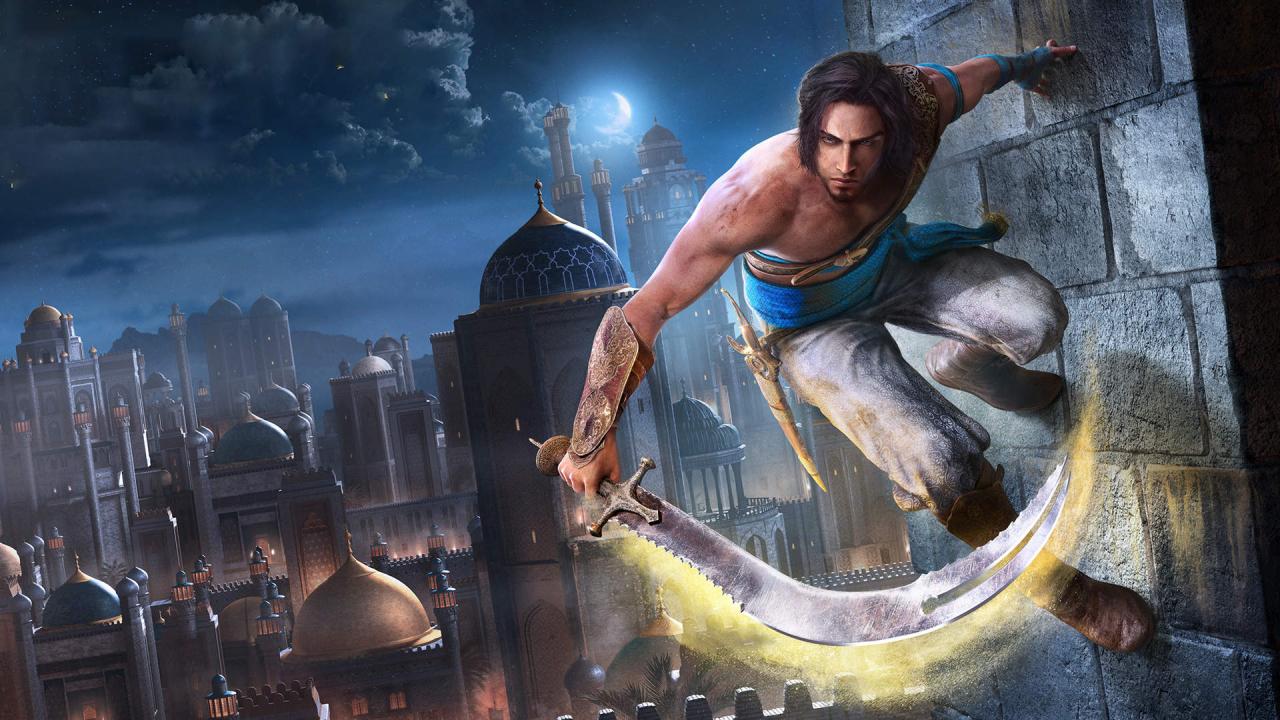
It looks like Ubisoft is in the middle of a storm, and this time it's not something that can be ignored with vague plans or claims. After several delays and a big drop in trust, the publisher is getting more attention from both inside and outside the company. Some people say that the recent cancellation of the remake of Prince of Persia: The Sands of Time has become a flashpoint, showing bigger structural and strategic problems that have been building for years.
Fans and apparently people inside Ubisoft are very upset that Prince of Persia was taken off the release schedule. Sources said that the project was much closer to being finished than most people thought. Teams were working hard to finish up the graphics and gameplay.
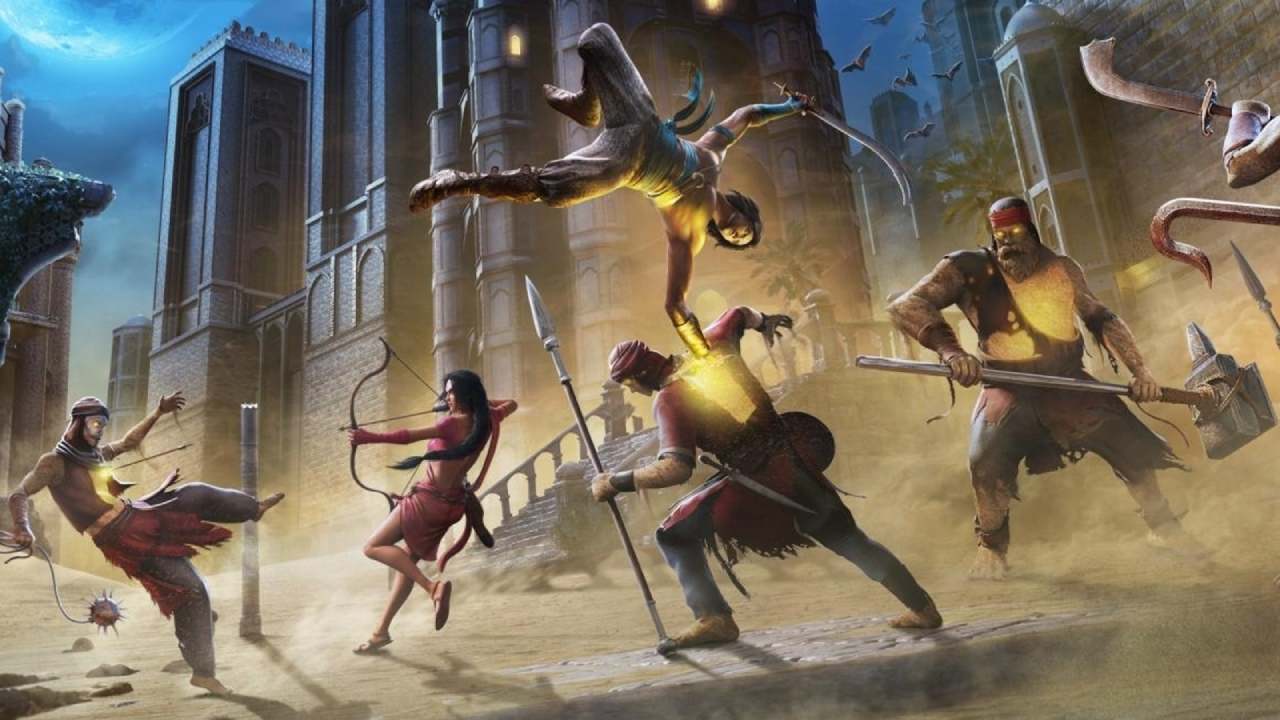
But it was said that disagreements within the development teams slowed down progress because different teams were making decisions in different ways. The remake was in a bad place because there wasn't a clear plan, even though work was still being done.
A bigger change in Ubisoft's strategy is said to have hurt the project, which made things even worse.
Sources say that the company has put less emphasis on straight, single-player experiences in favor of big open-world games and live-service games. Reports say that this change made it harder for a reboot with a clear focus, like Prince of Persia, to make its case, even though it was still expected to sell a good number of copies.
As a result, the project was left unfinished, not because it didn't have a personality, but because it no longer fit the publisher's chosen way of making money. The cancellation has also hurt confidence in a number of ways. Sources say that Prince of Persia was one of many projects that were shelved in a short amount of time.
Other projects that were shelved included several unnamed titles and new intellectual properties. This new decision seems to have been the last straw for developers who had already been through years of reorganization. Reports say that employees were already making plans for what to do if Prince of Persia didn't work out, and the loss of the show sped up their decisions to quit rather than wait for official layoffs.
Behind the scenes, Ubisoft has been slowly laying off workers. Sources say that the company used to have over 20,000 employees around the world, but that number has dropped by about 3,000 jobs in the last few years. More cuts are likely to come, and more jobs are said to be planned as part of a long-term plan to cut costs that will last until 2028.
Even though the company still has tens of thousands of employees, the size of the layoffs has made offices and projects less certain.
.jpg)
People who are watching are most worried about who might be leaving, not how many people are going. Sources say that experienced leads and top developers are among those who are thinking about leaving, which could have long-lasting effects on games that are still being worked on.
At this point, losing institutional knowledge could slow down production and make it harder to work together, especially for big brands that use shared technology and teams that have been working together for a long time.
Beyond Good and Evil 2 shows another side of Ubisoft's problems, while Prince of Persia shows one. The long-delayed project is still being worked on, and it has somehow made it through several changes within the company. According to the sources, its ongoing existence depends on how well it fits with Ubisoft's current goals. The game is likely to have a lot of content, an open world, and be set up in a way that encourages ongoing participation, all of which are in line with the company's main goals.
Beyond Good and Evil 2 seems more like what Ubisoft wants its future to be like than Prince of Persia. Sources say that its size and scope have helped it last, even though it took a long time to create. But this has also raised fears that the project might adopt many of the same design ideas found in other Ubisoft games, which could make it less unique than it was before.
The difference between these two games makes it clear where Ubisoft is going right now. The sources say that projects that don't fit with open-world or long-term service models will have a hard time, even if fans or veteran players want them. In a market dominated by a few big brands, remakes, smaller experiences, and new ideas that are still being tested look more and more likely to fail.
The bigger picture effects go beyond specific names. According to the sources, some of the projects that were shelved were brand-new ideas. This means that Ubisoft has fewer new brands in the works. Even though well-known games like Assassin's Creed, Far Cry, Rainbow Six, and The Division are still important, relying too much on them comes with risks.
If even one of these fails, the company might not have any new options, leaving it open to harm. On the inside, this approach is said to have made people more frustrated. Sources say that some writers think that working on games with smaller teams and smaller budgets could give them more creative freedom and a steady income.
For these kinds of projects to be successful, they don't need to sell tens of millions of copies, but Ubisoft doesn't seem to have much room for them right now.
For now, Ubisoft is staying on the path it has chosen, focusing on scale, longevity, and methods that have worked in the past. But the effects of canceling Prince of Persia and the ongoing doubt about staff leaving show that not everyone is sure this will work. A lot of game developers are having second thoughts, and fans are wondering what will happen next. This puts the producer in a tough spot.
As well-known titles get old, new ideas struggle to stay alive, and talented people leave, the real question that remains is: can Ubisoft rebuild trust and find a balance between ambition and diversity before its foundations begin to weaken?
Contributor, NoobFeed
Related News
No Data.