
Xbox isn’t Battling PlayStation Anymore; it’s Fighting TikTok
Microsoft's quiet pivot shows that the console wars are dead; the real fight is for attention, and Xbox wants to win where games, memes, and movies collide.
News by Zahra Morshed on Oct 28, 2025
There's a quiet change going on in Microsoft's game business. The President of Game Content and Studios at Xbox, Matt Booty, recently talked to The New York Times about what competition really means for one of the biggest game brands in the world. He said that the company's rival isn't a console or even another game platform.
Booty noted their biggest rival isn't another console. What they're up against is getting stronger, from TikTok to movies. Now, the usual storyline about Xbox vs. PlayStation seems to be fading into the background. In its place, a much bigger culture conflict, the fight for people's attention, has taken center stage.
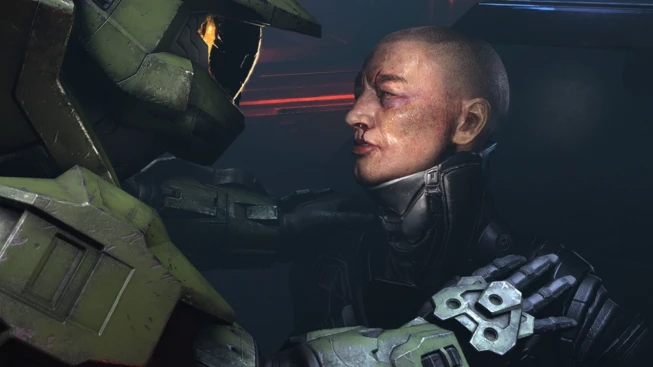
The system wars set the pace for decades of progress in video games. Frame rates, exclusives, and platforms were the main issues in every hardware cycle. But Microsoft's private language now shows a change in strategy. These days, the Xbox mission goes beyond hardware and specs. Booty suggests that the battle is no longer fought in living rooms, but in the unnoticed markets of time, interest, and participation.
On-demand entertainment and the rise of short-form content sites like TikTok and YouTube have changed the way people spend their free time in a way that the game industry can no longer ignore.
The people in charge at Microsoft, like Booty, Sarah Bond, and Phil Spencer, have been slowly putting this psychological shift into action. Their message is based on one idea: gaming is not a product, but a form of pleasure that competes in a global market.
With services like cross-platform play and cloud streaming, Xbox is becoming less of a hardware company and more of a content platform designed to live in the attention economy. The goal isn't just to sell consoles; it's also to make sure that Xbox games can be played on phones, PCs, and whatever the next cool gadget is.
What Booty said shows something deeper about Microsoft's understanding of different cultures. The modern viewer is always online and always distracted. The task isn't to beat the performance metrics of a competing console. It's hard to get people who grew up on 15-second adrenaline hits to spend hours in a virtual world.
This change changes Xbox's goal from winning the console race to competing in a global race for involvement. Now, each round of Halo, Starfield, or Forza Horizon doesn't just compete with PlayStation-only games, but also with endless vertical videos, popular memes, and movie worlds that are unfolding on streaming services.
This new point of view has been seen before. Microsoft's bigger picture for entertainment has slowly grown over the past ten years. Buying big studios like Bethesda, making Game Pass work on multiple devices, and pushing for cloud-based gaming through Project xCloud are all signs of a business that wants to be everywhere instead of just a few places. The Xbox brand used to be associated with its system, but now it's being rethought as an entertainment architecture that can work in a world where experiences are more important than hardware.
In this situation, Booty's honest admission seems almost predictive. It's getting harder to tell the difference between engaging and passive media. People don't just play games anymore; they stream, share, and watch them too. Every video clip posted from an Xbox game feeds the ecosystem that could take attention away from the game. But Microsoft seems determined to use this paradox to its advantage by marketing Xbox not as a gadget but as a culture platform that fits in with how people already watch TV and listen to music.
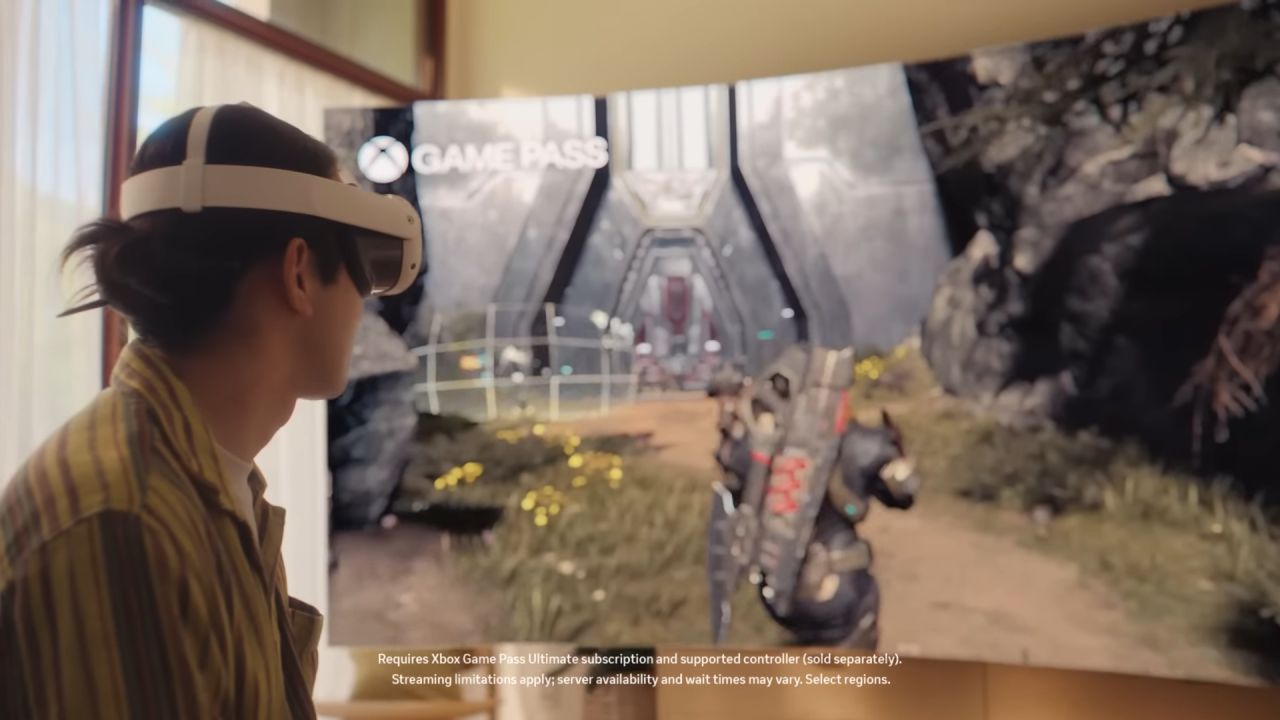
Booty's words have a quiet confidence that suggests Microsoft knows what many others in the industry still don't: machine sales alone won't decide the future of gaming. Whoever can make experiences that are interesting enough to stand out from the rest will win. They will be able to make players choose engagement over distraction.
As the world of entertainment breaks up into a million different options, Xbox seems less interested in winning a battle and more interested in changing the environment. If Booty's vision comes true, Microsoft's future isn't to beat PlayStation at speed, but to last through every scroll, swipe, and split second of attention.
Contributor, NoobFeed
Related News
No Data.