
BLUE REFLECTION Quartet Review
Nintendo Switch 2
An ambitious franchise collection that preserves two excellent RPGs but struggles to honor every chapter of the series equally.
Reviewed by Asura Kagawa on Jul 31, 2026
With compilation releases, expectations are higher than with a standard remaster, as they promise to save an entire series for both long-time fans and newcomers alike. BLUE REFLECTION Quartet is intended to do just that, blending the franchise's console adventures with adaptations of its anime and mobile spin-off.
It's the definitive way to experience Gust's magical girl universe on paper, especially after years of uncertainty about the series' future. This collection gains even more significance because of the timing. The franchise has been mostly dormant for many years now, and many gamers had begun to accept that another major installment may never be released.
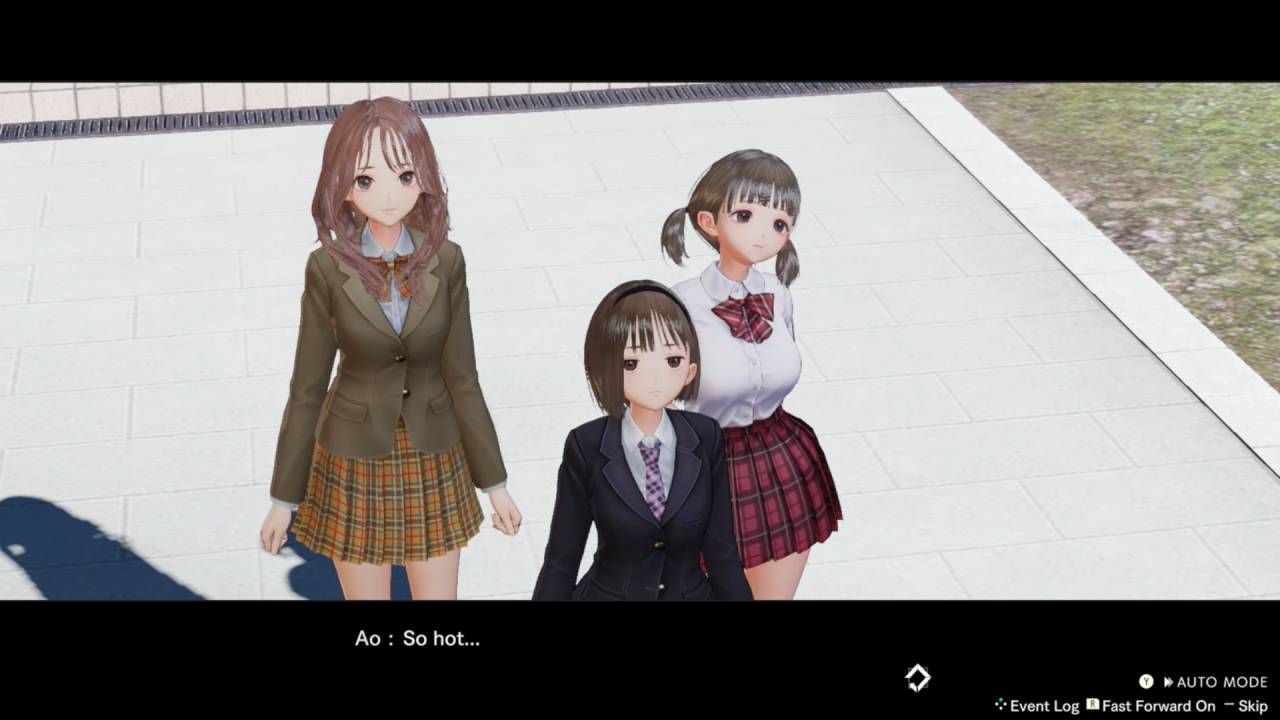
BLUE REFLECTION Quartet, however, doesn't so much open a new chapter as it revisits all that has come before, trying to piece together the series' fragmented history into one accessible package. It's an exciting idea that naturally sets expectations before the collection even begins.
But good ideas alone do not make for a satisfying compilation. The package does make previously scattered entries easier to access, but it also paints a picture of just how uneven those experiences are when you place them next to each other. Instead of feeling like a seamless celebration of the franchise, BLUE REFLECTION Quartet often feels like a series of projects with very different levels of care, making its highs and lows impossible to ignore.
The original game is still a sentimental touchstone for the series.
BLUE REFLECTION is still a great gateway, with an emphasis on emotional storytelling over spectacle. The game follows Hinako Shirai, a talented ballet dancer who is forced to abandon the future she had imagined after a career-ending injury. She becomes a magical girl, gaining new and incredible powers, but those powers don't remove the emotional scars she carries. That underlying personal conflict gives the larger fantasy tale real emotional weight.
When not fighting, it is about balancing your normal school life with your supernatural responsibilities. Talks with fellow students gradually turn into friendships, and friendships become uncharted territories where the physical expressions of emotion are dangerous adversaries.
The blend of modern school life, psychological storytelling, and social simulation creates a pleasing cadence that never sacrifices character development for non-stop action, keeping the emotional themes at the forefront. By today's standards, many of its gameplay mechanics are pretty simplistic, but the original adventure works due to its atmosphere and sincerity.
Years after release, it has a distinct identity, with a dreamlike presentation, reflective pace, and emotionally driven cast that remains distinctive. The supporting cast is not developed much, but the game's emphasis on healing, growth, and self-acceptance makes for a strong foundation that carries through each game in the series.
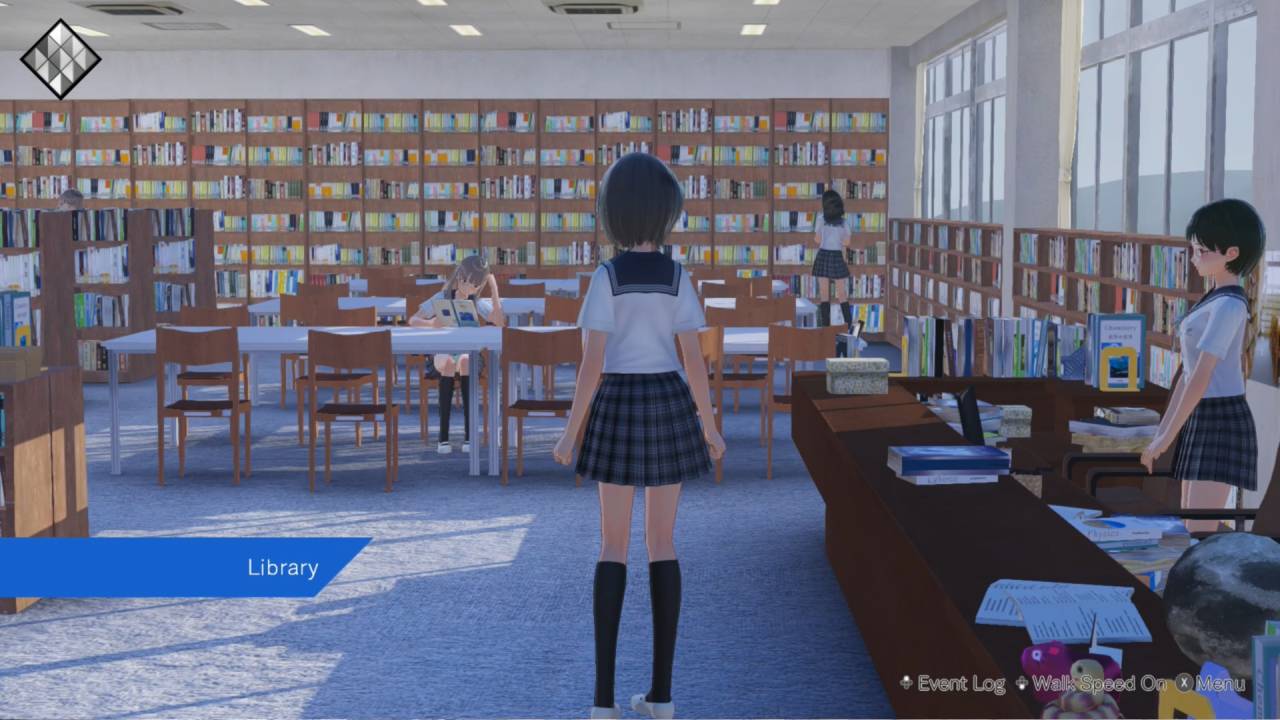
The highs in the story are emotional in ways the turn-based combat can't match.
The story has a lot of the charm of the original game, but the combat just isn't interesting enough to keep us going for as long. The battles employ a familiar turn-based combat system centered around buffs, enemy weaknesses, and careful resource management. These systems continue during the adventure in a variety of ways, especially in the more difficult boss fights, but they don't add much in the way of surprises once players learn the basic structure.
As Hinako levels up, you get a little room to customize her, spending points on the stats you want to reflect how you want to play. But these progression systems rarely grow to the point where they can meaningfully affect the course of encounters. What you get is a combat loop that's dependable but never quite thrilling, with long stretches of gameplay feeling repetitive even as the story continues to pick up speed.
But the story's emotional investment compensates for many of those mechanical failings, mercifully. There is always more interesting motivation behind the usual power struggles, the slow emotional healing of Hinako, and the discovery of the hidden suffering of others than simple fighting. While the gameplay never quite matches the quality of its storytelling, that balance keeps the experience from feeling tedious.
The adaptations do not do justice to stories that ought to have received far more attention.
The collection begins to slow with the handling of BLUE REFLECTION Ray. The adaptation does not faithfully adapt the anime or serve it up in a format that would work for first-time viewers of the series. It condenses major events into a short, fractured experience. Most of the time, players will not be playing in a game; they will be watching memories. The material is loaded with dramatic potential, but this surprisingly keeps you from feeling the emotional moments.
The idea itself is a fine one. As Hiyori and Ruka slowly recover their lost memories and put together the events that led to their confrontation with another Reflector, the story provides an opportunity for new readers and returning fans to rediscover the story as one. Alas, these ideas are never given enough space to breathe.
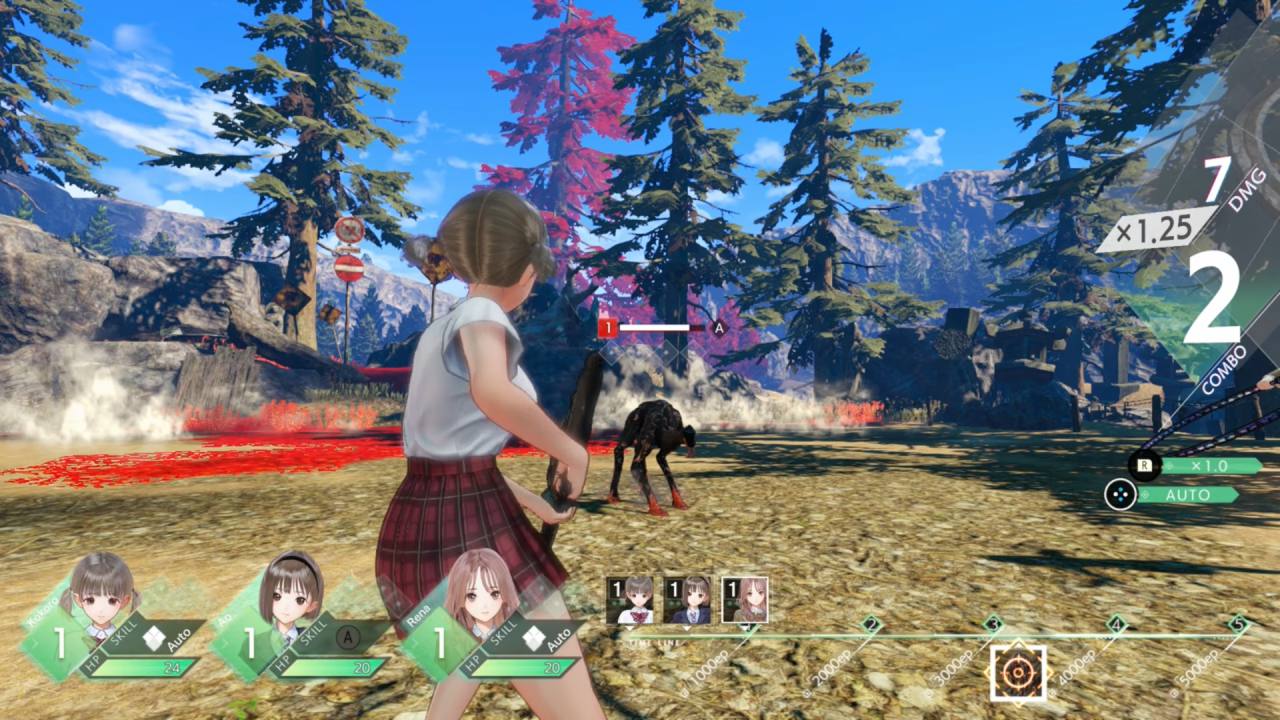
The dialogue is sparse, the story is linear, and there is precious little meaningful exploration. The result is that the adaptation feels more like a condensed recap than a satisfying standalone experience. Its biggest problem is that it doesn't serve any audience very well. If you're new to the anime, you only get a glimpse of the characters when they're introduced.
For long-time fans of the anime, it's nothing more than a quick refresher of scenes that they already know. Ray is the least necessary piece of an otherwise ambitious collection, with no meaningful gameplay, expanded storytelling, or even stronger visual novel/narrative presentation.
BLUE REFLECTION Sun is good, but it still feels rushed.
BLUE REFLECTION Sun is a much larger experience than Ray, but a lot of the same structural issues remain. It is a new cast of characters, the first male protagonist in the series, set in a post-apocalyptic world threatened by mysterious ash and supernatural enemies. It's a setting that immediately brings some interesting ideas to mind, but the tight pacing rarely allows those ideas to develop with the emotional impact they deserve.
At least this portion of the collection has combat, unlike Ray, which borrows mechanics from Second Light to allow for playable battles in between story sequences. But meaningful progress is virtually nonexistent. All of this trivializes character progression, customization, and tactical experimentation to the point of meaninglessness, where encounters play less like engaging RPG battles and more like scripted interruptions.
Combat adds action but rarely grants player freedom. But Sun does allow the occasional glimpse of the more powerful story behind the compressed presentation. Optional conversations offer insight into the personal characters and hint at relationships that developed during the original live-service format.
Most of the important character development and emotional beats are rushed through so fast that many of them don't have time to leave a lasting impression, and that prevents the adaptation from fully reaching its narrative potential.
Second Light is a reminder of why this series has such a loyal following.
If the previous adaptations show the biggest flaws of the collection, BLUE REFLECTION: Second Light immediately shows its biggest strength. It is generally considered the best game in the series, building upon the emotional storytelling of the original with far more refined gameplay systems.
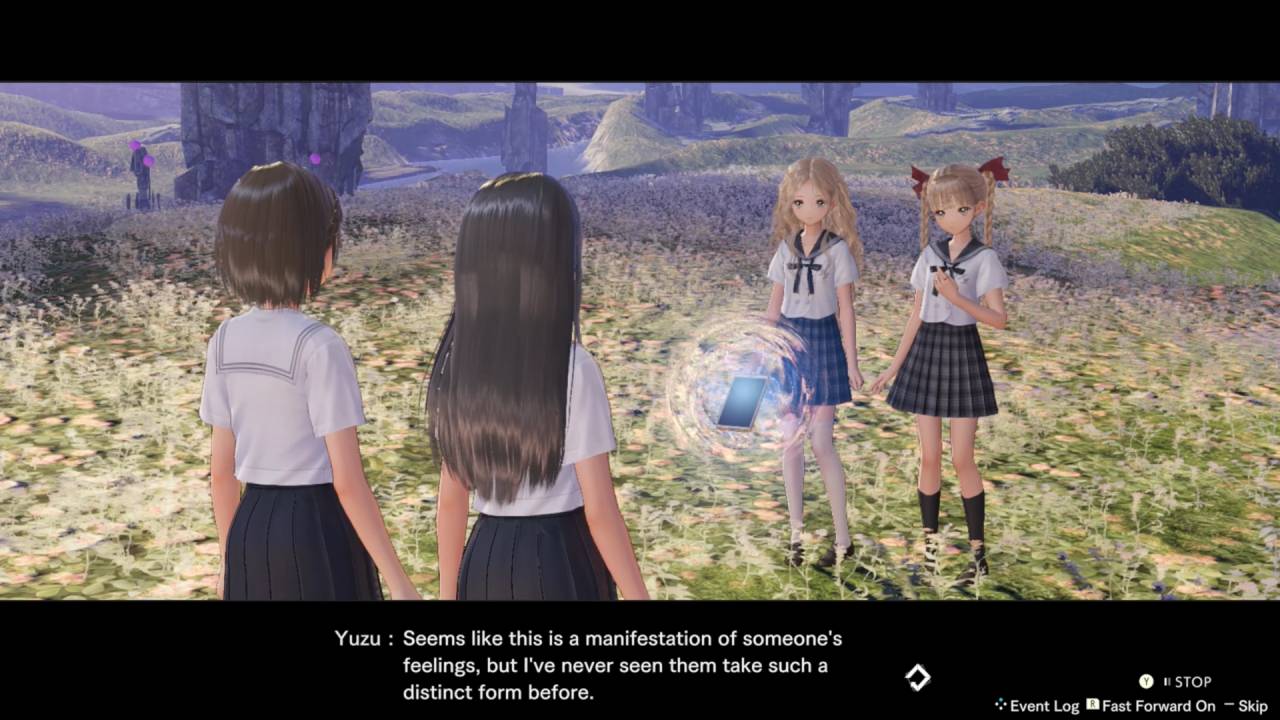
All this- the mysterious setting, the memorable cast, and the stronger pacing makes it feel like the centerpiece around which the whole compilation naturally revolves.
Progression is much more than your typical role-playing mechanics. As the campaign continues, crafting, exploration, relationship-building, and school development all feed into each other. All of the systems are interlinked, creating a very compelling gameplay loop where everything you do leads to meaningful growth, and the social simulation elements have a much bigger role than in the original game.
Combat also has a big evolution, ditching traditional turn-based combat for a more dynamic timeline system that rewards careful planning and adaptability. Battles require more attention without becoming overly complex, as you manage ether resources, chain powerful abilities, and respond to a constantly shifting turn order. Second Light is still the most obvious case of the franchise being at its best, with better character writing and a solid psychological mystery.
The collection is at its best when it is showcasing its best role-playing adventures.
BLUE REFLECTION Quartet's greatest strength is that it maintains two great RPGs that still define the franchise. Both the original game and Second Light really complement each other, exploring themes of friendship, identity, emotional healing, and self-discovery through a blend of fantasy and modern settings.
The stories are told with such feeling that the collection has an emotional consistency that is compelling from the first page to the last. That consistency becomes less convincing when the adaptations of Ray and Sun are considered. They are more like compressed companions to their source formats than equally finished chapters.
They both do a good job of opening up the wider narrative. Still, neither has the depth, pacing, or gameplay to rival the two mainline RPGs, leaving the overall package feeling uneven despite its ambitious scope. That said, it's to the collection's credit that it holds together a franchise that has been scattered across a bunch of platforms and formats for quite a while.
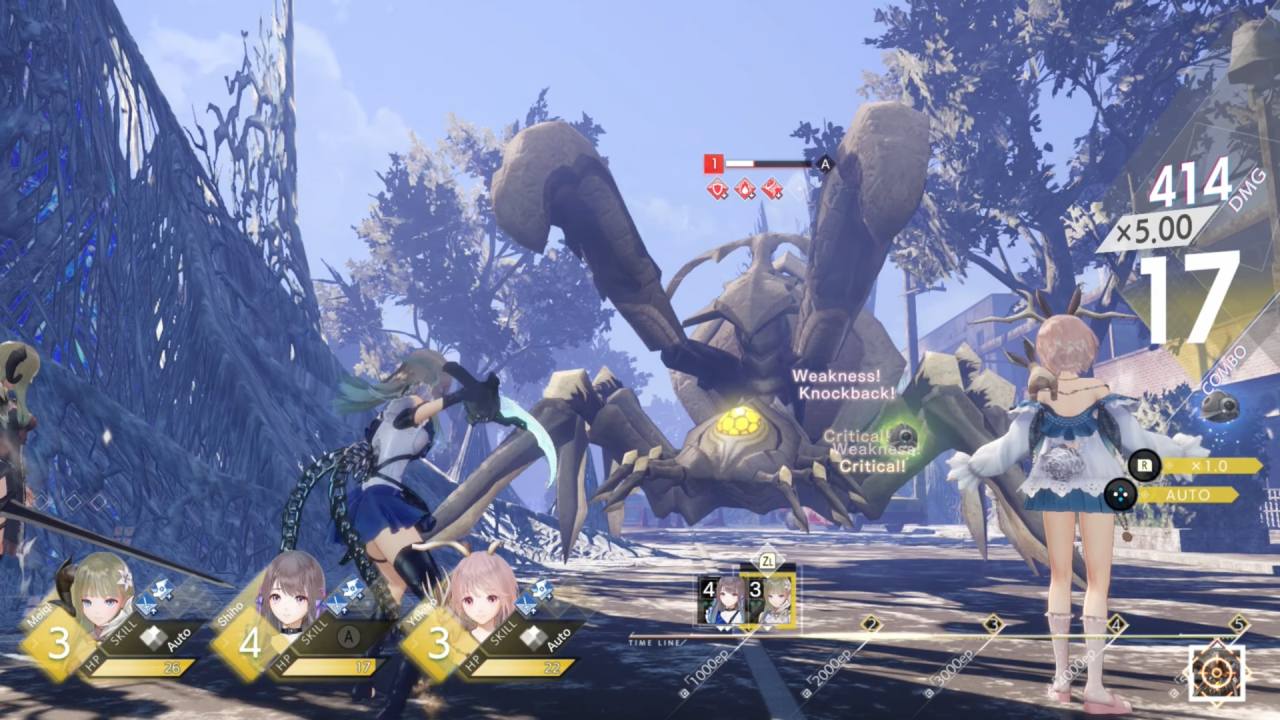
It's all a much easier feat to combine the console games, anime adaptations, and mobile content into one release, especially for those that are new to the series. Not every inclusion is equal, but the attempt to bring the wider universe together gives BLUE REFLECTION Quartet some lasting value beyond its individual pieces.
Presented in this way, it is safe in the emotional identity of the series.
Visually, BLUE REFLECTION Quartet follows the artistic direction of the series, with vivid magical transformations, soft color palettes, and dreamlike environments. The character designs of each entry are emotive, adding to the emotional tone that defines the franchise. The spectacle is not the only thing in the presentation; it always reflects the inner struggles and the personal growth of each protagonist.
The soundtrack does much the same, with light melodies accompanying everyday banter, mixed with more dramatic arrangements for major confrontations. These musical changes highlight the psychological themes and emotional storytelling without overwhelming the quieter moments. The presentation and the slick visual effects in combat do a good job of maintaining an intimate atmosphere even when the story escalates to bigger supernatural conflicts.
All the games play fairly well, so players can jump back and forth between the different experiences without any major technical problems. Some adaptations feel more limited by the nature of their condensed design, but overall the whole package gives the franchise in a polished and accessible form. That technical consistency helps to reinforce that this is supposed to be a long-term preservation of the series, not just a compilation.
BLUE REFLECTION Quartet is less a perfect collection, more a preservation project.
All in all, BLUE REFLECTION Quartet is a rewarding, yet inconsistent experience. Its best work remains great examples of character-driven RPG storytelling, mixing turn-based combat, social simulation, and emotional tales into unforgettable journeys. But the short Ray and Sun make the collection feel less definitive than its premise might have suggested at the start.
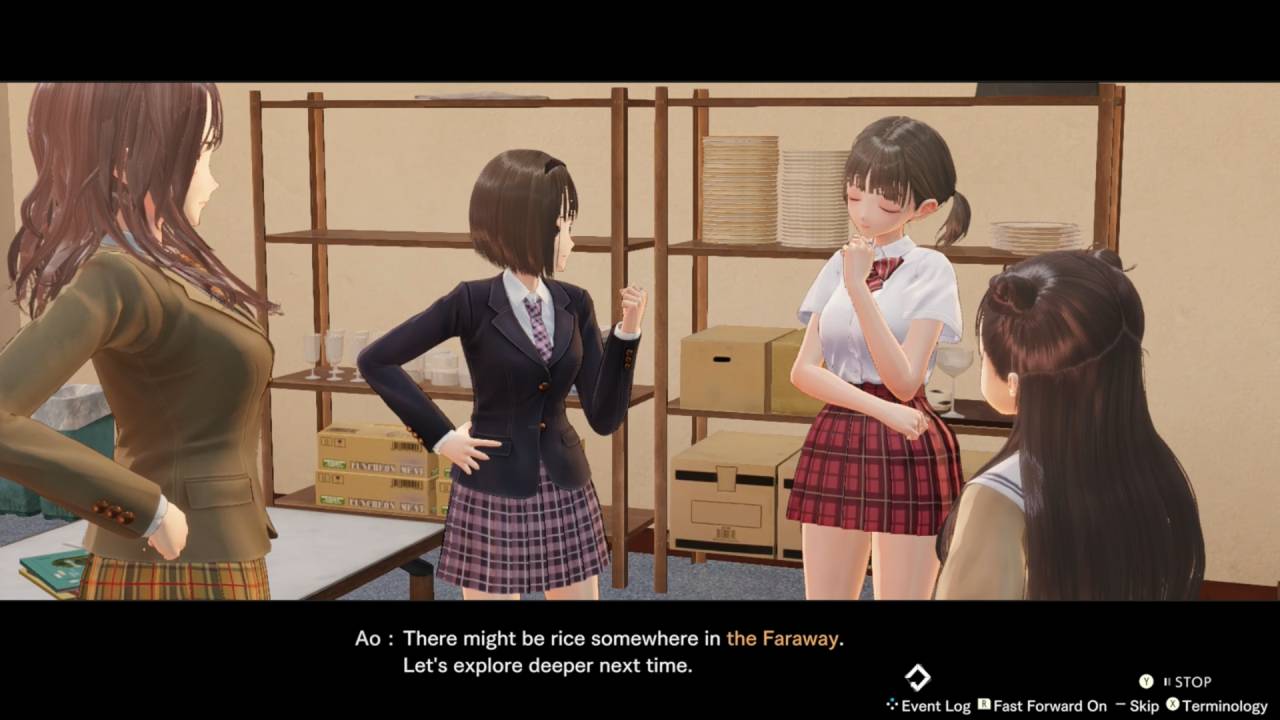
There are flaws in the collection, to be sure, but it's an easy recommendation for longtime fans wishing to revisit nearly every major chapter in one release. But newcomers should find plenty to enjoy, too, as long as they know the adaptations are mainly companion pieces, not full replacements for their original formats.
The difference in quality between the included experiences is noticeable, but rarely overshadows the strongest qualities the franchise provides. At its heart, BLUE REFLECTION Quartet succeeds because it clings to the spirit of a special RPG series about empathy, friendship, and emotional strength.
It might not be as jazzed about every single chapter. However, it's still one of the most accessible ways to get into a franchise whose mix of single-player, turn-based fighting, fantasy, psychological storytelling, lgbtq+ relationships, and social simulation remains refreshingly unique.
Staff Writer, NoobFeed
Verdict
BLUE REFLECTION Quartet preserves the franchise's finest RPGs with heartfelt storytelling and engaging combat, though its condensed adaptations keep this collection from becoming the definitive celebration it could have been.
75
Related News
No Data.