
AMD Zen 6 Leaks Suggest a Major RAM Efficiency Upgrade is Coming
Leaked Medusa Point engineering samples reveal Zen 6 could deliver some of AMD's largest single-core performance gains in years.
Hardware by Shinji Okazaki on Aug 02, 2026
Early leaks around AMD's next-generation processors point toward one of the largest architectural upgrades the company has produced in years. Beyond raw performance, the more interesting angle involves memory.
Recent engineering sample benchmarks suggest that Zen 6 could change not just how fast a system runs, but how much RAM a PC builder actually needs to buy to get the most out of it. Over the past few years, AMD has changed the CPU business.
.jpg)
Intel had a tight grip on desktop processors before Ryzen, but AMD's Zen architecture changed that over the course of several generations. Zen 2 made things more efficient, Zen 3 made things run much faster, and Zen 4 added support for DDR5. Zen 6 is the next step in that direction. It hasn't been released yet, but early tech samples have been seen online.
Zen 6 Engineering Samples are Already Showing Strong Results
It is said that one of these chips is codenamed Medusa Point. Leaks say it has 10 cores and 20 threads and is based on the Zen 6 design. As of early this morning, Geekbench 6 showed that the sample scored 3174 points in single-core performance and 15092 points in multi-core performance.
In later leaks, those numbers were raised even more. The same chip scored 3329 points in single-core testing and 16555 points in multi-core testing. These aren't the real standards. They are engineering samples, and the way they work in real life may be different.
Even so, Zen 6 looks like a big step up from AMD's current version if the numbers hold up. The leaked Zen 6 sample was said to have about 35% better single-core speed than the Ryzen AI 9 365, which is a current Zen 5 mobile processor.
Why a CPU Upgrade is Tied to RAM Performance?
A natural question at this point is how a CPU upgrade connects to RAM at all. The answer comes down to how the two components interact. Inside every modern processor sits a memory controller, and its job is to communicate with the DRAM installed in a system. When the CPU needs data, it sends an address to the memory controller, which locates that data in DRAM, retrieves it, and sends it back to the CPU.
The faster and more efficiently this process runs, the less time the CPU spends idle, waiting on data. That's why the memory controller plays such an outsized role in overall system performance, and it appears AMD is making meaningful changes to how Zen 6 handles memory.
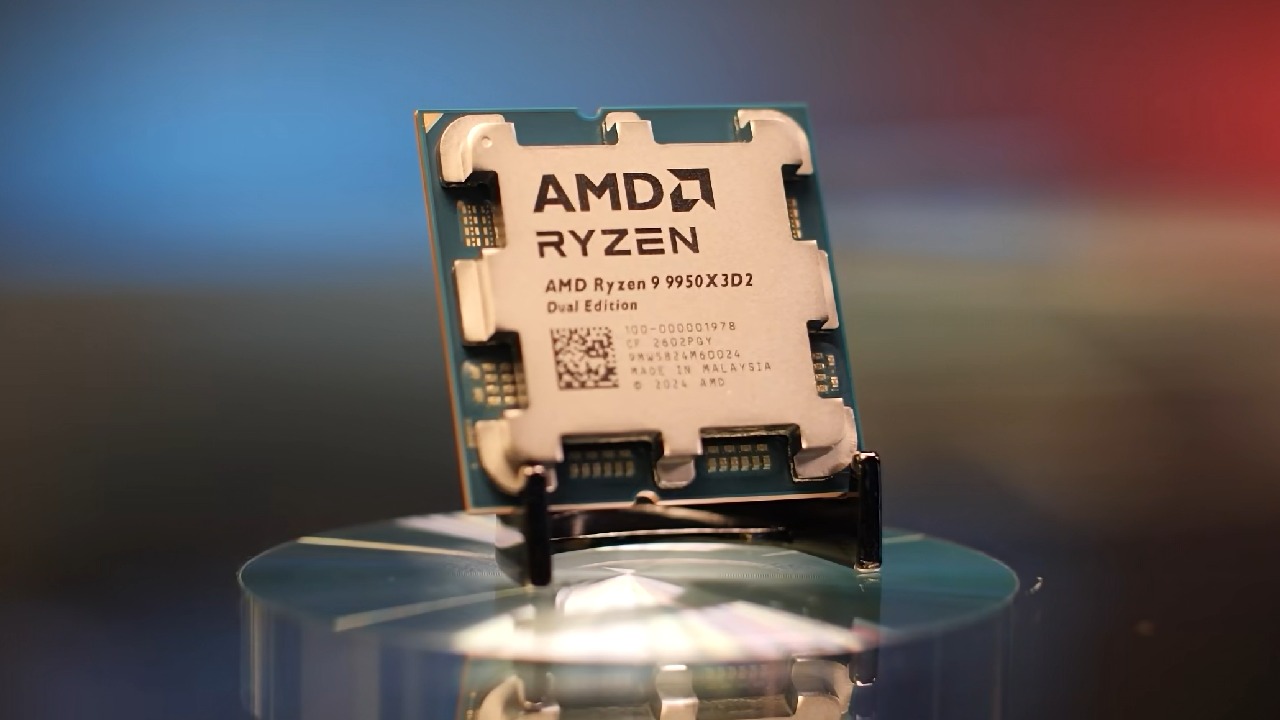
On the upcoming EPYC Venice server processors, AMD is moving up to 16 memory channels while also supporting faster memory speeds than previous generations. Venice is a server platform, so the same upgrades shouldn't be assumed to carry over directly to Ryzen desktop and mobile chips.
Even so, it signals that AMD is actively investing in the memory capabilities of the broader Zen 6 platform. Combined with the strong early benchmark results on the client side, it's reasonable to think that memory subsystem improvements are playing some role in those gains.
If Zen 6 can extract more performance from more affordable memory kits.
If AMD has made Zen 6 more efficient at handling memory, that could mean you won't need to buy the most expensive DDR5 kits just to get strong performance out of your CPU. That doesn't mean Zen 6 fixes RAM prices outright. It won't resolve ongoing shortages, and higher-end RAM won't suddenly become pointless. Instead, the benefit would come from needing less of that expensive memory in the first place.
You may not need to spend extra on the fastest RAM available just to get the most out of your build. At a time when RAM prices are elevated, that distinction matters. Money that would have gone toward premium memory could instead go toward a better graphics card, additional storage, or simply staying within budget.
There's no way to know exactly how large these memory improvements will end up being until Zen 6 officially launches. But based on the early results so far, Zen 6 looks like it could offer more than just a faster generation of Ryzen processors. With RAM prices already making PC building more difficult, that combination of performance and memory efficiency could work out to real savings for builders.
Editor, NoobFeed
Gaming Hardware Updates
No Data.