
Why is Digital Game Sales Data Overstated in Earnings?
Companies are quietly stretching their digital numbers to look better for investors, and once you dig into the reports, the story around physical game sales starts to look very different.
News by Mymunah Tasnim on Aug 03, 2026
Ever since Sony confirmed it would be pulling back on physical Blu-ray game production starting in January 2028, you've probably seen a wave of headlines throwing around scary stats about physical game sales. Numbers like 6% physical, 94% digital, or a flat nine-to-one split have been floating around online, and at first glance, they seem to confirm that physical media is basically dead already.
But once you start pulling financial reports from the companies themselves, the picture gets a lot messier, and a lot more interesting. Before going any further, one thing needs to be said clearly: nobody's claiming physical is outselling digital. It isn't, and it's not even close. Digital dominates no matter how the numbers get sliced.
The real issue is how that gap gets presented, and whether the figures being shared online actually hold up or just make for a punchier headline.
Take Capcom as the first example. Business is going well for them right now, driven largely by strong Switch 2 sales and an unexpectedly solid PC performance, where back-catalog titles like Resident Evil and Monster Hunter keep moving in massive numbers. When their most recent quarterly report dropped, one figure got everyone's attention: 93.3% of units sold came through digital.
That leaves just 6.7% physical, and plenty of people latched onto that stat as confirmation that discs are essentially a thing of the past. Except if you actually open up the breakdown Capcom provided, you'll notice that roughly 60% of that digital total comes from PC sales, and PC games don't even have a physical option to begin with. There's no choice being made there at all; it's a fully digital category by default.
Strip PC out of the equation and suddenly the physical share jumps to around 18%. That's a massive difference from 6.7%, and it hasn't even accounted for everything yet. Capcom was asked directly how it records Switch 2 game-key cards, which have been a hot topic since the console launched. The answer is that key cards count as digital sales in their books.
Now consider what Capcom has actually put out on Switch 2 so far: Pragmata, Resident Evil, Monster Hunter Stories 3, all released as game-key cards. Even though a physical card sits on a store shelf, it gets logged the same way as a PC download. That effectively treats the console as digital-only in these figures, pushing the physical numbers even lower than they should be.
If you correct for that and assume the Switch 2 counted as a physical platform instead, the estimate for physical game sales climbs to somewhere north of 20%.
That's a quarter of Capcom's console audience potentially buying physical when they have the option, which is a long way from the 6.7% figure that got passed around after the report first dropped. And it's worth remembering that most people aren't strictly physical or strictly digital buyers.
A lot of fans buy both depending on availability, which is exactly what happened with Resident Evil, where copies sold out almost everywhere for the first couple of weeks, pushing some buyers toward digital purely out of necessity rather than preference.
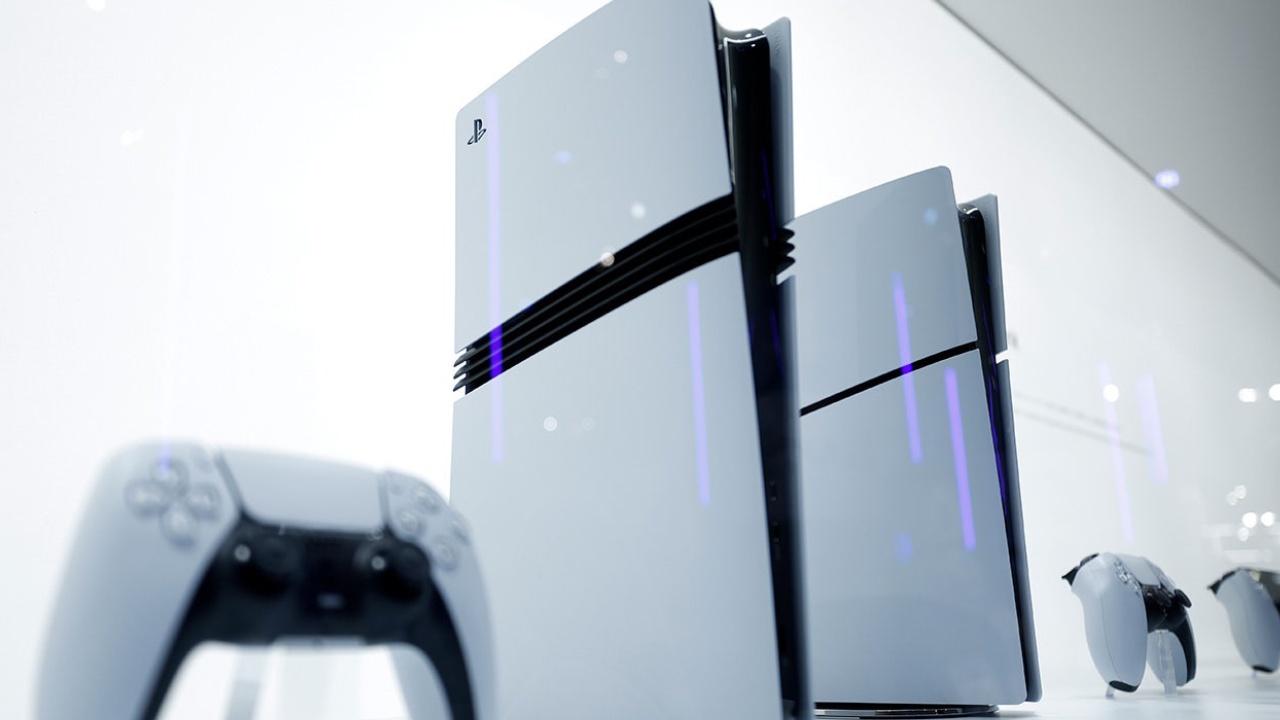
Sony's numbers tell a similar story, just on a much bigger scale. Sony is doing extremely well financially right now, and their upcoming forecast is pointing toward record operating income, largely thanks to GTA 6 launching in November.
Any attempt to push back against Sony through consumer boycotts is going to have a hard time landing when the company is about to post numbers like that. The bigger risk for Sony down the line is more about compounding factors, including rumors of the PS6 launching at a price point around $1,000.
Sony's financial reports list physical software revenue at 125 billion yen for the last fiscal year, against 1,055 billion yen for digital.
In the most recent quarter, it's 20.5 billion yen physical versus 192 billion yen digital. Converted roughly, that's about $128 million physical against something like $1.2 billion digital, which lines up with that same nine-to-one ratio everyone keeps quoting.
Except Sony doesn't record physical and digital revenue the same way. For physical sales, Sony typically only logs the royalties it collects, since it's not the one selling the disc directly to the customer. Sony manufactures the media and works with the publisher, but the publisher, Capcom, in an earlier example, is the one dealing with retailers and collecting the full sale price.
For digital sales, Sony controls the entire transaction through the PlayStation Store, so they record the full purchase amount, not just a cut of it. If you estimate that royalty at somewhere around 30%, the ratio shifts dramatically. What looked like nine-to-one turns into closer to three-and-a-half-to-one once you adjust for how lopsided the accounting actually is.
Sony even gives a small hint at this themselves, listing an 82% digital download ratio for full-game software, which puts physical closer to 18%. Again, that's without knowing exactly how many of those titles even had a physical release option in the first place, which almost certainly pushes the real percentage higher once you account for digital-only games skewing the pool.

Sony's first-party titles tell an even stranger story once you look at where the actual money is coming from.
They moved 6 million units of first-party games and made an enormous amount of revenue. Still, a huge chunk of that money isn't even coming from game sales at all; it's coming from add-on content, expansion passes, in-game currency, and free-to-play spending. That category alone brought in more revenue than physical and digital software combined, which explains why Sony has leaned so heavily into live-service games in recent years.
Their first-party lineup is becoming a smaller and smaller slice of total revenue, with third-party blockbusters like GTA 6 expected to completely dwarf anything Sony puts out themselves, including the upcoming Wolverine game. One analytics firm that tracks estimated sales put out figures showing just how differently physical game sales perform depending on the title.
Final Fantasy VII Rebirth reportedly sold close to half its copies physically, which tracks with Square Enix putting real effort into physical editions, including packaging the game across two Blu-ray discs, something they also did for the Remake.
That's a clear signal Square Enix understands its audience skews toward collectors, many of whom are older fans who've followed the series since the PS1 era and still keep physical copies of every entry on a shelf. It's a franchise trying to hold onto a loyal, aging fanbase while also chasing bigger digital margins, which is a tricky balance.
Astro Bot reportedly sold close to half its copies physically as well, and that same trend seems to hold for other Sony first-party titles more than it does for most third-party games.
Spider-Man 2 came in closer to 35% physical, still a meaningful chunk. It'll be worth watching how Wolverine performs, especially since Sony has gone out of its way to confirm the game will be available on disc, which suggests they're aware physical still carries a real margin advantage for their own titles even as they scale back overall.
All of this adds up to a pretty simple point: the physical game sales numbers being repeated across social media don't match what shows up once you actually dig through the reports. A lot of that inflated framing benefits companies looking to impress investors with a clean, dramatic digital-dominance narrative.
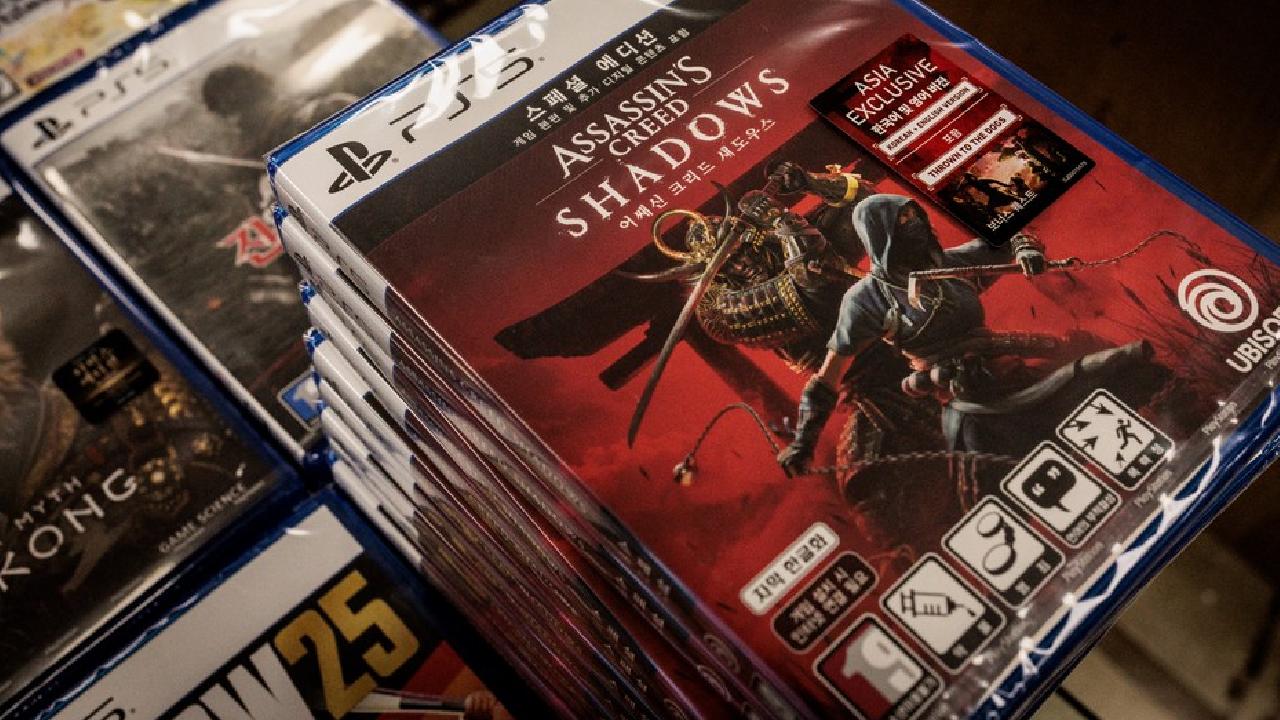
But when you strip out platforms like PC that never had a physical option, and correct for accounting differences like Sony's royalty-based reporting, physical game sales look a lot closer to 20-25% than the 6-10% range getting thrown around. That's still a shrinking share, and nobody's disputing that digital is the dominant format now.
But millions of people are still buying physical games, and treating that group as a rounding error doesn't match reality. Sony and its partners could likely keep offering physical options through the PS6 generation without much cost, letting the format fade naturally rather than pushing it out entirely.
Part of the resistance to going fully digital comes down to unresolved questions around digital ownership too, since platform holders have shown little interest in letting players resell or trade digital licenses, which keeps players locked into their accounts and gives companies more long-term control over their libraries. Until that gets addressed, physical game sales numbers being quoted publicly should probably come with a pretty heavy asterisk.
Editor, NoobFeed
Related News
No Data.