
Dead in Antares Review
PC
Ishtar Games evolves it's survival formula into a deep, character-driven sci-fi management epic.
Reviewed by Nami Tanaka on Feb 23, 2026
With "Dead in Bermuda" and "Dead in Vinland," the first two games in the "Dead In" series, Ishtar Games has built a steady but quiet fan base. Both games had a style that was all their own. Life wasn't seen as a show; it was seen as stress. Being hungry, having a mental breakdown, being tired, or being angry were all just as dangerous as bad weather or enemies.
Instead of starting over, Ishtar Games has kept making this recipe better by adding systemic depth to the human stories. Someone who made Dead in Antares takes this idea to deep space. Instead of Viking coasts and tropical islands, there are alien clouds and broken ecosystems. The studio's main idea stays the same, even though the scene changes a lot: life is about people, not just gear.
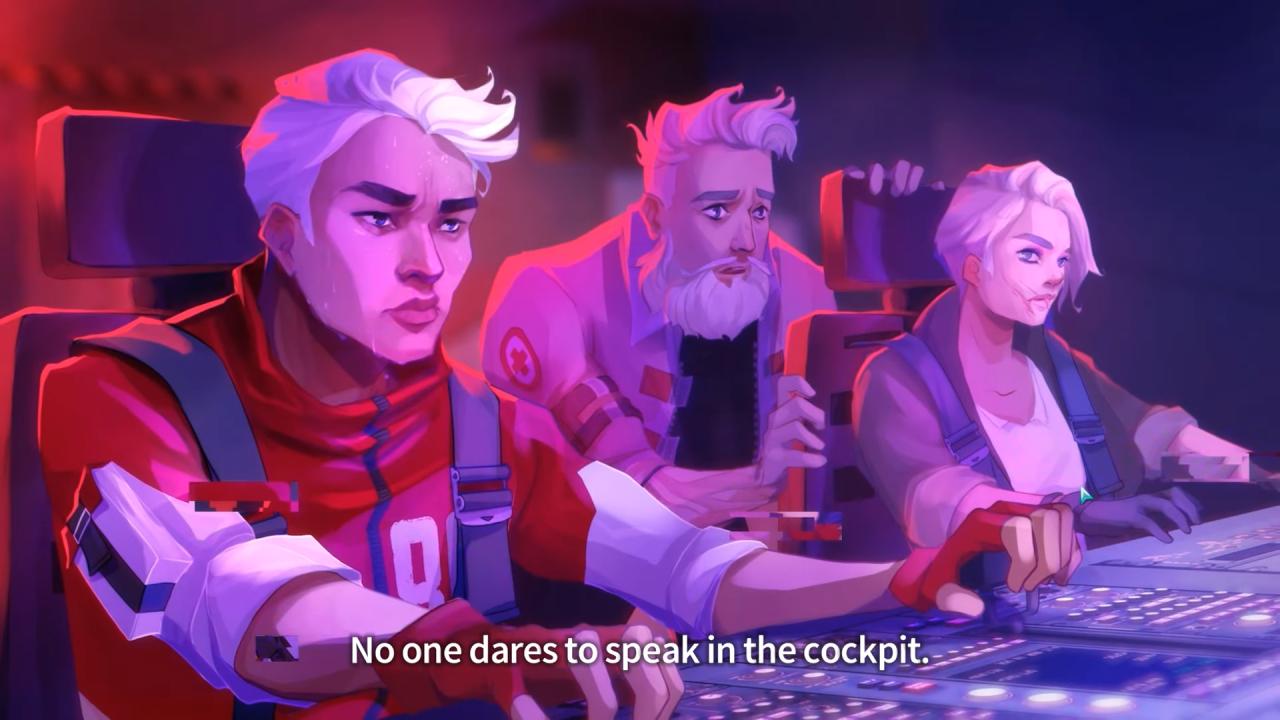
There are going to be deaths: ten experts are sent into space to try to find a way to save Earth.
As planned, they are saved, but bad things happen when they are sucked into a hole and crash-land on the strange planet Antares Prime. From the start, the tone is shaky and quiet. The group barely makes it through the crash. There aren't many resources, things are broken, and the world itself feels a little hostile.
A lot of sci-fi survival games are all about big, flashy shows, but Dead in Antares is more about dangerous, real-life situations. Your only goal is to get through this life, not to take over the world. One of the best things about Antares Prime is that it is shown with hand-drawn 2D art. Bioluminescent trees glow softly at night. In the distance, there is fire in the lava plains.
Crystal forests shine in a way that doesn't make sense. Even though each area looks different, the series as a whole still has the same look. There is a quiet but powerful power in telling stories about the world. There are bigger secrets behind strange ruins, strange things in the environment, and signs of past societies.
As the story unfolds, the big question—whether the crash was really an accident—develops slowly. Meetings between two alien groups that have been at odds for a long time happen in between. The pace is planned, but it doesn't provide much information. Instead, it rewards people who are patient and pay attention.
It's still a business game in Dead in Antares, where you set goals that you can't reach.
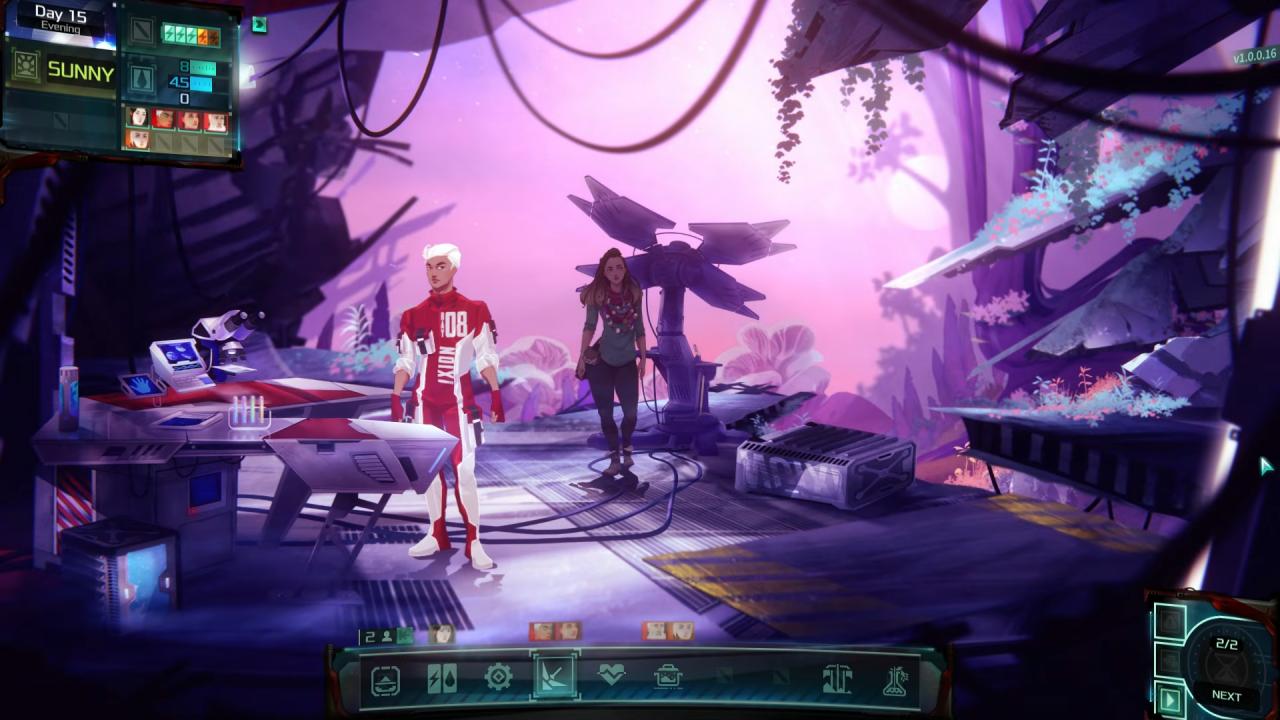
There are different parts of each day where you can give your team tasks like getting food, cleaning water, fixing systems, looking into alien life, exploring new areas, taking a break, or trying to fix the social problems that have been happening. Every decision we make could cost us something.
Should you fix a broken data network or save power for medical care as soon as possible? Should your best engineer go on an adventure or stay at home to make sure that important systems keep going smoothly? The structure is known to people who have played before, but the new rules make it feel like the stakes are higher.
The Energy system is the most important change to the way things work. In previous posts, we looked at more common types of resource loops. In this one, though, power is the most important thing in life. Almost every modern station gets its power from the same pool. This includes crafting stations, labs, and devices that sustain life.
Staffing some stations can help you make more electricity, but it takes people away from more important tasks. This multilevel reliance on resources makes things a lot more stressful. While running high-tech gear can speed up your studies and give you more choices, it can also leave you vulnerable to attack overnight if your reserves get too low.
Taking care of energy is like having an invisible clock that keeps ticking behind every choice.
Being in charge of food and water is still very important. Ignoring these tasks will lead to losses, illness, and a drop in mood. It's good to have clear water, but dirty water is dangerous. You get fined more and more for getting hurt. Stress builds slowly before it bursts, making people lose their minds.
Random number generation (RNG) makes skill checks less certain; even if the odds are high, it can still fail, making life even more fragile. This conflict will interest you if you like systems that constantly make you think about your power. Chance can be annoying if you like to plan and know what will happen.
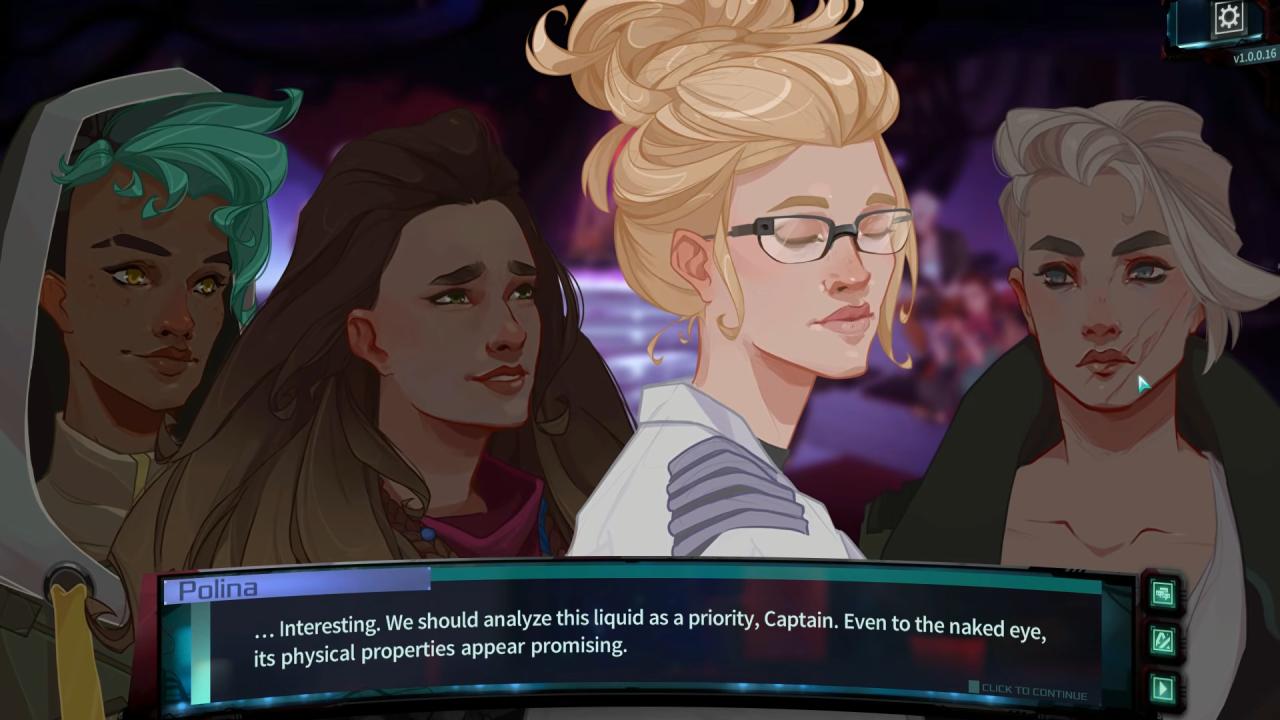
How Dead in Antares deals with relationships is what makes it stand out. No one person can be replaced on the team. Everyone who works as a specialist has their own past, personality, biases, and emotional needs. There are over 135 different kinds of conversations that can happen between two people when they talk about work, rest, stress, or being close.
Bonds form, rivalries heat up, and grudges stay. This isn't just a matter of looks. People who have good relationships get more done and feel less worried. The worry of a fight can make it impossible to do your work. One of the worst times for someone to lose their temper is right when they need to do something important.
Ishtar Games does a great job of blending story and gameplay.
Taking care of your mind is just as important as taking care of your body. A sad scientist might not be able to do important work. Everyone in the group can lose confidence because of a nasty fight. Betrayals can change the ending of a story in a big way. Taking care of your feelings is not just a nice thing to do; it's a plan. Not only are you managing numbers, but you're also dealing with stressed-out, weak people.
It's very different from older versions when it comes to exploration. You are no longer stuck in one place and can't go outside. Instead, you send teams across a world map that branches off into different areas. There are pros and cons to every trip. You could find rare materials, tools made by aliens, or things that change the story.
Getting into fights or political problems with one of the alien groups could also make things worse between you and them. Exploration doesn't seem pointless. Every trip either increases the likelihood that someone will stay alive, adds to the story, or does both. The branching paths are interesting, and each time you play, the game will end differently depending on the choices you make.
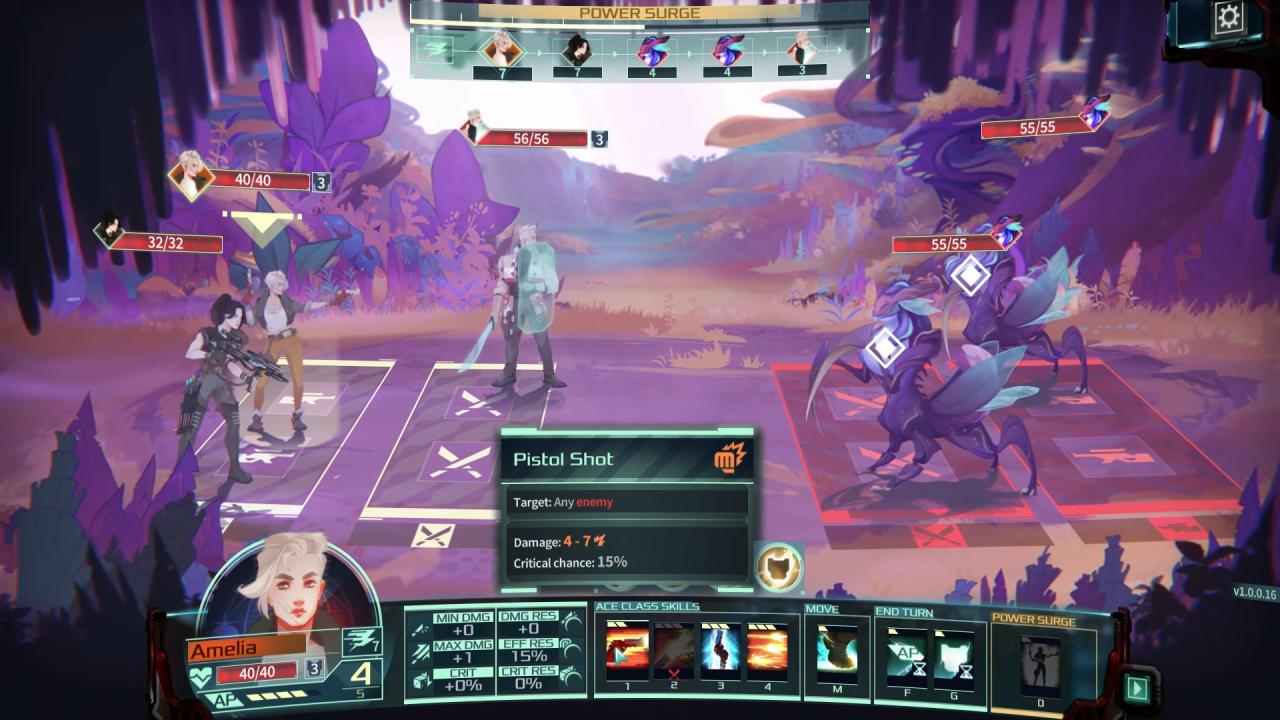
Turn-based combat is back, and it's better than before. There are front-row and back-row positions in battles, and it's very important to work together and plan your moves. The crew can use more than 60 skills, so how they are put together is very important. You should think about more than just raw damage.
You should also think about help skills, state effects, and where to stand to defend yourself. With the new Power Surge feature, characters can now have superpowers that can make a big difference in a fight. It's not out of whack that these times feel important. Fights mustn't happen all the time, so they're carefully spread out.
Challenge spikes can be strong if you rush into dangerous places without being ready.
But it might catch you off guard during early playthroughs. This shows how important it is to scout and get ready. In the launch version, there are no custom challenge sliders like there were in the previous version. It has challenge modes that are already set up instead. If you liked being able to tweak safety factors in other games, you might not like being able to do that here.
But the balance between fairness and stress doesn't change much, even when the choices are set to their defaults. Systems for learning and moving forward connect everything. As crew members finish jobs, they gain levels, traits, and fight passives. In older games, sometimes it felt like you didn't have many options.
You have more freedom to build useful skills and skills that help you fight in Dead in Antares. This makes it more likely that you will plan for the future. Are you teaching someone how to study, how to fight, or how to be a helpful person who can do many things? Being able to do things well in everyday life and on the battlefield depends on how well you improve your skills.
When it comes to appearance, hand-drawn work is still the best. Pictures of characters show how tired, angry, scared, or determined they are. The settings are both strange and real, and they strike a good balance between beauty and solitude. The interface of this game looks more futuristic than those that came before it, with many sharp, sci-fi forms.
Some people might have preferred the old settings' earthy tone, but the new look fits the theme well. There are ways to use sound that don't take away from the mood. The exploring scenes are mostly made up of sounds from the environment. Sounds like wind, animals far away, and tools humming are all small clues that help you lose yourself in the experience.
While music could play all the time, it only plays at certain times to emphasize emotional or story high points. The score puts more weight on weakness than on power, which aligns with the game's control theme. PC works well even though it has many other systems connected to it. The choices load quickly, and the system loads even faster.
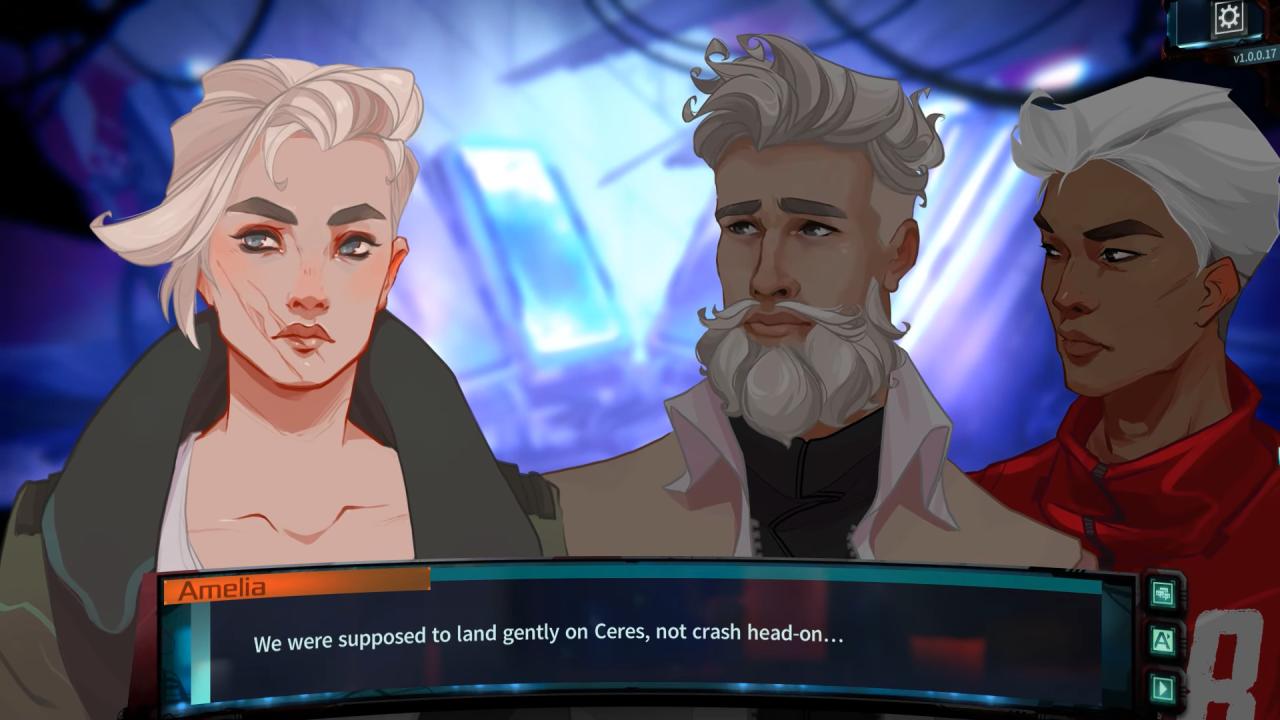
Because there are so many control screens, the interface can be hard to get used to at first.
But tooltips and slow introductions make it easier. It's easy to understand the flow once everything is set up. It's fun to play again and again. No single run gives away everything because there are five endings, many storylines that can go in different ways, different crew builds, and different relationship outcomes.
A campaign can last anywhere from 25 to 40 hours, depending on how deeply and hard you look into it. Once you make a choice, it changes everything about your life and the way groups work. Dead in Antares doesn't make the story very different from what it is. Instead, it makes it better and bigger, which makes the system more difficult while keeping the closeness of the relationships.
This post feels like the end of Ishtar Games' trip if you've been following along. There are more of them now, but this one keeps true to its roots. It takes time, planning, and being aware of how you feel. On the other hand, it gives you a deep survival experience where every choice you make changes your mind and processes.
Moderator, NoobFeed
Verdict
Dead in Antares is a thoughtful sci-fi survival story with a lot of emotional depth and strategic drama. If you like making decisions that matter and seeing how people react under pressure, the stars will give you a rich experience that you can play.
72
Related News
No Data.