
PS5 Physical Sales Slide Further as Disc Debate Intensifies
Physical video games are back in the spotlight after fresh sales data shows a troubling outlook for packaged software in the US.
News by Wasbir Sadat on Jul 22, 2026
According to Circana Senior Director and Video Game Industry Advisor Matt Piscatella, only seven PlayStation 5 games have sold over 100,000 physical copies in the US in 2026. Circana's retail tracking service figures show how much consumer buying habits have changed this console generation. Piscatella said only two PlayStation games sold over 10,000 physical units in the US the week ending July 11.
The exact titles were not disclosed, but the numbers alone show the shrinking footprint of physical software at retail stores nationwide. Rapid changes in consumer behavior do not always cause the reduction. Players have been preferring digital marketplaces to packaged releases for years. Faster downloads, instant purchases, and regular digital sales are making digital libraries popular.
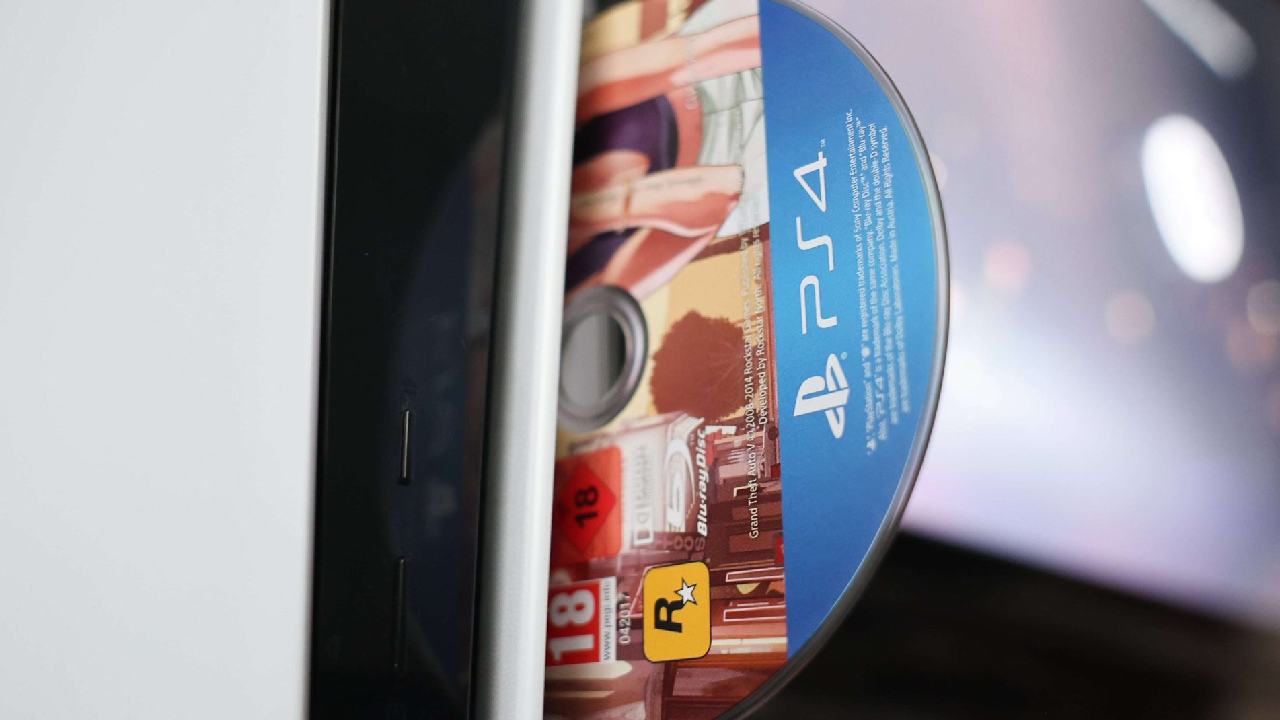
Developers also reduced their commitment to physical games.
Due to digital transactions, businesses have less inventory and shelf space for video games, further reducing traditional sales. Piscatella told social media that merchants slashed game orders years ago to avoid unsold inventory. Although the method helped businesses mitigate risk, it also made major releases hard to find on shelves when demand exceeded expectations.
The retail experience has also changed significantly. Gaming departments at many retailers have changed significantly in the past decade. Customers find it harder to browse now that racks with rows of boxed releases have been reduced and some games are behind closed glass cabinets. Piscatella calls it a “death spiral,” with fewer games getting physical releases and selling fewer units.
Poor retail performance discourages publishers from investing in physical production, reducing consumer choice. Some observers suggest physical media is more resilient in non-U.S. markets, although digital distribution is growing globally. Major publishers are reporting digital sales percentages that seemed impossible a few console generations ago.
The tendency is especially strong among younger gamers who prefer online markets over traditional storefronts. Online game stores are the norm for many consumers. Digital purchasing has grown, but physical games are no longer just convenient. Physical media companies are increasingly addressing ownership, consumer rights, and market competition.
Despite buying largely digital titles, many consumers still prefer disc drives and physical releases.
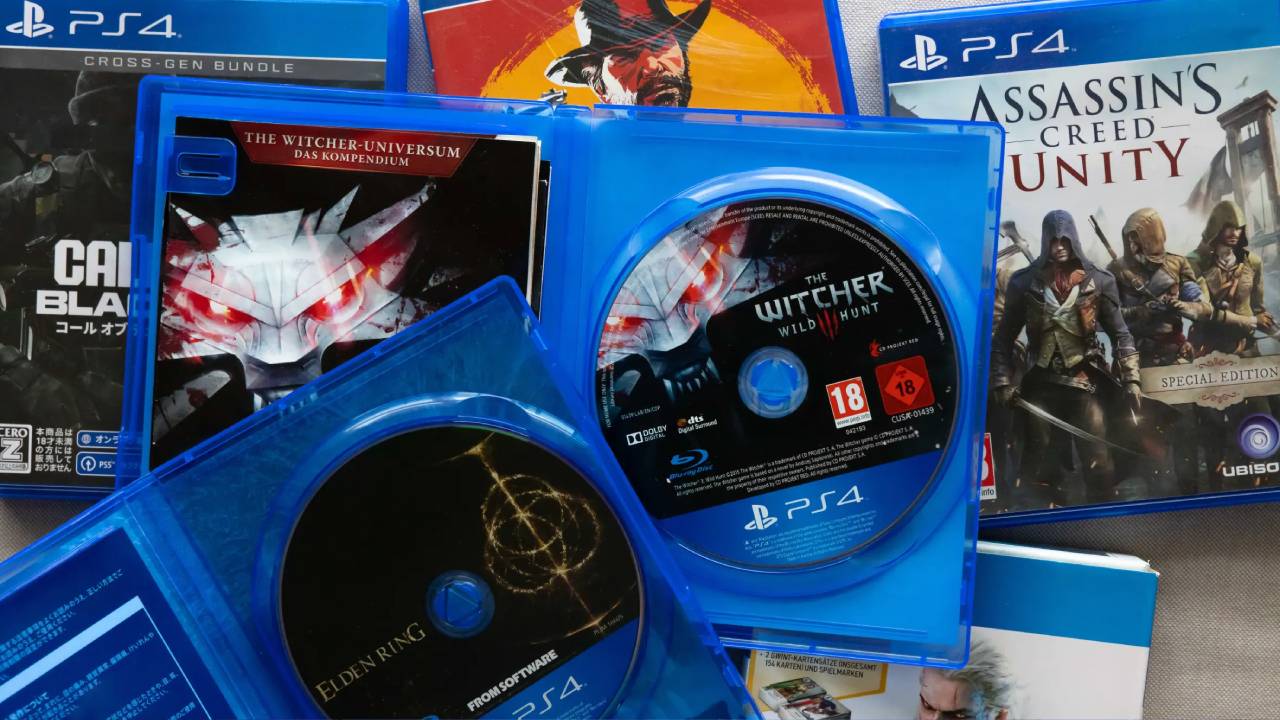
They want users to choose how they buy and access games, not boxed copies. Market competition also affects physical media. Amazon, Best Buy, and other retailers can offer discounts and promotions that aren't available on platform holders' digital marketplaces. Without alternatives, consumers may become dependent on a console manufacturer-controlled marketplace.
This issue is especially important as more media go digital-first. Eliminating physical options gives platform owners greater control over pricing, sales, and distribution, potentially impeding competition that benefits consumers. For many players, maintaining physical media goes beyond nostalgia. Keeping consumers' options and leverage in a digital economy is key.
Another common topic in these talks is digital ownership. Digital purchases are handy, but many consumers dislike the limits. Digital games require online accounts and platform ecosystems, unlike physical disks. If the account is locked, suspended, or compromised, players may have trouble accessing years-old purchases.
Critics believe current digital ownership frameworks don't safeguard consumers adequately. As games become more dependent on online infrastructure and account-based ecosystems, digital rights are needed more than ever.
Platform holders must develop more advanced offline verification mechanisms to allow users to access their paid content even without network access for some players. Others have advocated for clearer ownership rights and stronger digital marketplace return procedures. The discussion will likely continue as the industry moves toward digital distribution. Physical game sales are dropping, yet the urge to own physical media will persist.
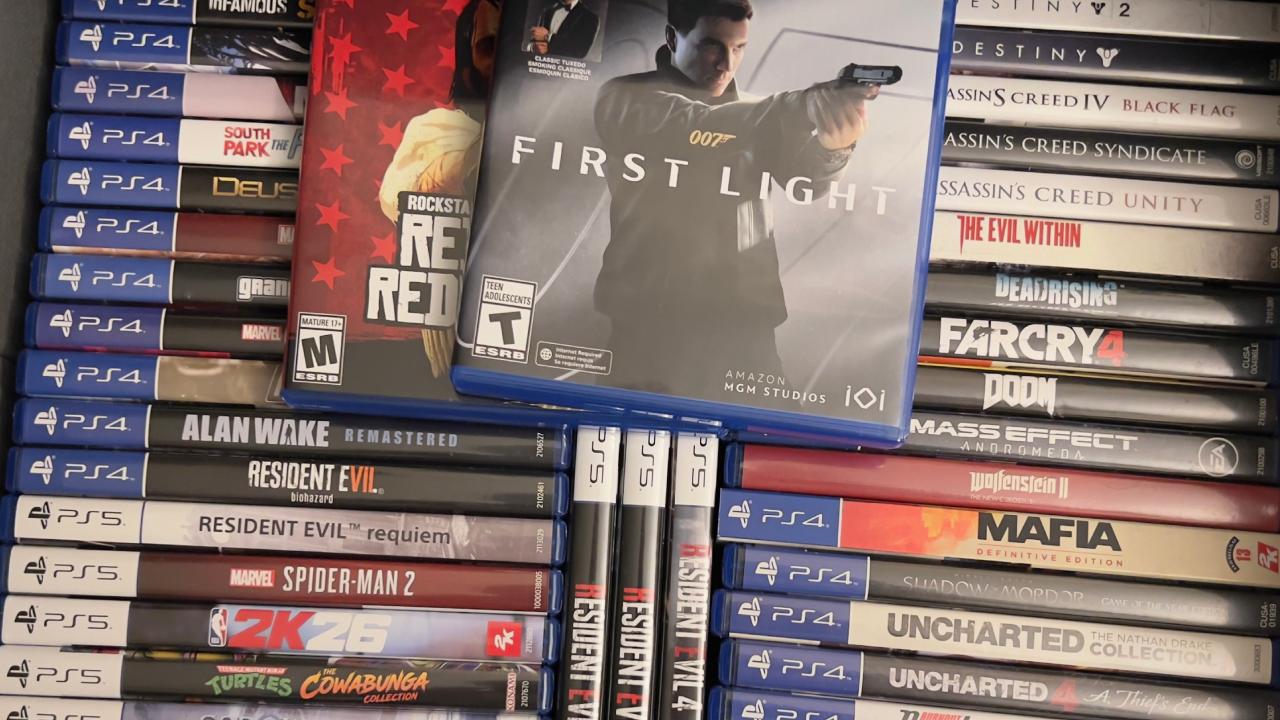
Circana's fresh numbers come as Sony's physical media plans are debated.
PlayStation players on social media still worry about the future of disc-based gaming. Sony has mainly ignored community criticism and demands. That silence has fueled many who perceive physical media as a key barrier to consumer choice and ownership rights.
Whether the corporation addresses those concerns is unknown. One thing is clear: the market is rapidly moving toward digital distribution. The latest sales data suggest physical gaming is declining. Even as digital purchasing dominates game purchases, ownership, competition, and consumer rights remain unresolved. Many gamers believe the future of gaming is about giving consumers power over their purchases, not whether games are distributed on discs or via downloads.
Staff Writer, NoobFeed
Related News
No Data.