
Esoteric Ebb Review
PC
Esoteric Ebb a magic, mystery, and mayhem at every turn.
Reviewed by Joy Rahman on Mar 06, 2026
Esoteric Ebb was developed by a company that clearly loves the classic tabletop role-playing games, especially Dungeons & Dragons. At the same time, they got a lot of ideas from story-driven CRPGs like Disco Elysium and Planescape: Torment.
Though the game clearly shows its inspirations, it manages to find its own style with a clever framing device: you are playing a tabletop session, and Chris is the Dungeon Master, telling you what happens and leading the adventure.
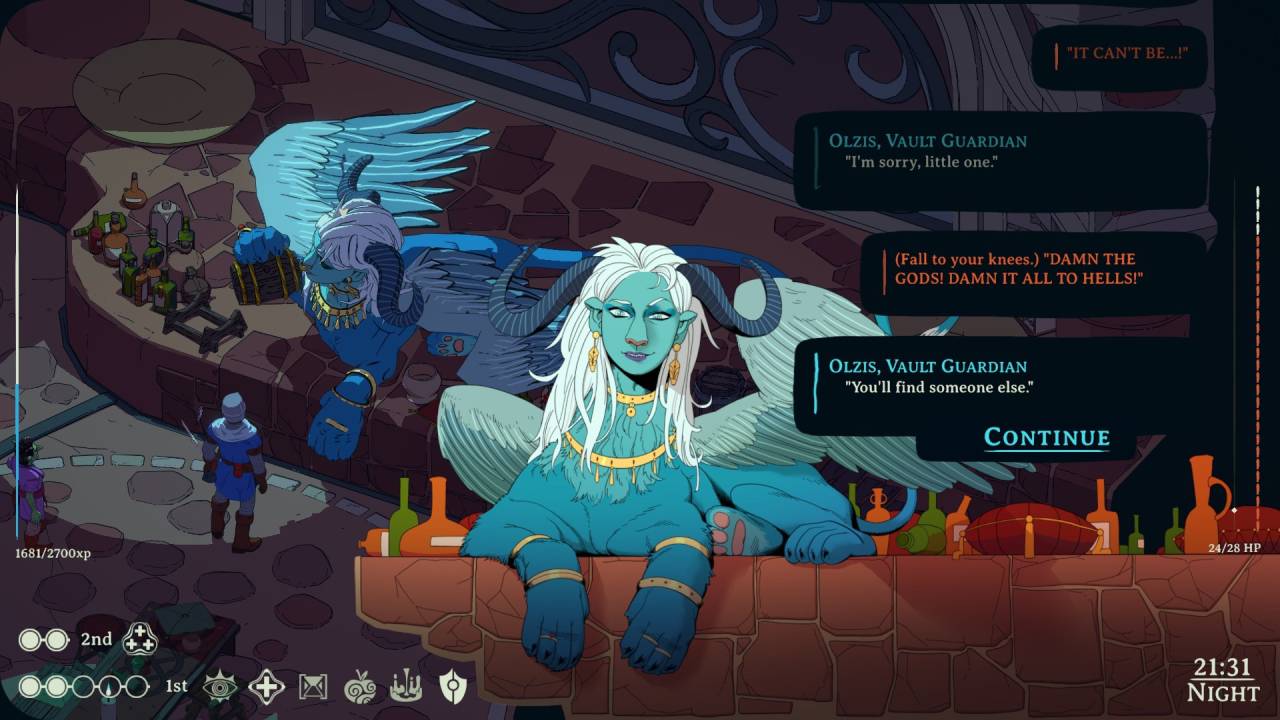
This story layer makes a meta-commentary on role-playing by reminding players of the fun and silly things that can happen when you tell stories to a group.
When you start Esoteric EB, you are thrown right into a rich, post-fantasy world where magic has faded, and people are slowly rebuilding their lives after terrible wars with godlike characters. As a first-generation priest of the long-dead god Earth, your job is to look into an explosion at a nearby tea shop that happened just days before Tolstad's first democracy election.
From this base, the game skillfully blends comedy, tragedy, political intrigue, and esoteric mysteries, showing from the very first hours that it is more than just a tabletop adaptation. It is a unique story experience made for players who like to be creative, explore, and see what happens.
The story in Esoteric Ebb is bold, complicated, and fun. The first scene of the game is shocking: your character wakes up in a morgue after being pulled from a river after a violent death. Their memory is still there, but shaky, and their prayer book and spells have been destroyed. After that, you are thrown into an investigation that lasts five days.
Every talk, choice, and exploration you make has an impact on the politics of the city and the relationships you make. The story is mostly about figuring out who set off the explosion in the tea shop and dealing with the growing tensions between Tolstad's different groups, which include theocratic nobles, worker revolutionaries, and strange magic fans. You can talk to these groups, change the political results, and even vote in the election, which will change how the story ends.
The writing in the game is smart, self-aware, and often funny.
Players may have to bargain with a swollen sphinx for information, bribe a gummy cube, or stop an icy troll from causing trouble, all while dealing with their own inner conversations, which are voiced by their character's ability scores. Your intelligence, charisma, and power often fight with each other in your head, which affects how you talk to people and solve problems. The way that humor, story depth, and player choice work together makes the story feel alive, responsive, and truly engaging.
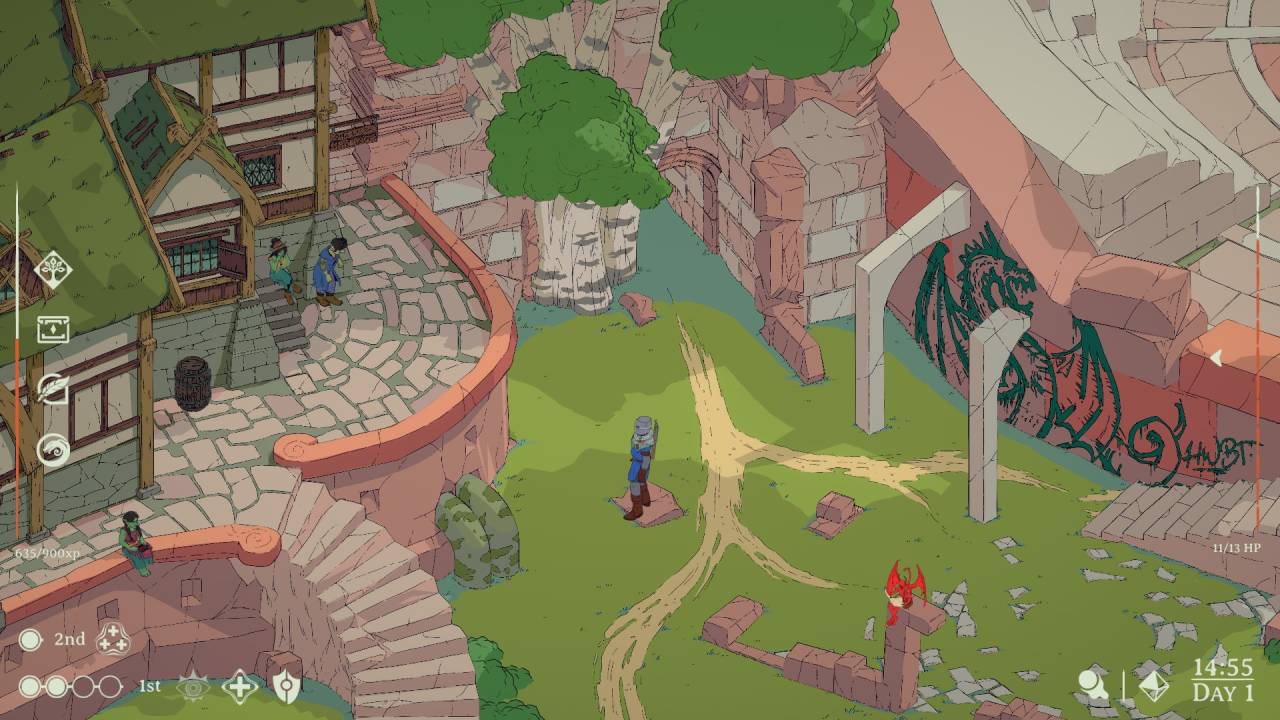
The rules for Esoteric Ebb are a mix of traditional tabletop rules and CRPG ease. The main parts of the experience are talking to other people and exploring, and rolling dice is a part of almost every important choice. Your six standard D&D stats—strength, dexterity, constitution, intelligence, wisdom, and charisma—affect these rolls.
Ability checks show how well you can persuade, scare, sneak, and solve problems. Like in Disco Elysium, these stats have personalities and give you different advice when you talk to them. This adds to the story and makes it harder to decide what to do.
Exploration is a big part of the game, and Tolstad is a very detailed city. The world is just big enough to feel manageable, but there are so many things to find in it. Players can go on side quests, talk to NPCs, and learn about the city's history, politics, and the gods' impact that is still felt today.
Many quests are unmarked, rewarding careful observation and creative thinking.
You can use spells, items, or even strange methods to solve problems. For example, you could use grease to get around obstacles, charm a goblin to get an item back, or use "speak with dead" to learn about important events that are about to happen.
How the game handles its goals is a key part of player choice. You can completely ignore your main goal and still get to the end; the story will change based on what you do. This adaptability lets stories come up on their own that feel natural and personal, and it supports trying new things in both conversation and solving problems.
The game also has a day-night cycle and a five-day time limit. You can move time forward by talking, exploring, and sleeping. You need to plan ahead for both long and short rests. Long rests heal and restore spells, but they take eight hours. Short rests heal a little and may restore a spell spot, but they can only do so many times.
Esoteric Ebb has turn-based combat, but it doesn't happen very often because the priest believes in nonviolence. Initiative is based on dexterity checks during fights, and early bad rolls can leave you open to attack. Even though it can be frustrating, fighting can often be avoided by using pacifist strategies or spells in smart ways.
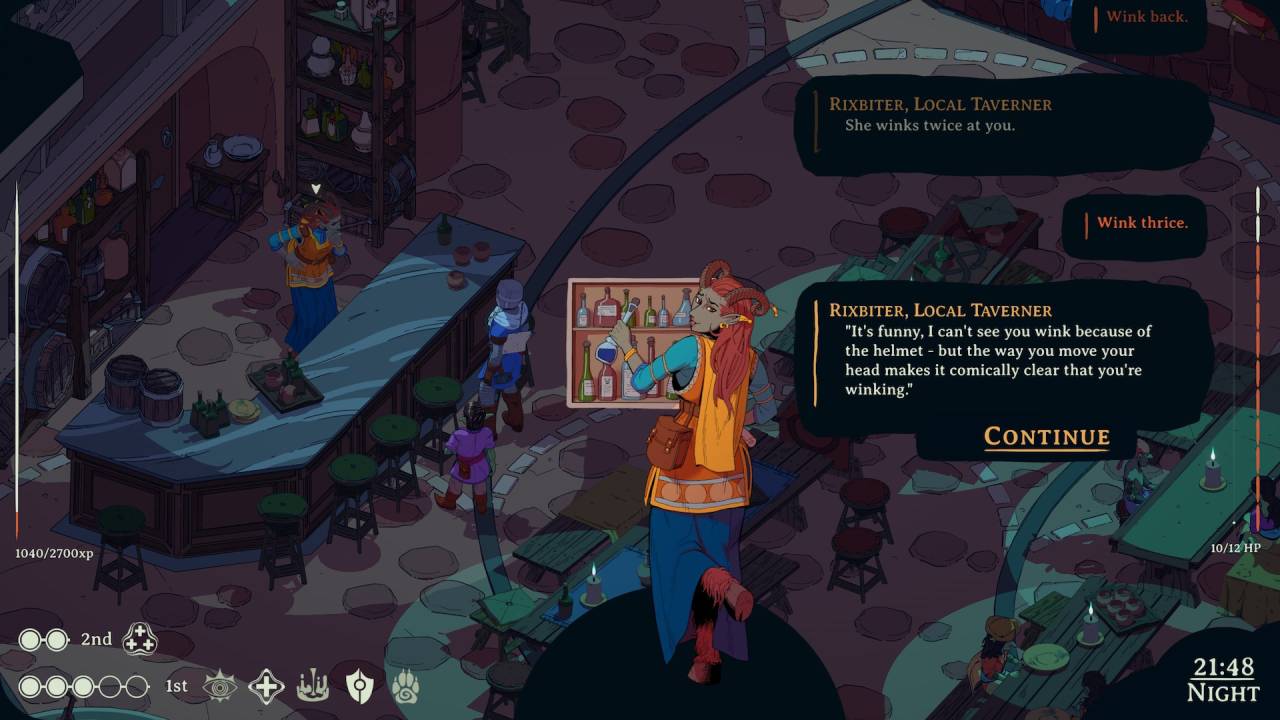
This puts more emphasis on using your brain to solve problems than on using brute force. Spells can be used to find out more about something or settle a disagreement. Healing, bless, shield of faith, and even spells that don't seem very useful, like knock, can all be used in certain situations. Players have to carefully choose which spells to learn before going out, taking into account their offensive ability, their usefulness, and the needs of the story.
Puzzles often require you to think about things other than how to fight. In investigative sequences, talking, rolling dice, using spells, and interacting with items are all significant.
You can use a skill check, a spell, or even trick an NPC to get past a locked door. This strategy makes you want to try new things and pay close attention to details, but it can be hard if you miss a key item or piece of speech. The game also has a goal tracker that looks like a mind map and can be used as both a skill tree and a way to choose feats. Getting feats from completing tasks can completely change how you play by letting you change how you fight, talk to people, and solve problems.
This game has a great mix of humor, story consequences, and player choice. Failing can even be pleasant, and it can open up new doors that you didn't expect. If you don't pass a social check, the conversation can get awkward. If you don't pass an investigation job, you might find different methods to tell the story.
This manner of playing makes the game feel real, interactive, and constantly fun. On the other hand, some battles can feel unfair because of bad luck with the dice, which forces repeated reloads. However, these times are rare and are lessened by the variety of other game systems.
In Esoteric EB, getting experience is mostly tied to talking to people, exploring, and completing quests, not killing a lot of enemies. Upgrading your hit points, spell spots, and ability scores comes with leveling up, which makes planning even more important. With each new level, you can change how your character grows and changes, so growth doesn't just add to the numbers.
The feat system, which is linked to main quests, adds more meaning to the strategy. After completing a quest, you can choose from a number of feats that can change how well you fight, how conversation works, or how you solve problems. A player can have up to four feats on at once, and they can switch them around as needed.
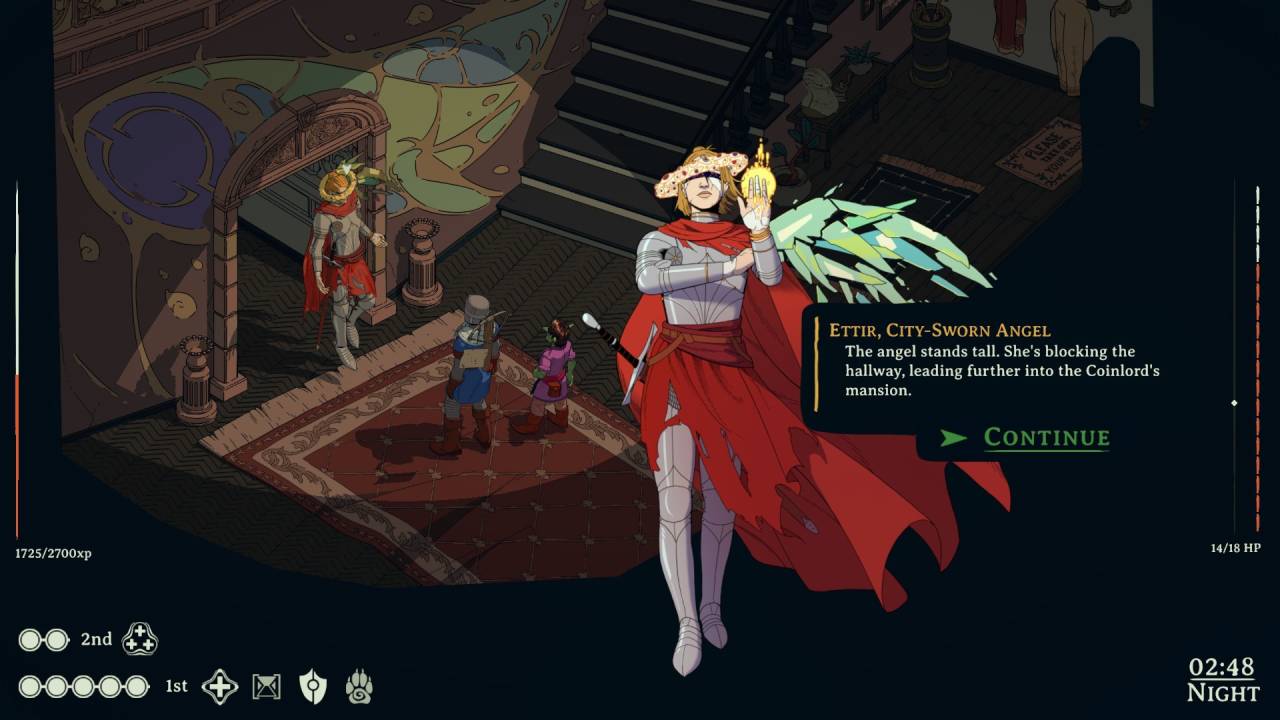
The game makes it easier to try new things, play again, and change to different situations, which gives players more control over their choices. Companions make advancement even better. Snell the goblin is your main companion and goes with you throughout the game. He adds to the story and helps you play. Other companions, like the angel Eter and the secret character Meek, depend on the situation and take work to unlock.
This makes the game more interesting and fun to play again and again.
Esoteric Ebb uses a cel-shaded art style that goes well with its silly and sometimes strange tone. The character models are expressive without being too detailed, and the settings are a good mix of being clear and having a lived-in, fantastic look.
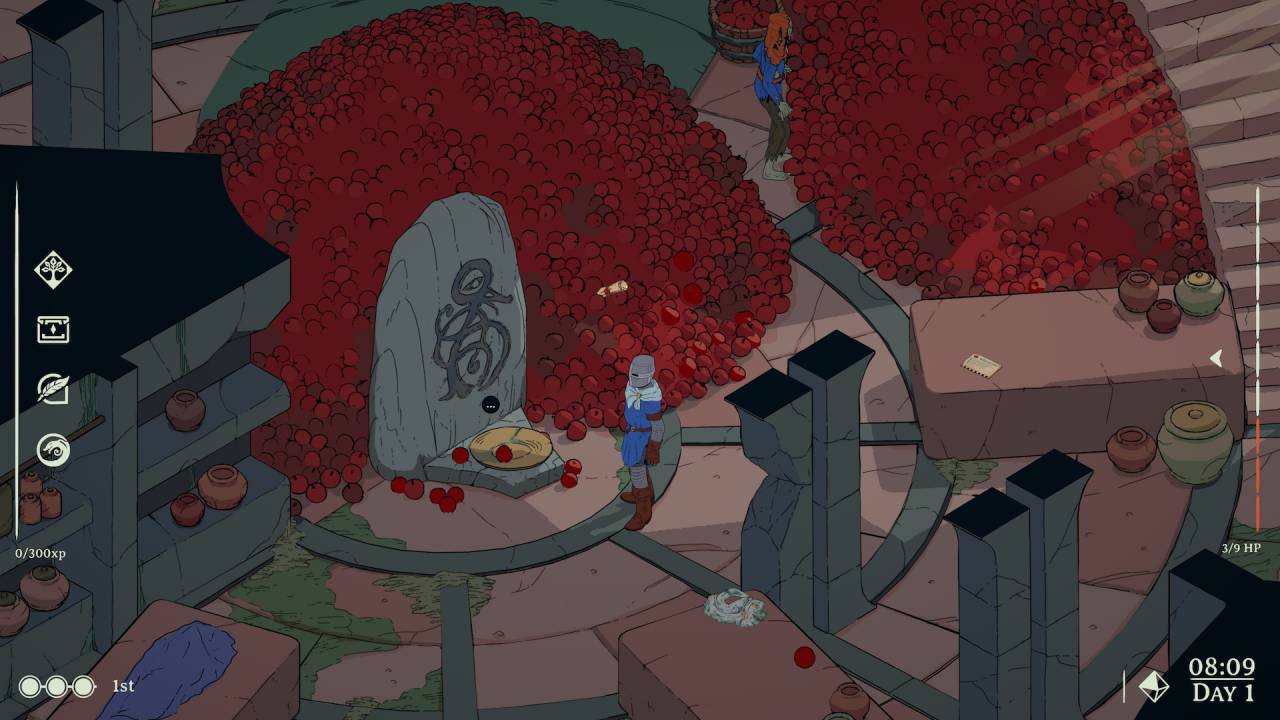
The visual design puts more emphasis on usability and personality than on hyper-realism. This is true from the rotting morgue where your adventure starts to the busy streets of Tolstad. This creative method makes the experience more real, turning Tolstad into a real city instead of a generic fantasy setting. Small details like rotting apples in the morgue, strange creature designs, and strange NPC animations also help build the world in deep and important ways.
Esoteric EB's story and visual style are complemented by its sound design. The dialogue is well-voiced, and the ability scores' inner conversations give them unique personalities that make the story more interesting and funny.
The background music fits the mood, going from fun or creepy during exploration to tense during political or investigative times. Few sound effects are used, but the ones that are used work well to emphasize magical interactions, environmental cues, and minor feedback when rolling dice or checking your abilities. Overall, the sound design makes the experience more immersive without ever getting in the way of the story. It keeps the focus on the story and player choice while making it clear how the game works.
Esoteric Ebb is one of the few games that manages to combine tabletop role-playing, story-driven CRPG mechanics, and player choice into a single, enjoyable experience.
It's clear that the game was influenced by Dungeons & Dragons, Planescape: Torment, and Disco Elysium, but it goes beyond homage to make its own identity through humor, consequences, and creativity. Investigative mechanics, flexible task resolution, and flexible spell systems make it easy to try new things. Character stats with personalities and branching dialogue options make each playthrough feel unique and responsive.
It's mostly up to you whether to fight or solve puzzles, and even if you fail, the results are often fun or interesting. Leveling, choosing feats, and choosing a companion all help you make better strategic decisions without having to grind too much, so your progress stays relevant and important. The cel-shaded visuals and well-integrated sound design add to the mood of the game and make Tolstad feel real and alive.
There are some minor problems, like the DM talking over the players sometimes when they don't need to, bad dice rolls in battle, and the chance of missing out on opportunities if you don't look around carefully. Though there are some problems, they are far outweighed by the experience's depth, humor, and emotional power. Esoteric Ebb is a must-play for anyone who likes board RPGs, CRPGs, or story-driven games. It has a unique mix of freedom, consequence, and charm that will keep players interested for hours.
Contributor, NoobFeed
Verdict
Esoteric Ebb brilliantly merges tabletop RPG mechanics with narrative-driven CRPG storytelling, offering humor, choice, and creativity. Despite occasional frustrating dice rolls, its world, characters, and freedom make it an unforgettable experience.
87
Related News
No Data.