
GUILTY GEAR -STRIVE- Review
PC
Deep mechanics, wild characters, and streamlined combat—this is Guilty Gear at its most accessible yet controversial form.
Reviewed by Mahi Araf on Apr 10, 2026
You’re jumping into GUILTY GEAR -STRIVE- at a strange but exciting point in its history. This isn’t just another sequel—it’s the result of a long, complicated journey for Arc System Works, a studio that nearly lost its flagship fighting series entirely. After the original Guilty Gear era faded under publisher transitions and the shift toward other projects, including BlazBlue as a spiritual successor, it genuinely looked like the franchise might not return in full form.
Then Guilty Gear Xrd -SIGN- reignited everything, bringing the series back with a bold visual overhaul and renewed attention. By the time GUILTY GEAR -STRIVE- arrives, you’re not just playing a new fighting game—you’re stepping into what feels like a culmination of decades of experimentation, reinvention, and community expectation. It also lands in a modern era where fighting games need to balance hardcore depth with accessibility, and that tension defines almost everything you experience here.

You’re also looking at a game that didn’t just release and disappear.
It continues to be discussed and revisited years later because it reshaped how anime fighters present themselves, both mechanically and visually. Whether you’re coming from older Guilty Gear entries like Xrd or jumping in fresh, you immediately feel that Strive is trying to simplify without stripping away identity. That balancing act is exactly why you’re still hearing about it today.
The story in GUILTY GEAR -STRIVE- picks up after the events of Guilty Gear Xrd -REVELATOR- and Rev 2, continuing the long-running saga of Sol Badguy, Ky Kiske, I-No, and the rest of the cast as they deal with the aftermath of massive, world-altering conflicts. At its core, you’re watching the conclusion of Sol Badguy’s journey, as he moves toward a final confrontation with “That Man,” also known as Asuka R. Kreutz.
Instead of being told in traditional gameplay, the story unfolds like an extended anime film. You’re essentially watching a four to five-hour cinematic experience, with no interactive fights in between. It looks more like a visual conclusion than a playable campaign, focusing on bringing the story to a close rather than engaging players in gameplay.
What makes it interesting is that Guilty Gear's world doesn't try to make things easier for new players.
Instead, it fully embraces the complexity. You’re dealing with layered histories, interconnected character relationships, and concepts like Gears, Universal Wills, and long-standing rivalries that stretch across decades of lore. The game does try to help you understand it through detailed character relationship charts and a built-in glossary, but even then, you’re still stepping into a world that expects some level of outside knowledge.
For newcomers, this means you’re likely to feel overwhelmed at first. Even with explanations, the narrative density is high, and you’re often better off treating the story like an elaborate final season of a long-running anime. For longtime players, though, it delivers something much more satisfying: closure. It ties together arcs that have been building since the late 1990s, giving emotional weight to characters you’ve likely spent years learning.
The tone ranges from serious to silly and even funny at times, despite the story's complexity. People in this Guilty Gear world often have names like Sol Badguy, and big swords, musical references, and crazy ideas are all common. The story is akin to classic Guilty Gear, with both quirky and serious elements.
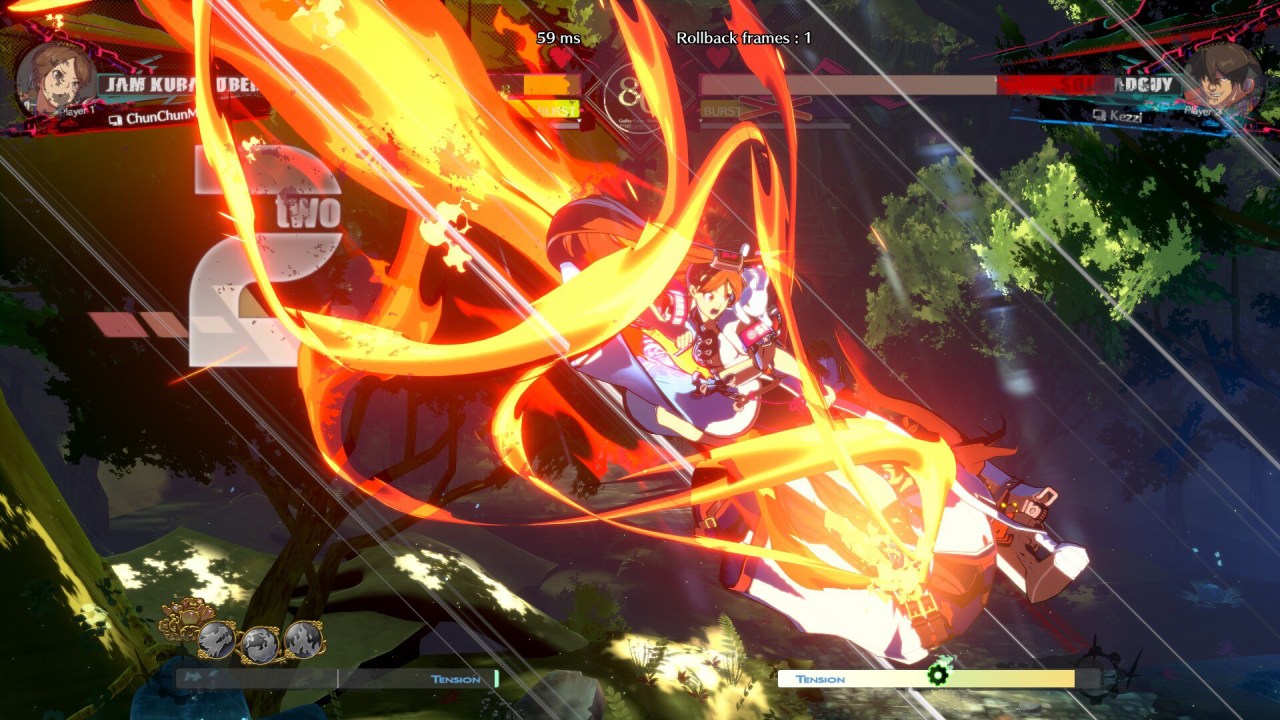
You get to know a roster right away that feels different from most fighting games you've played. One of the best things about GUILTY GEAR -STRIVE- is how different each character looks and plays. Unlike many anime fighters, who tend to look the same, each fighter has a strong personality and identity that makes them easy to spot.
You get characters like Sol Badguy, a hero with a flame who is all about raw power and aggression, and Ky Kiske, who is more of an all-around character who can attack and defend at the same time. Then there are more extreme designs, like Potemkin, a huge armored powerhouse who moves slowly but punishes mistakes with deadly grabs and long-range attacks.
Chipp Zanuff is on the other end of the spectrum.
He's built for speed and agility, which lets you move quickly and overwhelm your enemies, but he's not very durable. Millia Rage is all about putting opponents under a lot of pressure through movement and mix-ups, making it hard for them to defend themselves.
Then there are characters like I-No, who uses musical attacks and chaotic movement, and Giovanna, a rushdown fighter with a spirit wolf that boosts her offensive pressure. Nagoriyuki changes the rhythm completely by using a big sword to control space and a blood meter that can either give him more power or punish him for using his strongest tools too much.
What stands out is how each character doesn’t just have different moves—they have different philosophies. You’re not just picking stats or archetypes; you’re picking entirely different ways to interact with the game’s systems. Even longtime players of specific characters had to relearn them in Strive due to how much was adjusted from previous entries.
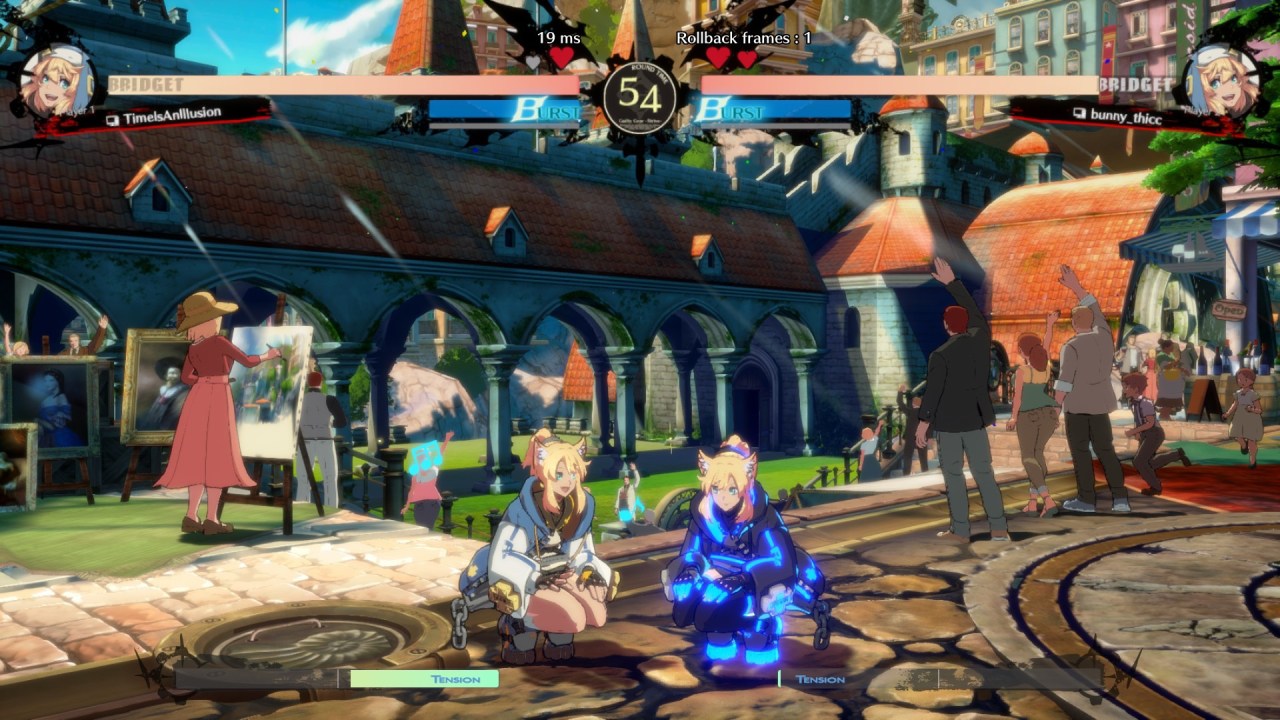
When you start playing GUILTY GEAR -STRIVE-, you immediately notice that the structure of combat has been streamlined compared to older entries. You’re still working with the traditional five-button system—punch, kick, slash, heavy slash, and dust—but the way you connect attacks has changed significantly.
In earlier Guilty Gear games, you could freely chain lighter attacks into heavier ones, making long and expressive combo routes.
GUILTY GEAR -STRIVE- makes that flexibility lower. You can now only link attacks in certain ways. For example, you can only start combos from certain buttons, like slash, or use command normals to keep the pressure on. This change makes you less creative with long combos and more focused on hit conversions and neutral control.
This means that the game feels more real when people aren't fighting. Instead of constantly extending flashy combos, you’re often playing shorter, higher-damage sequences. When you land a hit, it matters more individually, but you also lose some of the freedom that made previous Guilty Gear games feel so expressive.
Defense is still layered, but it is more organized. You have tools like burst mechanics to get away from pressure, but these systems have been changed or combined since older games. Roman Cancels are still one of the most important mechanics because they let you spend meter to cancel actions, extend combos, or stay safe in dangerous situations. In Strive, these are easier to understand because of things like slowed time and clearer feedback. This makes the system easier to use without taking away its depth.
You also deal with newer systems like wall breaks, which completely change how corner pressure works. Instead of being stuck in a corner forever, extended pressure causes a stage transition, resetting neutral and giving the aggressor bonuses like more tension gain. This changes how you approach offense, since you’re no longer just trying to corner your opponent—you’re also deciding when to intentionally break the wall for advantage.
When you go online in GUILTY GEAR -STRIVE-, you’re stepping into one of the strongest netcode implementations in the fighting game genre. The rollback netcode lets you play matches over long distances with minimal lag, making online fights feel surprisingly close to offline play. This is one of the game’s biggest strengths and a major reason the community stayed active.
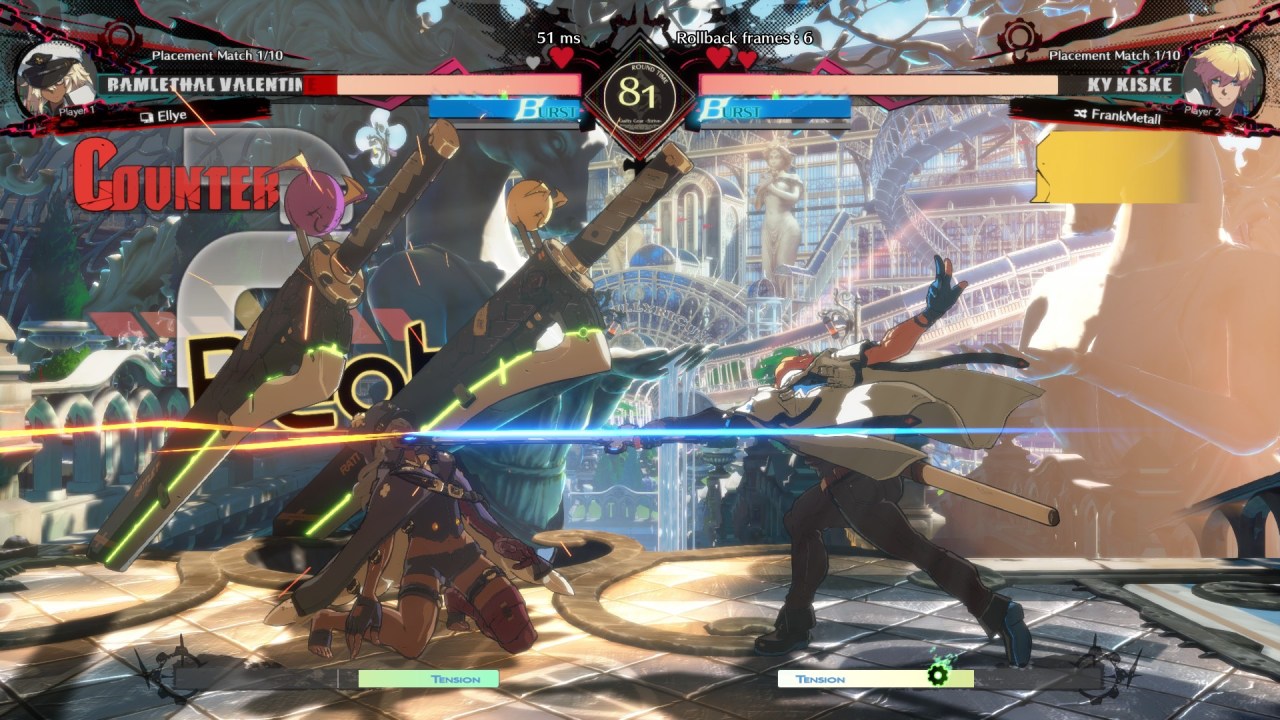
However, the way you access matches is less smooth.
You’re placed into lobby-style systems with avatars and virtual rooms where you challenge other players directly. While the concept is creative, it can feel clunky in practice. Sometimes, matchmaking delays, connection issues, or lobby instability interrupt the flow of online play. Even though ranked floors exist to separate skill levels, you can still run into uneven matchups, especially if you climb or fall quickly.
There’s no traditional co-op mode in the sense of story-based multiplayer, but you do interact heavily with the community through ranked systems, player rooms, and training while matchmaking. The social layer is present, but it’s not as streamlined as modern competitive games outside the fighting genre.
In GUILTY GEAR -STRIVE-, it's more about making quick decisions, staying out of range, and keeping track of your meter than it is about long combos. You need to always think about when to attack, when to defend, and when to use your resources for special attacks or Roman Cancels.
Each character has a unique combat style, which means that how you play changes a lot depending on who you are.
Some characters put a lot of pressure on you to rush down, which makes you guess what to do when you're close to them. Some people use long-range normals and projectiles to control space. Heavy characters deal a lot of damage when they make mistakes, but you have to be careful about where you put them to get in safely.
Roman Cancels are very important for high-level play. You can use them to make combos longer, get away from pressure, or give yourself new ways to move. Drift cancels are a new feature in Strive that lets you change direction while canceling, which can help you find new ways to position yourself or make longer combo routes.
Clarity is what works best here. You don't feel like you're being controlled by invisible systems anymore. Everything has visual feedback, which helps you figure out why something happened. Some players don't like that they can't use as many combos and that some old mechanics, like Instant Kills and older defensive tools, have been taken out. These changes make the game easier to get into, but they also take away some of the crazy expressions that older games were known for.
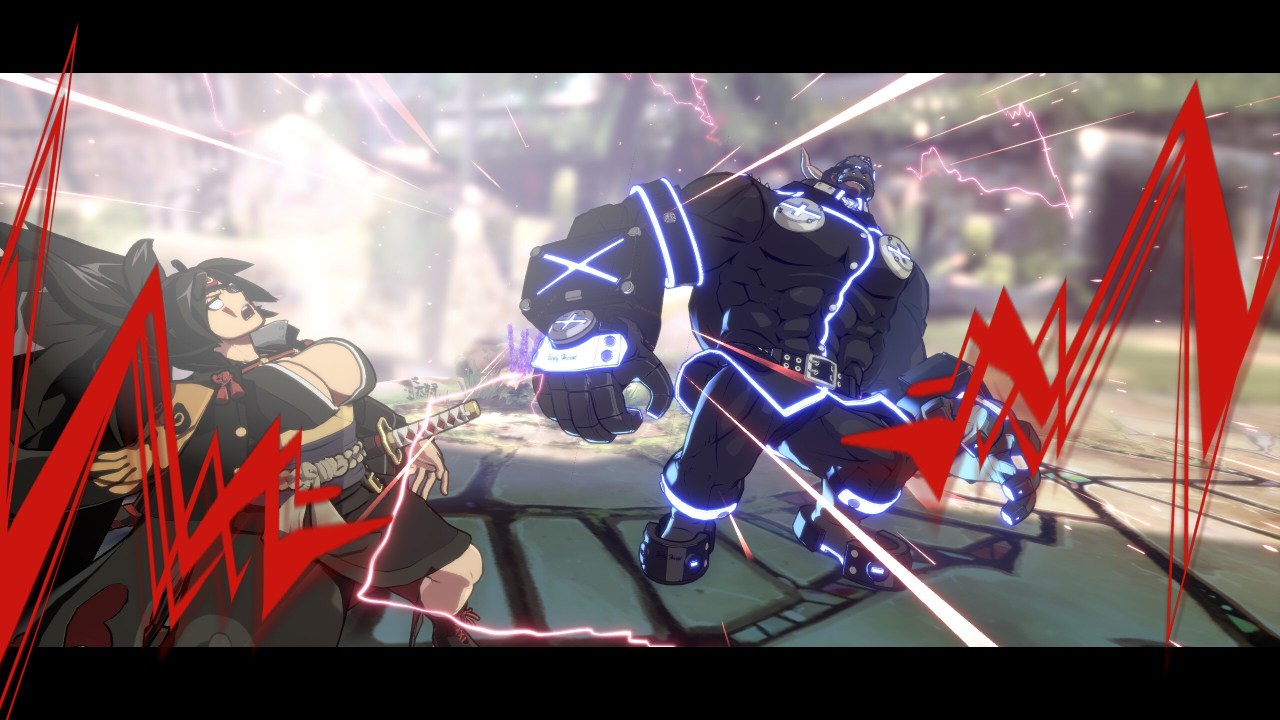
Getting World Dollars, the game's currency, is more important than leveling up in GUILTY GEAR -STRIVE-. You can get these by playing matches, completing missions, and trying out different game modes. This currency is then used in a “fishing” system where you randomly unlock gallery content, music, concept art, and customization items.
Instead of direct unlocking, you’re often relying on chance, which can feel rewarding or frustrating depending on what you’re aiming for.
You also unlock avatar customization items that let you personalize your online presence. Rank progression is tied to the tower floor system, where your performance determines which competitive tier you belong to. The system encourages continuous play but doesn’t dramatically change gameplay itself. It’s more about cosmetic and community progression rather than mechanical upgrades or character enhancement.
Visually, GUILTY GEAR -STRIVE- is one of the most impressive fighting games you’re going to see. The game uses a highly stylized anime-inspired 3D presentation that often looks like hand-drawn animation. The character models, lighting, and animations are all very well done, which makes each fight feel like a movie.
Sound design is just as amazing. The music is mostly rock and metal, which fits the game's energy and personality. Character themes are loud, aggressive, and easy to remember. They often become part of the community's culture. The voice acting is also good, with both English and Japanese options. However, many players prefer the original Japanese performances because they are more consistent.
GUILTY GEAR -STRIVE- runs well on most platforms and keeps up its performance, especially on modern consoles and PCs.
But some problems show up on hardware that isn't as powerful. On platforms like the Nintendo Switch, visual fidelity is reduced significantly, and you may notice occasional frame drops or reduced smoothness during more intense moments. Because fighting games rely heavily on frame precision, performance differences matter more here than in many other genres. If you want the most consistent competitive experience, stronger hardware platforms provide a more stable experience overall.

GUILTY GEAR -STRIVE- is a confident evolution of a long-running fighting game series that chooses accessibility and clarity over overwhelming mechanical depth. You’re getting a game that is easier to understand, visually stunning, and supported by one of the best online netcode systems in the genre. At the same time, you’re also losing some of the expressive combo freedom and legacy mechanics that defined earlier entries.
If you’re new to fighting games, this is one of the best entry points you could ask for. If you've been playing Guilty Gear for a long time, you probably like the changes but miss some things from older systems. Either way, it's still a strong, polished, and very important fighter that stands out years after it came out.
Senior Editor, NoobFeed
Verdict
GUILTY GEAR -STRIVE- is a stylish, easy-to-play fighter with deep mechanics, great netcode, and amazing graphics. However, longtime fans may not like the fact that it has fewer combo options and simpler systems.
85
Related News
No Data.