
AMD Expo ULL Underdelivers in Testing as Zen 6's First Chip Nears Launch
Independent testing found Expo ULL delivers far smaller gaming gains than AMD originally claimed for the technology.
Hardware by Shinji Okazaki on Jul 12, 2026
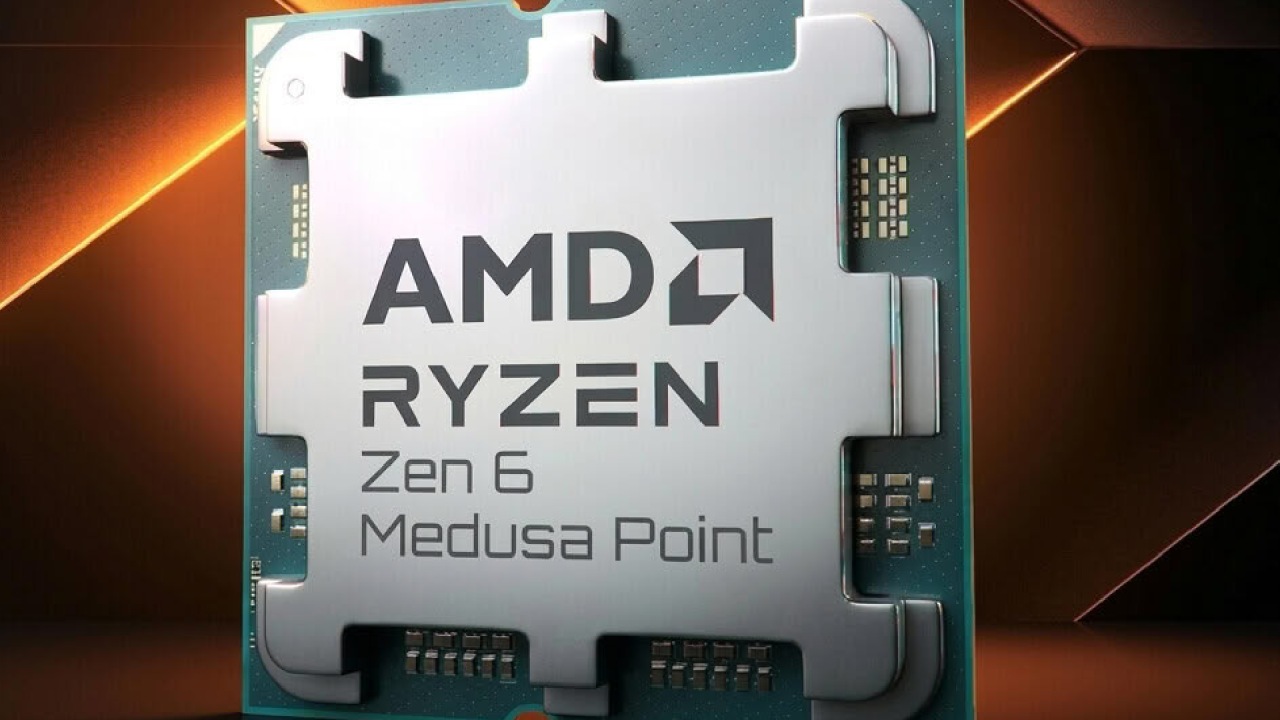
AMD's new memory technology, its next-generation server processor, and a rumored Nvidia GPU have all advanced in a short span, offering a clearer picture of where PC hardware performance and pricing are headed. Independent testing has now weighed in on AMD's expensive new memory standard, AMD's first Zen 6 chip is set to debut within weeks, and a new NVIDIA GPU report fills a gap in the RTX 50 lineup.
AMD's Expo ULL (ultra-low-latency) memory standard differs from regular Expo profiles by automatically applying aggressive sub-timings rather than just configuring memory speed and main timings. The goal is to approximate manually tuned memory performance without requiring hours of manual adjustment and stability testing.
Independent Testing Shows Modest Gains for Expo ULL
Hardware Unboxed has now published one of the first independent tests of the technology, using G.Skill's Trident Z5 Neo X RGB kit, a 32GB DDR5 6000 kit running at CL36. The kit technically delivered the highest gaming performance among all memory configurations tested, confirming that Expo ULL works as intended. However, the actual performance gain was small.
AMD originally claimed Expo ULL delivers a 4% average performance improvement in games, but in this testing, only F12025 reached that 4% mark, with Cyberpunk 2077 gaining 3.5% and the remaining titles falling well short of both figures. Only five games were tested, so the sample size is limited, but the results don't inspire much confidence given the pricing involved, with some Expo ULL kits costing over $1,000 for just 32GB of memory.
The specific kit used in this testing is considerably cheaper than some other Expo ULL options and has recently dropped in price, now costing only about $20 more than the equivalent non-ULL kit. Even so, a performance gain this small is disappointing, particularly since other Expo ULL kits remain priced at a significant premium over standard memory.
G.Skill Explains the Price Difference
G.Skill has provided an explanation for why certain Expo ULL kits are priced significantly higher than their non-ULL equivalents. According to the firm, the higher pricing reflects that these kits are newly made and built amid the current RAM scarcity. Expo ULL kits are not intrinsically poor performers, even though the results of the independent tests were not particularly impressive.
Once CU DIMM memory support arrives with Zen 6, potentially alongside an improved memory controller and faster Infinity Fabric, pairing CU DIMM with Expo ULL could become a genuinely strong performance combination. The core issue right now is timing: Expo ULL simply isn't delivering a strong enough gain on current-generation hardware to justify its price, given how expensive RAM already is.
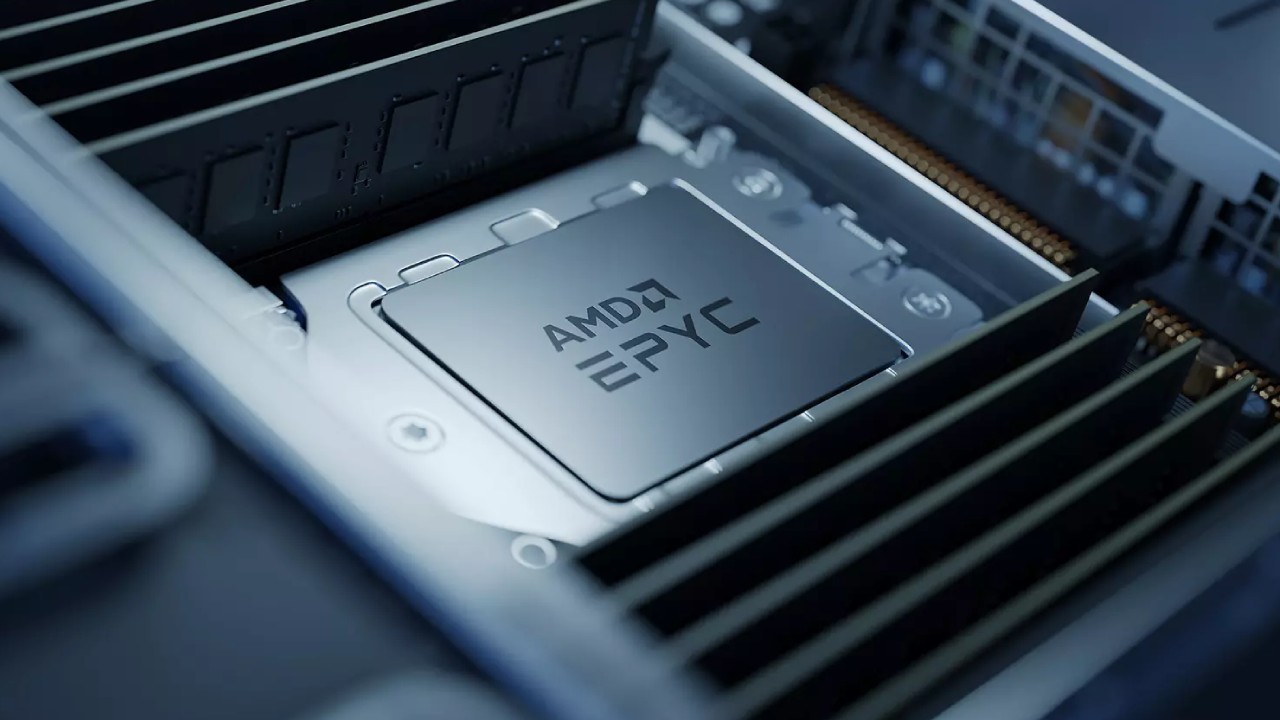
AMD has confirmed that its next-generation EPYC processors, code-named Venice, will debut at the company's Advancing AI event on July 22 and July 23. While not a consumer chip, Venice matters significantly as the first official look at Zen6 architecture in action.
Based on specifications AMD has already revealed, the flagship Venice CPU will feature up to 256 CPU cores, a substantial increase over the 192 cores available in AMD's current EPYC Turin processors. AMD is claiming up to 1.7 times the performance of the previous generation, along with 1.6 terabytes per second of memory bandwidth, though that level of performance is unlikely to come cheap.
One of the most significant upgrades tied to Venice is its manufacturing process.
Venice is AMD's first high-performance processor built using TSMC's advanced 2-nanometer node, and according to AMD, it is the first high-performance computing product in the industry to begin production on that process. Production is already ramping up, with AMD also planning to manufacture these processors domestically in the future.
AMD typically introduces new CPU architecture through the server space before consumer products follow, so Venice's arrival is a meaningful signal that Zen 6-based consumer chips are moving closer to release as well. A recent Geekbench benchmark, believed to reflect an early sample of AMD's next-generation mobile lineup, based on Zen 6, reinforces this trajectory.
The 10-core sample not only outperformed the current-generation 10-core part, but also beat the current 12-core part, leading by 13% in multi-threaded performance despite having fewer cores. After years of leaks and rumors, Zen 6 has moved from a distant roadmap entry to active production, with the first processors set to be unveiled in under two weeks.
Editor, NoobFeed
Latest Articles
No Data.