
Shadow Labyrinth Review
Xbox Series X|S
A bold reimagining of Pac-Man that stumbles through its maze.
Reviewed by Azfar Rayan on Jul 20, 2025
Shadow Labyrinth isn't your typical franchise revival. While Pac-Man has been reimagined in countless ways over the decades, Bandai Namco's latest take veers far from the cheerful arcade icon. Shadow Labyrinth is a darker, grittier reimagining that places the classic character in a moody 2D Metroidvania drenched in sci-fi themes and cryptic storytelling.
The game emerged somewhat unexpectedly. It first showed up as part of a Secret Level episode that turned out to be a backdoor pilot for a full game. What began as a straightforward tribute developed into a fully functional game with expansive areas, intricate systems, and a fresh take on well-known elements. This is a total reimagining of Pac-Man, not only a cameo in a different format.

Shadow Labyrinth's ambition is evident from the first. It combines the technical complexities of Soulslike games with the exploration depth of Metroidvania. The game takes inspiration from notable genre favorites like Ender Lilies and Ender Magnolia, both known for moody aesthetics, fluid combat, and elegant character growth. Shadow Labyrinth aims for that same kind of magic, and for a while, it gets close.
But as the hours roll on, it becomes harder to ignore the cracks. Although the game's intricate mechanisms and unsettling scenario design are captivating, its execution is much too frequently flawed. A pleasurable experience is not always the result of complexity. Rather, there are moments when the game seems to be working against itself.
The narrative opens with a little boy playing on a gadget that looks like a Nintendo Switch 2 in a contemporary city. Suddenly, he's pulled into a mysterious, alien world. That's where the player takes control of a silent, hooded figure referred to as Swordsman #8. You're quickly joined by PUCK, a floating drone with a sharp tongue and cryptic motivations.
The ESP Sword, which is connected to your fighting power and resources; the Nano ER, your healing item; and the ACTIV prosthetic arm, which enhances battle and traversal depth, are the main weapons you'll need in PUCK. With these instruments, the mystery and the labyrinth's trip commence.
Unfortunately, while the setup is intriguing, the plot soon loses momentum. The game leans hard into ambiguity, choosing to withhold information in an effort to build intrigue. That can work when handled well—but here, it often feels more confusing than mysterious. The dialogue doesn't help either.
PUCK, while designed to fill in for the silent protagonist, isn't particularly engaging. His lines can feel stiff, awkward, or overly formal. One moment, he asks, "Do you dislike having your bodily freedom taken away?"—a sentence that stops the momentum dead. These odd writing choices keep the story from really landing.
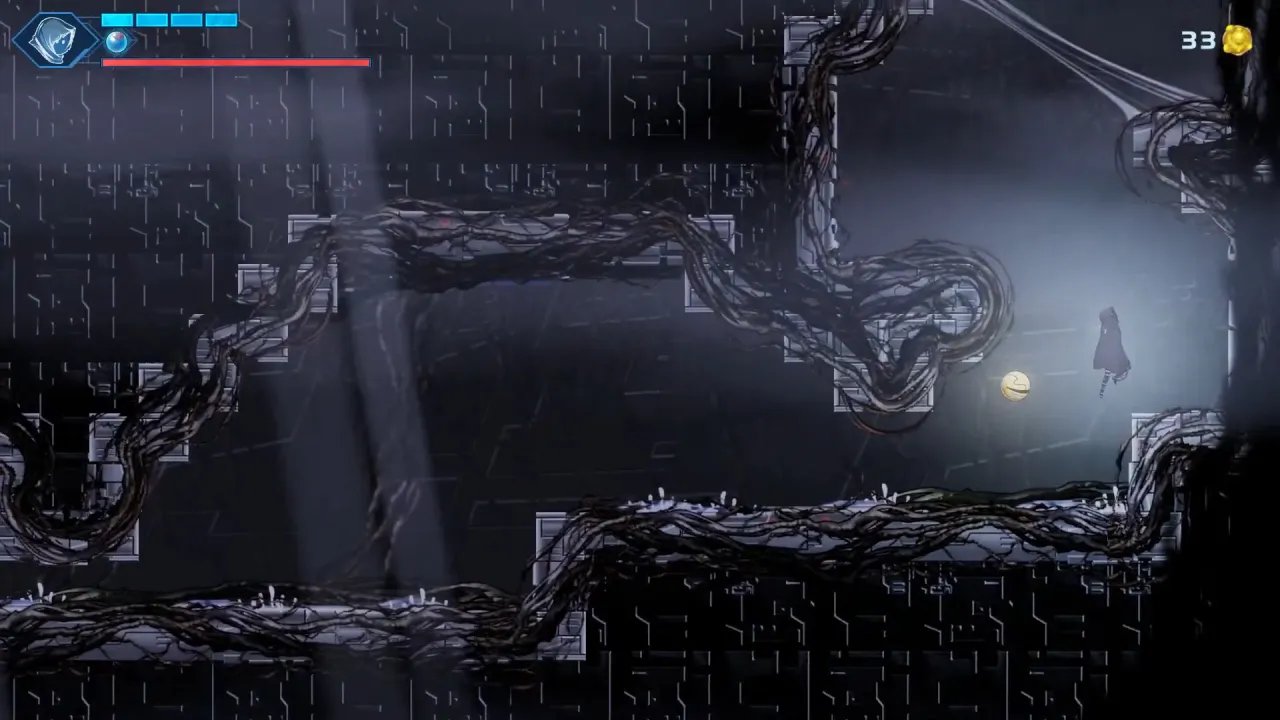
And yet, every now and then, there are flashes of narrative brilliance. Some late-game reveals bring meaningful twists, but getting to those moments takes persistence. With lore fragments that don't always fit together to form a satisfying whole, the worldbuilding is disorganized and challenging to piece together.
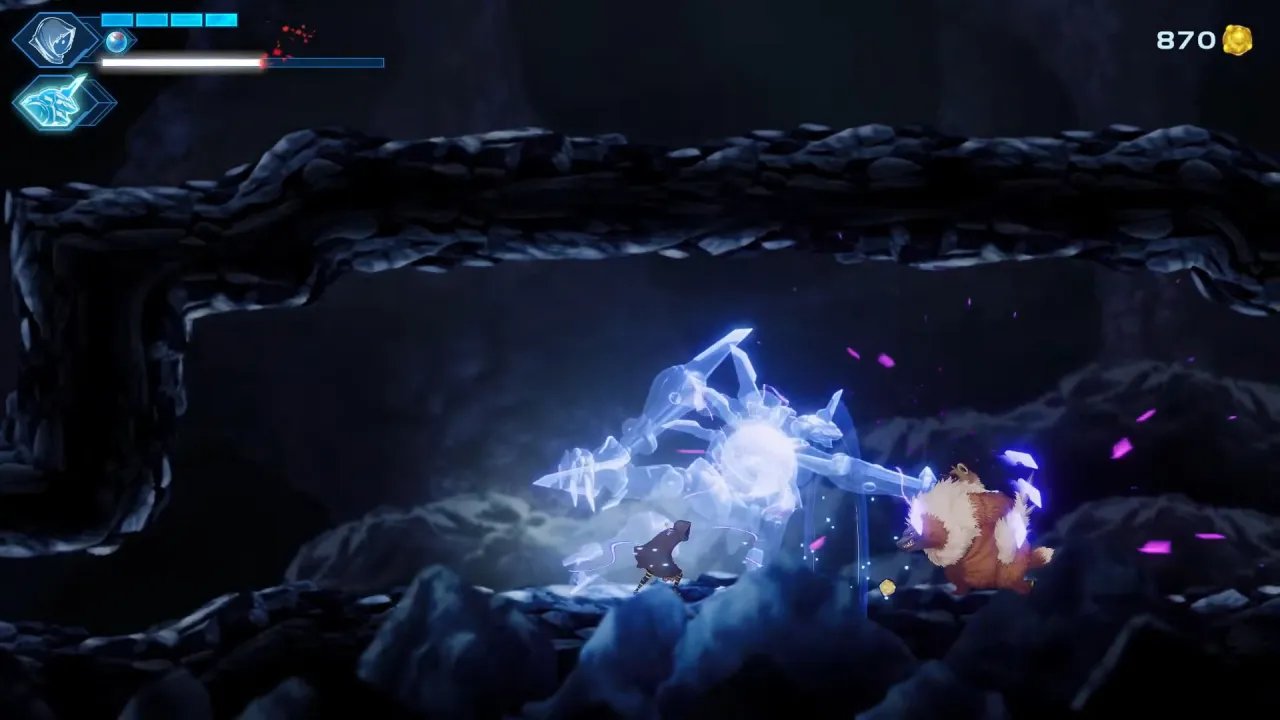
The buildup simply isn't matched by the emotional reward. Shadow Labyrinth has a lot going on in terms of gameplay. Beginning with a simple sword combo, combat becomes more complex as you gain the ability to change into GAIA, a giant mech. Consuming fallen adversaries, a feature that gives every battle a strategic depth, powers this metamorphosis.
Dodging is also very important. Dashes allow you to phase through opponent assaults, but also deplete your stamina resource, ESP. Button hammering won't get you very far, and timing is essential. You also use the ACTIV arm to punch enemies and solve traversal puzzles, adding some variety to your toolkit.
Environmental puzzles and hidden secrets keep exploration interesting. Levels twist and turn in unexpected ways, with multiple paths and optional upgrades tucked away in corners. You always feel like there's something more to find, which is one of the game's strengths. It nails that sense of curious discovery—for a while.
However, not all is smooth sailing. The placement of checkpoints is one of the most frustrating aspects. The Miku Sol checkpoints, which refill health and healing items, are often spaced too far apart. Other checkpoints only save progress or act as fast travel hubs without restoring anything.
Early on, you'll only have a single Nano ER for healing, and that means small mistakes can be costly. There's a harshness to the early game that feels unnecessary. Limited healing, long stretches between safe points, and punishing difficulty combine to make even routine progress feel like a grind.
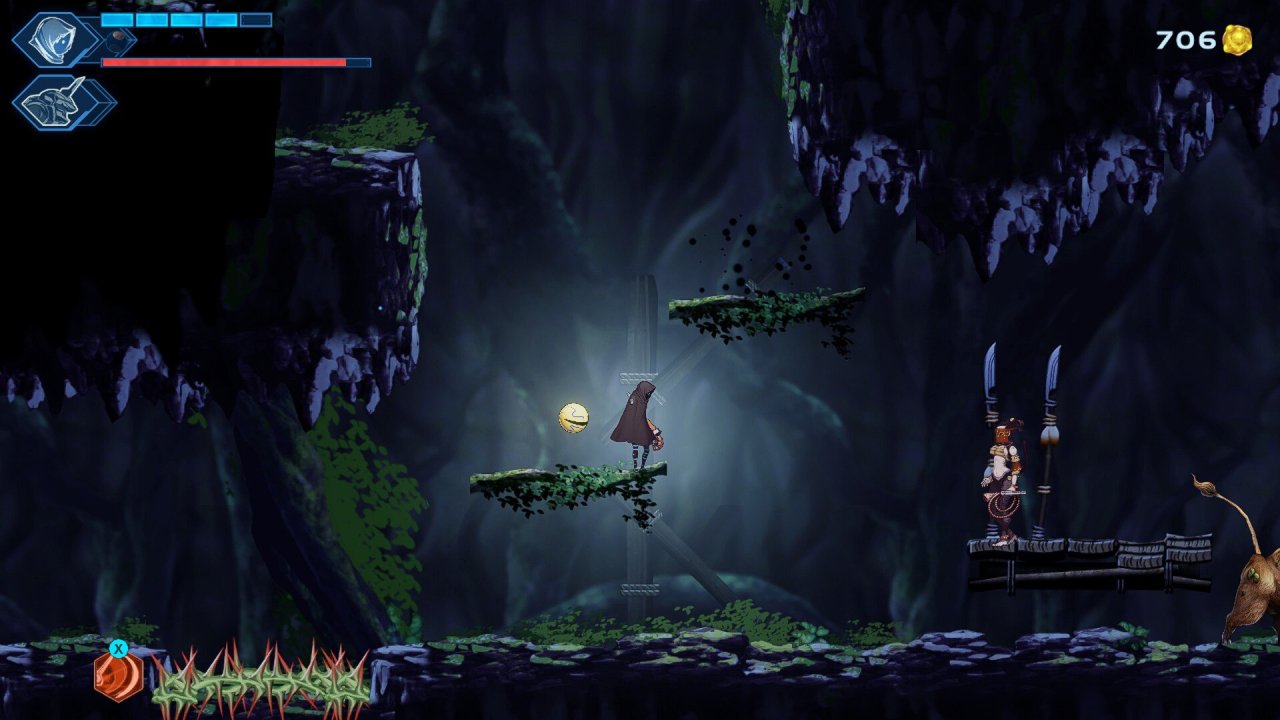
Combat, while rewarding at its best, can be uneven. Boss fights are generally well-crafted, offering clear patterns and tough but fair challenges. One particularly memorable boss forces you to bait parries and punish retaliations—a thrilling change of pace. Regular enemies, however, aren't nearly as enjoyable.
That's largely due to odd enemy logic. Enemies often detect you from way off-screen and fire projectiles with uncanny accuracy. You might dash past one foe, only to be struck from behind by an unseen archer. It happens more than it should, and these cheap deaths chip away at the fun.
D-Line segments, where you control a smaller version of PUCK, introduce a different problem: clunky platforming. You'll auto-move through segments and have to make time jumps between rails. Despite visual guides, these jumps feel imprecise. In these situations, the sword only swings vertically, which makes enemy combat painfully constrained.
Tension is added by the Devour system, but not necessarily in a positive way. Consuming it requires you to be almost standing on top of a defeated foe, and they vanish fast. When you add in the energy required for evading, you have a system that penalizes cautious play. It's an odd combination that frequently seems counterintuitive.
Progression is tied to ORA, the game's currency. You use it to upgrade your sword strength, expand your ESP bar, and buy key items. Thankfully, dying doesn't make you lose ORA, which takes some of the sting out of tougher sections. That said, earning ORA still takes effort.
Crafting materials are also collected through Devour, and those go toward enhancing PUCK. You'll unlock perks that improve his support role in combat and navigation. These perks are valuable, especially as later levels ramp up difficulty, but the systems around them could use more clarity and balance.
Shopkeepers are few and far between. Their items are often essential, but you may not find them for long stretches. Checkpoints don't always offer upgrade access either, which makes planning difficult. Even fast travel requires a purchased item, turning convenience into yet another strategic decision.
Visually, Shadow Labyrinth shines in places. The environments are moody and atmospheric, with layered backgrounds and ambient lighting that draw you into the world. Areas fold in on themselves and connect in clever ways, rewarding players who love to explore every inch of a map.
But the character animation holds the game back. Shadow Labyrinth uses 2D skeletal animation, which makes characters look and move like paper dolls. Limbs rotate awkwardly, and the stiff motion becomes distracting. It's a shame, because some of the static designs look cool, until they start moving.
In contrast, audio is unquestionably superior. Ambient music complements the spooky atmosphere of each section. Boss themes are particularly noteworthy since they are stressful, energetic, and frequently catchy enough to be enjoyed outside of the game. Weapons include gratifying sound effects when they land strikes, while enemy noises give the game personality.
Voice work is serviceable but not very extensive. Although PUCK's speech occasionally seems lifeless, it fits well with the game's muted tone. The audio is free of significant errors and hiccups, which is a welcome difference from more recent releases. One of the game's best features in terms of refinement is the sound design.
Shadow Labyrinth is a game full of ambition. It wants to offer a haunting story, tough combat, and deep exploration—all wrapped in a gritty sci-fi bow. It gets part of the way there, especially in the boss fights and world design. But too many elements fall short.
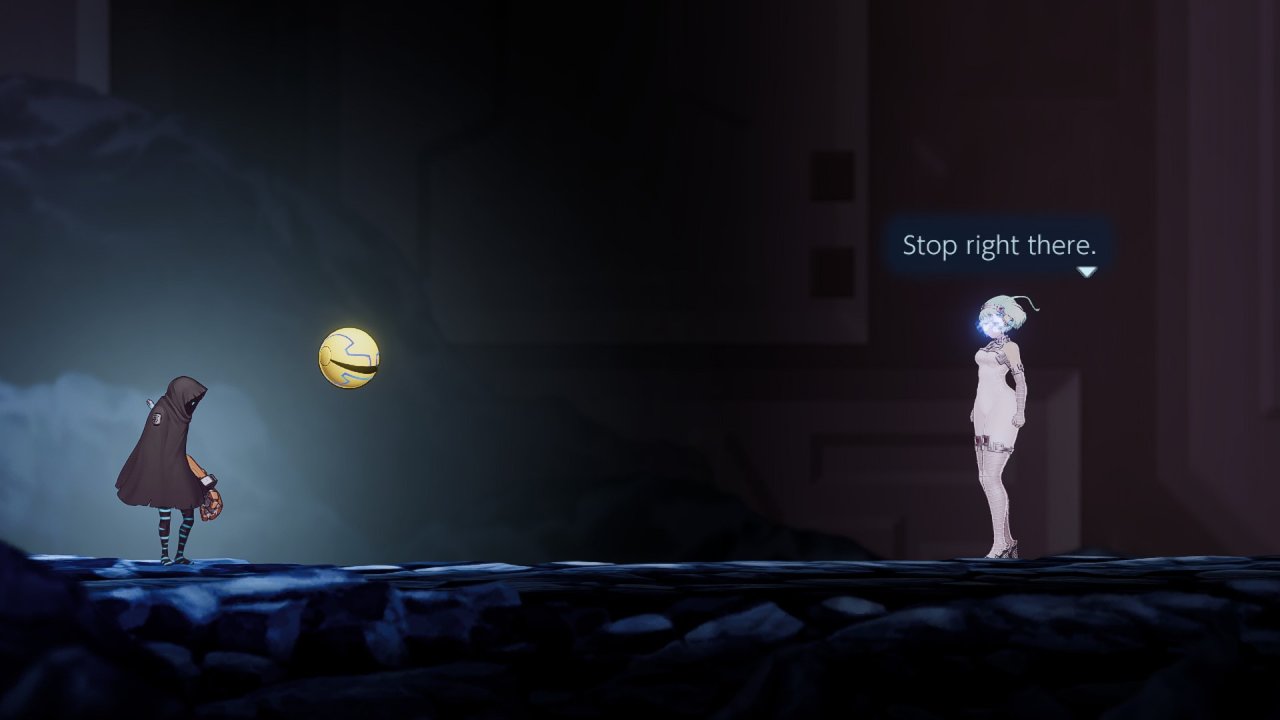
The uneven pacing, awkward dialogue, and inconsistent mechanics drag down what could have been a breakout reimagining of a beloved franchise. It feels like a title that needed a bit more time in the oven; some tweaks to platforming, checkpoint balance, and character animation could have gone a long way.
Still, there's something here for a specific crowd. If you grew up with Pac-Man and enjoy seeing how classic IPs can be reborn in strange new genres, this might be worth the trek. Nostalgia has its limits, but Shadow Labyrinth finds some clever ways to channel it into something fresh.
Senior Editor, NoobFeed
Verdict
Shadow Labyrinth isn't a must-play, but it's certainly one of the more unique ones. Those willing to overlook its flaws might uncover a few satisfying surprises in its shadowy corridors. Just don't expect to love every twist and turn along the way.
70
Related News
No Data.