
NVIDIA GPU Prices May Rise Again as RTX 50 Super Delays Loom
NVIDIA GPU prices may rise again as memory costs pressure RTX 50 Super plans and AMD expands cheaper 1440p options.
Hardware by Naheyan Tahmin on Aug 09, 2026
NVIDIA graphics card prices may be about to move again, while the same memory costs affecting current GPUs could also delay the RTX 50 Super refresh. At the same time, AMD has introduced a cheaper 1440p option, older Radeon GPUs have received a software update, and the ongoing memory shortage could push prices higher before any potential market correction.
A July 23 report says NVIDIA has raised the cost of GPU kits supplied to board partners. That reportedly includes GDDR7-based RTX 50 cards, plus some GDDR6 products such as the RTX 5050 and remaining RTX 40 series models. This does not guarantee an immediate retail increase, but more partners work with tight margins. So, when their GPU and memory costs rise, buyers usually feel it later.
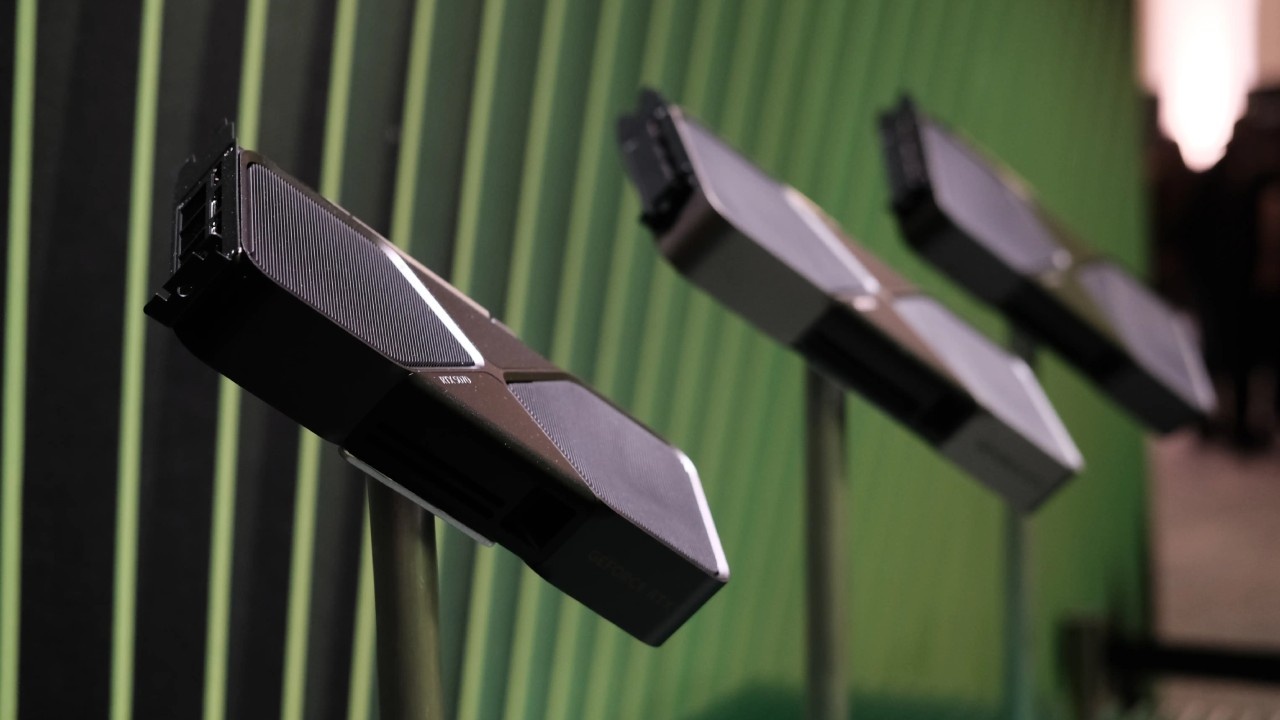
NVIDIA GPU Kit Prices Are Rising
And this is where the RTX 50 Super story changes. Reports claim the cards are prepared, but NVIDIA has placed the launch on hold because new 3GB7 modules cost far more than current 2GB chips. The rumored RTX 5070 Super could move to 8GB of VRAM, while the 5070 Ti Super and 5080 Super could reach 24GB. But how useful is it if the final graphics card becomes far more expensive?
We should not delay a good upgrade only because an affordable Super card may arrive soon. The specifications and timing remain unconfirmed. AMD now has hardware that can actually be bought. The Radeon RX 9070 GRE launched globally at $549 with 48 RDNA 4 compute units, 12GB of GDDR6, and 220W board power.
AMD positions it above the RX 9060 XT and below the standard RX 9070. Independent testing places it around 87fps on average at 1440p. A recent promotion also reduced one model to $499. At that price, it becomes a serious alternative to the RTX 5060 Ti 16GB for traditional rasterized gaming. However, NVIDIA still has the advantage in heavier ray tracing, broader DLSS support, and many creator or AI applications.
FSR 4.1 Comes to Older Radeon GPUs
AMD's more interesting update may be free. Adrenalin driver 26.6.2 adds FSR upscaling 4.1 support to Radeon RX 7000 graphics cards. That gives owners of cards such as the RX 7800 XT and 7900 XTX access to newer image reconstruction without buying RDNA 4 hardware.
This matters because software support can extend a GPU's useful life, but game compatibility still decides the value. A feature means little when the games being played do not support it. Intel is also updating Arc. Its July 20 driver supports Arc A-series and B-series cards and fixes recent crashes and visual problems in games, including Assassin's Creed Shadows and Rainbow Six Siege.
That will not transform gaming performance overnight, but continued driver work matters for buyers considering the 12GB Arc B580 as a lower-cost 1080p and 1440p option. NVIDIA's latest DLSS 5 demonstration showed three selectable AI models, structure and tone controls, and object masking. Developers can reduce the effect on a face while applying it more strongly to lighting or the environment.
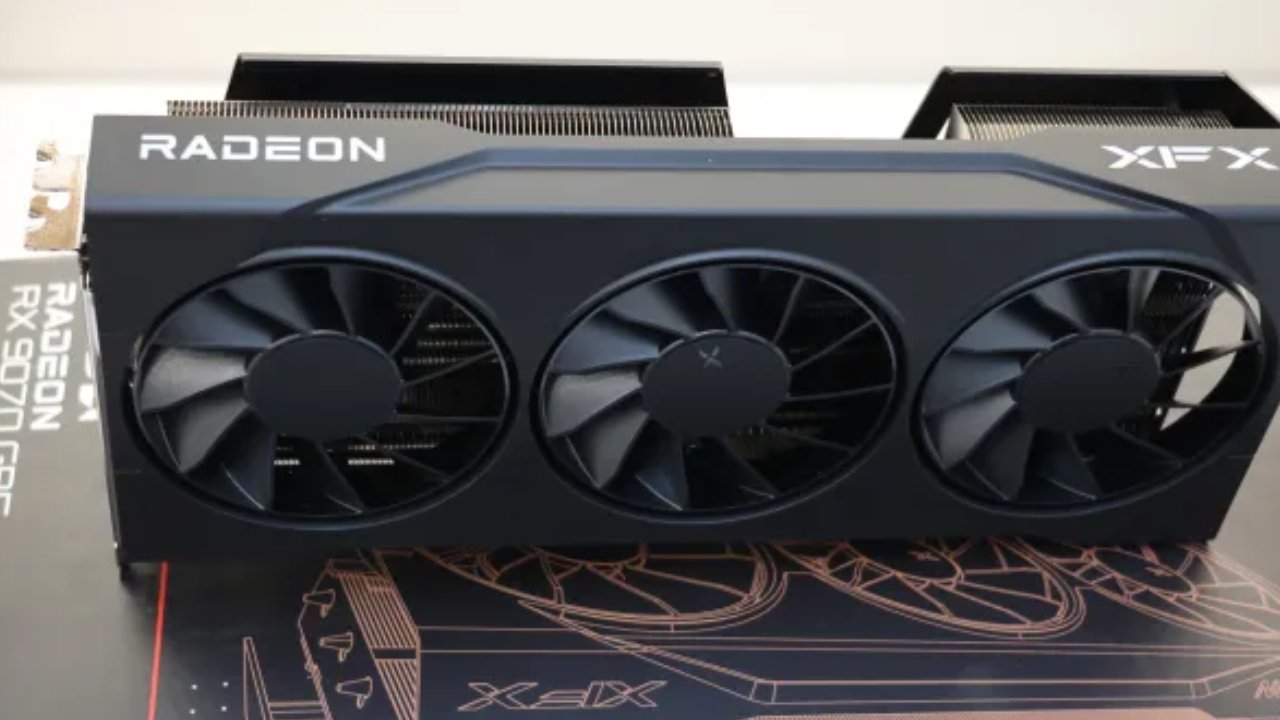
AMD adds competition and memory shortages continue affecting hardware prices.
That's better than the original demonstration suggested, but there are still no broad independent gaming benchmarks, confirmed consumer GPU requirements, or clear data showing the performance and VRAM cost. We have more developer control, but there is still no reason to upgrade based on DLSS 5 alone.
TrendForce expects conventional DRAM contract prices to rise another 13% to 18% in the third quarter of 2026, while NAND prices may rise 10% to 15%. SK Hynix has warned that 2027 could be the worst year of the memory shortage, with demand potentially exceeding supply beyond 2030.
So, an AI-driven memory crash is possible eventually, but the newest evidence points to tighter supply and higher prices first. We should buy based on today's price and the performance needed. There is no reason to panic buy, but we also should not assume cheaper GPUs, VRAM, DDR5, or SSDs are guaranteed next year.
Editor, NoobFeed
Gaming Hardware Updates
No Data.