
Shinobi: Art of Vengeance Review
Xbox Series X|S
A legendary ninja returns with style, precision, and a blade sharper than ever.
Reviewed by Maisie Scott on Aug 31, 2025
When SEGA first unveiled Shinobi: Art of Vengeance, the announcement carried with it the weight of nearly four decades of legacy. The first games in the Shinobi series came out in arcades in the late 1980s. They were fast-paced hack-and-slash games that required players to be precise, patient, and persistent.
Over time, Shinobi became a name synonymous with mastering side-scrolling games. However, as video games changed, the series was put on hold while other series moved forward. Now, in 2025, SEGA has entrusted developer Lizardcube, the same Parisian studio that revitalized Streets of Rage 4 and Wonder Boy: The Dragon's Trap, with resurrecting one of its most iconic heroes.
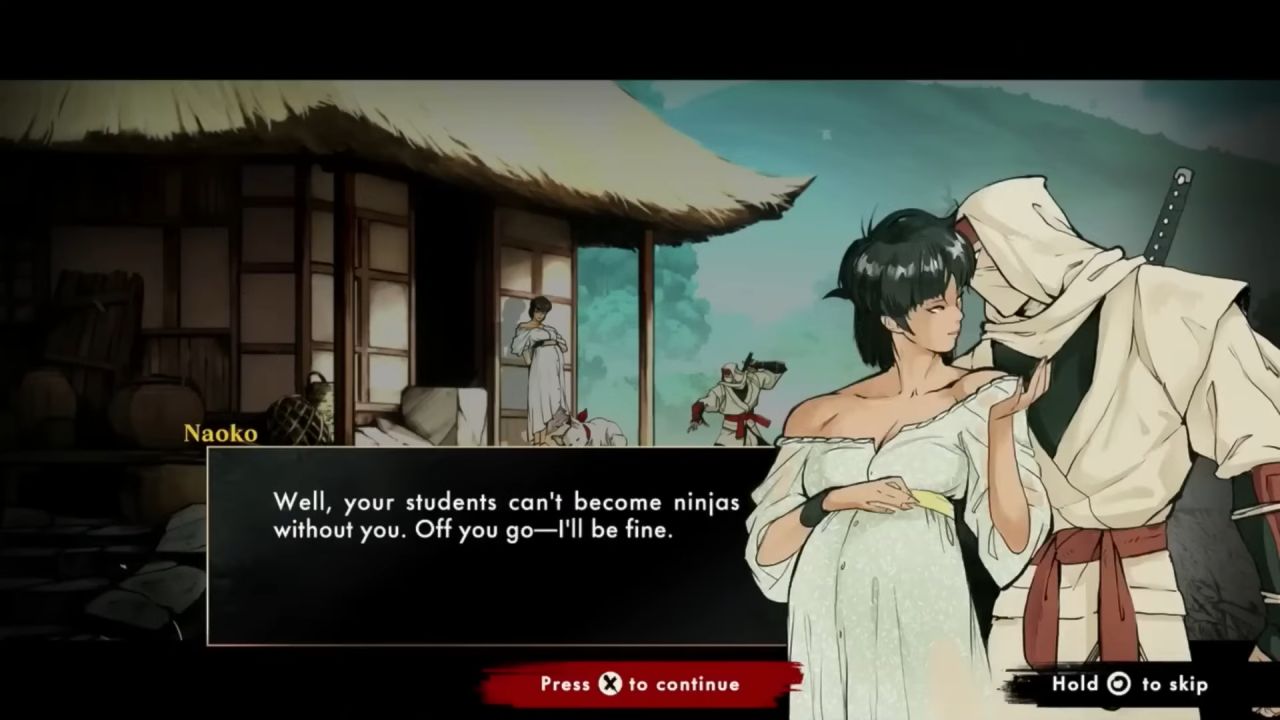
The result is Shinobi: Art of Vengeance, a title that both respects its roots and reinvents itself for a modern audience. This revival doesn't settle for nostalgia. Shinobi: Art of Vengeance, on the other hand, combines the brutality of classic arcade games with hand-drawn art and deep battle systems.
It captures the spirit of the series' famous lead character, Joe Musashi, while making his art better for a new age. The question is whether this Shinobi's new look can live up to the stories behind its name. Shinobi: Art of Vengeance doesn't waste any time getting its story going. You take on the role of Joe Musashi again. He is a silent fighter whose strength has made him one of SEGA's most enduring icons.
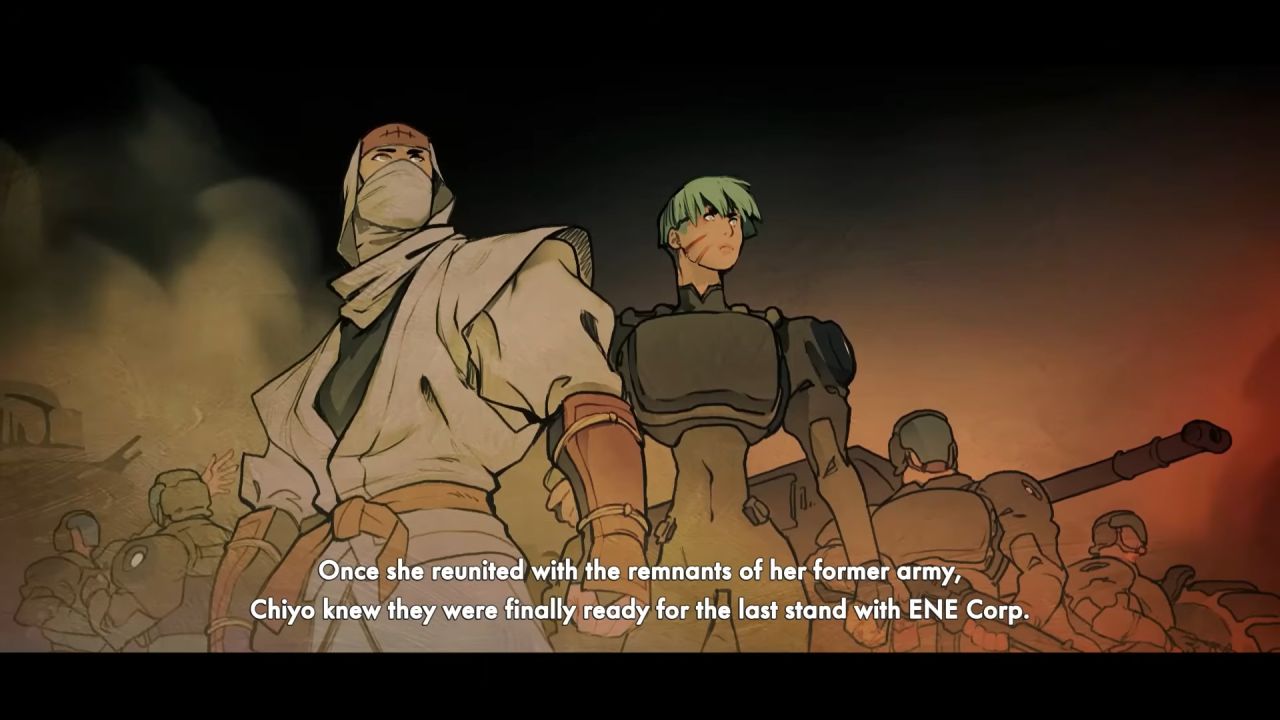
Due to a flawed plan by the ENE Corporation, his town is destroyed, his clan is turned to stone, and his students are taken away. Lord Ruse, a cunning man who wants to rule the whole world, is in charge of it. It's almost like the story was meant to be that easy. It's influenced by old martial arts movies and 1980s action movies. Tragedy and revenge drive it forward all the time.
The stories in Shinobi: Art of Vengeance are short and cinematic, unlike the long, dialogue-heavy stories in current blockbusters. The settings do a lot of the world-building, while the cutscenes set the mood. This choice allows the game to remain true to its arcade roots and ensures that the story never detracts from the gameplay. Still, while the plot may lack deep characterization, it serves as the perfect canvas for Joe Musashi's journey of retribution.
The core of Shinobi: Art of Vengeance lies in its gameplay. At its core, it is a 2D side-scrolling action platformer, but to reduce it to that alone would be a disservice. Lizardcube has constructed gameplay systems that strike a balance between accessibility for newcomers and depth for veterans.
Joe Musashi can do acrobatic moves that feel both responsive and powerful by linking double jumps, wall climbs, glides, and air dashes together. Each new skill makes exploration more fun and encourages you to go back to earlier stages to find hidden areas, collectibles, and tough enemy fights.
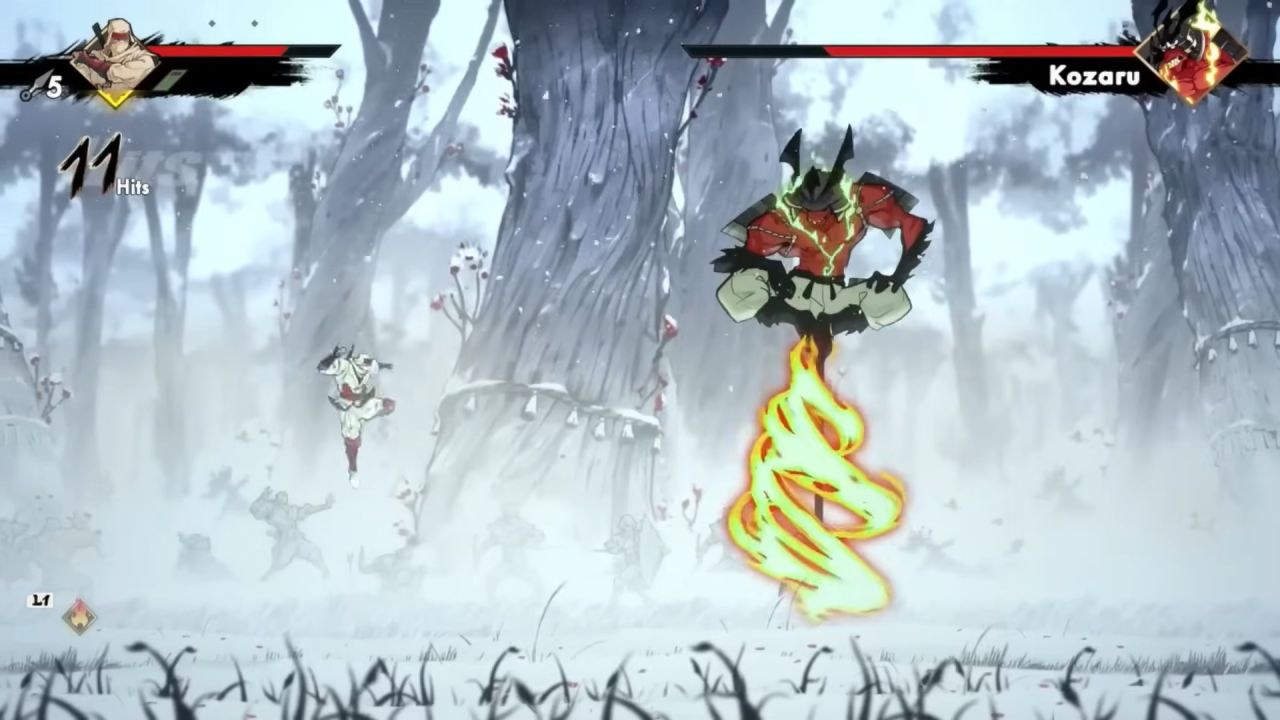
This structural decision infuses the game with light Metroidvania elements, extending replayability without abandoning Shinobi's stage-based roots. Combat, however, is the heartbeat of Shinobi: Art of Vengeance. Joe is very good at using a katana, and he can combine light and heavy hits into a wide range of combos.
The ability to throw kunai adds a strategy element, making you think about how to best use your resources as they cut through waves of enemies. Layered atop these fundamentals are Ninpo and Ninjutsu abilities; supernatural powers that allow Joe to summon elemental attacks or temporarily transform into devastating forms.
Each operates on a meter system, rewarding aggressive play and risk-taking with spectacular payoffs. Perhaps most impressive is how seamlessly traversal and combat are intertwined. You can launch into a wall run, flip over an enemy, and execute a lethal combo in one fluid sequence. This synergy between movement and combat not only keeps the pace exhilarating but also reinforces the fantasy of controlling a ninja at the peak of his craft.
Where Shinobi: Art of Vengeance distinguishes itself is in its approach to challenge. Puzzles are built into the levels instead of being thrown in at random. Locked doors, lever-based mechanisms, and environmental hazards must be addressed, which means there are tactical pauses before the fight resumes. Even though they aren't new, these parts keep the stages from feeling flat.
Combat itself is where Shinobi: Art of Vengeance truly shines. As the game progresses, fighting enemies becomes more challenging because they include ranged attackers, close-range fighters, and heavily armored units that require specific tactics to defeat.
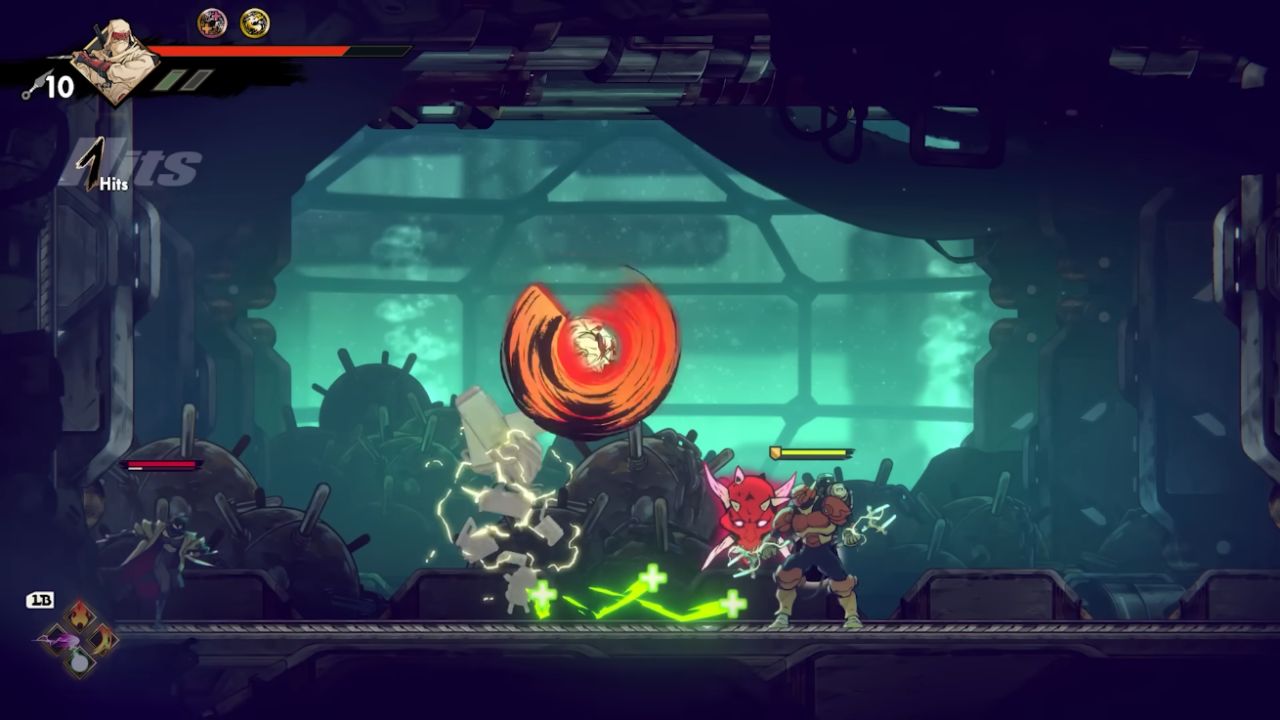
You can't just rely on their favorite combo. Instead, the game forces you to learn all of your moves so you can try new things. The thrill of juggling enemies mid-air, piercing armor with heavy strikes, and finishing with a cinematic execution creates a rhythm that is both stylish and satisfying.
Boss battles embody the game's philosophy of "hard but fair." Each major enemy unfolds in stages, demanding pattern recognition, adaptability, and full use of Joe's arsenal. Early problems may seem impossible to solve, but persistence pays off, making success feel earned rather than given.
The only drawback is that there are some platforming sections where off-screen dangers make deaths inevitable. These parts can feel cheap and break the flow of levels that were otherwise very carefully planned.
Similarly, occasional pacing issues arise when combat arenas lock you in for extended waves. Still, these are minor frustrations in a system that otherwise achieves near perfection. Shinobi: Art of Vengeance builds progression around a blend of unlockables and collectibles.
Defeating enemies grants currency used to purchase new combos and abilities. Joe's abilities get stronger thanks to hidden amulets and relics that change things like combo ratios and kunai properties. This method adds more ways to customize, allowing you to adjust how they play to be more aggressive, defensive, or resource-efficient.
The replayability is enhanced by the stage design that hides secrets behind skills you get later in the game. What starts out as a simple run turns into a cycle of mastery and discovery that makes you want to go back to earlier levels with the tools they've learned. Boss Rush and Arcade modes, which are added after the game, make it last longer by adding new tasks that test your skill and how well you use your time.
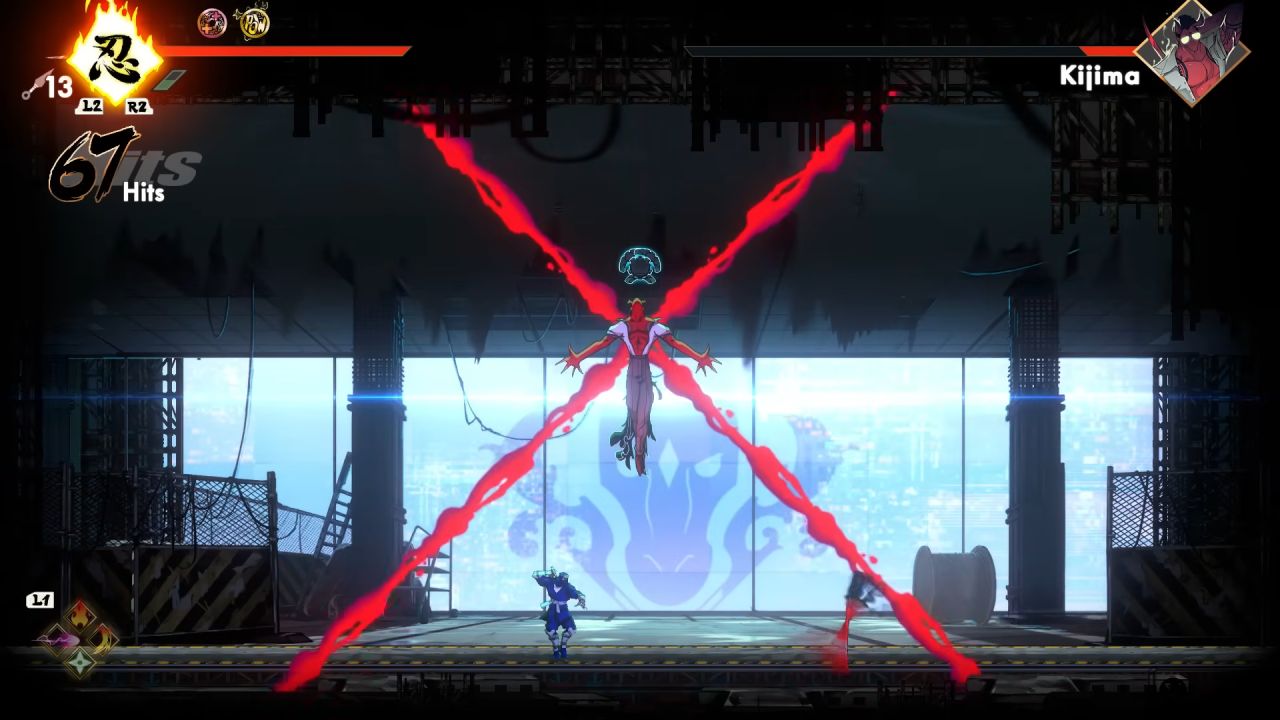
Visually, Shinobi: Art of Vengeance is nothing short of breathtaking. The hand-drawn art for which Lizardcube is known shines once more, featuring painterly backgrounds and strong lines. Every setting, from neon-lit cities to empty deserts and labs deep beneath, feels like it was carefully made. The various settings ensure that no stage feels repetitive, and the visual storytelling enhances the mood at every turn.
It's especially impressive how much attention was paid to scale. Harbors are filled with huge ships, lantern gatherings are filled with fireworks, and bioluminescent jellyfish light up underwater passageways. With these little touches, settings go from being plain backgrounds to feeling like real worlds. Even though some battle clutter can make things less clear, the artistry never fails to deliver spectacle.
The sound creation in Shinobi: Art of Vengeance makes the intense fighting even stronger. Every time Joe cuts, his blade hits hard, and the sound of steel hitting armor adds a rewarding weight to every fight. Explosive executions are backed by strong sound effects that make every win stand out.
The soundtrack, composed in collaboration with Tee Lopes and Yuzo Koshiro, blends electronic beats with traditional Japanese instrumentation. This fusion not only underscores the action but also honors the cultural identity of the Shinobi series. The music always raises the tension and mood, whether it's creepy ambient tracks in empty ruins or high-octane techno during boss fights.
Shinobi: Art of Vengeance is both a new game and a classic title revived. It pays homage to SEGA's gaming roots while adopting the ways action games are made today. The result is an experience that feels timeless yet contemporary, a game that bridges generations of players through its precision, artistry, and relentless energy.
Its flaws, occasional cheap platforming deaths, and pacing hiccups pale in comparison to its strengths. The combat is some of the best in a side-scroller, the graphics are as good as those in animated movies, and the music adds to the game's ambiance with great conviction. It offers great value for the price, and it can be played again and again, so it stays interesting long after the credits roll.
For long-time fans, Shinobi: Art of Vengeance is a game that is the triumphant return of Joe Musashi. For newcomers, it is an invitation into one of SEGA's most iconic legacies. Either way, this is a game that deserves to be played, dissected, and celebrated.
Editor, NoobFeed
Verdict
Shinobi: Art of Vengeance delivers razor-sharp combat, dazzling visuals, and a masterful blend of nostalgia and innovation. A true return to form for a legendary ninja.
77
Related News
No Data.