
Tlatoani: Aztec Cities Review
PC
A very strategic city builder game where symmetry, survival, and holy systems affect your rise to power as an empire.
Reviewed by Nami Tanaka on Apr 02, 2026
Aztec Cities is a classic city-building game that is part of a small but dedicated genre. It definitely takes ideas from games like Pharaoh and Children of the Nile. The genre doesn't change much, but it gets better and is set in a rarely used setting: the height of Aztec culture. This is the only thing that's different.
Most city-building games are about planning cities in Europe or the modern world, but this one really gets into the culture of Mesoamerica. Tlatoani: Aztec Cities was released in its full 1.0 version on April 2, 2026, on Steam. It's not like a strategy game with a twisted story; Aztec Cities has a straight story. Instead, change and progress are used to make the story more interesting.
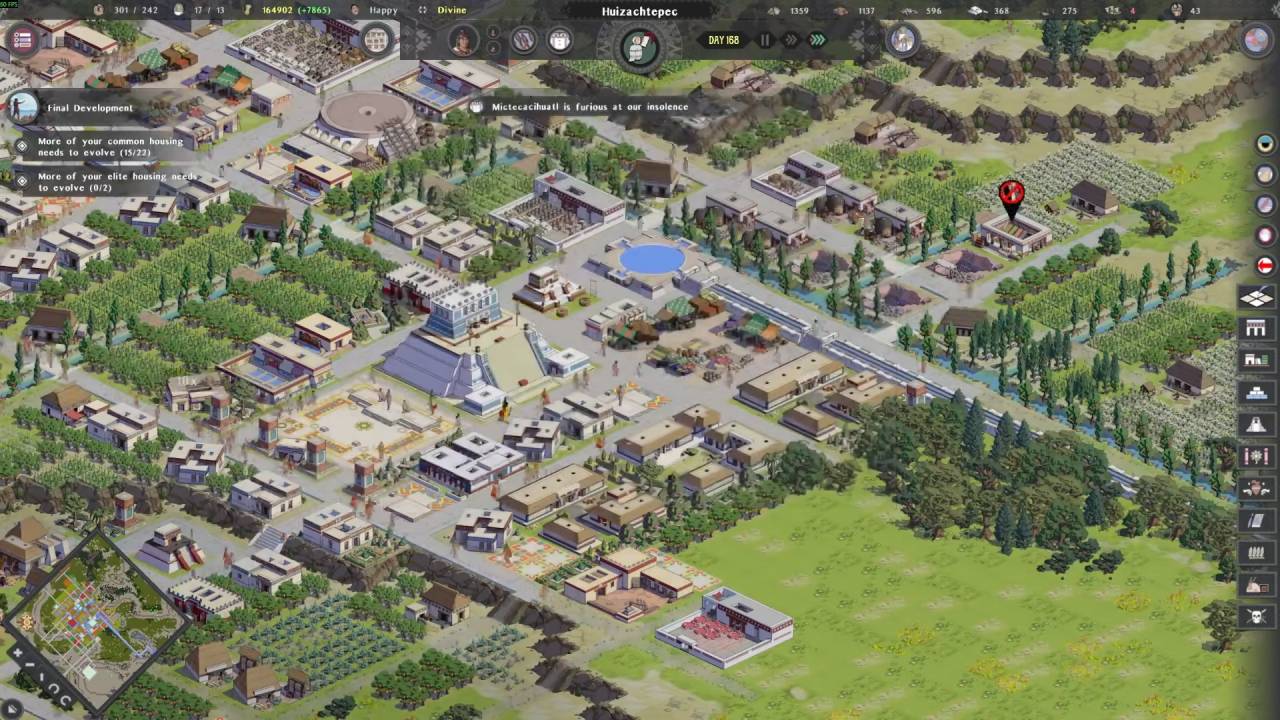
The game starts with you in charge of a small city-state.
Your job is to help it grow from a weak state to a strong one. To become the Tlatoani, or ruler, you need to gain power in more than one area. As you accomplish tasks, the story keeps going on its own. Every trade route you make, every tribute you demand, and every building you build are part of a bigger story about growth and desire.
A world map featuring city-states that are friendly, neutral, or hostile adds a strategic layer to the game, making it more interesting. You're not building by yourself; you're a part of a world that is moving and is linked to everything else. What makes the game stand out is how it deals with Aztec culture. It's not just about stereotypes; features like religion, farming, and social order are built into the main game.
It's not enough to just like temples for their looks; people need them to keep society in order. There is no choice but to have celebrations and customs. For this kind of cultural awareness, the practice goes beyond running a city. At its core, Tlatoani: Aztec Cities is about creating, managing, and improving a living ecosystem. Everything is up to you.
You need to trade, pray, protect yourself, build homes, grow food, and gather resources. The game tells your people what they need to do well and gives them a list of demands. Basic things like corn, wood, clay, and stone are what your business is built on. Things move forward with high-end goods and services.
It's interesting that symmetry is very important in both physics and this game.
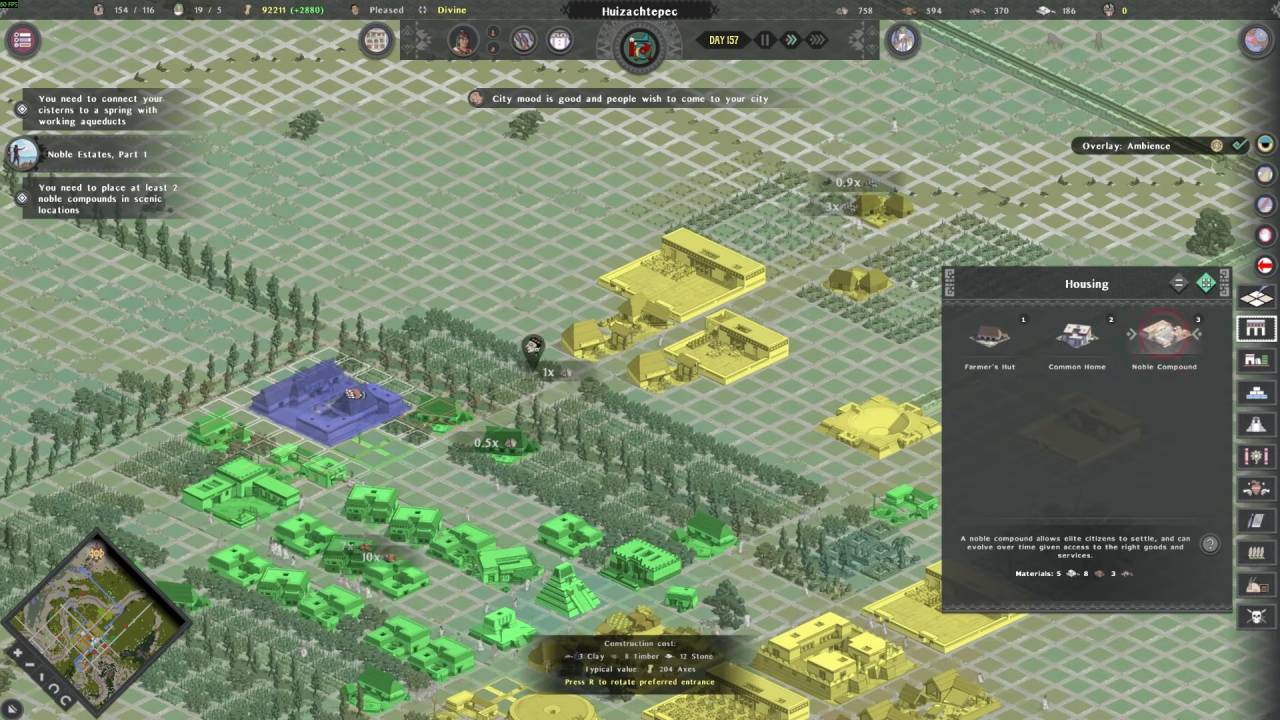
When you are building a city the old way, the economy often comes before beauty. But in this case, symmetry is needed for cultural and functional reasons. Cities that are balanced and orderly are liked by the gods because they are good for people and work. Putting artistic design and long-term planning together in this way makes you think in new ways.
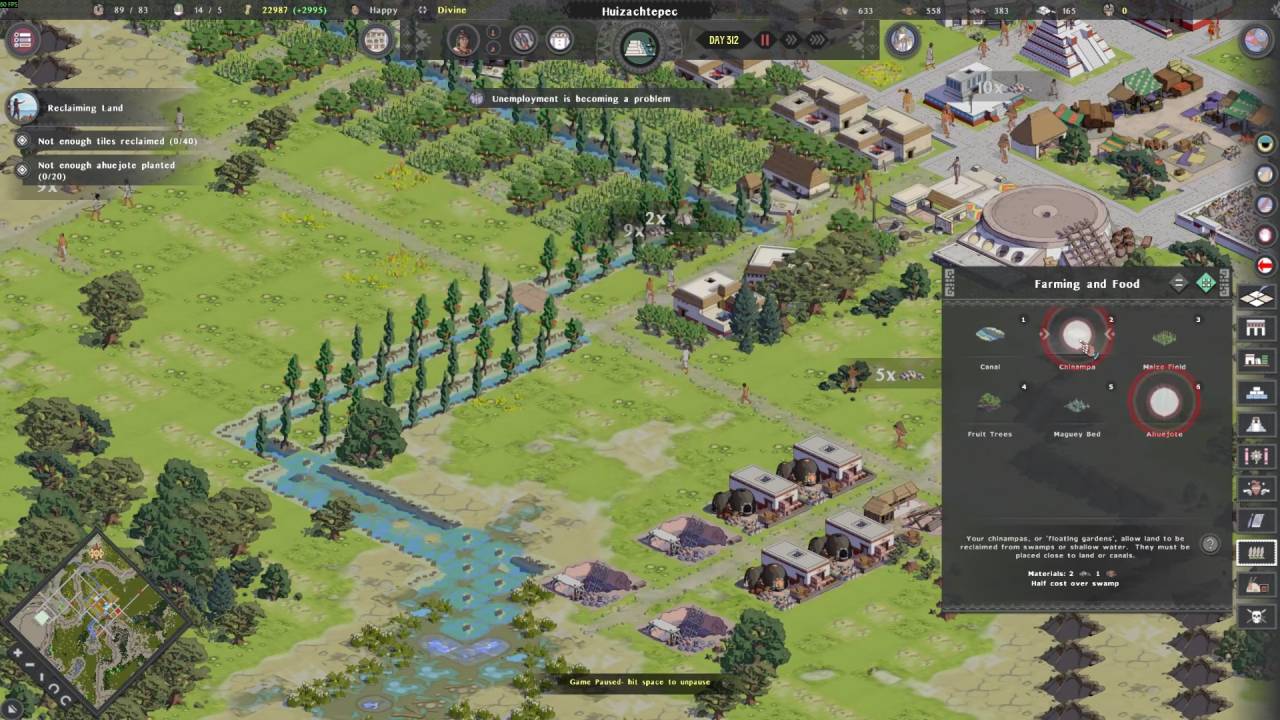
Every worker is in a different class, like common workers or top workers, and they all have different jobs to do. It gets harder and harder to run this social system as your city grows. They need long-term safety, access to services, and a steady flow of funding before they can get better housing. When your city finally grows and thrives, this slow progress will make you feel good about what you've done.
Another important part of the game is trade. You can send extra goods to other city-states and bring in scarce resources by setting up trade lines with them. Because everything is linked, trade can bring your whole business to a halt if you don't pay attention. Like tributes and expansions, they make the game more complex and make you think about more than just your city.
Tlatoani: Aztec Cities is a puzzle game since it has a lot of tricky parts. There are effects of every action that reach other people. You should not only decide where to put a building, but also think about how it will connect to other buildings, people, and resources. It's always hard to figure out how to make things work, like making sure that all the parts of your city connect and supply lines are balanced.
This is where the game truly shines.
That is basically all it tells you. You have to figure out the rest on your own. When you finish these tough jobs, you feel great. When everything goes smoothly in your city, it's nice. However, the fighting method is not nearly as good. There are some military elements in the game, like battles, raids, and tribute-gathering, but they're not very deep.
At first, you may feel like you need to move quickly as you train fighters and build defenses. This goes away quickly, though. Once you reach a certain level, it doesn't matter how strong your army is. Threats from the enemy are rare and don't always work. Most of the time, walls, towers, and other constructions that defend people are not used well.
Also, offensive campaigns aren't very exciting because it's easy to see how to win, so there's no real sense of danger or strategy. It has some good ideas, like unit awards and water-based raids, but they are either not fully developed or not used well. One of the main issues with the game is that the fighting system isn't as good as the rest of the game.
It's fun to figure out puzzles, but the late game can feel too easy because there aren't many new enemies to fight. The XP system in Tlatoani: Aztec Cities isn't like most games. Growth and stability are what make success. Making more people accessible, adding resources, and building infrastructure can all change your city.
The game is mostly about making long-term plans, so this approach works well with that. When things get better in people's lives, they "level up" without realizing it. Their homes improve as their needs are met, which helps them get new jobs and do more for themselves. It works both ways: better management makes things run more smoothly, which, in turn, helps drive more growth.
Trade and payments are a big part of this game to move things forward.
If you use these methods well, you can access tools that may not be available where you are. This lets you get around physical limitations. But since it's not too hard to fight, the benefits of conquest might not seem worth it, which could throw progress off track. The way you move through the game is fun overall, but the way you fight needs some work before it fits in better with the rest of it.
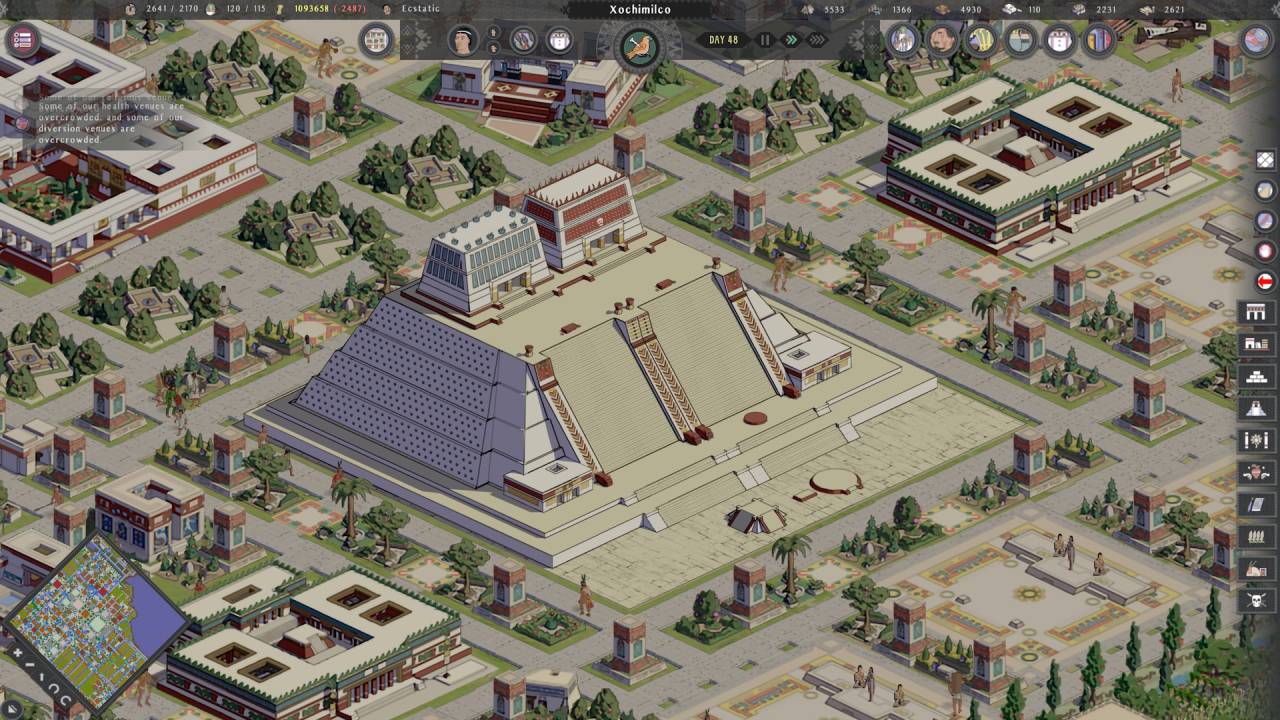
I think Tlatoani: Aztec Cities looks great because it's just the right amount of stylish and simple. The game's style is a mix of 2D and 3D, giving it a light, unique look. The buildings are clear, and the art direction as a whole captures the spirit of Mesoamerican buildings and nature. Because the game is simple and has bright colors, it's easy to see what's going on, even as your city gets more involved.
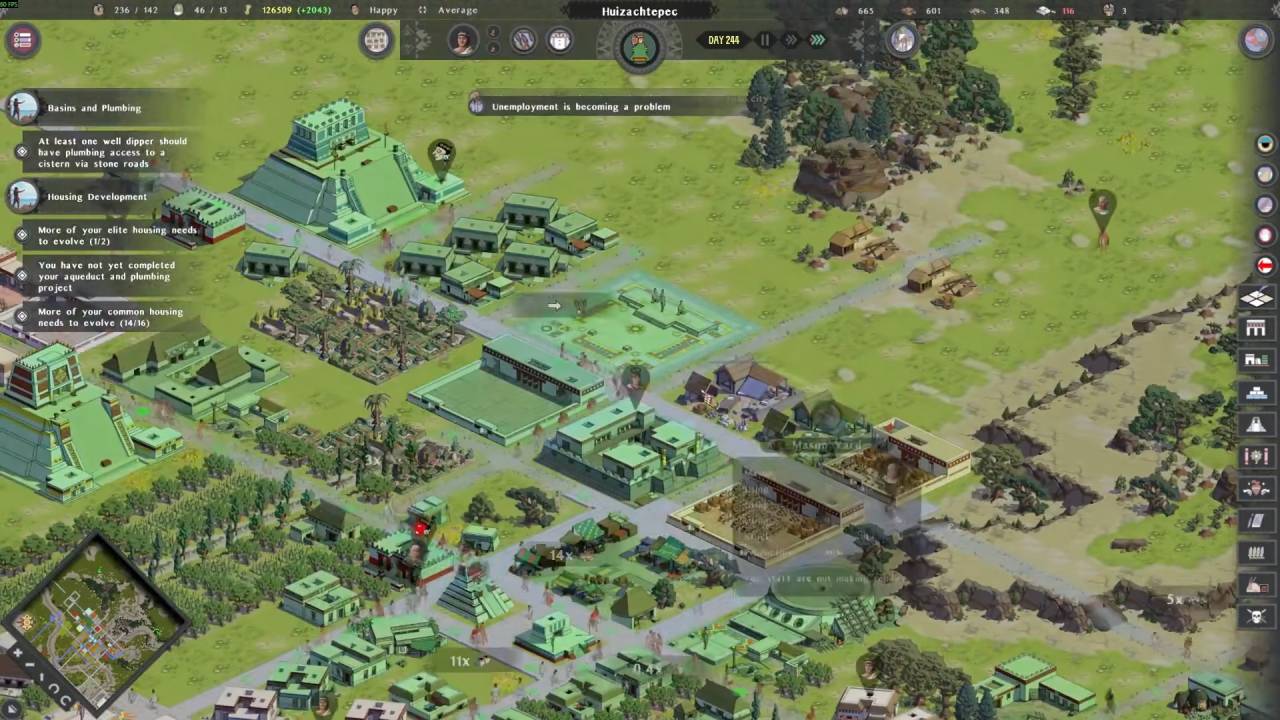
Being able to switch between camera views lets you do more without making the system too hard to handle. The game doesn't have a very large file size, but it feels finished and put together. The way the visuals work with the game's features is really cool. Because of this, symmetry is not just a thought; you can enjoy it in the way your city is set up.
Seeing your town grow into a well-run, quiet metropolis is very rewarding. There are still some things that are missing that would make life better. It can be harder to plan when there isn't a clear road overlay, especially in places with a lot of people, like forests. It doesn't look bad in general, but this makes it harder to use.
Even though the music does most of the work, there are ways to improve and expand the sound that you hear.
The art and soundtrack fit the game's vibe. Music that calms you down, draws you in, and fits the scene. The music and gameplay are both calm and challenging, just the right amount. That music lets me run around the city for hours without getting too stressed. Adding sounds that make you feel like you're in a city makes the experience even better.
One thing that is wrong, though, is the sound design. Effects can get old or dull, especially when they should be more powerful, like during fights or big events. This is a new and very interesting city-building game. A lot of the focus is on tactics, cultural authenticity, and structural depth, which makes it different from games that are more casual or focused on looks.
Tlatoani: Aztec Cities doesn't play itself, so you have to keep picking options, fixing issues, and getting used to new tasks. This game is different because it focuses on symmetry and systems that are linked to each other. It rewards careful planning. You show respect and care for the cultural setting, which gives your work more depth and meaning.
Plan ahead and be creative to have fun with this game when it works right. Some things are wrong with it, though. More work needs to be done on the fighting system, and bugs like missing items in the build menu can be a pain. Things like these stand out even more because the rest of the game is so good.
It is clear that this game is really great. There are a few bugs in Tlatoani: Aztec Cities that need to be fixed so that it can become one of the best city-building games of its time. Right now, it's still a lot of fun, especially if you enjoy hard-to-understand methods and are ready to learn quickly.
Moderator, NoobFeed
Verdict
Tlatoani: Aztec Cities, as a city builder, is deep and fun, with unique controls and a lot of mood, but it still has some rough spots. It's worth your time; If you like strategic planning and cultural depth, you will love this game.
80
Related News
No Data.