
Utawarerumono: ZAN Review
PC
A familiar franchise reimagined, but struggling to justify its own existence.
Reviewed by Asura Kagawa on Dec 18, 2025
Utawarerumono: ZAN is a solid attempt to turn the popular tactical RPG series Utawarerumono into a fast-paced musou game like Dynasty Warriors. Developed by Tamsoft and published by NIS America, it was released as a spin-off rather than a mainline entry, aiming to offer players a more action-packed experience.
The franchise's visual novel and turn-based strategy features made it popular from the start, but it was really the interesting story and complicated character relationships that made it a hit. With ZAN, the developers wanted to make the series more accessible to a wider range of people by taking advantage of the popularity of musou-style fighting games.
But, even though ZAN is full of action, it doesn't have the same depth in story or strategy as the games that came before it. Utawarerumono: ZAN came out in 2019 for PlayStation 4. It had already faced a lot of pressure, especially from people who liked Utawarerumono: Mask of Deception and Mask of Truth. These earlier games had both interesting stories and tactical gameplay, which built a loyal following.
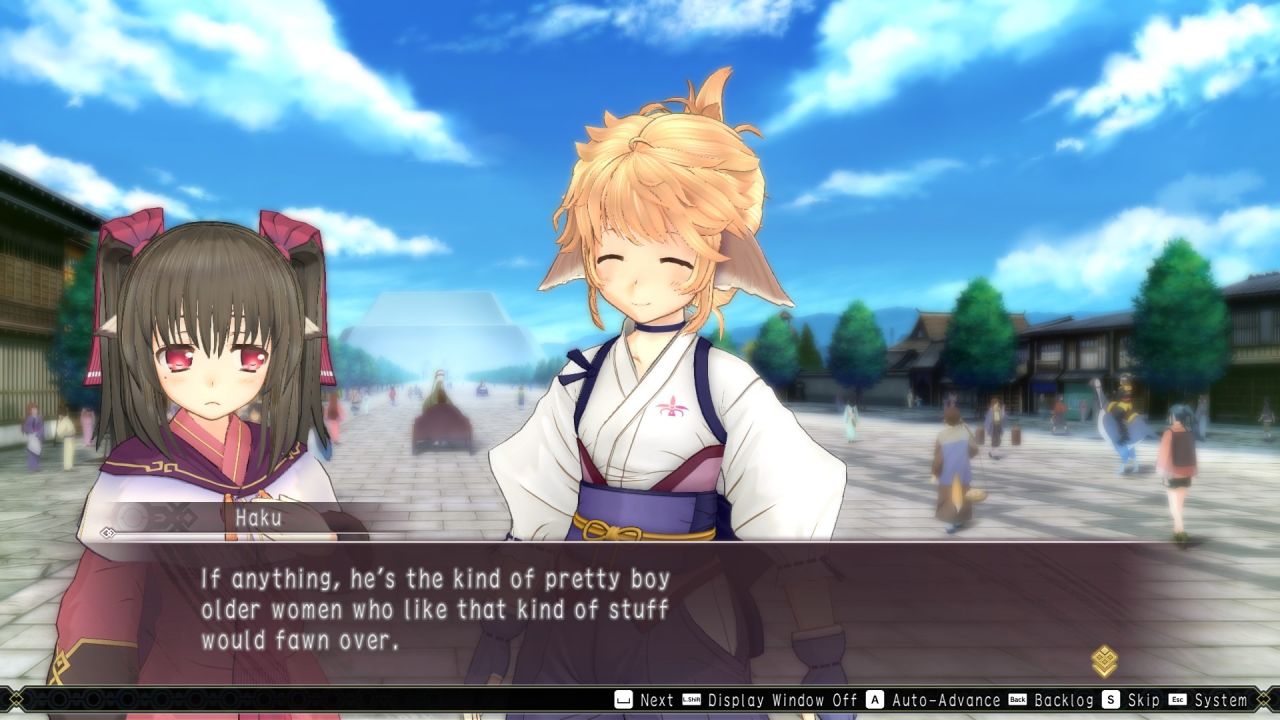
But ZAN is very different from its roots; it takes the complexity out of the story and turns characters into simple archetypes in order to have more action.
This update might be appealing to folks who want something faster and easier, but it doesn't have the same degree of interest and depth that fans of the original games liked. Even with the cool fighting and new ways to play, ZAN's basic identity doesn't seem to match what the series is all about.
Utawarerumono: ZAN is a very short version of Mask of Deception that focuses on Haku, who wakes up in a strange world with no memory. He meets the fierce Kuon, and together they are thrown into a difficult political position.
The story is about Haku's journey to find out the truth about where he comes from and get caught in a plot that could tear the world apart. But ZAN only gives a small taste of the story by cramming over 40 hours of plot into a few hours of playtime.
If you haven't played the original game, you probably won't understand ZAN's story because it skips over a lot of important plot details and character motives. Major events and character arcs are shortened to bullet points, which makes it hard for players to connect with the story. In the fast-paced Mask of Deception, important characters like Oster are presented without much attention, and it's easy to miss how central they are to the story.
For fans of the series, this is annoying because the complexity of the world of Utawarerumono is lost in favor of more frequent fights. ZAN tries to keep some things from Mask of Deception, like how the characters relate to each other, but these are often stripped of their emotional weight, leaving a hollow image of what once was.
Utawarerumono: ZAN is mostly about musou-style fighting, where players fight large groups of enemies in big arenas. In contrast to the planned, turn-based fighting in the earlier Utawarerumono games, ZAN is based on action that happens in real time.
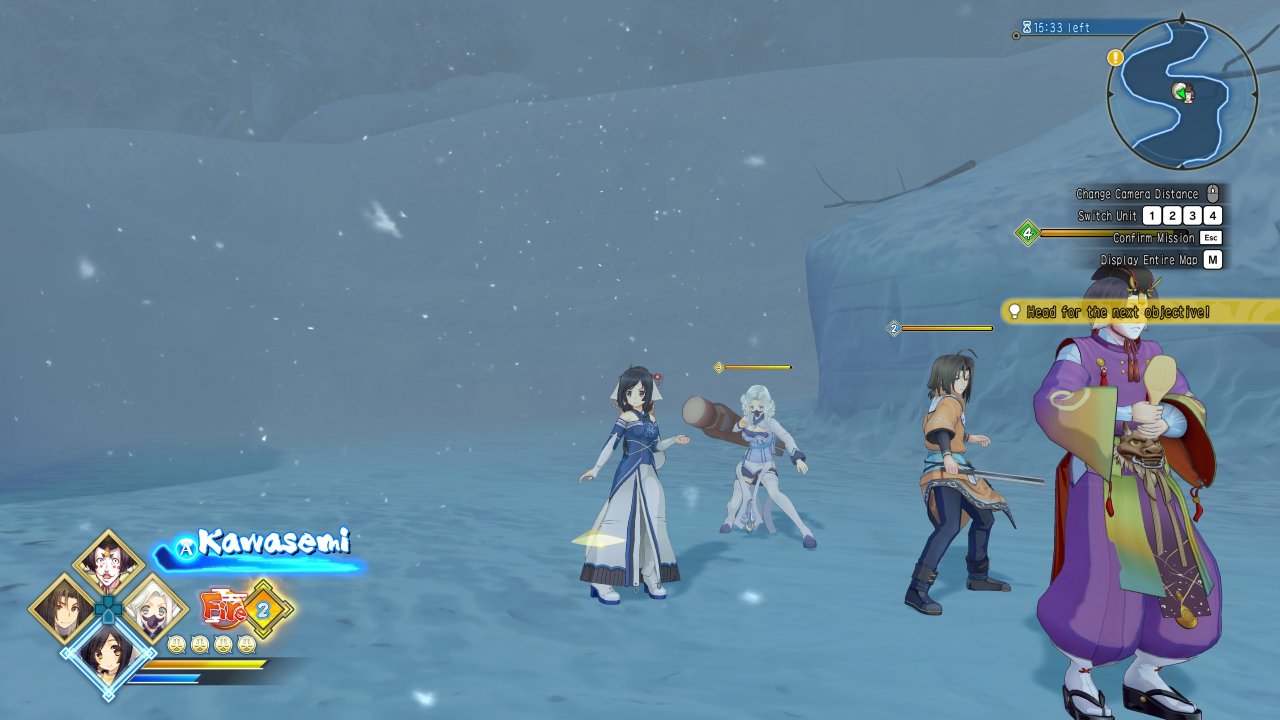
The player leads a team of up to four characters, each with their own way of attacking and special skills. They fight quickly against large groups of enemies. The fight is quick and showy, and the goal is to clear waves of enemies while moving forward with tasks.
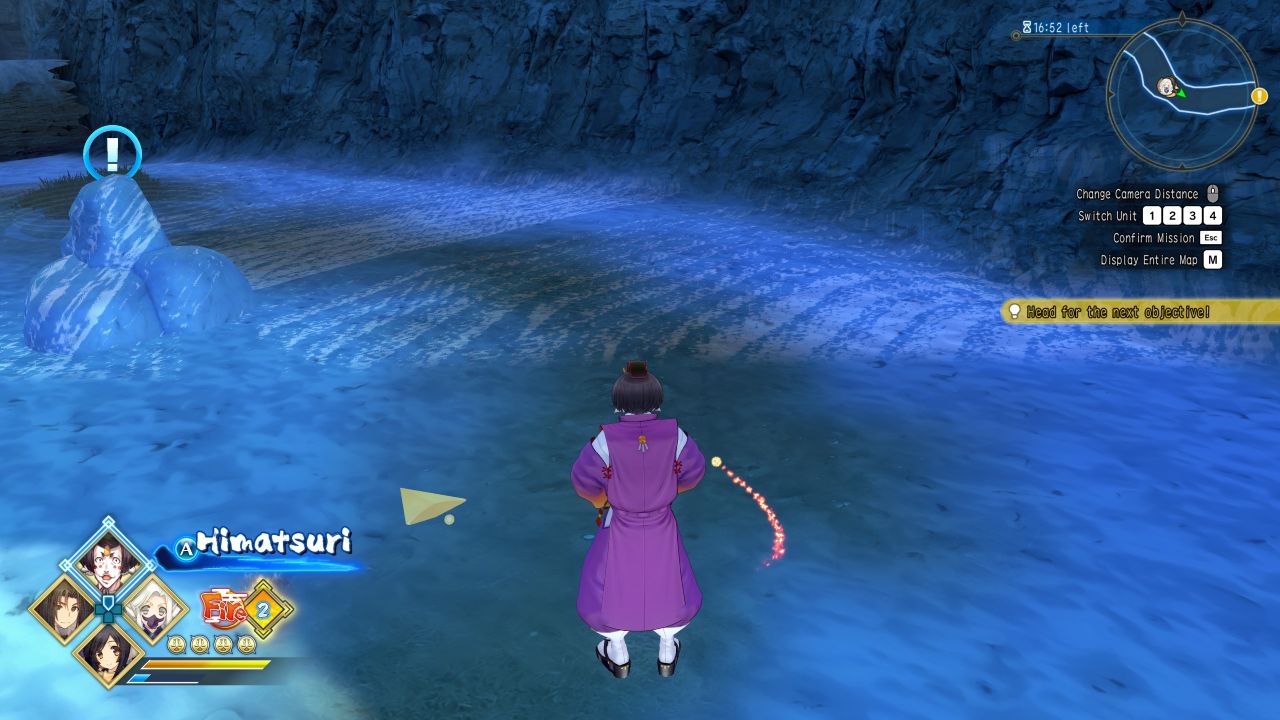
Light and heavy attacks are the basic combat mechanics, and different character powers can be used to lengthen combo chains. Players can quickly switch between characters, which makes the fighting more lively. Each character in ZAN has their own special powers based on the characters in Mask of Deception, but they all play in basically the same way.
The game encourages players to try out different character combinations, but the fighting isn't very strategic, so the game feels repetitive after a while. It's fun to kill enemies, but you quickly realize that this game isn't as deep as the ones before it in the series.
Utawarerumono: ZAN's fighting system is pretty typical for the musou genre, focusing on simple, combo-based action.
Players can chain their attacks, use special moves, and make use of the surroundings in their favor. The game has "Chain Attacks," which are special techniques that require you to be on time during quick-time events.
When done correctly, these strikes look cool and powerful, and they add a strategic element to combat that would otherwise be mindless. However, even with all the flashy moves and different characters, the fighting can get dull after a while, and the enemies usually aren't very hard to beat.
One of the game's biggest problems is that it doesn't have enough depth. The musou formula is great for fast, action-packed fights, but Utawarerumono: ZAN doesn't have enough variety to keep players interested over time. As the game goes on, the mechanics and strategies don't change much, and most enemies act in the same way, which makes fights feel repetitive.
Being able to switch characters during battle makes things a little more flexible in terms of strategy, but this doesn't make up for the fact that there aren't many different enemies or combat scenarios, since you can only use one character at a time.
Combat feels worse because players don't have many defensive choices when there's no blocking mechanic. If you know a lot about the musou genre, ZAN might feel like a watered-down version of the recipe that doesn't offer anything new or exciting to keep players interested.
Utawarerumono: ZAN does have a growth system, but it is pretty simple. After players complete tasks, they earn Battle Points (BP), which can be used to make characters stronger. You can also get scrolls that boost certain things or give you extra powers.
But the progress feels slow because each character only has a few important upgrades. Players will mostly depend on how good they are at fighting because there isn't a skill tree or a lot of character growth.
The game has a lot of things that you can unlock, like costumes and equipment. These are given to players through a method that makes sure that everyone gets different items. This makes the game more fun to play again, but it doesn't change the gameplay itself very much.
The BP system works, but it isn't as deep as the ones used in other games that have more complex ways of leveling up.
Players can improve their stats by leveling up their characters, but the progression feels shallow because there aren't any new powers or complex interactions. Without a more interesting way to grow characters, the grind for BP can feel more like work than a reward.
Utawarerumono: ZAN has a clean, but not very interesting, look. The character models are normal for a musou game, but they have some unique features that come from the first Utawarerumono games. The settings are okay, but they aren't as detailed as the ones in other action games.
The general look of the game seems like a step back, especially next to earlier games in the series that had more complicated graphics. The series has a certain look that is kept up by using bright colors, and character designs that look like they are from anime, but some of the game's textures and settings show that the PS4 doesn't have very good graphics.
The game's graphics are good but not very original, especially in fight scenes. The special attacks and flashy combos are well-animated, but because the fighting is so repetitive, they lose their effect over time. The levels are simple; most of them are just big, empty rooms with monsters in them.
It's easy to lose interest because the scenery doesn't change. Overall, the graphics get the job done, but they aren't very impressive, especially when compared to other games in the genre with better graphics.
The sound creation in Utawarerumono: ZAN is good, but not great. The Japanese voice acting is mostly good, but the writing isn't great because the story moves too fast. The music was written to go with the action. It fits, but it repeats too much.
The music uses a lot of common fight themes. They work, but they aren't memorable. The sound effects in battle, like the noise of attacks hitting and enemies roaring, are cool, but they don't make the experience any better than expected.
One great thing about the game's sound design is that music is used during intense fights to make the action feel more intense. But as the fighting gets easier to guess, the music might start to seem like a repetitive part of the background.
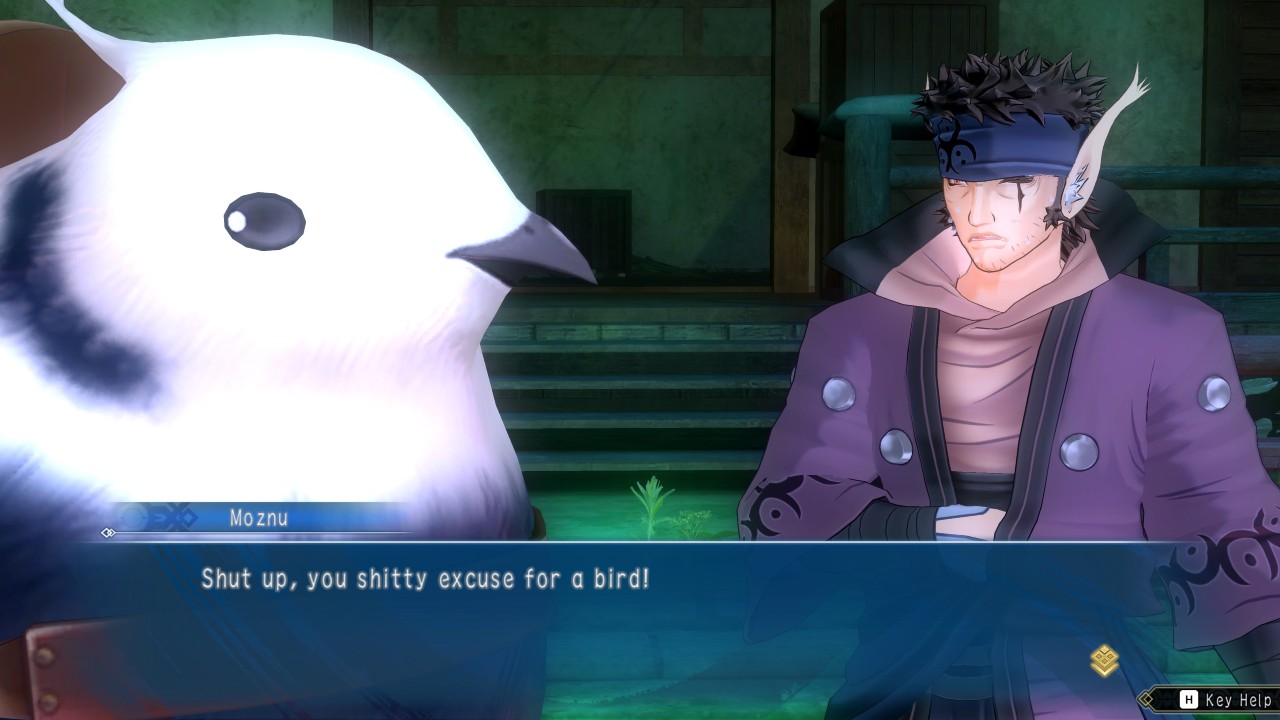
The game feels less realistic than it could have been because the sounds don't change much. Also, the sound design stays pretty normal the whole time, so the game doesn't use the PS4's audio features fully.
As a spin-off of a well-loved series, Utawarerumono: ZAN offers a special challenge. It does have some things that are part of the Utawarerumono world, but it doesn't have the depth and story richness that fans want.
Musou-style fighting is fun at first, but the gameplay is repetitive, the story feels rushed, and there aren't many ways to level up, so the experience feels shallow. The game has a lot of different characters and cool combat, but it doesn't have much depth in the gameplay, so these benefits are hurt.
The sound and images are fine, but they don't make an impression. Utawarerumono: ZAN doesn't do anything new for its genre, and it often feels like a missed chance to learn more about the Utawarerumono world. People who love the series may enjoy seeing their favorite characters in a new style, but people who are new to the series may find the game confusing and disappointing.
Ultimately, Utawarerumono: ZAN is a fun action game for people who like musou games, but it has a hard time standing out in a genre with a lot of other games.
Staff Writer, NoobFeed
Verdict
Utawarerumono: ZAN is an action-focused spin-off that sacrifices narrative depth for fast-paced combat. While the gameplay is enjoyable, its lack of variety and shallow progression system hinders long-term engagement.
59
Related News
No Data.