
NVIDIA N1X Benchmarks Challenge AMD and Intel With Strong CPU Performance
NVIDIA explores lower memory configurations as DRAM prices stabilize and competition increases across the semiconductor market.
Hardware by Naheyan Tahmin on Aug 11, 2026
The RAM crisis may finally be slowing as DRAM spot price growth loses momentum, buyers become more cautious, and memory manufacturers increase supply. At the same time, major hardware companies are changing their plans around memory usage and AI hardware, while NVIDIA's upcoming N1X processor is showing competitive performance in early benchmarks.
Mainstream DDR4 spot prices rose by just 0.17% from July 29th to August 4th, and actual transactions remained limited because buyers and sellers simply couldn't agree on prices. Any increase still hurts, but this is a huge difference from the 3.27% increase seen just a couple of weeks ago.
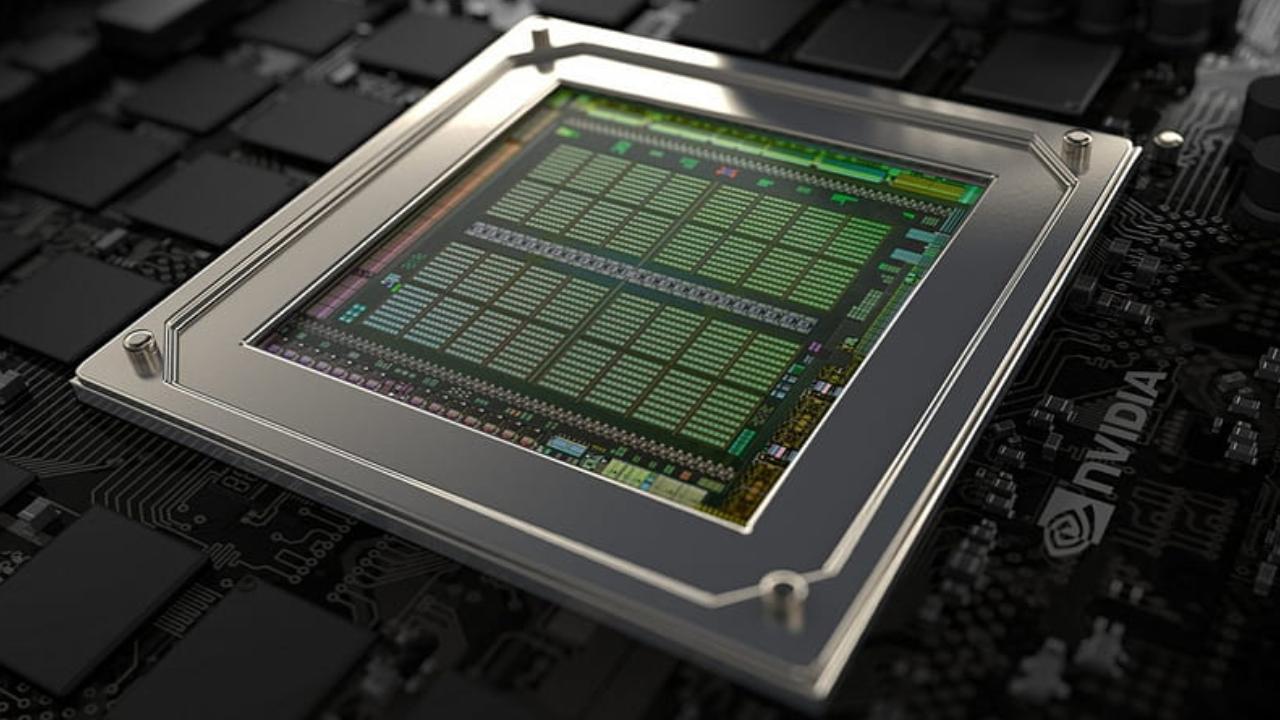
NVIDIA Is Looking at Using Less Memory
Another piece of evidence that this situation is becoming unsustainable comes from NVIDIA. According to another TrendForce report, NVIDIA is now considering cutting the amount of HBM used in its next-generation Rubin Ultra GPUs.
Originally, NVIDIA was targeting a 12-layer HBM4E design, but starting this quarter, the company began evaluating lower configurations, including 8-layer HBM4E and even HBM4 alternatives. NVIDIA isn't alone. TrendForce says several cloud companies are also looking at reducing the amount of HBM in their next-generation AI chips.
NVIDIA had already decided to cut the SoC capacity of its next-generation Vera Rubin Superchip modules in half because of expected LPDDR5X supply constraints. In other words, memory has gotten so scarce and expensive that the companies driving the shortage are now redesigning products to use less of it.
More Memory Supply Could Change the Market
CXMT is seriously ramping things up, and its announcement of a second chip plant in Beijing has sparked fears among investors of potential overcapacity. The concern is that increasing production while demand begins to weaken could eventually create more memory supply than the market needs.
Things look to be turning around. Buyers are refusing to chase higher prices; spot price growth is slowing dramatically; NVIDIA and other AI companies are looking to use less memory; and, at the same time, CXMT and other memory manufacturers are investing in additional supply.
That doesn't tell us exactly when memory prices will come back down, but it does tell us that this insane cycle can't keep accelerating forever. For the first time in a while, the mechanisms that could actually bring it to an end are starting to appear.
AMD Moves Away From Ryzen AI Branding
Right as all of this is happening, AMD looks to be backing off its AI-everywhere approach. In fact, AMD could even be moving away from the Ryzen AI naming scheme. The story originally comes from two new processors that AMD quietly launched, the Ryzen 5 439 and Ryzen 7 449.
Given the name, these could look like re-releases of older hardware, but they are actually based on AMD's latest Gorgon Point architecture, which powers AMD's Ryzen AI 400 series. However, these chips don't have the Ryzen AI branding. More importantly, they apparently don't have an active NPU either.
That's a change from the last couple of years, when AMD and the rest of the PC industry were pushing the idea that new laptops needed dedicated AI hardware. Now there are new CPUs without an NPU or the Ryzen AI name. Some may argue that this is simply binning, meaning there was an issue with the NPU during manufacturing, but AMD still wants to sell the processors.
In some ways, that could be true. However, AMD could have done the exact same thing with the Ryzen AI 300 series, yet it didn't. The timing is also interesting, as Microsoft is backing off AI everywhere in Windows, and PC makers are learning that the average consumer doesn't care about running local AI on their machines. Dell has even admitted that consumers aren't buying based on AI.
If these numbers are even remotely accurate, the company may be coming for AMD and Intel harder than originally expected. The chip is NVIDIA's upcoming N1X, which powers its new RTX Spark platform. Two different versions have appeared in Geekbench 7 running Windows 11 on ARM.
NVIDIA's first real consumer CPU has now appeared in a new benchmark.
The full version comes with 20 CPU cores and a Blackwell integrated GPU with 6,144 CUDA cores. There is also a slightly cut-down model with 18 CPU cores and 5,120 CUDA cores. The interesting part is the CPU performance. The full 20-core N1X reportedly scored 2,570 points in Geekbench 7 single-core and 23,126 in multi-core.
Meanwhile, the 18-core version scored 2,541 in single-core and 21,776 points in multi-core. That puts NVIDIA in a surprising position against AMD. Compared to AMD's Ryzen AI Max+ 395, the flagship 16-core Strix Halo chip, the full N1X is about 6% faster in single-core and roughly 12% faster in multi-core. Compared to Intel's Panther Lake Core Ultra X9 388H, NVIDIA's N1X was about 7% slower in single-core performance but nearly 20% faster in multi-core performance.
There are some major caveats here. Geekbench isn't the best benchmark for measuring real-world performance, but it at least gives us an indication of what the N1X can do. Given that this is NVIDIA's first real chip in the space, the results are not bad. AMD will likely be close to releasing its next-generation chips by the time the N1X comes out, so the advantage could be short-lived.
Editor, NoobFeed
Gaming Hardware Updates
No Data.