
AAA Gaming's Breaking Point Meets the Fortnite Metaverse Pitch
Unreal Engine upgrades, rising budgets, and platform-driven gaming are reshaping what "AAA" even means for you as a player.
Opinion by Mahi Araf on Jun 20, 2026
There's been a lot of talk lately about the video game industry heading toward a crash, but there's also a growing belief that it might already be averted. No, this is not all going to hell in a handbasket. This is a different kind of solution, and it is coming from some of the biggest names in business.
Over the past week, a new discussion has been circulating AAA gaming, Unreal Engine, and the future direction of platforms like Fortnite. What you are being shown is not even a tiny cycle of technical updates. It's being trumpeted as a change that could reshape how games are made, distributed, and even played across a range of platforms.
.jpg)
A lot of this starts with Unreal Engine 5.8 and what is being called Unreal Engine 6.
You're seeing more of a push towards optimization and performance stability, not just visual improvements like past generations. The idea being that games should run smoother, scale better across devices, and not immediately raise red flags when you see the Unreal Engine splash screen at startup.
At the same time, Unreal Engine 6 is being discussed more in terms of development efficiency. You're looking at a future where building a game and moving it across different platforms is supposed to be much easier. That includes consoles, PCs, and potentially even broader ecosystems.
Alongside that, there's a growing conversation about integrating generative AI into development tools. That brings its own controversy, especially as you move closer to future engine versions in which AI-assisted production becomes more the norm than experimental.
During this broader presentation, Epic Games CEO Tim Sweeney described AAA gaming as being hit by a "tidal wave."
And when you look at where the industry sits right now, that comparison starts to make sense in practical terms. You're seeing game budgets regularly climb into the hundreds of millions, and in some cases even higher, which puts enormous pressure on studios to deliver massive hits or risk major fallout.
If a game underperforms now, it's not just a small disappointment anymore. You're seeing entire studios taking the hit, projects being scaled down, or expectations being labeled as "not met" far more often than in previous generations. That creates an environment where even moderate success is treated as something worth celebrating.
From there, the conversation shifts away from just engines and into attention itself. You're no longer competing only with other games. You're competing with platforms like Roblox, social media, and short-form content ecosystems that constantly pull players away. Gaming used to be a more isolated experience.
Older generations remember a time when you had your console, your game, and not much else interfering with that focus.
Now, that environment is completely different. You're dealing with constant notifications, social platforms, and endless entertainment options all competing for the same time. What used to be a weekend spent locked into a single game has turned into fragmented attention spread across multiple apps and platforms.
.jpg)
That's where the idea of platform consolidation starts to appear. Instead of fighting against Roblox or similar ecosystems, the argument being presented is that gaming may need to evolve into something more connected and centralized. In this view, Fortnite becomes more than just a battle royale. It becomes a platform.
Epic Games has been positioning Fortnite to function more like a digital ecosystem than a single title. The idea is that you don't just log in to play one mode. You log in to access a wider network of experiences built by different developers, all connected under one shared system.
That also ties into how revenue works inside these ecosystems.
You see the model where content is often free to access, but monetized through in-game currencies, cosmetics, and micro-transactions. The argument is that bringing in larger audiences and monetization will even out over time as scale lowers the cost of entry for players.
But here is where things get more complicated in practice as well. That model works in some cases, but it is not consistently working across the board. Live-service games typically take multiple shots on goal before becoming long-term hits. You've seen studios pour a lot of money into these models, and then a lot of them close up shop or just never get off the ground.
This has been hard even for big publishers. Sony is often cited in this space, where you've seen hits like Helldivers 2 versus a handful of canceled projects and failures like Concord, which flopped right out of the gate. It's a reminder how volatile the live service space can be, even for veterans.
Despite that, the long-term vision being discussed pushes even further.
Unreal Engine 6 and Fortnite are being described as part of platform convergence, where Fortnite isn't just a game you play but a place where other games are released. In that structure, it would sit alongside PlayStation, XBOX, Nintendo, and PC as its own ecosystem.
In theory, that would allow developers to publish directly into Fortnite's environment, similar to how Roblox operates. You're no longer just releasing a standalone product. You're releasing into a shared world where players and economies are already interconnected.
.jpg)
That's also where the more speculative ideas come in, such as cross-game item ownership. In this vision, you might buy a cosmetic or item in one experience and carry it into another. On paper, it sounds seamless, especially if everything is running on the same engine. But in practice, it raises many questions about ownership, revenue sharing, and how publishers would actually benefit from that system.
You're essentially asking billion-dollar companies to cooperate in ways they historically haven't.
If a player buys a premium item in one game and uses it in another game that doesn't directly benefit the original publisher, the economics of that situation become complicated very quickly. It looks appealing in presentations, but it becomes much harder when applied at scale.
This is where the criticism of overengineering starts to appear. The idea isn't necessarily bad, but it may be trying to solve a problem that doesn't have a single unified solution. AAA gaming is struggling, but it's struggling for multiple reasons at once. Reasons include higher costs, longer development cycles, and market saturation.
A major budget driver is the location of your build and the wages you pay your workers. It's much more expensive to run a studio in places like California (Santa Monica in particular) than Japan or other cheaper development centers. When you combine that with highly skilled talent and longer production cycles, budgets naturally inflate into the hundreds of millions.
That creates a situation where studios feel pressured to sell millions of copies just to break even. In some cases, estimates suggest games need to sell 7 or 8 million units just to cover development costs. That level of pressure makes risk-taking far less appealing.
Even massive franchises like Call of Duty are not immune to this trend.
With development costs reportedly approaching the billion-dollar range in some discussions, even high-selling games that move tens of millions of copies are still operating under increasing financial strain.
This is part of why pricing strategies have changed over time. The $70 game price point already feels like a significant investment for many players, and anything higher pushes expectations even further. This in turn affects how initial launch performance is measured, with players often waiting for discounts or sales at the same time.
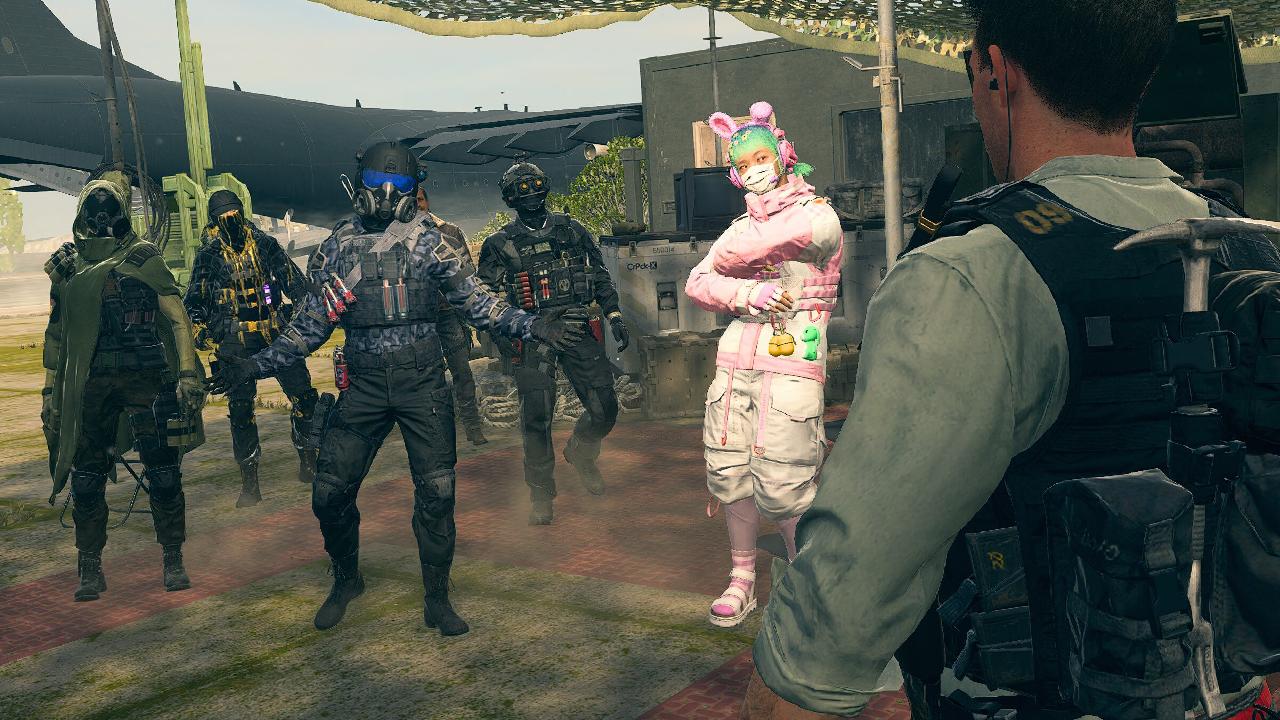
On the publisher side, rising costs and inconsistent revenue mean they are leaning more heavily on other monetization systems. Microtransactions, seasonal content, and long-term live-service structures are becoming less optional and more necessary to sustain development pipelines.
You've seen this sort of experimentation too.
In past console generations, companies dabbled in monetization options such as online access fees for used games and subscription-style passes. While some of those ideas were eventually rolled back, they set the stage for the evolution of modern monetization.
Now, attention is turning toward whether AI can reduce development costs. The idea being explored is whether artificial intelligence can handle repetitive or time-consuming tasks, potentially helping studios shorten development cycles to around 3 years per game. That kind of efficiency is seen as a potential turning point for sustainability in AAA development.
There are already examples being pointed to as early signs of improvement. Capcom is often mentioned, especially after its turnaround starting around Monster Hunter World. They had their own internal tools, and it was easier for them to work with those and be consistent in the RE Engine from release to release.
Another notable example is Square Enix, particularly the Final Fantasy 7 Remake trilogy.
You see a structure in which assets, systems, and development knowledge are reused and expanded across multiple releases, enabling faster follow-ups rather than starting from scratch each time.
The rationale for releasing multiple AAA-scale titles in a shorter timeframe is becoming increasingly important. Studios are experimenting with more efficient pipelines that enable repeated, high-quality releases on shorter cycles, rather than spending 7 or 8 years on a single game.
Even with workflow improvements, AAA gaming is inherently risky. More games are being released than ever, but only a small percentage achieve enough success to fully meet their budgets and expectations. That leaves a large number of projects that either underperform or fail commercially despite strong creative effort.
At the same time, the push toward Fortnite as a platform raises questions about how players actually engage with these ecosystems. Most players aren't necessarily looking to purchase traditional full-priced games inside a social platform. Instead, engagement is often more about hopping between experiences, social interaction, and short sessions.
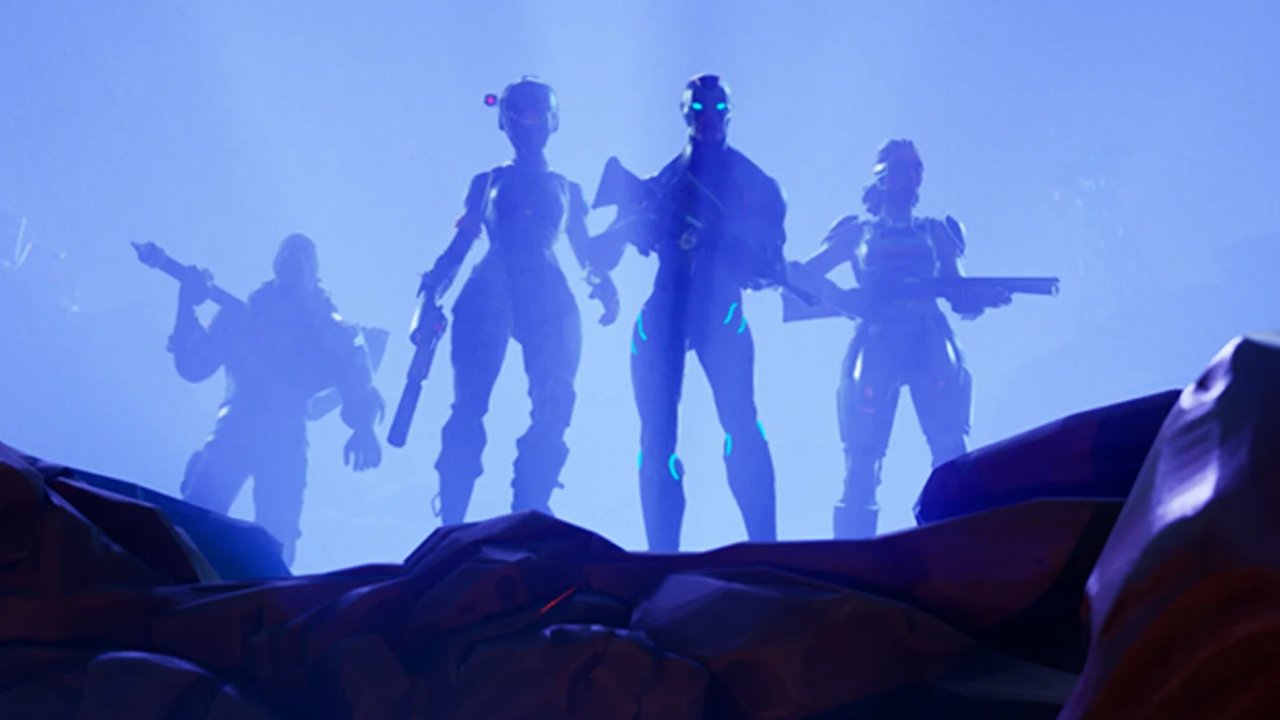
And that's part of why Fortnite and others are so dominant.
These aren't games anymore. However, they are much more social spaces where players can pop in and out, hang out with friends, and play in shorter bursts as opposed to the long single-player campaigns.” But that dominance is also creating friction elsewhere in the broader industry.
Live service games and forever games account for a significant share of player spending and attention. In some cases, it's estimated that a big chunk of digital storefront revenue is locked in these types of games, leaving less room for traditional AAA releases.
That imbalance increases pressure on the rest of the industry. As budgets increase and attention becomes more centralized, the window of opportunity for traditional AAA games to succeed continues to shrink.
What you're ultimately seeing is an industry in transition.
AAA gaming isn't going away, but it's being remade by rising costs, shifting player behavior, and platform-centric ecosystems. It's unclear whether that future will be one of unified platforms, Fortnite, or more efficient traditional development cycles. Still, the direction of change is already clear in the way games are being built and funded today.
Senior Editor, NoobFeed
Latest Articles
No Data.