

AMD Zen 6 Boost Clocks Near 7GHz as AMD Advances RDNA 5 Roadmap
New source information suggests Zen 6 and RDNA 5 development continues according to long-term roadmap plans.
Hardware by Nakiro on Jun 22, 2026
Recent industry discussions about AMD's next-gen processor and graphics architectures have certainly stirred the enthusiast community. There are broader concerns about memory costs and AI-driven demand, and questions persist about whether AMD Zen 6 can hit the rumored ambitious clock speeds and whether RDNA 5 is still on schedule.
The latest reports from several sources indicate that AMD remains committed to both targets, with Zen 6 still targeting record-breaking frequencies and RDNA 5 slated for release around the original timeline.
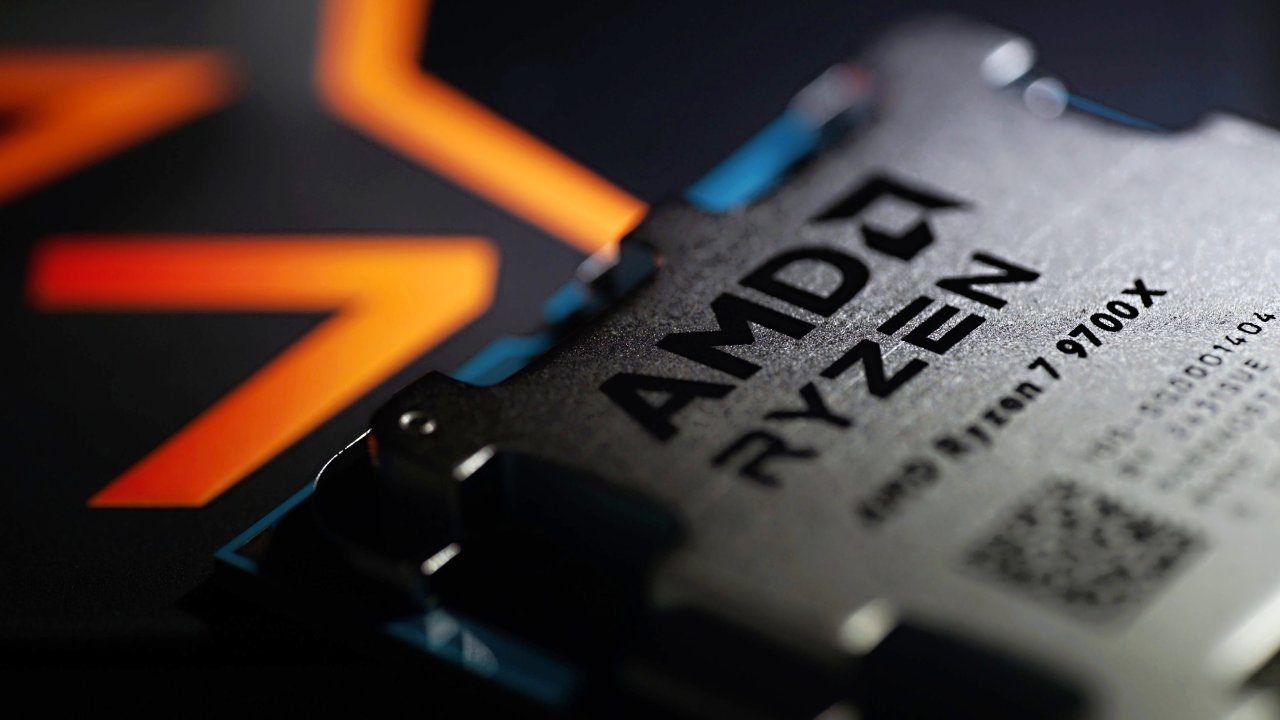
AMD Continues Working Toward a 7GHz Zen 6 Milestone
Over the past week, conversations with multiple AMD sources have provided some of the most exciting updates yet regarding the company's upcoming Zen 6 architecture.
Ever since reports emerged that AMD was targeting 7 GHz boost clocks or higher for flagship desktop Zen 6 products, there has been persistent skepticism within parts of the gaming hardware community. At face value, a 7GHz target appears extremely ambitious, which is why there has been caution about definitively stating that AMD will achieve it.
The distinction remains important. AMD is targeting 7GHz. AMD plans to reach 7GHz. However, there is still a difference between targeting a number and successfully qualifying a final retail product at that frequency.
According to an AMD source, a Powderhorn codename document related to the Zen 6 desktop CCD stated that future samples will be qualified to reach 7 GHz. The source believes that, based on this knowledge, AMD was still aggressively targeting a 7GHz boost clock for one or more Zen 6 products until at least the first half of 2026.
The message is plain. There's no indication that AMD has given up on that goal. Rather, development activities are still ongoing to achieve it.
Why a 7GHz Zen 6 Processor May Not Be Unrealistic
7 GHz sounds incredible, but history provides a good point of reference. When AMD transitioned from Zen 3 to Zen 4, flagship desktop boost clocks increased from 4.9 GHz on the Ryzen 9 5950X to 5.7GHz on the Ryzen 9 7950X. That represented a substantial increase in frequency during a single-node transition.
Applying a similar proportional improvement would put Zen 6 around 6.6 GHz. In other words, a large portion of the journey toward 7GHz has precedent based on AMD's previous achievements.
Additionally, Zen 6 benefits from multiple process advancements compared to the single-node jump seen in the Zen 3-to-Zen 4 transition. For that reason, the idea of AMD reaching or exceeding 7GHz is not necessarily a pipe dream. It remains an ambitious goal, but the company continues to pursue it.
Time will ultimately determine whether AMD succeeds, but current information indicates that the objective remains firmly in place.
.jpg)
RDNA 5 Shipments Could Begin in Mid-2027
Beyond Zen 6, new information has also emerged regarding AMD's next-generation graphics architecture. A source at a major OEM stated that AMD recently indicated it could receive the first shipments of desktop RDNA 5 products in mid-2027.
While that information shouldn't be taken as a definitive launch date, it provides a strong indication that AMD remains on track to deliver at least some RDNA 5 products by the end of 2027.
This timing is consistent with many past forecasts and is especially pertinent given the ongoing concern about GPU availability and supply across the industry.
Multiple Industry Leaks Point to 2027 Launch
Despite all the rumors and uncertainty, the latest news still points to a 2027 launch window for RDNA 5. The expectation also aligns with numerous reports regarding future gaming platforms and hardware projects. Several upcoming products have already been associated with graphics technologies expected to share design elements or chiplet strategies with desktop RDNA 5 hardware.
If these broader platform initiatives remain on schedule for next year, it becomes increasingly difficult to argue that desktop RDNA 5 products would not also be approaching readiness within a similar timeframe. As such, current evidence suggests that AMD's next-gen graphics architecture will arrive in 2027.
Memory Pricing Debate Still a Major Concern
When we talk about future product launches, one common problem is today's memory prices. Many fans fear that the high cost of DDR5 will hurt future product introductions. But such an argument often overlooks the broader commercial forces that shape the memory industry.
The fundamental point remains that current pricing conditions are largely determined by AI demand. If those market conditions change over the next 18 months, there could be significant pricing revisions.
It is not that the costs of memory are ignored. Instead, it is founded on the premise that current difficulties are temporary and market forces will ultimately equilibrate supply and demand.

Why Many Analysts Expect an AI Market Correction
Several industry observers continue to argue that the current AI boom is unlikely to maintain its present trajectory indefinitely. The expectation is not necessarily that memory prices will return to the record lows experienced during 2025. Those prices were exceptionally low by historical standards. However, many analysts believe a meaningful correction remains likely within the next 18 months.
As more companies increase memory manufacturing and work to address market shortages, supply pressures may gradually ease. If that occurs, memory prices should improve from today's levels, even if they don't return to their former lows.
Today's headlines are talking about extreme cases, like high-end, very expensive large-capacity storage. However, those examples represent current market conditions rather than a permanent outlook for the industry.
Looking Beyond Today's Market Conditions
The key point is that today's pricing environment should not automatically be projected years into the future. What the market looks like in 2027 or 2028 is not always what it looks like in 2026. But obstacles remain, and estimates of future corrections in memory and storage pricing continue to play a significant role in projections for new AMD products.
As of today, the latest whispers point to AMD still working on two primary objectives: Zen 6 desktop CPUs in the 7GHz class and the debut of RDNA 5 graphics products around the predicted 2027 timeframe. Whether both dreams will come true in the end is still an open question, but it is clear from ongoing development activities that neither has been abandoned.
Editor, NoobFeed
Latest Articles
No Data.