
Console Gaming vs. PC Gaming Cost Comparison in 2026
Market responses to pricing strategies are influencing platform competition and long-term industry direction.
Hardware by Shinji Okazaki on Apr 02, 2026
The last few months in gaming have been a total disaster. Things have gone wrong in the worst way possible. In the past, game consoles would get cheaper over time, but now they are getting more expensive. The longer someone waits to buy a new system or piece of technology, the more it costs. That change doesn't fit with what has happened in the past. The problem is more than just rising console pricing; it goes deeper. Businesses are realizing that they can raise prices and still get business.
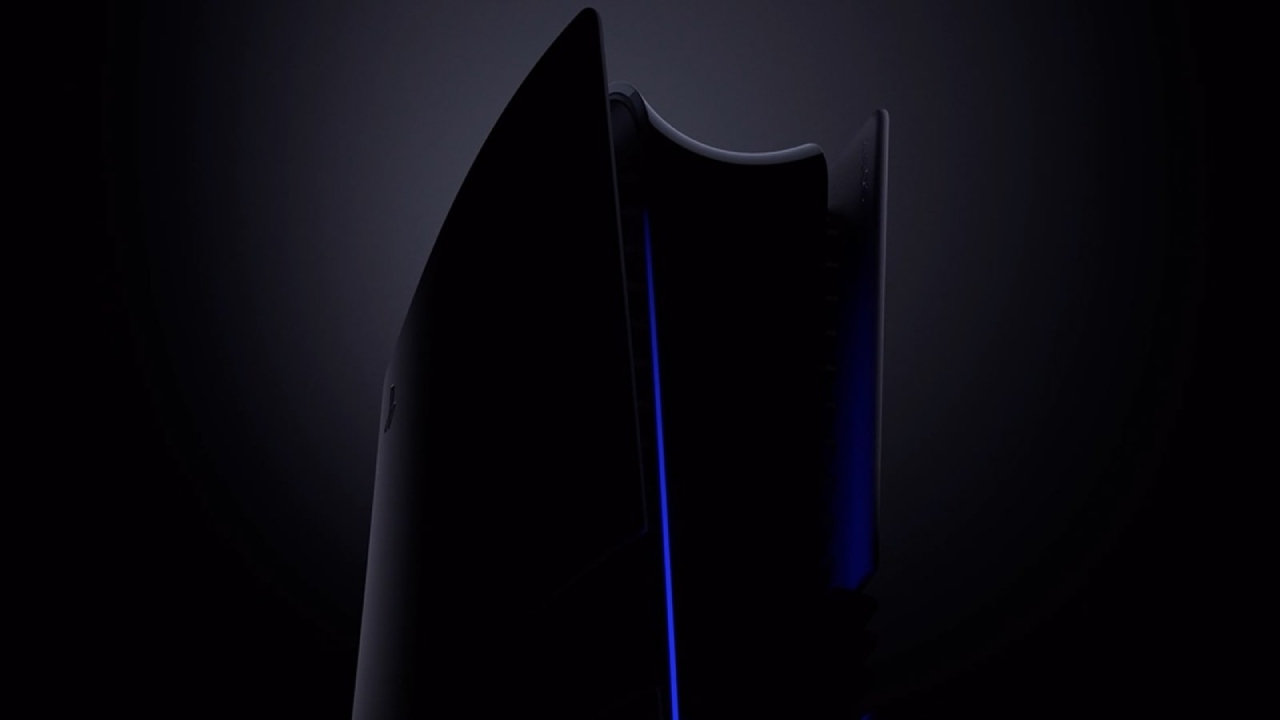
When PlayStation announced on April 2 that the PS5 Pro would cost $900 more, many people rushed to buy it before the price went up. Even after the price went up from $699 to $750, people still wanted it. Companies know that customers are willing to pay more when they act that way. Instead of fighting back, buyers are supporting those choices
.
Trends in Prices and how Customers React
Normally, prices would go down at this point in a console generation. A basic PS5 would cost about $299, while a Pro model would cost about $499, keeping the $200 difference. Even with small changes, the estimated range would put a PS5 Pro at roughly $650 and a regular PS5 at around $450. Prices are higher than expected right now.
It's not about possible prices; it's about what people are doing right now. Companies are watching how people respond. When consumers rush to buy before a price goes up, they are effectively saying they agree with the price increase. That answer starts a cycle in which higher prices become the norm.
What to Expect from Next-Gen Consoles
Some analysts say the next generation of consoles could cost close to $ 1,000. Some estimates say that at least one version of a future console might cost $999. There is also talk of a 50% increase over the starting price of the current generation.
The price of a base console might be between $700 and $750, while a Pro model could cost $900 or more. That way of going raises questions about how easy it is to get to. If hardware costs more, fewer players will upgrade, hurting the entire gaming ecosystem.
Effects on Players and Developers
If hardware prices rise significantly, many players may delay upgrades or stop buying new systems. That drop in users affects both developers and publishers. There are fewer possible sales when there are fewer players.
Companies may respond by making more games available on more platforms or raising the prices of their games. People are already talking about games that cost $100. The rise of subscription and streaming services is another probable result. Players may be directed to cloud gaming systems with recurring expenses instead of purchasing hardware.
The Move Toward Services
More and more businesses are embracing service-based strategies. You don't need to buy pricey hardware to use platforms like PlayStation Now, Xbox Cloud Gaming, and GeForce Now. But these services come with recurring charges and make ownership less valuable.
The method is similar to older models when consumers pay by the minute or by the action. Instead of buying a game once, you have to keep paying for it. This change affects both users who spend a lot and those who don't have much money.
Changes to Hardware and Cutting Costs
Some reports say future consoles might feature cost-saving features, such as a 1TB Gen5 SSD and no disc drive. Removing tangible media lowers production costs but increases customer costs. You may sell an extra disk drive as an accessory.
Hardware prices are still going up. When you pay more and get fewer features, it changes how you see the product's value.
The Shift to PC Gaming
PC gaming is becoming a better option as console prices go up. A machine that costs between $900 and $1000 is about the same price as a mid-range PC. There are no forced internet payments with PC, and customers can upgrade whenever they choose.
We might start looking more seriously at the long-term costs. Over six to seven years, spending $80 a year on online services adds up to a lot. When you add in the console's cost, the total is close to that of a PC system.
Valve and Market Chance
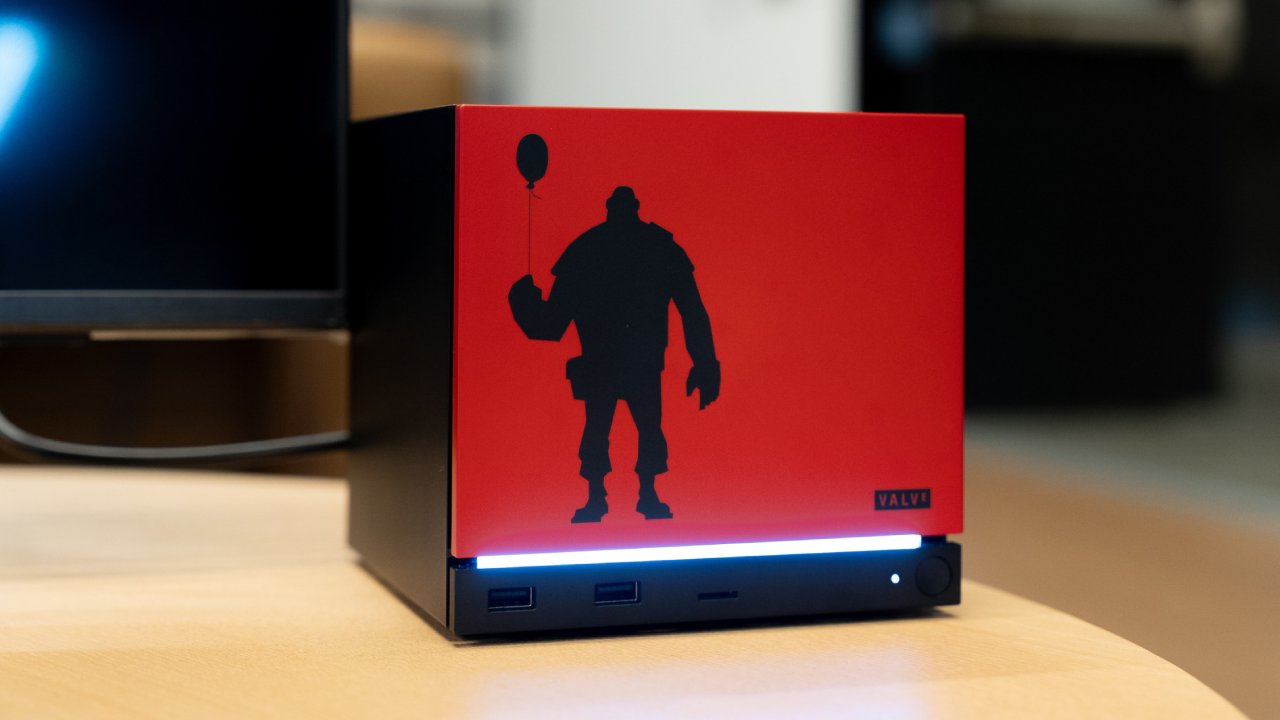
These adjustments will benefit Valve. A system costing between $600 and $750 could attract people looking for other options. Lower RAM prices might also lower production costs, giving you more pricing options.
If Valve makes a system that strikes a good mix between price and performance, it could steal users from existing consoles. That position is even stronger because of Steam, Linux-based systems, and a huge game catalog.
The Value of Consoles is Changing
In the past, consoles were a cheaper way to get into gaming. That benefit is getting smaller. It gets harder to tell the difference between consoles and PCs as costs go up.
Convenience is still a consideration, though current consoles still need to be set up, updated, and configured similarly to PCs. The ease of use that used to be a big part of consoles is not as strong as it used to be.
Final Thoughts
Raising rates too much could cause fewer people to play. Companies may want to make more money per user, but if the number of viewers of their shows goes down, it can hurt the industry.
The direction points to higher hardware costs, higher software charges, and greater reliance on services. At the same time, other platforms are growing more appealing.
We're getting closer to the point where spending $1000 on a console means you have to compare it to other possibilities. People may opt to play differently after seeing that comparison, and the gaming market may shift in the next few years.
Also, check our other hardware articles:
- AMD Ryzen 9 9950X3D Review: Setting The Standard For 2025 Gaming CPU
- Amazon Luna 2025 Review: Is Prime Gaming's Cloud Service Your Go-To For Casual Fun?
- AMD RX 9070 XT Review: AMD's RDNA 4 Champion for 1440p Gaming
- GeForce Now Ultimate: Ditching Your Gaming PC For Cloud RTX 4080 Power?
- NVIDIA GeForce RTX 5080 Review (2025): Still A 4K Gaming Powerhouse?
- Intel Core Ultra 9 285K Review And Performance Breakdown (2025)
- AMD Ryzen 7 9800X3D Review: 3D V-Cache Goes God Mode with Stunning Gaming Performance
- Intel Core Ultra 9 285K vs AMD Ryzen 7 9800X3D: In-Depth Gaming Performance and Benchmark Comparison
- NVIDIA GeForce RTX 5080 Super Performance In Cyberpunk 2077: Path Tracing & DLSS 4.0 Tested
- AMD Radeon RX 9070 XT In Cyberpunk 2077: Ray Tracing & FSR 4.0 Tested
- Intel Arc B580 Review: The $250 GPU Revolutionizing 1440p Gaming
- Intel Arc B570 Vs. B580: Value, Specs, And Real-World Gaming Performance
- RTX 5090 Laptop Vs. M4 Max MacBook Pro: Ultimate Raw Performance Vs. Battery Endurance
- Intel Arc b580 Vs. RTX 4060: Game Performance And Value Analysis
- RTX5090 Hell Is Us Demo 4K Ultra Benchmark: DLSS Vs. Native Performance Guide
- NVIDIA RTX 5070 Review: Mid-Range Muscle or Marketing Hype?
- Nintendo Switch 2 Review: Handheld Performance, Features & Value Breakdown
- RTX 5070 Ti Review: Performance, Thermals & Power Efficiency Tested
- Samsung Odyssey OLED G81SF Review 2025: Ultimate 32-Inch QD-OLED Gaming Monitor
- AMD RX 9070 Performance Review: Thermals, Clocks, and Real-World FPS
- AMD Ryzen 5 7600 Review: Best Budget Gaming CPU of 2025?
- AMD Radeon RX 7800 XT Review: RDNA 3 Power For Midrange Gaming
- Asus ROG RTX 5090 Astral OC Vs. Founders Edition: The 4K Gaming Benchmark
Editor, NoobFeed
Gaming Hardware Updates
No Data.