
Future-Proof 1440p Monitors in 2025: What Gamers Need to Know
1440p monitors in 2025 deliver the ideal mix of performance, display technology, and future-ready features for gaming enthusiasts.
Hardware by Tanvir Kabbo on Sep 08, 2025
Even if the market for monitors is changing more quickly than ever in 2025, 1440p remains the ideal resolution for both professionals and gamers. It offers sharper visuals than 1080p without demanding the extreme hardware power that 4K often requires.
Alongside this resolution, new technologies such as OLED, Mini-LED, and DisplayPort 2.1 are reshaping the way screens perform, while HDR support and brightness improvements bring more life to every frame.

Whether the objective is immersive cinematic experiences or fluid competitive gaming, 1440p monitors now provide a balance that feels both realistic and future-ready.
Multi-Monitor Configurations with Ultrawide Displays
Multi-monitor arrangements still have a lot to offer, even when ultrawide and super ultrawide panels provide seamless immersion. Achieving greater versatility for multitasking and productivity can be enhanced with two or three regular 1440p monitors.
Ultrawides deliver uninterrupted screen real estate, but they typically cost more and lack the adaptability of separate displays.
The Rise of DisplayPort 2.1
One of the biggest shifts in monitor technology is the wider adoption of DisplayPort 2.1. This standard provides higher bandwidth, enabling higher refresh rates at 4K and beyond.
For gamers who want to play at 240 Hz or higher, particularly on 1440p and 4K displays, DisplayPort 2.1 guarantees fluid, cutting-edge performance free from compression restrictions.
OLED Development and Burn-In Issues
OLED monitors, which offer brilliant colors, deep blacks, and superior motion handling, are now readily accessible. For static items, such as desktop usage or UI overlays, burn-in remains an issue.
By solving this with pixel-shifting, better subpixel layouts, and software protections, manufacturers are making OLED far more feasible in 2025 than it was in previous generations.
HDR Performance in Gaming Monitors Only panels with sufficient brightness and local dimming — such as OLED and Mini-LED displays — deliver true HDR experiences.
Entry-level "HDR-certified" monitors often disappoint, offering little beyond higher peak brightness without meaningful contrast improvements.
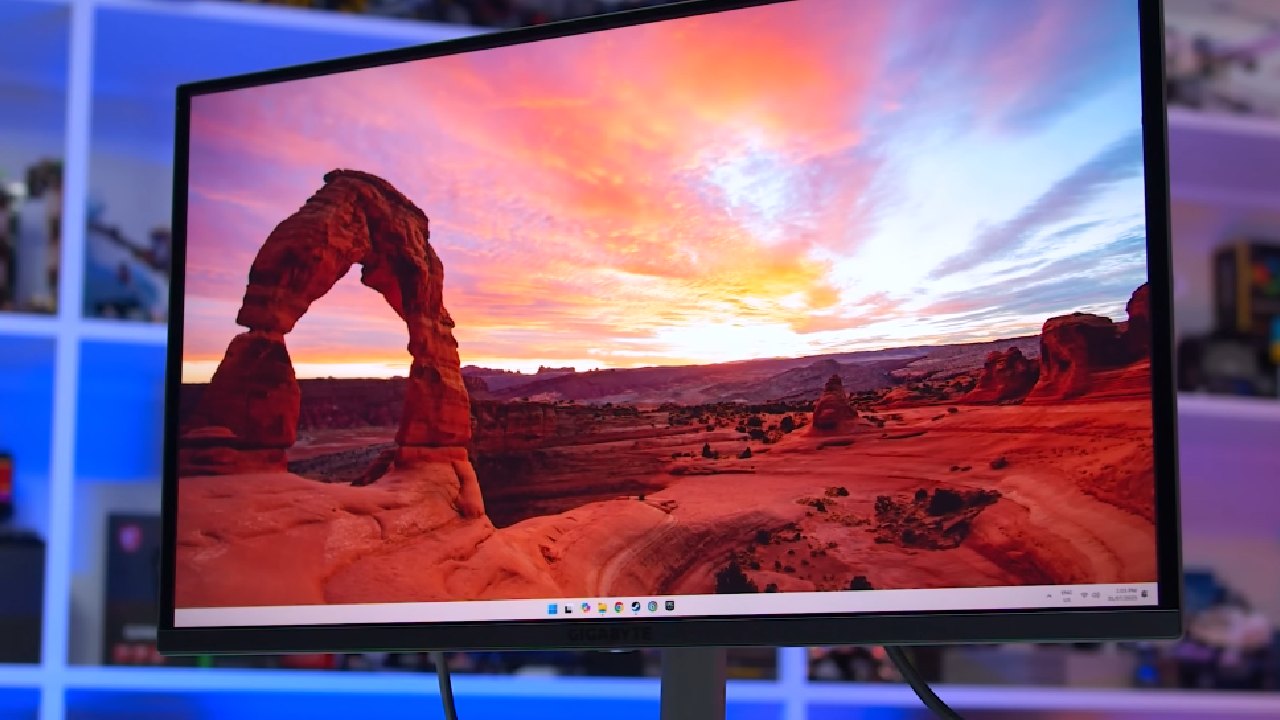
Brightness Levels and Real-World Usage
Brightness remains a deciding factor in 2025's monitors. OLED panels typically peak at lower brightness levels than Mini-LED, but compensate with infinite contrast ratios. Mini-LED displays can achieve higher sustained brightness, making them better for well-lit rooms.
Choosing between them depends on whether deep cinematic visuals or raw brightness is more important for your setup.
Alternatives to OLED: Mini-LED and Fast IPS
For users concerned about OLED burn-in or seeking higher brightness, Mini-LED and advanced IPS monitors are strong alternatives.
Mini-LED provides excellent HDR with thousands of dimming zones, while modern IPS panels continue to deliver fast response times and reliable image quality at more affordable prices.
The 2025 Monitor Landscape
Choice defines the 2025 monitor market. Gamers can choose between fast IPS for speed and economy, Mini-LED for dazzling HDR performance, or OLED for unparalleled contrast and color. While immersive gaming is often dominated by ultrawide displays, multi-monitor setups remain useful.
The adoption of DisplayPort 2.1 has made future-proof connectivity a necessity rather than a luxury.
Final Thoughts
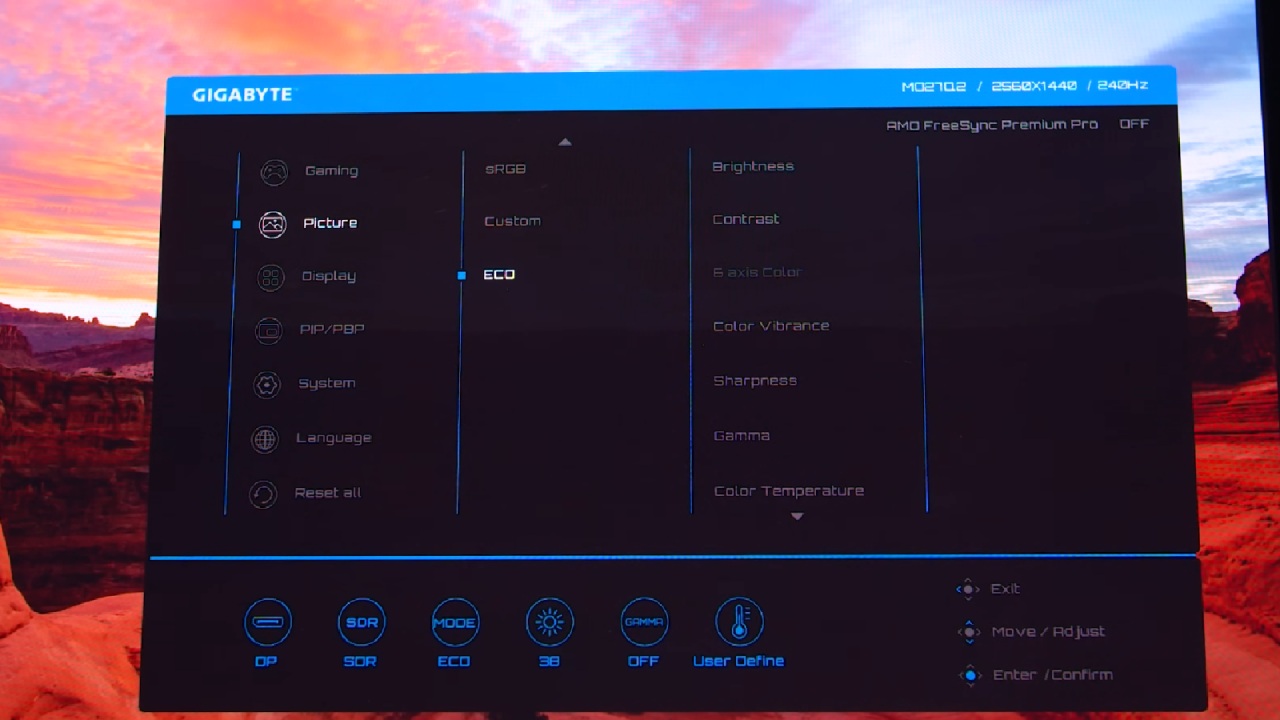
Choosing the right 1440p monitor in 2025 comes down to prioritizing one of four key factors: immersion, performance, longevity, or versatility. OLED has matured, DisplayPort 2.1 ensures future readiness, and HDR is finally meaningful in high-end panels.
No single display fits every user, but today's choices offer more balance between quality and performance than ever before.
Check our other Monitor Articles:
- ASUS ROG Strix XG27AQWMG Review: 280Hz 1440p OLED Gaming Performance
- ASUS ROG Strix XG32UCWG Review: 32-inch OLED with 4K 165Hz and HDR
- Samsung Odyssey OLED G81SF Review 2025: Ultimate 32-Inch QD-OLED Gaming Monitor
- Adaptive Sync Explained: FreeSync vs. G-Sync for Modern Gaming Monitors
- Gigabyte MO27Q2 QD OLED Review: Performance, HDR, and Gaming Experience
- ASUS ROG Swift PG27UCDM Review: Blazing Fast 240hz 4K OLED Performance
Senior Editor, NoobFeed
Gaming Hardware Updates
No Data.