
Why High End GPUs Are Disappearing From the Consumer Market?
Ongoing GPU supply constraints continue driving higher prices and reduced options across the mainstream and enthusiast market.
Hardware by Shinji Okazaki on Feb 02, 2026
It's February again, and it's time to review what happened in tech last week. In 2026, it became harder to find truly good tales that hint at even the slightest beginnings of change. As a result, the focus shifted to finding innovative ways to frame the bad news. Choosing a graphics card might be easier. Reports say that Nvidia is mostly making 8GB and 12GB chips for consumers. Because of this, the choice of whether to spend thousands on 16GB or more possibilities may no longer even be an option.
A lot of people in the video gaming industry suddenly have a lot more free time, though, because layoffs have touched about one-third of the workforce in the past two years. There are also just enough hardware-related stories, like news about Zen 6 CCD sizes and Nvidia moving some chip production to Intel fabs, to take your mind off the bigger problems and AI-driven changes reshaping the tech landscape. Another 12VHPWR connector has melted, adding to the number of problems we already know about.
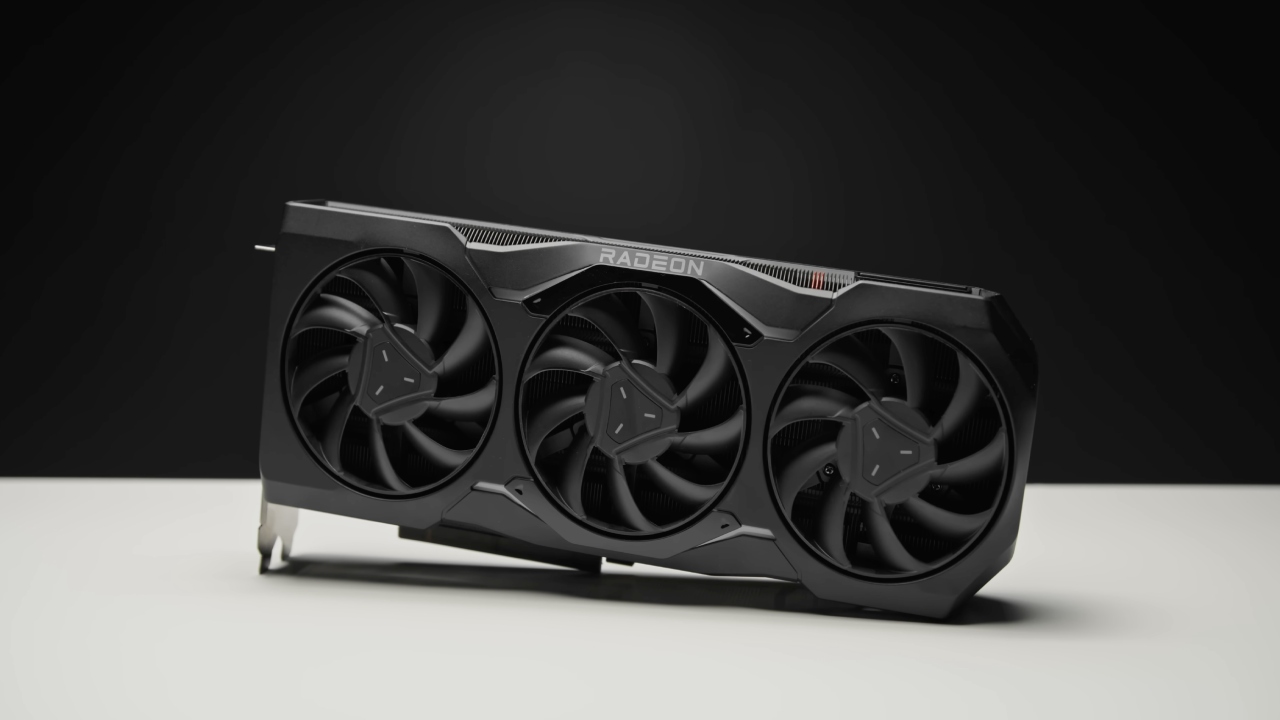
NVIDIA's Supply of Consumer GPUs and VRAM is Limited
For months, people have been worried that Nvidia would rather not make consumer goods at all and instead focus on making AI data center chips, which are more profitable. The situation has gotten worse because of ongoing memory shortages, which have made VRAM, which is necessary for working graphics cards, more valuable.
In January, reports in the supply chain said that the number of consumer GPUs would drop by 20%. That models with more VRAM and lower pricing, including 16GB versions of midrange cards, would no longer be made. Even though there was a short statement saying that all GeForce SKUs are still shipping, information from board partner channels shows that almost three-quarters of the GPU supply this quarter will be made up of models with the least VRAM. These include cards with 8GB and 12GB of memory that are based on smaller die designs.
NVIDIA doesn't break down manufacturing numbers, so it's hard to say how significant this really is. Prices in the real world, on the other hand, show uncertainty. Prices for hard-to-find cards have risen significantly, and some models are selling for well above their initial MSRP.
Failures of Power Connectors and Public Knowledge
There might also be fewer reports of burnt power connectors if fewer high-end cards are out there. A streamer recently provided a video of a 12V power extension cable attached to a high-end GPU that was clearly damaged, with bubbles and smoke coming from it. Some people didn't like the decision to record rather than shut down right away. Still, the event shows how important public documentation is for increasing awareness. If keeping the hardware secure is the most important thing, shutting off the power right away is still the best option.
Rumors about the AMD Zen 6 CPU and GPU Roadmap
There are rumors that AMD's next-generation architecture, which will likely be dubbed Zen 6, will be built on TSMC's N2 process. Information that leaked says the CCD has 12 cores instead of 8 and 48MB of L3 cache instead of 32MB, with only a small increase in die size. If this is true, AMD might employ one or two of these dies in CPUs that work with the current AM5 socket. These processors could come out later this year as the Ryzen 10000 series.
Standard Zen6 CPUs might come first, followed by X3D versions. A lingering worry is whether DDR5 memory that doesn't cost too much will be available to them.
There are many opinions about what will happen with GPUs. Reports say RDNA4-based Radeon GPUs may not be very powerful. That integrated graphics will continue to use RDNA 3.5 for lower-end products until 2028. Higher-end APUs and future high-end devices will likely switch to RDNA 5. This could also mean that the next generation of Radeon graphics cards will have more competitive discrete desktop GPUs. If this timeline continues, it could provide Intel a chance to catch up in integrated graphics, thanks to the recent releases of mobile CPUs.
Intel, Nvidia, and Foundry Partnerships
After a rough patch, Intel is stable again. NVIDIA has signed a low-risk deal with Intel to make some chips using Intel's advanced manufacturing methods. The first commercial run would be for IO dies for future architectures, rather than gaming GPUs. There is also talk of Intel taking care of packaging technology and non-core products, which for Nvidia now includes more and more gaming GPUs. This means that Intel could make Nvidia gaming GPUs in the future.
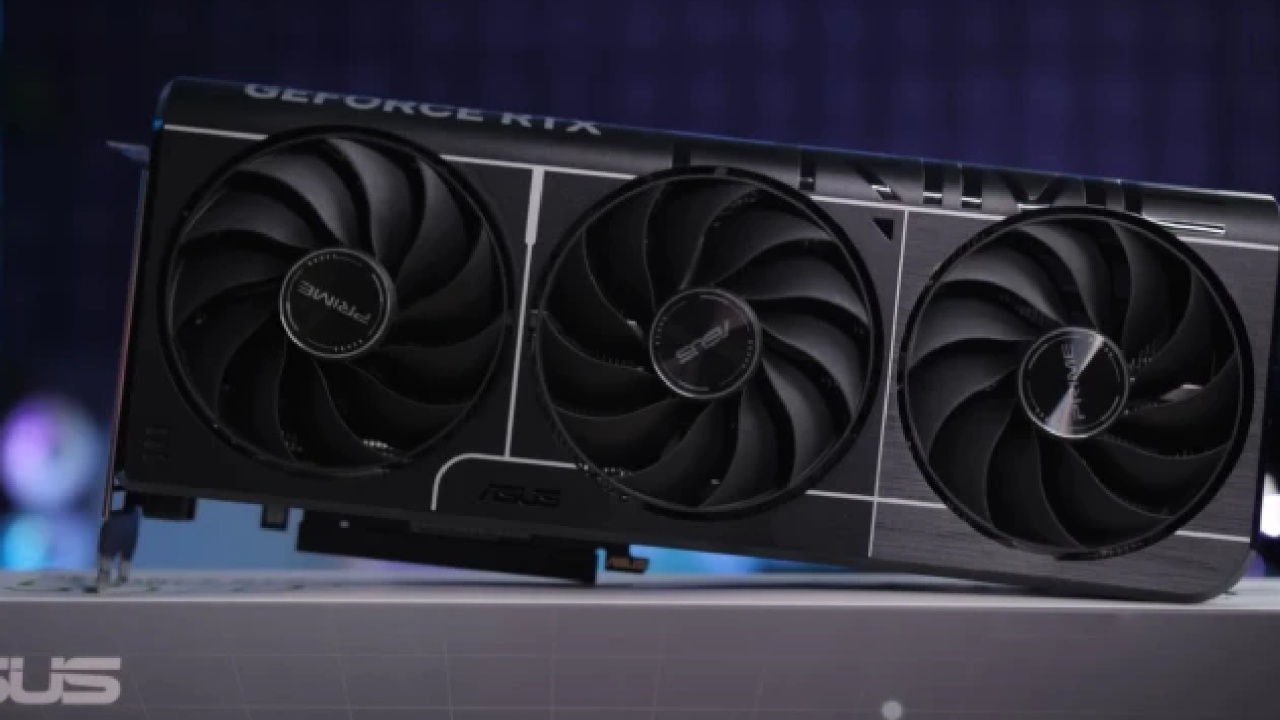
Layoffs and Unionization in the Game Industry
For the past few years, game developers have been under a lot of stress. A recent study of more than 2300 business experts found that 33% had been laid off in the last 2 years, and the numbers were similar worldwide. Many companies are cutting staff and relying more on AI, making it hard to know what the future holds for creative labor. The same survey found that 82% of respondents supported unionization.
Final Thoughts
Lastly, Microsoft is paying closer attention to user complaints about too many AI functions in Windows. Reports say internal teams are again reviewing how AI is used in the operating system and planning to simplify or remove features that don't add demonstrable value. People are getting more interested in other operating systems because they are frustrated with how AI is being added to basic apps. To regain people's trust, the company will need to make real changes, not just surface-level ones.
That ends the weekly tech report, which shows an industry with limited hardware options, changing objectives, and constant efforts to keep up with fast-paced technological change.
Also, check our other AMD articles below:
- AMD Ryzen 9 9950X3D Review: Setting The Standard For 2025 Gaming CPU
- AMD Ryzen 7 9800X3D Review: 3D V-Cache Goes God Mode with Stunning Gaming Performance
- AMD RX 9070 Performance Review: Thermals, Clocks, and Real-World FPS
- AMD Ryzen 5 7600 Review: Best Budget Gaming CPU of 2025?
- AMD Radeon RX 7800 XT Review: RDNA 3 Power For Midrange Gaming
- Sapphire NITRO+ AMD Radeon RX 9070 XT Review: The Ultimate 4K Gaming GPU
- AMD Ryzen 7 7800X3D: Delivers Gaming Performance Far Beyond Expectations
- AMD Ryzen 9 7900X Review: Powering the AM5 Era with DDR5 & PCIe 5.0
- Intel Core i9‑14900K vs. AMD Ryzen 7 7800X3D: Power Profiles & Gaming Benchmarks
Editor, NoobFeed
Gaming Hardware Updates
No Data.