
Next-Gen Consoles Face a Hype Problem as Players Prioritize Games Over Graphics
PlayStation and XBOX are looking very different from previous generations, with prices rising, graphical leaps shrinking, and player priorities shifting.
News by Tahmid Mahi on Aug 04, 2026
As the gaming industry readies itself for another console generation, the hype surrounding new hardware feels quite different. Forget counting down the days until the PlayStation 6 or Microsoft’s next XBOX comes around; you may have noticed that much of the conversation has turned to skepticism rather than anticipation.
Leaks about new consoles just aren’t as buzzy as they once were, and many players appear to care more about what games they’re playing than what machines they’re playing them on. The general mood is weird, less effusive than in prior generations.
Part of that reluctance is that gaming technology has reached a point where it’s becoming more difficult to see the improvements.
With each generation there used to be massive leaps in graphics, animation quality, world size, voice acting, and overall immersion. While modern games continue to improve technically, those changes now feel much smaller than they once did. Instead of seeing revolutionary differences, you are often looking at polished versions of visuals that already appear close to photorealistic.
That changing perspective has also altered the way many people value games. Rather than looking for the next graphical showstopper, gamers seem increasingly willing to put up with dated graphics if the gameplay offers something memorable.
Many purchases no longer depend on visual fidelity, as retro-inspired games, pixel art titles, and classic remasters continue to attract large audiences. More and more, mechanics, storytelling, atmosphere, or replay value are replacing graphical performance.
Nintendo’s legendary creator Shigeru Miyamoto recently echoed similar sentiments, suggesting that players just don't care as much about console specs as they used to. Instead, he argued gameplay is the industry's most valuable asset. Opinions about Nintendo itself can often get a debate going, but the broader message seems to fit with current gaming trends.
You can even see that trend reflected across the PC gaming market.
A lot of the most-played games on Steam have simple graphics, pixel graphics, or stylized graphics rather than realistic graphics. It's a common pattern among top sellers, as long-running games and indie releases continue to compete with the flashy blockbusters.
Games like The Sims 4 may not be breaking any graphical boundaries, but they still attract millions of players. They are popular because of creativity, freedom, and systems that encourage players to play for hundreds of hours. Many successful indie games follow the same principle, prioritizing unique ideas over visual spectacle.
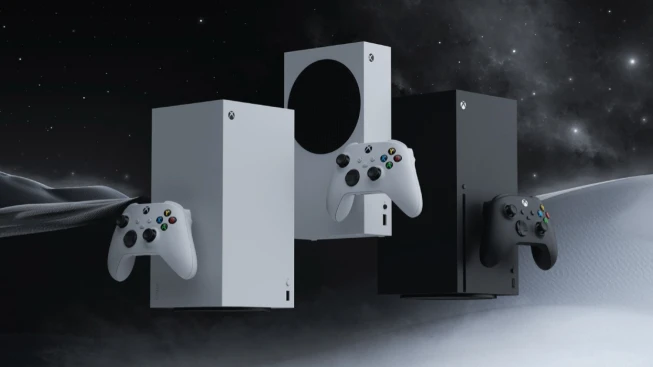
This change also raises hard questions about the value of future hardware. The next generation of consoles may be priced much higher at launch, and many gamers may find it difficult to justify the cost. Spending well over a thousand dollars for improved ray tracing, slightly higher frame rates, or sharper textures becomes much harder to defend when current games already look impressive.
Many gamers would rather spend their money on games they can play with friends than on expensive hardware upgrades. Free-to-play games are often criticized, but they also reflect rising gaming costs throughout the industry. Consoles, accessories, and premium games have all become pricier, making free experiences far more appealing despite their flaws.
Recent hardware price increases have only reinforced those concerns. XBOX prices have climbed significantly in several regions, leaving many players wondering why a console that has been available for years now costs dramatically more than it did at launch.
Instead of becoming more affordable as time passes, gaming hardware appears to be moving in the opposite direction. That trend naturally makes consumers more cautious about whatever comes next. With each new price increase, the expectation for groundbreaking innovation becomes even higher, making incremental hardware improvements feel less convincing to many players.
Some analysts argue that affordable gaming hardware is disappearing altogether, but that conclusion may be too extreme.
Budget gaming PCs still exist, even if they cannot deliver maximum performance. Nintendo also continues offering relatively affordable hardware capable of producing surprisingly solid results considering its price. There are cheaper options, but they tend to involve compromises.
It’s maddening when companies cite manufacturing costs as the reason for higher prices, then declare record profits. From a player's perspective, these explanations can seem out of touch with reality. But prices are rising, and many gamers see these as business decisions, not inevitable necessities.
Even if future consoles somehow launch at prices similar to current systems, the bigger challenge may remain convincing players that additional power truly matters. Graphics are great, but they won't compensate for poor gameplay.
Nice visuals make for excellent trailers, but they’re rarely enough to keep people around for hundreds of hours without compelling mechanics behind them. Technical improvements are getting harder to sell by themselves.
Modern remakes make that point surprisingly well. It is true that an updated visual look can definitely improve familiar games, but graphic improvements alone rarely change the overall experience. A visual upgrade that still needs to earn its keep with enjoyable gameplay.
Recent rereleases of older Call of Duty games demonstrate another interesting trend. Those ports reportedly sold very well despite few meaningful technical upgrades. They didn’t have many modern features, but millions of players kept coming back. Nostalgia was definitely part of it, but it wasn’t the only reason.
Older games are also grabbing the interest of younger players who never experienced them during their original release.
Many people who grew up with the PlayStation 4 or Nintendo Switch now hear stories about earlier gaming generations and want to experience those classics themselves. Rather than simply chasing nostalgia, they are discovering games that shaped modern franchises. That curiosity helps explain why so many older releases continue finding new audiences.
The shrinking number of console exclusives adds another concern surrounding the industry's future. Earlier PlayStation generations featured hundreds of exclusive games, while more recent systems have seen that number fall dramatically. The more the exclusive libraries shrink, the less the need to buy a whole new console.
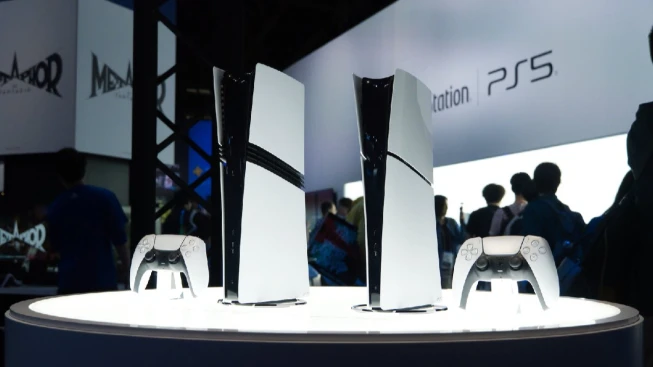
Another topic that has become often discussed is backwards compatibility. Older consoles still have great collections of games that are still fun decades later. There are enough unique experiences on PlayStation 2 alone to keep you busy for years. That lasting value is a stark contrast to today’s concerns about exclusive libraries that are becoming more limited.
Classic games continue to prove that fun ages better than graphics. Older games may lack resolution and graphics, but good gameplay is good gameplay, no matter how old the technical limitations are. Whether you’re into arcade racing, co-op adventures, or classic shooters, some of the most memorable game mechanics still hold up surprisingly well.
There was once a time when graphical leaps genuinely sold consoles. Trailers for the PlayStation 5 at launch were early visual improvements that had an immediate impact on building excitement for new hardware. These advances were important because they were dramatic departures from generations past.
Development time has also become a growing concern. The studios spend five to seven years creating ever more detailed worlds, so players often have to wait much longer between sequels. Many would gladly accept slightly simpler graphics if it meant receiving great games more frequently.
Smaller games continue proving that point every year.
Cheap co-op games with recycled levels, basic gameplay, and humble visuals usually become fan favorites because they consistently provide fun gameplay. Their success is proof of how players appreciate shared experiences over technical displays. Fun remains the industry’s most compelling selling point.
This principle is also relevant outside of commercial releases. Even small, fan-made projects can create giant buzz when they get the spirit of beloved franchises right. Their popularity indicates that players want creativity and originality, not just endless graphical improvements. “Visual technology has a much shorter life than memorable ideas.
With the next generation console looming, the biggest challenge might not be processing power or graphical performance at all. Instead, it might be a case of convincing players that new hardware offers experiences they simply can't find anywhere else. If consoles don't pursue diminishing returns on graphics but instead focus on meaningful games, they could still generate a lot of enthusiasm in the future.
Editor, NoobFeed
Related News
No Data.