
AMD Zen 6 Brings Bigger Caches and More Cores as Intel Nova Lake Takes Shape
AMD Zen 6 architecture introduces higher core counts, larger cache capacity, and improved efficiency as Intel Nova Lake release plans become clearer.
Hardware by Masaru Hoshino on Jul 19, 2026
AMD has officially disclosed numerous major architectural details regarding its forthcoming Zen 6 processor architecture, providing one of the clearest glimpses yet at what the next generation of Ryzen CPUs is likely to deliver. Add in leaked benchmark data and official performance advice, and the picture emerging is one of a huge jump in performance, efficiency, and core density.
Meanwhile, Intel’s next-gen Nova Lake processors are beginning to take shape, with new roadmap details indicating the top-end enthusiast SKUs could arrive later than many had hoped.
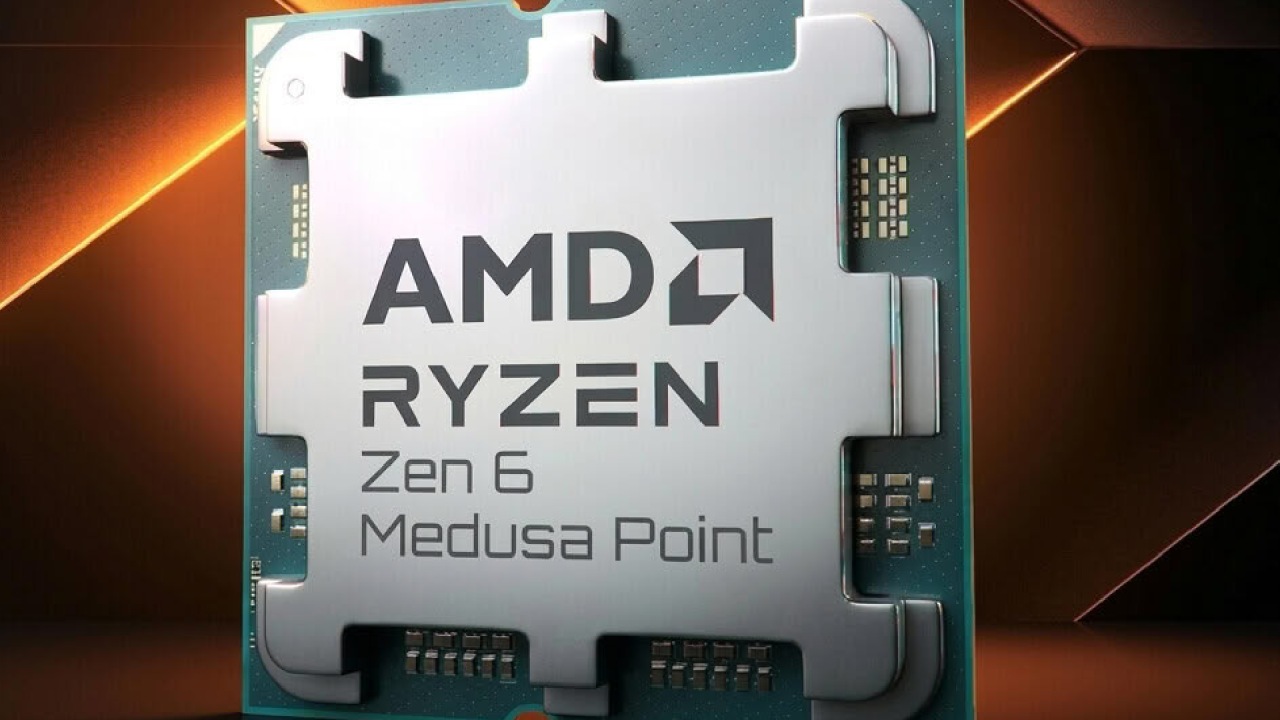
AMD Zen 6 Benchmark Leaks Continue to Build Confidence
As a quick reminder, the AMD Zen 6-based Medusa Point processor was previously seen in benchmark results. That the clock frequency is only supposed to be 2 GHz is still highly doubtful, but the processor nonetheless managed to exceed its predecessor by over 30% in single-core performance and around 20% in multi-core performance.
The comparison is especially noteworthy because it matched a 10-core processor against another 10-core processor, making the gains even more impressive.
AMD has also officially shared that the next generation of processors will feature significantly denser core counts, particularly within the server segment. At the same time, numerous rumors continue pointing toward Ryzen desktop processors offering as many as 24 cores and 48 threads.
Server Launch Plans and Official Performance Expectations
AMD is expected to formally introduce its Zen 6 server processors at its upcoming AI event on July 22 and July 23. The company has already confirmed expectations of up to a 1.7x improvement in performance and efficiency.
These gains are expected to come from several areas simultaneously, including higher IPC, increased clock frequencies, and substantially larger core counts.
Linux Patch Confirms More Zen 6 Architecture Details
New information emerging from a Linux patch has now provided additional architectural confirmation. Some instruction support had already been rumored, but the latest findings provide stronger evidence for features such as AVX-VNNI INT8 and new AVX-512 capabilities.
The Linux patch also confirms important cache configuration details on a per-CCD basis. As for the L2 cache structure, there is no change in the current information, but there may be additional alterations in future CPU variations. Each core still has a 1MB, 16-way inclusive L2 cache, as in the Turin design.
Larger L3 Cache Comes Naturally With More Cores
The L2 cache doesn’t change, but the L3 cache will probably get a lot bigger. With the rumor mill hinting at the release of Ryzen Zen 6 desktop processors with up to 24-cores (50% more than the Ryzen 9000 series), the total L3 cache will presumably go up by the same amount.
AMD also plans to enhance the volume of 3D V-Cache available for future X3D models. Altogether, the next generation looks especially promising given the combination of greater IPC, more cores, and larger cache capacity.
Clock Speed Expectations Remain a Topic of Debate
Among the greatest contentious topics regarding Zen 6 is clock frequency. Some expectations are for rates near 7GHz, but that still looks rather optimistic for regular Ryzen processors.
More realistically, we'd expect clocks much over 6GHz, maybe around the 6.2-6.3GHz range. And if you factor in the predicted 10-12% IPC boost (depending on the workload), the overall performance uplift might still be extremely substantial.
Whether upgrading ultimately makes sense will depend on several factors, with pricing likely becoming one of the biggest deciding factors.
Ryzen Desktop Launch May Arrive Alongside Nova Lake
There have been numerous rumors regarding Zen 6's desktop launch window. While server processors are arriving very soon, desktop Ryzen processors are still expected to be announced during CES next year.
Although conflicting reports continue suggesting a release before the end of the year, that scenario currently appears less likely, especially with Intel's Nova Lake platform approaching.
Intel Nova Lake Roadmap Reveals Two Different Launch Windows
New roadmap information has also surfaced regarding Intel's next-generation Nova Lake processors. The roadmap outlines two separate product categories. The first is a single-tile processor featuring 28 cores, while the second is a much larger dual-tile design featuring an enormous 52-core configuration.
According to the roadmap, the 28-core models are expected to launch between January and March, while the flagship 52-core variants are scheduled much later, arriving sometime between May and September.
Most Gamers May Never Need 52-Cores
For gaming enthusiasts, the delayed arrival of the 52-core processor may not be particularly concerning. Most modern games simply do not scale anywhere close to utilizing that many cores. Even the 12-core/24-thread CPUs have more than enough resources for today's gaming workloads.
For that reason, the 28-core Nova Lake models will likely satisfy the overwhelming majority of users. The 52-core variants are instead expected to target Intel's HEDT lineup, where extremely high core counts are better suited for professional workloads than gaming.
Current rumors also suggest pricing could reach around $1,500, although those estimates originated quite some time ago and may have changed before launch. Higher power consumption is also expected to accompany those flagship models.
Intel's Cache Technology Could Become an Important Variable
Another major unknown surrounding Nova Lake is Intel's upcoming BLLC technology. While it differs from AMD's X3D packaging approach, it effectively serves as Intel's answer by increasing available cache on the processor. Exactly how much gaming performance this larger cache delivers remains uncertain.
But predictions can undoubtedly be made, and the actual performance will ultimately depend on how well the software leverages the extra cache capacity. Also, current speculations imply Intel might focus on IPC upgrades rather than extraordinarily high clock rates, but the real-world effect will only be known when independent benchmarks are released.
Release Timing Could Shape the Next CPU Battle
And there is one mystery left — the release order of Intel’s CPU portfolio. Historically, AMD has introduced its standard Ryzen processors first before launching the faster X3D gaming variants later. That release strategy has never been particularly appealing because the X3D models from the previous generation often perform similarly to the newly released standard processors, depending on the workload.
Current expectations suggest something similar may happen again, with standard Zen 6 processors performing roughly on par with Zen 5 X3D models. Ideally, AMD would launch its X3D processors much sooner, or even alongside the standard lineup. Meanwhile, Intel's staggered Nova Lake rollout may also prove frustrating for enthusiasts waiting specifically for the flagship 52-core processor.
Another intriguing area to monitor will be memory bandwidth, especially for the bigger 52-core machines. The 28-core processors should be more than enough to handle gaming demands, but it will be interesting to see how well Nova Lake scales with heavier workloads, especially with quicker memory, in the top-end versions running multiple applications at the same time.
Editor, NoobFeed
Gaming Hardware Updates
No Data.